
Finding the perfect lotus-scented tealight requires looking beyond attractive packaging to evaluate wax quality, fragrance formulation, and safety standards. Because the delicate, aquatic aroma of lotus is highly subjective and challenging to replicate, different candle makers offer vastly different interpretations. To find a brand that delivers a clean burn and a true-to-life fragrance, you must know how to assess their manufacturing standards, ingredient transparency, and design choices.
In compact spaces, such as apartments or cozy study rooms, tealights are an excellent way to introduce subtle aromatherapy without overwhelming the senses. However, because of their small size, these candles require precise engineering to ensure the scent disperses effectively. By focusing on key quality indicators, you can confidently curate a shortlist of reliable candle brands that align with your personal preferences and safety requirements.
Decoding Lotus Fragrance Profiles in Tealights
Lotus is a complex and multifaceted note in perfumery, often associated with tranquility, water gardens, and clean floral accords. Because natural lotus essential oil is exceptionally rare and costly to extract, almost all candle brands recreate this scent using carefully blended fragrance oils. This means the “lotus” scent you experience can vary dramatically from one brand to another, depending on their creative direction.
Products mentioned in this guide
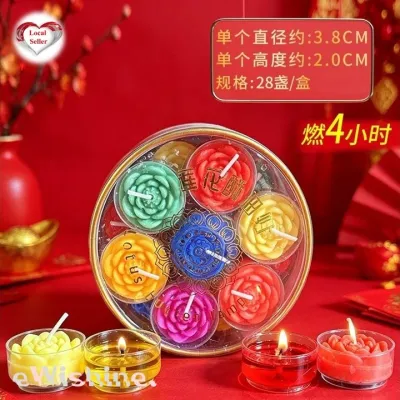
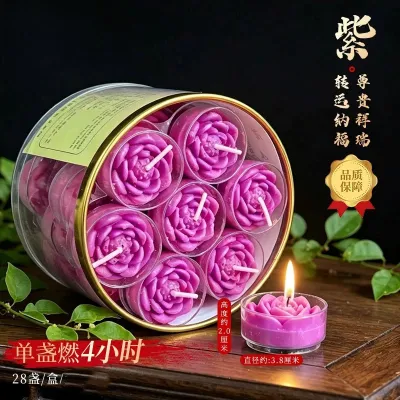
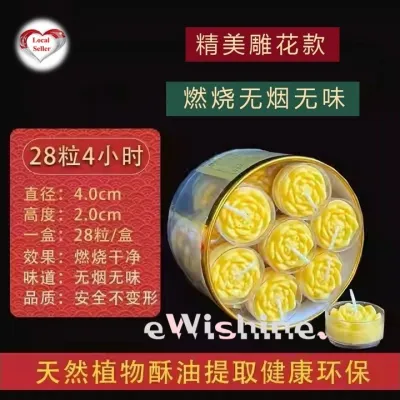
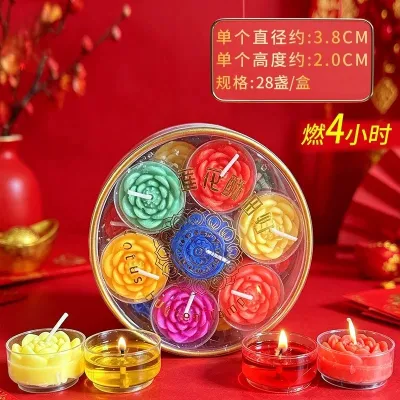
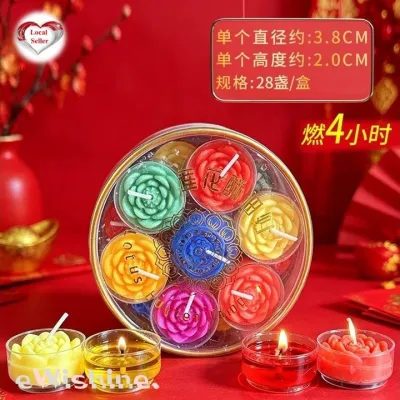
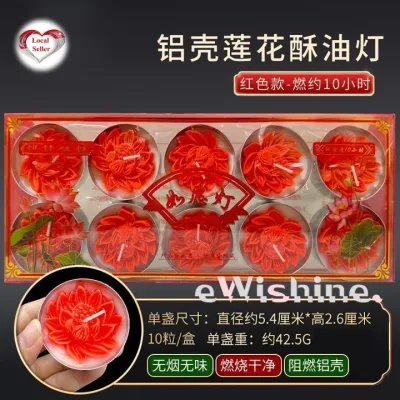
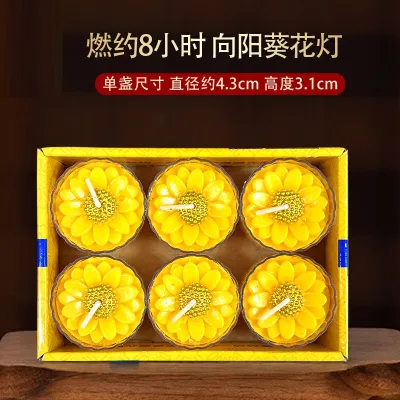
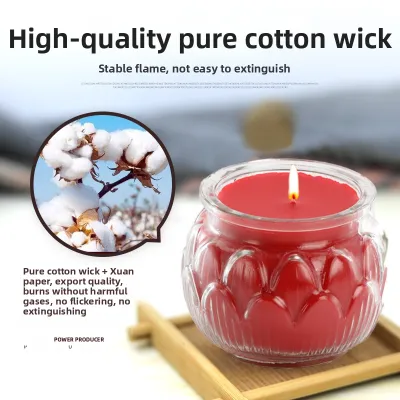
Prices are valid at publication and may change. Please refer to the product page for the latest price.
Some brands focus on a pure floral interpretation, highlighting the sweet, powdery, and slightly honeyed facets of the lotus blossom. These blends are often rich and traditional, making them ideal for creating a classic, meditative atmosphere. If you prefer a softer, more romantic ambiance, look for brands that pair lotus with other delicate florals like jasmine, white lily, or cyclamen to round out the sweetness.
Other manufacturers lean into an aquatic or fresh profile, capturing the essence of a dew-covered lotus floating on a cool pond. These formulations often incorporate ozone, bamboo, green tea, or melon notes to evoke a crisp, airy sensation. This style of fragrance is particularly refreshing in warm, humid climates, where heavy or overly sweet perfumes can sometimes feel cloying or oppressive.
For a more grounded and sophisticated sensory experience, look for brands that offer woody or musky lotus blends. These scents balance the airy floral top notes with warm base notes like sandalwood, cedarwood, amber, or light white musk. The addition of woody elements gives the fragrance more depth and longevity, helping the scent linger in the air even after the flame has been extinguished.
When evaluating tealights, keep in mind that their small wax pool limits their “scent throw”—the distance the fragrance travels. Brands that use a higher concentration of premium fragrance oils, typically between 6% and 10% of the total wax weight, will deliver a much more noticeable aroma. Reading the detailed scent notes provided by the manufacturer will help you determine whether a brand’s lotus profile leans floral, aquatic, or woody.
Core Criteria for Evaluating Tealight Brands
To separate high-quality candle makers from mass-produced alternatives, you must examine the raw materials used in their tealights. The type of wax a brand selects directly influences how cleanly the candle burns, how long it lasts, and how effectively it releases the lotus fragrance into your room.

Soy wax is a highly popular choice among premium candle brands because it is derived from a renewable resource and burns at a lower temperature. This cooler burn allows the lotus fragrance to evaporate gently and evenly, resulting in a consistent scent throw throughout the life of the candle. Additionally, soy wax typically produces minimal soot when paired with a properly sized wick, making it an excellent option for maintaining indoor air quality.
Beeswax is another excellent material, prized for its exceptionally long burn time and natural air-purifying qualities. However, raw beeswax carries a distinct, sweet honey aroma that can sometimes compete with or alter the delicate notes of a lotus fragrance. Brands that successfully use beeswax for floral scents often refine the wax or blend it with other plant-based waxes to create a neutral base.
Paraffin wax and paraffin-soy blends are widely used because of their outstanding ability to hold and throw fragrance. A well-refined paraffin blend can deliver a powerful hot throw, making it easier to scent larger rooms with a single tealight. If you choose a brand that uses paraffin, ensure they specify that they use food-grade or highly refined wax to minimize the release of unwanted combustion byproducts.
Beyond the wax, the source of the fragrance itself is a crucial quality marker. Reputable brands are transparent about their ingredients, often highlighting the use of phthalate-free fragrance oils or natural essential oil blends. Phthalates are commonly used as solvents in cheaper synthetic fragrances, but many modern candle makers actively avoid them to address consumer health and environmental concerns.
Finally, evaluate the physical components of the tealight, such as the wick and the cup. High-quality brands use wicks made of natural cotton, paper, or wood, completely free of lead or other metal cores. The cup holding the wax should be sturdy and heat-resistant; clear polycarbonate cups offer a beautiful, glowing aesthetic as the wax melts, while aluminum cups are highly recyclable and classic. A well-constructed tealight should burn evenly down to the bottom without leaving a significant ring of unmelted wax around the edges.
Verifying Safety and Quality Labels
Because candles involve an open flame and direct combustion, verifying safety standards and manufacturing transparency is a non-negotiable step in your selection process. Reliable brands prioritize consumer safety by clearly displaying compliance certifications and usage instructions on their packaging.
When browsing different brands, look for indications of compliance with recognized international safety standards. For example, many reputable manufacturers design and test their products to meet ASTM (American Society for Testing and Materials) standards or European EN standards for candle safety. These guidelines govern crucial safety factors, such as fire safety labeling, maximum flame height, container temperature, and resistance to secondary ignition.
Every high-quality box of tealights should feature a clear, legible warning label, typically located on the bottom of the packaging or the individual cups. This label must include standard safety pictograms and explicit instructions, such as keeping the burning candle within sight, placing it away from flammable objects, and keeping it out of reach of children and pets. Brands that omit these basic safety warnings or provide vague contact information should generally be avoided.
Operating candles safely also requires proper setup in your home. Always place your tealights on a stable, flat, and heat-resistant surface, such as a ceramic coaster or a dedicated metal holder. Because tealight cups can become extremely hot during use, never place them directly on wooden furniture, plastic surfaces, or electronic appliances. Ensure the room is well-ventilated but free from direct drafts, such as those from open windows, air conditioning units, or ceiling fans, which can cause the flame to flicker wildly and burn unevenly.
Building Your Shortlist: Pre-Purchase Checks
Once you understand fragrance profiles and quality standards, you can begin narrowing down your choices to create a practical shortlist of brands. Taking the time to perform a few pre-purchase checks will help ensure you receive a product that performs beautifully in your specific living environment.
Start by cross-referencing user reviews on independent websites and online marketplaces, focusing specifically on real-world performance. Look for detailed feedback regarding the “cold throw” (how the candle smells when unlit on a shelf) and the “hot throw” (how well the scent fills a room once lit). Pay close attention to reviews that mention whether the lotus scent smells authentic and clean, or if it carries an artificial, chemical undertone.
If you live in a warm, tropical climate like Singapore, shipping conditions are an important factor to consider. Wax has a relatively low melting point, and prolonged exposure to high temperatures in delivery vans or outdoor parcel boxes can cause tealights to soften, warp, or lose their fragrance oils. To prevent this, look for brands that package their candles in sturdy, airtight boxes or tins, and try to arrange for delivery times when you can receive the package directly.
Environmental sustainability is another valuable criterion for your shortlist. Consider brands that offer plastic-free packaging, biodegradable soy or coconut wax, and highly recyclable aluminum or reusable glass cups. Some eco-conscious brands even sell bulk refills, allowing you to reuse your existing glass or ceramic tealight holders repeatedly, reducing waste and lowering your long-term costs.
To help plan your budget, high-quality, clean-burning lotus tealights generally range from S$1.50 to S$4.00 per candle, depending on the wax type, fragrance purity, and brand reputation. While mass-produced utility candles are cheaper, investing in a dedicated aromatherapy brand ensures a safer, more pleasant, and genuinely fragrant experience.
Frequently Asked Questions (FAQ)
Do lotus-scented tealights produce more soot than other scents?
No, the lotus fragrance itself does not cause a candle to produce more soot. Soot production is primarily determined by physical factors, such as the type of wax used, the design of the wick, and how the candle is maintained. Cheap, poorly refined paraffin wax and wicks with metal cores are much more likely to produce dark soot than clean-burning soy, coconut, or beeswax.
To minimize soot when burning your lotus tealights, always trim the wick to approximately 5mm before lighting it. This keeps the flame at a controlled, stable height and prevents incomplete combustion. Additionally, keep the burning tealight away from drafts, ceiling fans, and air conditioners, as moving air can cause the flame to flicker and release soot into your room.
How should I store tealights to preserve the lotus fragrance?
To keep your lotus-scented tealights smelling fresh and vibrant, store them in a cool, dark, and dry location away from direct sunlight. Exposure to UV rays and high temperatures can degrade both the wax and the delicate fragrance oils, causing the scent to fade or the wax to discolor over time.
In warm or humid environments, it is highly beneficial to keep your tealights sealed in their original packaging, a zip-top bag, or an airtight glass jar. This prevents the volatile fragrance oils from evaporating into the air while the candles are sitting in storage, ensuring that they deliver a powerful, beautiful scent throw the moment you finally light them.
Community discussion
Share your experience or ask a question. Comments are reviewed before publication.