
Completing a jigsaw puzzle is a labor of love, representing hours of focus and patience. Once the final piece clicks into place, preserving that achievement is the next logical step. However, turning loose interlocking pieces into permanent wall decor requires more than just buying the first frame you find online.
In Singapore, where high relative humidity and warm temperatures can affect paper-based materials, selecting the right framing solution is crucial. A poorly constructed frame can trap moisture, cause the puzzle to bow, or fail to support the weight of the completed assembly. To ensure your hard work remains flat, vibrant, and securely mounted, you must evaluate frame brands based on structural integrity, material suitability, and precise physical dimensions.
This guide provides a comprehensive framework for assessing puzzle frame brands, comparing off-the-shelf retail options with custom framing services, and understanding the technical specifications needed to protect your artwork. By focusing on observable quality indicators and proper mounting techniques, you can confidently select a display solution that enhances your home interior while safeguarding your puzzle for years to come.
Products mentioned in this guide
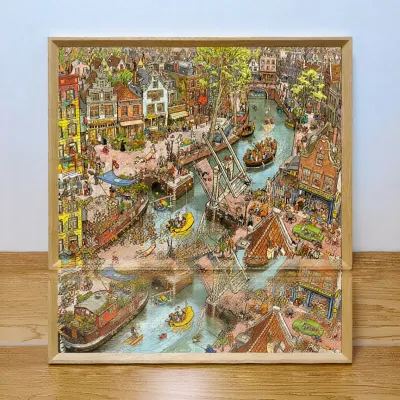
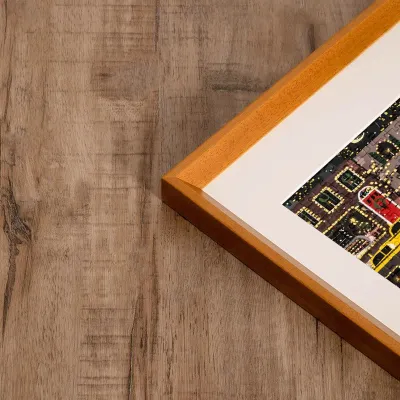
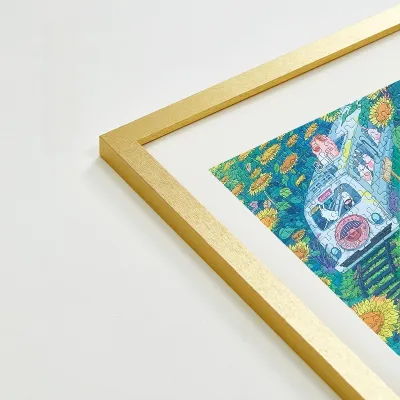
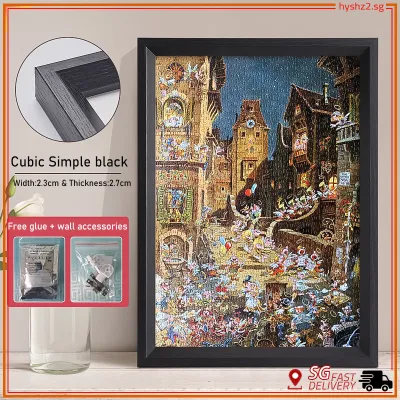
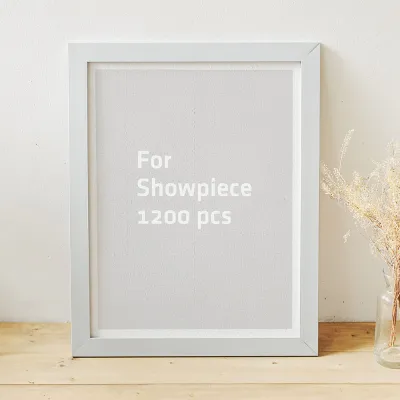
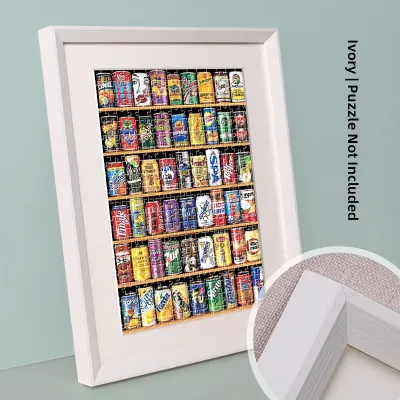
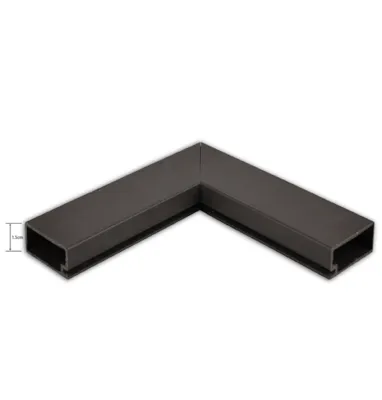
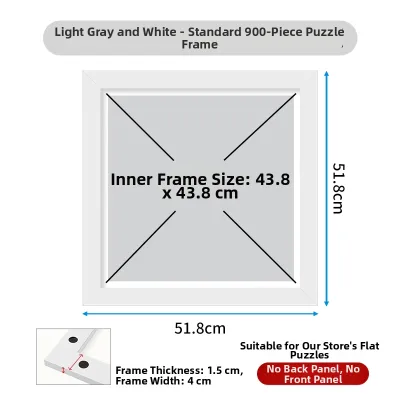
Prices are valid at publication and may change. Please refer to the product page for the latest price.
Assessing Your Jigsaw Dimensions and Framing Needs
Before browsing frame brands, you must obtain precise measurements of your completed puzzle. It is a common mistake to rely solely on the dimensions printed on the puzzle box. Manufacturing tolerances, paper expansion, and cumulative micro-gaps between interlocking pieces can cause the final, assembled dimensions to differ from the nominal size by several millimeters.
To measure your puzzle accurately, lay it completely flat on a hard, level surface. Use a metal tape measure rather than a flexible fabric one, as fabric tapes can stretch and introduce errors. Measure the width and height at three different points: across the top, middle, and bottom for the horizontal dimension, and along the left, center, and right for the vertical dimension. Use the largest of these measurements to ensure the puzzle will fit inside the frame’s inner opening without pinching or buckling.
Beyond width and height, you must determine the thickness of your assembled puzzle. Jigsaw puzzles vary significantly in thickness depending on the brand, material, and piece count. Standard cardboard puzzles typically range from 1.5 mm to 3 mm in thickness, while wooden or 3D puzzles can be substantially thicker. The frame you select must have a sufficient “rabbet depth”—the inner channel where the backing, puzzle, and glazing sit—to accommodate this thickness. If the rabbet depth is too shallow, you will struggle to secure the backing board, which can apply uneven pressure and damage the puzzle pieces.
Additionally, consider the shape and border style of your puzzle. While standard rectangular puzzles are straightforward to frame, round, panoramic, or irregularly shaped puzzles present unique challenges. An irregular puzzle framed directly against the border of a standard rectangular frame may leave awkward empty spaces or require custom-cut matting to create a clean, professional look. Identifying these structural needs early will help you decide whether a standard retail frame is sufficient or if your project demands a specialized framing solution.
Standard Retail Frames vs. Custom Framing Services
When deciding how to display your completed puzzle, you will choose between mass-produced retail frames and professional custom framing services. Each path offers distinct trade-offs in cost, convenience, customization, and preservation. Understanding these differences allows you to match your budget and aesthetic preferences with the structural requirements of your puzzle.

Standard retail frames are widely available, highly convenient, and generally cost-effective. Many brands manufacture frames specifically sized for common puzzle dimensions, such as standard 500-piece or 1,000-piece layouts. These pre-made options are ideal for standard rectangular puzzles and allow you to complete the framing process at home. However, retail frames offer limited flexibility. If your puzzle has non-standard dimensions, you may find yourself forced to choose between a frame that is slightly too small—requiring you to trim the edges of your puzzle—or a frame that is too large, leaving unsightly gaps around the perimeter.
Custom framing services, on the other hand, eliminate sizing compromises entirely. A professional framer can construct a frame to the exact millimeter, ensuring a precise fit regardless of the puzzle’s shape or thickness. This service is particularly valuable for oversized puzzles, panoramic layouts, or delicate wooden jigsaws that require specialized handling. Custom framing also allows you to select high-quality materials, such as acid-free matboards and specialized glazing, which offer enhanced protection against environmental degradation.
The primary trade-off with custom framing is the financial investment. Custom work is significantly more expensive than purchasing a mass-produced retail frame, often costing several times more depending on the chosen materials and complexity. For a standard, easily replaceable puzzle, a high-quality retail frame is often the most practical choice. However, for rare, sentimental, or highly complex puzzles that represent a significant investment of time and effort, the long-term protection and polished appearance of a custom framing service are often well worth the additional cost.
Quality Checkpoints for Evaluating Frame Brands
Whether you choose a retail brand or a custom framer, you must evaluate material quality and construction to ensure the frame safely supports and preserves your puzzle. A reliable frame must be structurally rigid, chemically inert, and capable of protecting the puzzle from environmental factors like moisture and light.
First, inspect the frame’s structural material. Solid wood and metal (such as aluminum) are the most durable options, offering excellent rigidity and resistance to warping. This is particularly important for large-format puzzles, which can be heavy and exert significant downward force on the bottom rail of the frame. Engineered materials like Medium-Density Fibreboard (MDF) or plastic are common in budget-friendly retail frames. While MDF can be suitable for smaller puzzles, it is susceptible to sagging over time when used for large displays, and it can absorb moisture in humid environments, potentially leading to mold or warping.
Second, evaluate the glazing material, which is the clear protective sheet covering the front of the puzzle. Standard glass is scratch-resistant and provides a classic look, but it is heavy and fragile, making it less suitable for very large frames. Acrylic (often referred to as plexiglass) is lightweight, shatterproof, and highly practical for large displays. When evaluating acrylic, check if the brand offers UV-filtering options. Exposure to ultraviolet light from natural sunlight or fluorescent indoor lighting can cause the colors of your puzzle to fade over time; UV-resistant glazing helps mitigate this risk.
Third, examine the backing board and securing mechanisms. The backing board must be rigid enough to keep the puzzle flat and prevent it from bowing outward. Look for acid-free backing materials, as standard cardboard can release acids over time that discolor and degrade the puzzle paper. The securing mechanisms—such as flexi-tabs, turn buttons, or metal brads—should be sturdy and spaced closely enough around the perimeter to apply even pressure. Loose or sparse tabs can allow the backing board to flex, creating gaps where the puzzle pieces can shift or sag.
Where to Source Reliable Frames and Framing Services
Finding a reliable source for your puzzle frame involves navigating both online marketplaces and local physical stores. Each channel offers unique advantages, and knowing how to verify the reliability of a seller is key to ensuring a successful purchase.
Online marketplaces and e-commerce platforms offer an extensive selection of standard puzzle frames, often at highly competitive prices. When shopping online, it is essential to look beyond the product photos and carefully review the technical specifications. Verify the exact inner dimensions, rabbet depth, and materials listed by the seller. Pay close attention to customer reviews, specifically looking for feedback regarding packaging quality and transit damage, as large frames with glass or acrylic glazing are highly fragile and require robust protective packaging to arrive intact. Check the seller’s return policy to ensure you can easily obtain a replacement if the frame arrives damaged.
For those who prefer a hands-on approach, visiting local art supply stores, craft shops, or dedicated framing workshops is highly recommended. This allows you to physically inspect the materials, feel the weight of the frames, and assess the quality of the joints and glazing. Local shops often employ knowledgeable staff who can provide expert advice on material compatibility and mounting techniques. If you are opting for custom framing, visiting a professional workshop allows you to view physical samples of frame profiles, matboards, and glazing options side-by-side with your completed puzzle.
To verify the credentials of any framing supplier, look for clear communication, detailed product descriptions, and a willingness to answer technical questions. A reliable brand or service provider should be able to specify the exact materials used in their frames, including whether their backing boards and mats are acid-free. Responsive customer support and clear warranties or guarantees against manufacturing defects are also strong indicators of a reputable business that stands behind its products.
Safe Mounting and Wall Display Guidelines
Once your puzzle is securely framed, the final step is mounting it safely on your wall. Because framed puzzles can be surprisingly heavy—especially those with solid wood frames or glass glazing—proper installation is critical to prevent the frame from falling.
Begin by calculating the total weight of the framed puzzle. Use a reliable scale to weigh the completed assembly before selecting your hanging hardware. For lightweight frames, standard picture hanging hooks or heavy-duty adhesive strips may be sufficient, provided they are rated for the frame’s weight and are compatible with your wall surface. For heavier frames, you must use robust hardware such as D-rings or heavy-duty wire attached to the back of the frame, paired with appropriate wall anchors. In Singapore, where interior walls are frequently made of solid concrete or brick, you will typically need to use a masonry drill bit and plastic wall plugs (anchors) to ensure a secure hold. Avoid relying on simple nails or adhesive hooks for heavy displays on concrete walls.
Environmental placement is another critical factor in preserving your framed puzzle. Avoid hanging your display in areas with high humidity, such as directly outside a bathroom or in poorly ventilated spaces, as moisture can penetrate the frame and cause the puzzle pieces to swell, warp, or develop mold. Similarly, avoid walls that receive direct, unfiltered sunlight for extended periods. Even with UV-filtering glazing, prolonged exposure to intense sunlight can cause gradual fading and heat-induced degradation of the puzzle materials and adhesives.
Finally, recognize when a project exceeds your DIY capabilities. If you are dealing with an exceptionally large, heavy, or valuable framed puzzle, or if your walls are made of challenging materials like hollow drywall or delicate tiling, it is wise to consult a qualified professional installation service. Professional installers have the specialized tools and expertise to ensure your frame is hung perfectly level and securely anchored, giving you peace of mind that your hard work will remain safely displayed for years to come.
Frequently Asked Questions (FAQ)
Do I need to glue my puzzle before framing it?
Gluing your puzzle before framing is not strictly mandatory, but it is highly recommended for long-term stability. Applying a dedicated liquid puzzle glue or adhesive preservation sheets binds the pieces together into a single, solid sheet. This prevents individual pieces from shifting, slipping, or falling out of alignment over time, especially when the frame is subjected to vibrations or temperature changes. Liquid glue is applied to the front surface, filling the gaps and often enhancing the colors with a glossy or matte finish. Adhesive sheets are applied to the back, preserving the original texture of the puzzle face. If you prefer not to use adhesives, you must ensure your frame has a very tight fit and a highly rigid backing board to compress the pieces securely in place, though this carries a higher risk of shifting over time. Always follow the specific instructions provided by your puzzle and frame manufacturers.
How do I prevent my puzzle from bowing inside the frame?
Bowing occurs when a completed puzzle is not held flat against the backing board, allowing gravity or humidity to warp the cardboard. To prevent this, the most critical element is a thick, rigid backing board made of high-quality, moisture-resistant material. Avoid thin, flexible cardboard backings that can easily bend under pressure. Additionally, you can secure the puzzle to the backing board using acid-free framing tape or a light application of specialized mounting spray, which keeps the entire surface flat without damaging the pieces. Finally, ensure that the frame’s internal depth matches the thickness of your puzzle and backing assembly. If the frame is too deep, the puzzle may sag forward; if it is too shallow, the backing tabs may exert uneven pressure, causing the frame or the puzzle to warp.
Community discussion
Share your experience or ask a question. Comments are reviewed before publication.