
Selecting a small turtle figurine for your home decor in Singapore involves more than just picking an appealing design. A well-chosen piece serves as a subtle anchor for your interior styling, bringing a sense of calm, longevity, and natural beauty to your living space. Because retail collections constantly evolve, finding the right figurine requires a clear understanding of material quality, craftsmanship, and how different finishes interact with your home’s environment. By focusing on key evaluation standards and sourcing strategies, you can select a high-quality piece that complements your aesthetic preferences and withstands the local climate.
Key Criteria for Evaluating Turtle Figurine Brands
When assessing different brands and creators of small turtle figurines, the first point of inspection should always be the physical execution of the piece. High-quality craftsmanship is visible in the details. For cast resin or polymer figurines, examine the surface closely for any signs of seamless casting; there should be no prominent mold lines, rough edges, or trapped air bubbles. If you are looking at ceramic or porcelain options, inspect the glaze for consistency, ensuring there are no pinholes, uneven patches, or hairline cracks that could compromise the structural integrity over time. For metal figurines, such as those made of brass, bronze, or pewter, look for smooth, polished surfaces and crisp, well-defined details along the shell and limbs.
Brand transparency is another critical indicator of reliability. Trustworthy brands readily provide detailed information about the materials they use, including the specific type of clay, metal alloy, or resin compound. They should also offer clear care instructions tailored to the material. Before purchasing, take the time to review customer feedback on independent platforms, paying attention to comments regarding the brand’s responsiveness to inquiries and their return or exchange policies. A brand that stands behind its work will typically offer a straightforward resolution process if an item arrives damaged or does not match the advertised description.
Products mentioned in this guide
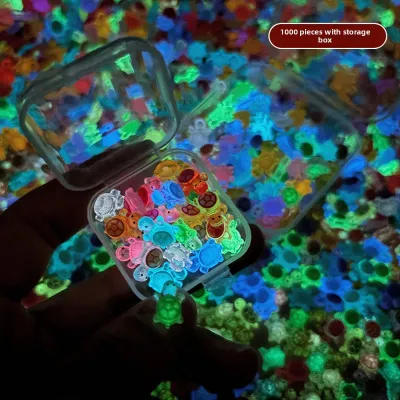
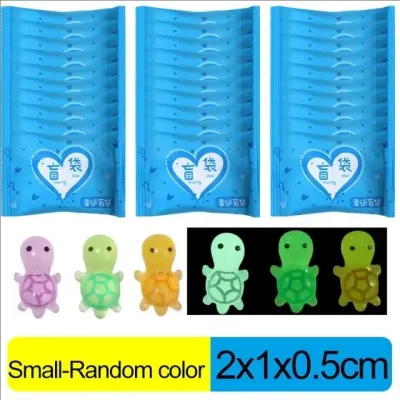
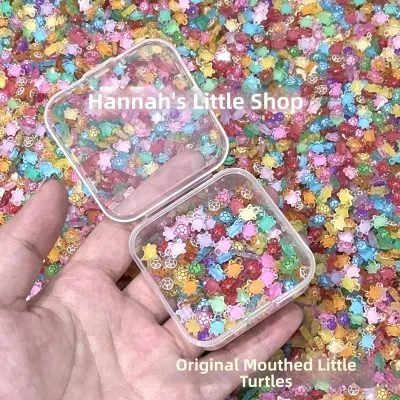
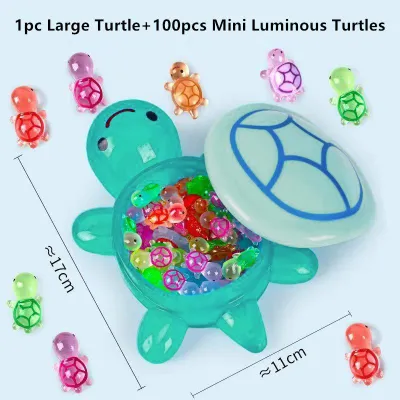
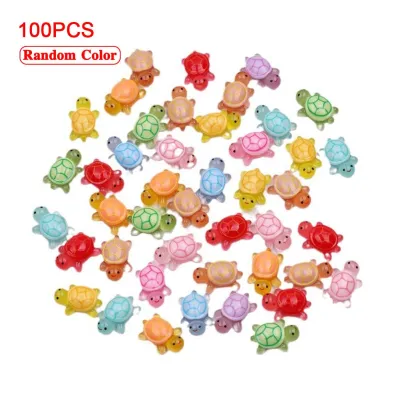
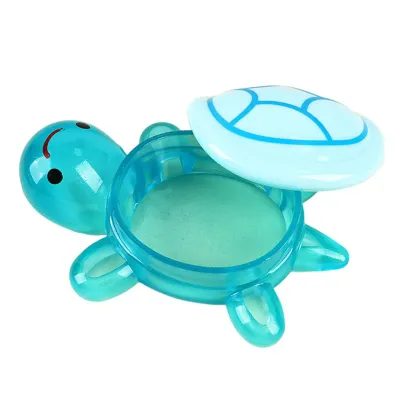
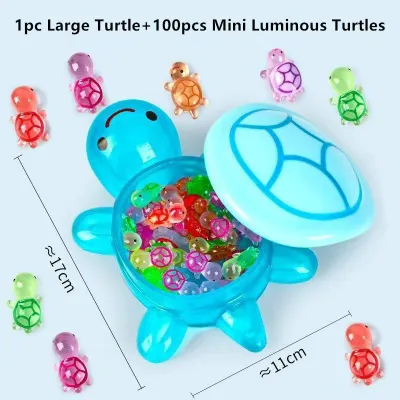
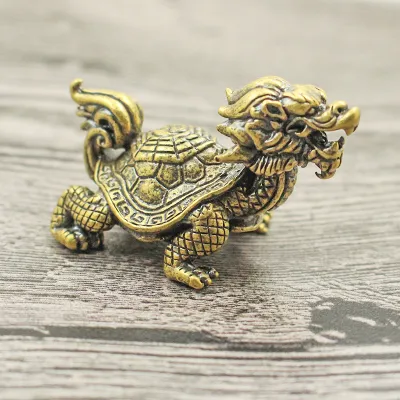
Prices are valid at publication and may change. Please refer to the product page for the latest price.
It is also important to distinguish between original, artist-designed figurines and mass-produced replicas. Original pieces often carry design signatures, maker’s marks, or certificates of authenticity that verify their origin. These items generally showcase unique artistic interpretations, subtle variations in hand-painted details, and superior material choices. Mass-produced alternatives, while often more budget-friendly, may feature repetitive, mechanical paint applications and lower-grade materials that degrade faster. Understanding this distinction helps you align your budget with your expectations for uniqueness and longevity.
Finally, consider the brand’s packaging standards, especially when ordering online or purchasing fragile materials like glass, crystal, or fine porcelain. Reliable brands invest in secure, custom-molded packaging, such as high-density foam inserts or sturdy, multi-layered cardboard boxes, to protect the delicate limbs and shells of turtle figurines during transit. Excellent packaging not only ensures the item arrives in pristine condition but also enhances the presentation if you intend to give the figurine as a thoughtful housewarming or celebratory gift.
Popular Styles and Materials for Home Display
The material and style of your turtle figurine should harmonize with your existing interior decor. For modern and minimalist Singaporean homes, which often feature clean lines, neutral color palettes, and open layouts, sleek and contemporary designs work best. Consider figurines crafted from polished metals like stainless steel, hand-blown art glass, or abstract geometric resin. A minimalist glass turtle can catch and refract light beautifully, adding a touch of understated elegance without visual clutter. Geometric resin designs in solid monochrome tones offer a sculptural, artistic feel that fits seamlessly onto a modern bookshelf or TV console.

In contrast, traditional, cultural, or heritage-themed spaces benefit from richer, more grounded materials. Brass, bronze, and pewter figurines bring a classic, timeless appeal to the home. These metals develop a natural patina over time, adding character and depth to the decor. Hand-carved wooden figurines, made from durable hardwoods such as teak, suar, or rosewood, are also excellent choices for traditional interiors. The natural grain patterns and warm tones of carved wood create an inviting, organic atmosphere that pairs well with classic wooden furniture and warm lighting schemes.
For homes styled with natural, coastal, or bohemian themes, textured ceramics and matte-finish materials are highly suitable. Look for ceramic turtle figurines with crackle glazes, earthy terracotta finishes, or matte resin pieces that mimic the texture of natural stone. These styles evoke a relaxed, seaside ambiance, making them perfect companions for indoor houseplants, rattan decorative items, and soft linen textiles. Earthy color palettes, including sandy beiges, sage greens, and soft blues, help reinforce the connection to nature.
Regardless of the style you choose, you must consider how Singapore’s tropical climate affects different materials. The high relative humidity can impact certain finishes over time. For instance, untreated wooden figurines can absorb moisture, leading to potential warping or mold growth if placed in poorly ventilated, damp areas like bathrooms. It is best to display wooden pieces in air-conditioned or well-ventilated living areas, away from direct moisture. Similarly, non-lacquered brass and copper figurines will oxidize more rapidly in humid conditions, developing a darker patina. While some homeowners appreciate this aged look, those who prefer a bright, polished finish will need to apply a thin coat of protective wax or perform periodic polishing with specialized metal cleaners. Glass, glazed ceramic, and high-quality resin are highly stable in humid environments, making them low-maintenance options for local homes.
Where to Find Reliable Brands in Singapore
Sourcing high-quality turtle figurines in Singapore requires a strategic approach to ensure authenticity and value. One of the most rewarding methods is visiting local home decor boutiques, lifestyle concept stores, and independent artisan markets. Neighborhoods known for design-forward retail, such as Tiong Bahru, Dempsey Hill, or the shopping districts along Orchard Road, often host boutique shops that curate unique decor pieces from global and local designers. Physically visiting these stores allows you to inspect the craftsmanship firsthand, feel the weight of the figurine, and assess how the colors and finishes look under realistic lighting conditions.
If you prefer the convenience of online shopping, it is crucial to verify the authenticity of the seller. When browsing major e-commerce platforms, look for official brand storefronts or authorized distributors. These sellers typically feature verification badges, such as “Mall” or “Official Store” tags, which guarantee that you are purchasing genuine products rather than low-quality counterfeits. Avoid buying from unverified third-party sellers who offer unusually low prices, as these items often turn out to be poorly made replicas with subpar materials and finishes.
Direct-to-consumer (DTC) channels and official brand websites are also excellent avenues for finding reliable brands. Purchasing directly from a brand’s website often grants you access to their complete collections, including limited-edition pieces or exclusive colorways that may not be available through general retailers. Additionally, buying direct usually ensures better customer support, more reliable warranty coverage, and direct access to the manufacturer’s care guidelines.
To further evaluate seller credibility online, spend time analyzing verified buyer reviews and user-uploaded photographs. Standard marketing images can sometimes be misleading due to professional studio lighting and digital editing. User-uploaded photos provide a realistic representation of the figurine’s actual size, color accuracy, and overall finish in a home setting. Pay attention to reviews that mention the quality of the packaging and the speed of delivery, as these factors reflect the seller’s commitment to customer satisfaction.
Sizing, Placement, and Display Tips
Proper sizing and placement are essential to ensure your small turtle figurine makes a meaningful visual impact without cluttering your living space. Because these figurines are typically small—often measuring between 5 cm and 15 cm—they can easily become visually lost if placed in isolation on a large, empty surface. To prevent this, choose intimate display locations such as study desks, bedside tables, entryway consoles, or floating wall shelves. These areas allow viewers to appreciate the fine details and craftsmanship of the piece from a closer distance.
Creating an intentional visual focal point is a highly effective styling technique. Instead of placing the figurine alone, group it with other decorative elements using the “rule of threes” or asymmetrical arrangements. For example, you can pair a small ceramic turtle with a taller potted succulent and a medium-sized scented candle. This variation in height and texture creates a visually dynamic composition, with the turtle figurine serving as a charming anchor piece. Ensure that the colors and materials of the grouped items complement each other to maintain a cohesive look.
Lighting plays a pivotal role in how your figurine is perceived. Consider the material finish when planning its placement. A glass, crystal, or highly polished metal turtle figurine should be positioned where it can interact with light. Placing it on a sunlit windowsill or beneath a warm spotlight allows the material to catch, reflect, and refract light, creating beautiful patterns and highlighting the sculpture’s contours. Conversely, matte ceramic, stone, or wooden figurines look best under soft, diffused ambient lighting, which emphasizes their rich textures and organic forms without creating harsh glare.
Finally, prioritize safety and stability when choosing a display spot. Small figurines are susceptible to accidental bumps, especially in households with active pets or young children. Avoid placing your figurine too close to the edges of high-traffic shelves or tables. To secure the piece further, consider applying a small amount of removable museum wax or placing a discreet non-slip silicone pad underneath the base. This is particularly important for fragile glass or ceramic pieces displayed on smooth surfaces like polished wood or glass tabletops.
Frequently Asked Questions (FAQ)
How do I clean and maintain small resin or ceramic turtle figurines?
To keep your resin or ceramic turtle figurines looking their best, establish a regular, gentle cleaning routine. Use a dry, soft microfiber cloth to wipe away surface dust. For intricate carvings or hard-to-reach crevices around the shell and limbs, a soft-bristled makeup brush or a clean paintbrush works exceptionally well to dislodge dust without scratching the surface. Avoid using harsh chemical solvents, bleach, or abrasive scrubbing pads, as these can strip away delicate hand-painted details, protective glazes, or matte finishes. If a ceramic figurine requires a deeper clean, use a damp cloth with a tiny drop of mild dish soap, then dry it immediately with a soft towel. Additionally, protect painted or resin pieces from prolonged exposure to direct, intense sunlight to prevent the colors from fading or yellowing over time.
Are there specific placement guidelines for turtle figurines in Feng Shui?
In traditional Chinese culture and Feng Shui practices, the turtle is revered as one of the celestial animals, symbolizing longevity, stability, protection, and steady wealth. If you wish to incorporate these symbolic associations into your home decor, traditional guidelines suggest placing the turtle figurine in the northern sector of your home, which is associated with career and life path support. Alternatively, placing a turtle near the main entrance facing inward is believed to bring protective energy into the household. When applying these concepts, it is important to balance traditional placement with the practical layout and aesthetic flow of your room. A figurine should never block pathways or create physical clutter, as maintaining a clean, balanced, and visually pleasing environment is fundamental to both good design and positive spatial energy.
Community discussion
Share your experience or ask a question. Comments are reviewed before publication.