
Transforming an outdoor balcony, patio, or garden into a welcoming evening retreat is a popular way to maximize living space in Singapore. As homeowners look for energy-efficient and cost-effective ways to illuminate these areas, installing led strip lighting solar systems has emerged as an ideal solution. These setups harness abundant daytime sunlight to power beautiful nighttime displays without adding a single cent to your monthly utility bill.
However, finding the right solar lights for outdoor use in Singapore involves more than simply picking the cheapest option from an online marketplace. Because many products sold locally are white-labeled or imported from regions with temperate climates, you must evaluate how these systems perform under intense tropical conditions. Selecting a reliable setup requires understanding how local humidity, heavy rainfall, and architectural shading impact solar components, ensuring you choose a system built to last.
Why Singapore's Tropical Climate Demands Specific Solar Strip Lights
Singapore’s unique equatorial climate presents a harsh environment for any outdoor electrical device. The country experiences high relative humidity year-round, frequently exceeding 80%, alongside sudden and intense monsoon downpours. This constant moisture poses a severe threat to outdoor electronics, as water vapor can easily penetrate poorly sealed housings. Over time, humidity leads to internal condensation, which corrodes copper traces on the LED strip and short-circuits the solar controller’s delicate circuitry.
Products mentioned in this guide
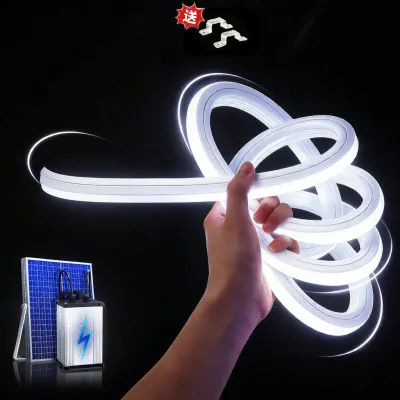
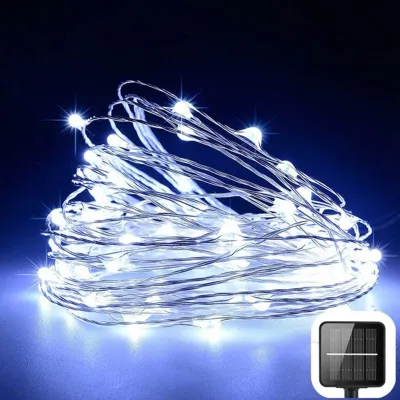
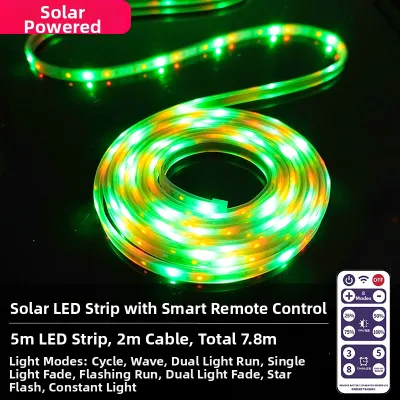
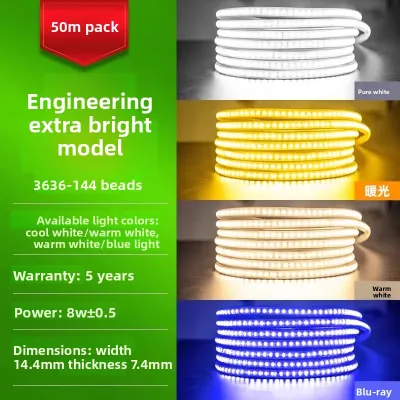
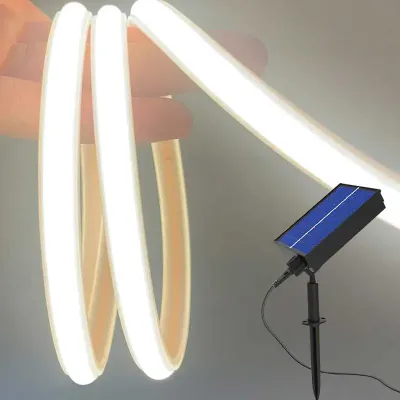
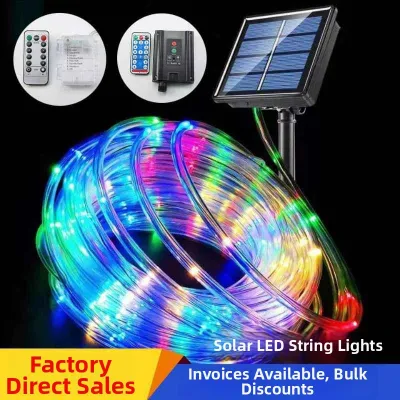
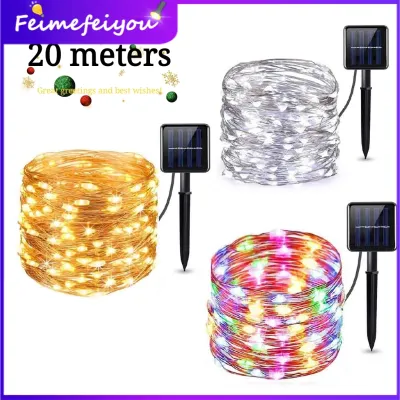
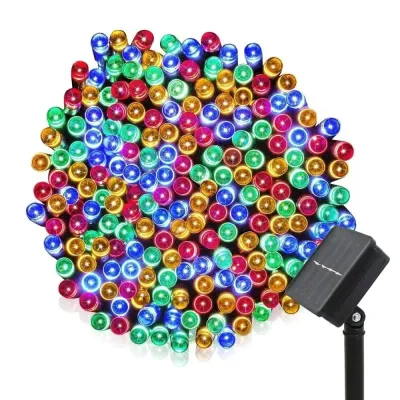
Prices are valid at publication and may change. Please refer to the product page for the latest price.
Beyond moisture, the physical durability of the strip’s adhesive backing is heavily challenged by the local climate. Standard double-sided adhesives supplied with generic strip lights quickly lose their tackiness when exposed to persistent moisture and high ambient temperatures. Within weeks, the adhesive degrades, causing the strip to sag, peel away from balcony railings, or fall off outdoor walls entirely.
Year-round intense ultraviolet (UV) radiation is another major factor that degrades low-quality outdoor lighting. The tropical sun emits high levels of UV rays daily, which rapidly break down low-grade plastics, PVC, or silicone casings. This exposure causes clear protective sleeves to turn yellow and cloudy, which drastically reduces light transmission. Furthermore, UV degradation makes the protective jackets brittle and prone to cracking, creating pathways for rainwater to seep directly into the electrical components.
Solar panels themselves are not immune to solar degradation. Cheap protective laminates on low-end panels can delaminate or cloud over after a few months of intense sun exposure, severely reducing their energy conversion efficiency. Once the panel’s surface is compromised, it can no longer generate enough power to charge the internal battery fully, leading to dim lights and short runtimes.
Finally, the urban architecture of Singapore introduces significant shading challenges. Whether you live in a high-rise HDB flat, a condominium, or a landed property, your outdoor spaces are often shaded by neighboring blocks, deep roof overhangs, or mature trees. Coupled with frequent overcast skies during the monsoon seasons, your solar panels must be exceptionally efficient to capture enough ambient light to charge the system during the day.
Key Specifications to Check Before Buying LED Strip Lighting Solar Setups
To navigate the vast array of options available on ecommerce platforms and in local lighting stores, you must look past vague marketing promises and scrutinize the technical specifications. Understanding these key metrics will help you choose a system that delivers reliable performance year after year.

IP Rating and Weather Resistance
The Ingress Protection (IP) rating is a two-digit code that defines a product’s resistance to solids and liquids. The first digit represents protection against dust and solid objects, while the second digit indicates water resistance. For outdoor installations in Singapore, verifying the IP rating of both the LED strip and the solar controller box is your first line of defense against premature failure.
An IP65 rating means the product is completely dust-tight and protected against low-pressure water jets from any direction. This rating is generally sufficient for semi-sheltered outdoor areas, such as under-awning installations, covered balconies, or patios. For fully exposed areas like garden pathways, flower beds, or open-air fences where water can pool during heavy downpours, look for an IP67 rating. IP67-rated products can withstand temporary immersion in water up to one meter deep, providing superior protection during torrential monsoon storms.
Never use indoor-rated strips (IP20) or lightly splash-resistant models (IP44) in fully exposed outdoor settings. While an IP44 light might survive a light drizzle under a deep roof, it will inevitably short-circuit during a typical Singaporean thunderstorm, posing a safety hazard and ruining your investment.
Solar Panel Efficiency and Battery Capacity
The heart of any solar lighting system is its ability to convert and store energy. Solar panels are generally divided into monocrystalline and polycrystalline types. Monocrystalline panels, recognizable by their uniform dark appearance, are made from high-purity silicon and offer the highest efficiency, typically converting 15% to 22% of sunlight into electricity. Polycrystalline panels are cheaper to produce but have lower efficiency, usually between 13% and 16%. Given Singapore’s frequent cloud cover and high-rise shading, investing in a monocrystalline panel is highly recommended to maximize power generation in limited daylight hours.
The battery housed within the solar controller stores the captured energy for nighttime use. Traditional Nickel-Metal Hydride (NiMH) or standard Lithium-ion (Li-ion) batteries degrade rapidly when subjected to the high ambient temperatures of Singapore’s outdoors. For superior longevity and safety, look for systems that utilize Lithium Iron Phosphate (LiFePO4) batteries. LiFePO4 chemistry offers excellent thermal stability, resists overheating, and can withstand over 2,000 charge-discharge cycles, compared to the 300 to 500 cycles typical of standard Li-ion batteries.
To ensure your lights stay illuminated throughout the evening, you must match the battery capacity (measured in milliampere-hours, or mAh) to the total wattage of the LED strip. A high-wattage strip paired with an undersized battery will drain the stored power within an hour or two. As a general rule, look for a battery capacity that provides at least 8 to 10 hours of runtime on a full charge to ensure consistent performance.
LED Chip Quality and Brightness
In low-voltage solar lighting, evaluating brightness requires looking at lumens rather than wattage. Lumens measure the actual light output, while wattage indicates power consumption. High-quality LED chips produce more lumens per watt, ensuring bright illumination without draining the battery prematurely. When reviewing product specifications, check the lumen output per meter to ensure the lights meet your functional or decorative needs.
Color temperature is another crucial consideration, though it is largely a matter of personal preference and spatial effect rather than a performance metric. Warm white light (2700K to 3000K) creates a cozy, relaxing atmosphere that is perfect for balcony dining or garden patios. Cool white light (5000K to 6500K) provides crisp, high-contrast visibility, making it ideal for security lighting, pathway safety, or highlighting architectural features. Some advanced systems offer RGB or color-changing options, allowing you to adjust the ambiance for parties or festive occasions.
LED density refers to the number of individual LED chips populated along each meter of the strip. Low-density strips (e.g., 30 LEDs per meter) create a distinct “dot” effect, resulting in uneven light distribution and visible dark spots. High-density strips (60 or more LEDs per meter) or modern Chip-on-Board (COB) solar strips distribute light evenly, delivering a continuous, premium glow that looks highly professional.
How to Evaluate Brand Reliability and Product Claims
Because the market for solar lighting is flooded with generic imports, learning how to separate reliable manufacturers from low-quality brands is essential. Applying a few verification steps before making a purchase will save you time, money, and frustration.
First, demand detailed specification sheets. Reputable brands will clearly state the exact LED chip model, battery chemistry, solar panel wattage, operating voltage, and dimming methods. If a brand relies heavily on vague buzzwords like “super bright,” “military-grade,” or “100% waterproof” without providing concrete technical specifications or certifications, it is best to look elsewhere.
Second, verify the manufacturer’s warranty terms. A reliable brand should offer at least a 12-month warranty that explicitly covers battery degradation, LED failure, and water ingress under normal outdoor operating conditions. Be sure to read the fine print, as some low-quality brands exclude water damage or battery capacity loss from their warranty coverage, claiming these are normal wear-and-tear occurrences.
Third, cross-reference user reviews on local online marketplaces and independent forums, paying close attention to feedback from buyers who have used the product for six months or longer. Look for comments specifically addressing how the lights survived the monsoon season, whether the casing yellowed under the sun, or if the battery’s runtime decreased significantly after a few months of use.
Finally, check for recognized safety and quality certifications. Although solar strip lights operate on low-voltage direct current (DC) and are generally safe, the components should still carry international certifications such as CE, RoHS, or FCC. If you choose a hybrid system that includes a mains-powered backup charger, ensure the power adapter carries the Enterprise Singapore Safety Mark to guarantee it complies with local electrical safety standards.
Installation and Placement Strategies for Local Homes
Proper installation is just as important as choosing the right product. To maximize the lifespan and performance of your solar LED strip lights, follow these practical placement and mounting strategies tailored for Singaporean homes.
Positioning the solar panel is the most critical step of the installation process. To achieve optimal charging, the panel must receive unobstructed, direct sunlight for at least 4 to 6 hours daily. In high-rise HDB flats or condominiums, this often means mounting the panel on the outermost edge of your balcony railing or using an adjustable bracket to angle the panel toward the open sky. Avoid placing the panel directly under deep roof overhangs, behind privacy screens, or in areas shaded by neighboring buildings or large trees.
When mounting the LED strip itself, avoid relying solely on the pre-applied adhesive backing, as Singapore’s heat and humidity will cause it to fail. Instead, secure the strip using outdoor-rated mounting clips, silicone mounting brackets, or UV-resistant zip ties. If you are wrapping the lights around balcony railings or garden fences, these mechanical fasteners will ensure the strip remains firmly in place without sagging over time.
Proper cable management is essential to prevent safety hazards and protect the system from damage. Secure the cable connecting the solar panel to the LED strip flat against walls or railings using outdoor-rated cable clips. Ensure that the cable does not run across walking paths where it could present a tripping hazard. Additionally, create a small “drip loop” in the cable just before it enters the solar controller or the LED strip; this simple loop forces rainwater to drip off the cable rather than running along it and pooling around the connection ports.
Before you begin drilling holes or modifying any exterior surfaces, you must verify local regulations and safety boundaries. If you live in an HDB flat or a condominium managed by a Managing Agent (MCST), consult your building’s guidelines or by-laws. Some estates prohibit drilling into exterior walls, altering building facades, or mounting items on common property. Always obtain the necessary approvals before starting your project. For complex installations, working at significant heights, or integrating hybrid systems with existing household wiring, always engage a qualified professional to ensure the work is completed safely and legally.
Maintenance and Troubleshooting in Humid Conditions
Regular maintenance is the key to extending the lifespan of your outdoor solar lighting system. By performing a few simple checks and cleaning routines, you can prevent common environmental issues and keep your lights shining brightly.
Establish a routine cleaning schedule for your solar panel. Over time, outdoor panels accumulate dust, airborne soot, pollen, and bird droppings, which block sunlight and drastically reduce charging efficiency. Every few weeks, wipe the surface of the panel with a soft, damp microfiber cloth and plain water. Avoid using abrasive scrubbers, steel wool, or harsh chemical cleaners, as these can scratch or degrade the protective laminate, permanently reducing the panel’s efficiency.
Regularly conduct a visual inspection of the entire system. Look closely at the LED strip’s protective sleeve for any signs of moisture ingress, such as internal condensation or fogging. Inspect the connection pins between the solar panel, battery box, and LED strip for signs of greenish copper corrosion. If you spot corrosion, turn off the power, disconnect the joints, gently clean the pins with a dry brush or electrical contact cleaner, and apply a small amount of dielectric grease to seal out future moisture before reconnecting.
If your lights begin to flicker, dim, or fail to turn on at dusk, follow a systematic troubleshooting process. First, verify that the solar panel is completely clean and has not been shaded by fast-growing garden plants or seasonal shifts in the sun’s path. Next, check that all cable connections are tight, dry, and securely plugged in. If the lights still fail to operate after a full day of unobstructed sunlight, the battery may have reached the end of its lifespan or suffered thermal damage.
If you observe a swollen battery casing, physical leaks, or severe internal corrosion within the solar controller box, stop using the system immediately. Do not attempt to puncture, open, or repair a damaged lithium battery, as this poses a serious fire and chemical hazard. Safely disconnect the system, remove the damaged components, and dispose of them at an authorized e-waste recycling point in Singapore to protect the environment and ensure safety.
Frequently Asked Questions (FAQ)
Can solar LED strip lights work during Singapore's monsoon season?
Yes, solar LED strip lights will continue to function during the monsoon season, but their runtime and overall brightness will likely decrease. Because solar panels rely on light intensity rather than heat, they can still harvest energy on cloudy or rainy days, though at a significantly reduced rate. During prolonged periods of heavy overcast skies, the battery may not receive a full charge, resulting in shorter operating hours at night.
To ensure reliable lighting during the monsoon season, look for systems that feature high-efficiency monocrystalline solar panels and larger battery capacities, which can store several days’ worth of reserve power. Alternatively, consider hybrid solar strip lights that offer a dual-charging option. These models allow you to detach the solar controller and charge it indoors via a USB port or mains adapter during consecutive rainy days, ensuring your outdoor lights remain bright regardless of the weather.
Do I need an electrician to install outdoor solar strip lights?
For standard, standalone solar LED strip light kits, you do not need to hire a licensed electrician. These systems operate on low-voltage direct current (typically 3V to 12V) generated entirely by the solar panel and stored in the integrated battery. Because they do not connect to your home’s main electrical grid, they are completely safe for DIY installation, posing no risk of dangerous electrical shocks.
However, if your lighting project involves integrating the solar system with your home’s existing fixed mains wiring, installing smart home automation switches that connect to the main distribution board, or mounting panels in high, hard-to-reach areas requiring work at height, you must consult a qualified professional. A licensed electrician will ensure that any electrical connections comply with local safety standards, preventing potential wiring hazards, maintaining your home’s insurance coverage, and protecting product warranties.

Community discussion
Share your experience or ask a question. Comments are reviewed before publication.