
When searching for the most energy-efficient LED grow light for your indoor garden, looking at the brand name alone will not give you the full picture. Energy efficiency in horticultural lighting is determined by specific engineering metrics, component quality, and how well the fixture’s output matches your plants’ biological needs. No single brand universally dominates the market in efficiency across every growth stage and setup.
To identify the most efficient option, you must evaluate the Photosynthetic Photon Efficacy (PPE) of individual models, which measures how much usable light a fixture produces per watt of electricity consumed. The ideal choice requires balancing this electrical efficiency with the correct light spectrum and coverage area for your specific indoor plants. By focusing on verified technical specifications rather than marketing claims, you can minimize your electricity bills while maximizing plant health.
Core Metrics for Comparing LED Grow Light Efficiency
Understanding the technical specifications on a product label is the first step toward making an energy-efficient purchase. The most critical metric to look for is Photosynthetic Photon Efficacy (PPE), which is expressed in micromoles per joule (µmol/J). This value tells you how efficiently a fixture converts electrical energy into photosynthetically active radiation (PAR) that plants use for photosynthesis. High-efficiency modern fixtures typically feature PPE ratings between 2.2 µmol/J and 2.8 µmol/J or higher, meaning they deliver more usable light per watt of power drawn from the wall.
Products mentioned in this guide
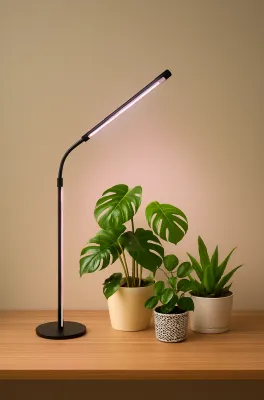
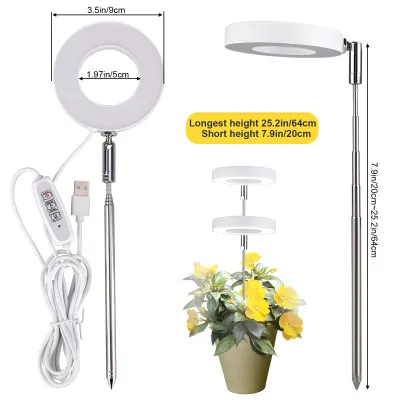
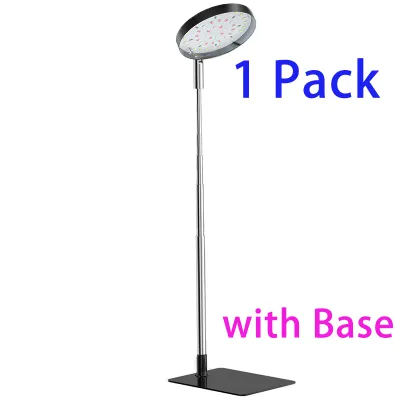
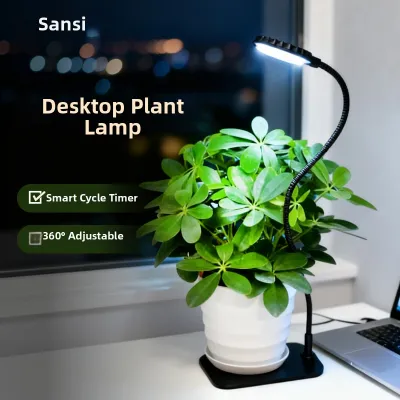
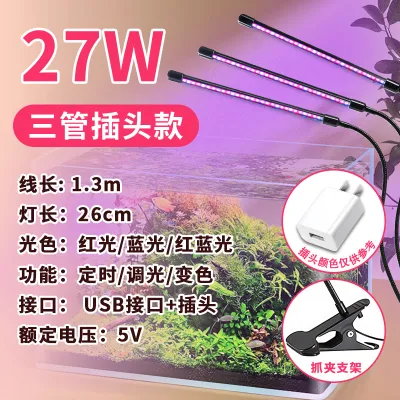
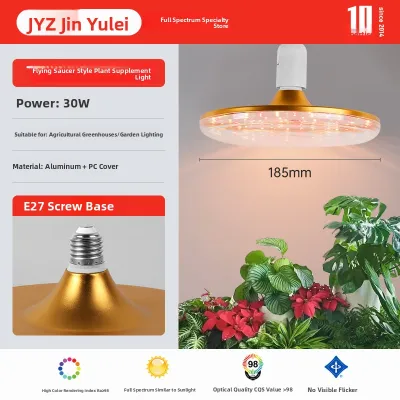
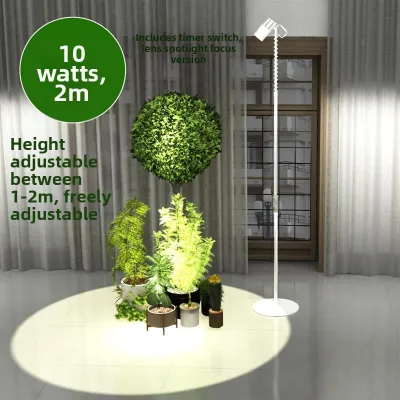
Prices are valid at publication and may change. Please refer to the product page for the latest price.
Another essential factor is the distinction between actual wattage draw and coverage area. Manufacturers often list a coverage footprint, such as a 2×2 feet or 3×3 feet canopy area, alongside the power consumption. To evaluate efficiency, calculate the actual watts consumed per square foot of coverage. A highly efficient light will evenly distribute intense light across its designated footprint without requiring excessive power, preventing dark spots at the edges of your plant shelf or grow tent.
Spectrum efficiency also plays a major role in overall energy consumption. Full-spectrum white LEDs, which utilize blue LED chips coated with broad-emission phosphors, are highly efficient for general houseplant care. They provide a balanced mix of wavelengths that mimic natural sunlight, supporting both vegetative growth and flowering. While narrow-band “blurple” (blue and red) lights target specific photosynthetic peaks, modern full-spectrum white LEDs generally offer a more versatile energy-to-growth ratio and are significantly easier on human eyes in shared residential living spaces.
Finally, the efficiency of the internal power supply, or driver, dictates how much electricity is lost as waste heat. High-quality drivers convert alternating current (AC) from your wall outlet into the direct current (DC) required by LED diodes with minimal energy loss. Look for fixtures equipped with reputable, high-efficiency drivers that boast efficiency ratings above 90%. A superior driver not only lowers your overall power consumption but also extends the lifespan of the LED diodes by maintaining stable electrical currents.
How to Verify Brand Specifications and Efficiency Claims
Navigating the marketing claims of different brands requires a critical eye for verified data. Many brands advertise a high “equivalent wattage” (such as “1000W equivalent”) to make their products seem more powerful than they are. This equivalent rating is often a misleading comparison to older, highly inefficient lighting technologies like high-intensity discharge (HID) lamps. Always locate the “actual power draw” or “wall draw” in the technical specifications to understand exactly how much electricity the fixture will consume.

In Singapore, verifying electrical safety and compliance is a crucial step before installing any lighting fixture. Look for power adapters and drivers that carry the Safety Mark, which indicates the product has been tested and certified for safe use on the local 230V/50Hz electrical grid. International certifications such as CE, UL, ETL, and RoHS also provide assurance that the fixture meets rigorous safety, performance, and environmental standards. Avoid unbranded or generic lights that lack these clear certification marks, as they pose higher risks of electrical failure or overheating.
Be cautious of vague marketing terms like “maximum output” or “ultra-energy-saving” when they are not accompanied by concrete data. Reputable brands will openly publish comprehensive PPFD (Photosynthetic Photon Flux Density) maps, which show the exact intensity of light distributed across a specific grid at various hanging heights. If a brand does not provide a PPFD map or a verified PPE rating, it is difficult to confirm its true efficiency, and you may end up wasting electricity on a light that fails to deliver sufficient energy to your plants.
Matching Light Output to Plant Needs to Prevent Energy Waste
Even the most efficient LED grow light will waste energy if its output is poorly matched to your plants’ requirements. Indoor plants generally fall into different light-requirement categories. Low-light foliage plants, such as pothos, snake plants, and peace lilies, thrive under lower light intensities. Using a high-wattage, high-intensity flowering light for these species is unnecessary and wastes electricity. Conversely, light-hungry plants like succulents, herbs, and fruiting vegetables require intense, high-output lighting to prevent weak, leggy growth.
To optimize energy use, look for brands that offer built-in dimming capabilities, such as 0-10V or PWM dimming knobs. Dimmable fixtures allow you to adjust the light intensity based on the plant’s growth stage, using lower power during the seedling or vegetative phases and increasing it only when plants require maximum energy for flowering or fruiting. Additionally, features like daisy-chaining allow you to link multiple light fixtures together and control them from a single power source, simplifying your cable management and reducing the need for multiple wall outlets.
Heat management is another critical factor that directly impacts your household energy bills, especially in Singapore’s warm, tropical climate. Inefficient grow lights emit substantial heat, which can raise the ambient temperature of your room and force your home air conditioning system to work harder to maintain a comfortable environment. Efficient LEDs utilize passive cooling systems, such as thick aluminum heat sinks, to dissipate heat away from the diodes without the need for noisy, power-consuming cooling fans. Keeping operating temperatures low protects your plants from heat stress and keeps your overall cooling costs manageable.
For any installation involving suspended loads, damp environments, or fixed electrical wiring, safety must be your top priority. Always isolate the power supply before mounting or adjusting your fixtures. Follow the manufacturer’s installation instructions carefully to ensure brackets and suspension cables are rated for the weight of the light. If your setup requires fixed wiring or integration into damp, high-humidity misting areas, consult a qualified professional to ensure compliance with local electrical safety standards.
Decision Framework: Choosing the Right Efficiency Profile
To select the most energy-efficient setup for your home, use this structured decision framework based on your specific growing environment and plant collection:
- For Mixed Foliage Plants in Living Spaces: Choose a full-spectrum white LED fixture with a PPE rating of 2.2 µmol/J or higher. Opt for a design that blends naturally with your home decor and features passive cooling to keep operation completely silent.
- For Light-Hungry Plants in Enclosed Areas: Select a high-intensity, bar-style or quantum board LED fixture with a PPE rating of 2.5 µmol/J or above. Ensure the model features a dimming knob and a detachable driver that can be mounted outside your grow tent to minimize heat buildup inside the enclosure.
- For Automated Energy Management: Choose smart-enabled grow lights or pair your efficient fixtures with an external smart plug. This allows you to program precise daily schedules (such as 12 to 16 hours of light) to prevent lights from running unnecessarily overnight.
- Before Making a Purchase: Always verify that the fixture's input voltage is compatible with Singapore's 230V system, check for the Safety Mark on the power adapter, and confirm that the physical dimensions fit your shelving or mounting space.
Frequently Asked Questions (FAQ)
Do LED grow lights significantly increase my electricity bill?
LED grow lights are highly efficient compared to older lighting technologies, but their impact on your electricity bill depends on their wattage and daily usage. You can easily estimate your monthly running cost using a simple formula:
Monthly Cost = (Actual Wattage × Daily Hours × 30 Days / 1000) × Electricity Tariff
For example, if you run a highly efficient 100W actual draw LED grow light for 12 hours a day, it will consume 36 kWh of electricity over a 30-day month. At a local electricity tariff of S$0.32 per kWh, this operating cost is approximately S$11.52 per month. This is significantly cheaper than running older fluorescent or HID systems, which require much higher wattages to deliver the same amount of usable plant light.
Is a higher wattage LED grow light always more energy-efficient?
No, a higher wattage does not mean a light is more energy-efficient. Wattage simply measures the amount of electrical power a fixture consumes from the wall, not the amount of usable light it delivers to your plants.
An inefficiently designed 150W grow light with low-quality diodes and a poor driver may produce less usable light than a highly engineered 100W fixture equipped with top-tier diodes and a high PPE rating. When comparing brands, always look at the PPE rating (µmol/J) and the PPFD map rather than relying solely on wattage to judge performance. Your goal should be to find a fixture that delivers the precise light intensity your canopy needs while drawing the fewest possible watts.
Can I use regular smart LED bulbs instead of dedicated grow lights to save energy?
While you can use standard household smart LED bulbs for low-light plants, they are not an energy-efficient solution for long-term plant growth. Standard household bulbs are designed to appeal to human vision, which peaks in green and yellow wavelengths. Plants, however, require targeted blue and red wavelengths to drive photosynthesis effectively.
Standard smart bulbs lack the specialized spectrum and the high light intensity (PAR) required to support robust plant development, flowering, or fruiting. If you attempt to use regular household bulbs for light-hungry plants, you will likely need to run multiple bulbs close to the canopy for extended hours, which ultimately consumes more energy than a single, dedicated horticultural LED grow light designed specifically for plant synthesis.
Community discussion
Share your experience or ask a question. Comments are reviewed before publication.