
When designing home lighting layouts, integrating a versatile 3m lamp alternative, such as adhesive-backed LED strips or flexible fairy lights, offers a space-saving way to illuminate tight corners. Traditional lamps require dedicated floor or table space, which can be scarce in modern Singapore apartments. By utilizing flexible, adhesive-mounted lighting solutions, you can achieve sophisticated ambient glow, accent structural features, or add festive sparkle without the clutter of extra furniture. Choosing the right product requires matching your specific decorative goals with the correct light source, length, and adhesive backing.
Selecting the ideal setup involves evaluating where the lights will be installed, how they will be powered, and whether the installation needs to be temporary or permanent. Renters, for instance, must prioritize damage-free removal, while homeowners planning outdoor patio lighting must focus on weather resistance and durable adhesion. Understanding these variables ensures your decorative lighting remains secure, safe, and visually stunning for years to come.
Quick Selection Matrix for 3M Lamp and Strip Solutions
To simplify your decision-making process, it is helpful to categorize your lighting goals. While traditional lighting fixtures are static, adhesive-backed options can be customized to fit almost any surface. The term “3m lamp” represents a modern shift toward these integrated, low-profile light sources that rely on high-quality adhesives for mounting. Depending on whether you want a soft, whimsical sparkle or a clean, continuous line of light, you will lean toward either delicate fairy lights or structured LED strips.
Products mentioned in this guide
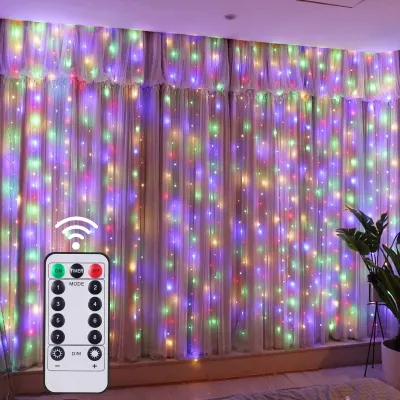
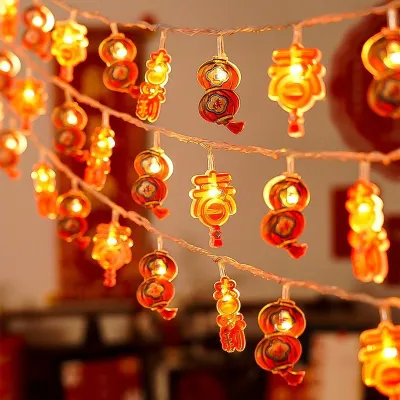
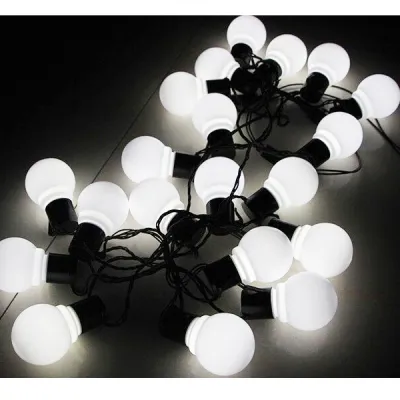
Prices are valid at publication and may change. Please refer to the product page for the latest price.
The choice of adhesive is just as critical as the light itself. Using the wrong adhesive can lead to falling lights or ruined wall paint. For temporary displays, seasonal decorations, or rental properties, removable adhesives are the standard. For permanent installations on hard, non-porous surfaces, high-strength bonding tapes are more appropriate.
The following matrix maps common home decoration scenarios to the recommended lighting types and their corresponding adhesive requirements:
| Decor Goal | Recommended Light Type | Ideal 3M Adhesive Type | Power Source Options | Key Environmental Consideration |
|---|---|---|---|---|
| Cozy Bedroom Ambiance | Micro LED Fairy Lights | Command Decorating Clips | USB or Battery Pack | Low heat output, dry indoor surface |
| Under-Cabinet Task Lighting | High-Density LED Strips | Double-Sided VHB Tape | Wall Plug (DC Adapter) | Steam and grease resistance in kitchens |
| Patio & Balcony Accents | Weatherproof String Lights | Command Outdoor Clips | Weatherproof AC Outlet | UV exposure and high tropical humidity |
| Bookshelf & Shelf Highlighting | Flexible LED Strips | Standard Adhesive Backing | USB Power Bank or Plug | Low profile, hidden wire routing |
Recommended 3M Lighting Setups by Decor Scenario
Indoor Ambient and Accent Setups
Indoor spaces benefit immensely from subtle, indirect lighting that softens the harshness of overhead fixtures. For bedrooms, living rooms, and cozy reading nooks, low-voltage LED fairy lights or flexible LED strips are highly effective. These options emit minimal heat, making them safe to drape over wooden headboards, weave through indoor plants, or mount directly behind television screens as bias lighting. When lighting indoor foliage, low-temperature copper wire fairy lights are particularly suitable because they do not dry out or damage delicate leaves.

Mounting these lights indoors requires careful surface consideration to prevent paint damage. Removable clips or adhesive pads are designed specifically for painted drywall, glass, wood, and finished furniture. These clips hold the thin wires of fairy lights securely in place without requiring nails or screws. For linear LED strips, which are heavier than copper wire lights, wider adhesive backing strips provide the necessary surface area contact to keep the installation flush and neat.
Color temperature plays a pivotal role in setting the mood of an indoor space. Warm white lights, typically ranging from 2700K to 3000K, mimic the gentle glow of candlelight and are ideal for promoting relaxation in bedrooms and living areas. Conversely, cool white lights, ranging from 4000K to 6000K, provide crisp, high-contrast illumination that is better suited for task-oriented zones like study desks, kitchen countertops, or vanity mirrors. Selecting the correct length is equally vital; measuring the perimeter of the target area beforehand prevents unsightly overlapping or leaving awkward unlit gaps.
While battery-operated fairy lights offer unmatched placement flexibility because they do not require a nearby wall outlet, they do have practical limitations. Battery packs typically deliver lower overall brightness compared to USB or mains-powered alternatives, and the light output will gradually dim as the batteries drain. Furthermore, you must plan your installation so that the battery compartment remains easily accessible for routine battery replacements. For high-use areas, USB-powered or plug-in models are generally more sustainable and provide consistent, reliable brightness.
Outdoor and Weather-Resistant Setups
Decorating outdoor spaces like balconies, patios, and garden pathways requires a completely different class of equipment. Before installing any lighting product outdoors, you must verify its Ingress Protection (IP) rating. The IP rating indicates how well the product seals against solids and liquids. Standard indoor lights will fail rapidly when exposed to the elements, presenting electrical hazards and structural degradation. Outdoor setups require robust materials designed to endure the challenging tropical climate of Singapore, characterized by intense sun, heavy rainfall, and persistent humidity.
Adhesive performance also changes drastically in outdoor environments. Standard indoor adhesives use rubber-based compounds that soften and lose grip when exposed to heat and moisture. Outdoor-rated mounting solutions utilize acrylic-based adhesives designed to withstand UV radiation, temperature fluctuations, and direct water exposure. These specialized outdoor clips and tapes maintain their bond on rougher exterior surfaces like brick, concrete, and treated wood, provided the surface is cleaned thoroughly before application.
Power safety is the most critical factor when running outdoor electrical setups. Even if the fairy lights or LED strips themselves are rated for outdoor use, the power adapters, controllers, and wall plugs often are not. All transformers and plugs must be plugged into specialized weatherproof outdoor outlets with protective covers, or housed inside IP-rated weather-resistant junction boxes. Running extension cords across exposed ground should be avoided to prevent tripping hazards and water ingress.
Never attempt to use non-weatherproof fairy lights or LED strips in exposed outdoor areas, even if you plan to use heavy-duty outdoor tape to secure them. Moisture will penetrate the non-sealed wire connections, leading to short circuits, corrosion, and potential electrical fires. Investing in dedicated outdoor-rated lighting systems ensures safety, longevity, and peace of mind during heavy monsoon downpours.
Critical Specifications to Check Before Buying
Before purchasing any decorative lighting product, verifying the electrical specifications is essential to ensure compatibility with local infrastructure. In Singapore, the standard domestic electricity supply is 230V AC at a frequency of 50Hz, utilizing Type G three-pin plugs. If you are purchasing lighting kits online, verify that the included power adapter is designed for this input voltage and carries the appropriate safety certifications, such as the local Safety Mark. Using non-compliant adapters can lead to overheating, electrical hum, or premature product failure.
Understanding how to read IP ratings will prevent you from using under-specified products in vulnerable areas. An IP rating consists of two digits: the first measures protection against solid objects (0 to 6), and the second measures protection against liquids (0 to 9). For instance, an IP44 rating indicates protection against solid objects larger than 1mm and splashing water from any direction, making it suitable for sheltered balconies. For fully exposed outdoor areas, look for IP65 (protection against water jets) or IP67 (protection against temporary immersion) to ensure long-term durability.
Different adhesive technologies serve distinct purposes, and matching the adhesive to your surface is vital. Removable silicone-based adhesives are engineered to release cleanly when stretched, making them perfect for temporary holiday displays or rental homes where wall damage must be avoided. On the other hand, acrylic-based foam tapes are designed for permanent, high-strength bonding. These permanent tapes conform to surface irregularities and create an incredibly strong seal, but they will likely strip paint or damage drywall if you attempt to remove them later.
| Adhesive Type | Primary Compound | Best For | Removal Method | Damage Risk to Drywall |
|---|---|---|---|---|
| Removable Strips | Stretch-release silicone/rubber | Temporary decor, rentals, painted walls | Pulling tab parallel to wall | Extremely low (when pulled correctly) |
| High-Strength Foam Tape | Viscoelastic acrylic foam | Permanent fixtures, metal, glass, tile | Mechanical scraping, heat, solvents | High (will peel paint and drywall) |
Weight capacity is another technical detail that is frequently overlooked. Every adhesive clip or mounting bracket has a maximum load limit specified by the manufacturer. While a single fairy light wire is incredibly light, the cumulative weight of a long strand, especially when subjected to wind outdoors, can exceed the capacity of a few poorly spaced clips. Spacing your mounting clips closely—typically every 30 to 50 centimeters—distributes the weight evenly and prevents the entire strand from cascading down.
Finally, always distinguish between the “lighted length” and the “total cord length” listed on product packaging. The total length includes the unlit lead cable that runs from the plug or battery pack to the very first LED bulb. If you only measure your space based on the total length, you may find yourself with a meter or two of unlit wire at the start of your display, leaving your target area partially dark. Always check the specifications to confirm that the active, illuminated portion of the string matches your layout requirements.
Damage-Free Installation and Safe Removal Guide
Achieving a flawless, long-lasting installation starts with meticulous surface preparation. Adhesives require direct contact with the substrate at a microscopic level to form a strong bond. Dust, grease, moisture, and household oils create a barrier that prevents the adhesive from sticking properly. Clean the target surface thoroughly using isopropyl alcohol (rubbing alcohol) and a clean microfiber cloth. Avoid using household glass cleaners or detergent sprays, as they often leave behind a thin, slippery residue that compromises the adhesive bond.
Once the surface is clean, allow it to dry completely. If you are working in a highly humid environment, using a dry cloth or a hairdryer on a cool setting can help ensure no microscopic moisture layer remains. Do not apply adhesive strips to freshly painted walls; paint requires a significant curing period—typically at least 28 days—before it is stable enough to support adhesives without peeling off when removed. Textured surfaces, delicate wallpapers, and brick walls are also generally unsuitable for standard removable adhesives, as they do not allow for flat, uniform contact.
When applying the adhesive, press the strip firmly against the surface for at least 30 seconds. This pressure activates the pressure-sensitive adhesive, forcing it into the tiny imperfections of the surface to maximize grip. Once applied, do not immediately hang the lights or apply weight. Most manufacturers recommend a curing time of at least one hour for temporary strips, and up to 72 hours for heavy-duty permanent tapes, to allow the adhesive bond to reach its maximum strength.
To remove temporary adhesive strips without damaging your walls, you must follow the correct stretch-release technique. Never pull the strip outward or peel it off like a sticker, as this concentrates the force on a single point and will tear the paint or drywall. Instead, hold the plastic hook or clip gently in place, grab the exposed release tab, and slowly stretch the strip straight down, keeping your hand flat against the wall. Stretch the tape parallel to the surface for up to 30 centimeters; this stretching action causes the adhesive polymer to release its grip cleanly, leaving no residue behind.
While low-voltage, plug-and-play decorative lighting is safe for DIY installation, certain scenarios require professional expertise. If your lighting project involves hardwiring fixtures directly into your home’s electrical panel, modifying fixed electrical circuits, running cables through solid concrete walls, or mounting heavy structural light installations in high, damp, or complex areas, you must stop and consult a licensed electrical worker. Prioritizing safety ensures your beautiful lighting design is both compliant with local building codes and completely safe for your household.
Frequently Asked Questions (FAQ)
Can I use indoor 3M fairy lights outside?
No, you should never use indoor-rated lights in outdoor environments. Indoor fairy lights lack the necessary IP (Ingress Protection) ratings required to keep out moisture, dust, and rain. When exposed to the elements, water can easily penetrate the unsealed wire connections and battery compartments, leading to immediate electrical shorts, corrosion, and premature product failure. Additionally, indoor adhesives will degrade rapidly under solar UV radiation and high humidity, causing the lights to fall.
How do I remove 3M adhesive from painted walls safely?
To remove stubborn adhesive without damaging the paint, use a hairdryer set to low heat to gently warm the adhesive backing. The heat softens the adhesive polymers, making them pliable. Once warmed, slowly peel the adhesive away from the surface, starting from one corner. If any sticky residue remains on the wall, apply a small amount of isopropyl alcohol to a clean cloth and gently wipe the area. Always perform a discreet spot test in an inconspicuous corner first to ensure the alcohol does not discolor or dissolve your specific wall paint.
Do 3M LED strips need a specific power adapter?
Yes, LED strips require a compatible power adapter or LED driver that matches the specific voltage and wattage requirements of the strip. Most consumer LED strips operate on 12V or 24V direct current (DC). Connecting a strip directly to a higher voltage source will permanently damage the LEDs and poses a severe fire hazard. Always calculate the total wattage of your connected strips and ensure your power adapter has a wattage rating at least 20% higher than the total load to prevent overloading and overheating.
Community discussion
Share your experience or ask a question. Comments are reviewed before publication.