
Selecting the right 7th month prayer pack for your home rituals requires a thoughtful balance between honoring tradition and managing the practical realities of your living space. In Singapore, where high-rise apartments and close-quarters living are common, choosing a pack is not merely about finding the largest or most elaborate set. Instead, a successful selection depends on evaluating your available ventilation, matching the incense formats to your household’s safety needs, and ensuring the burner materials can handle the thermal demands of the ritual. By focusing on these practical dimensions, you can maintain a respectful, safe, and meaningful observance throughout the Seventh Lunar Month.
Understanding Your Ritual Space and Observance Needs
Before purchasing any prayer pack, assess where the rituals will take place. If you live in an apartment, indoor burning requires careful planning. High ceilings and active cross-ventilation are essential to prevent smoke from accumulating and triggering smoke detectors or causing discomfort. If your home lacks strong airflow, look for packs that feature low-smoke incense options rather than traditional heavy-smoke varieties.
Outdoor spaces, such as designated estate burners or private balconies, offer more ventilation but present other challenges. Wind can scatter ash and embers, meaning you will need heavier, wind-resistant burners with deep ash wells. Understanding the physical limits of your designated burning area prevents safety hazards and keeps your living environment clean.
Products mentioned in this guide
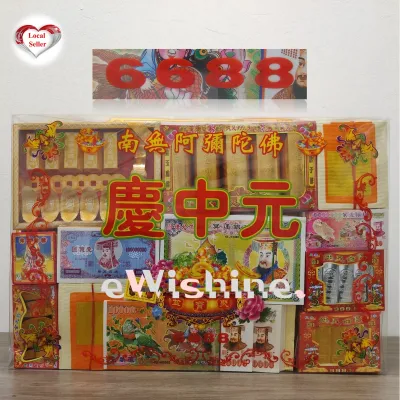
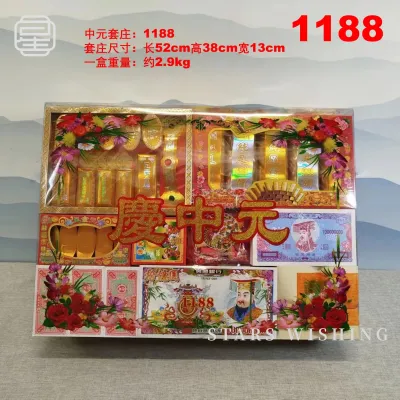
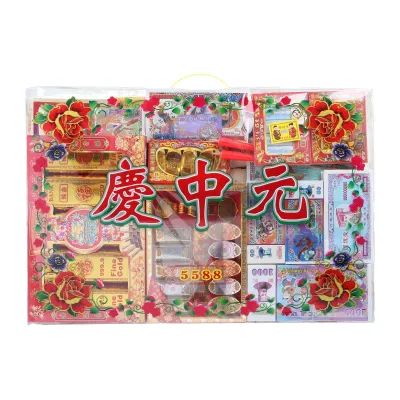
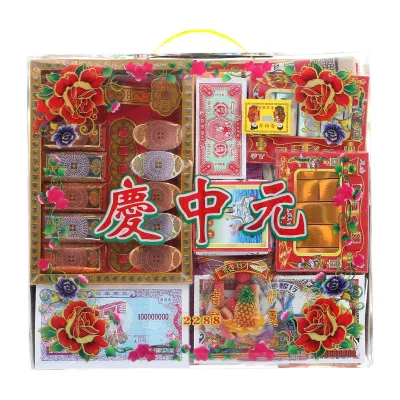
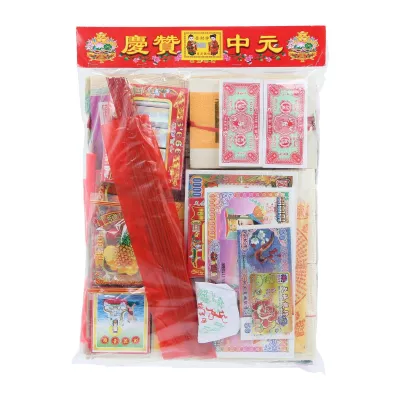
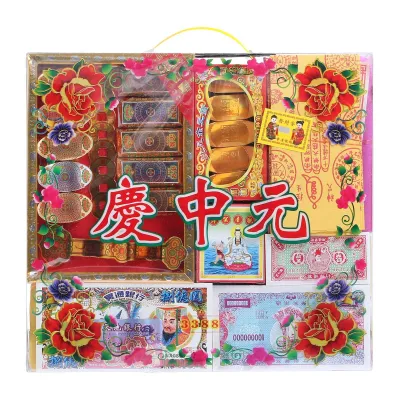
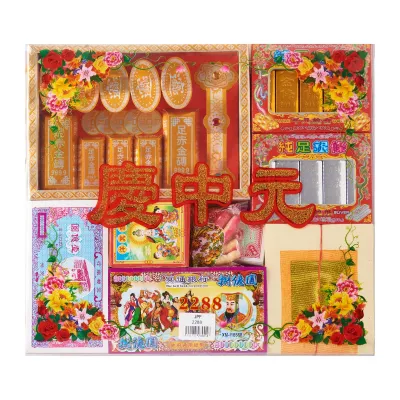
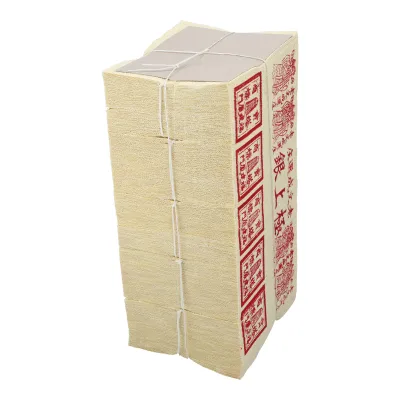
Prices are valid at publication and may change. Please refer to the product page for the latest price.
Next, distinguish between your daily maintenance offerings and the requirements of peak festival days. The 7th month involves daily prayers that typically require only a few incense sticks and small candles. However, key dates like the first, fifteenth, and last days of the month often call for more elaborate setups. Choosing a modular pack or purchasing a base set with separate add-ons ensures you have the right volume of materials for both routine and major observances.
Finally, consider the specific needs of your household members. If you share your home with young children, curious pets, or individuals with respiratory sensitivities like asthma, your choice of prayer pack must prioritize safety and air quality. Opting for shorter incense sticks, natural unscented options, or smaller candles can significantly reduce indoor air irritation while still allowing you to carry out your traditions respectfully.
Evaluating Incense and Burner Types for Your Setup
The type of incense included in your prayer pack directly dictates the burn time, smoke volume, and cleanup effort required. Traditional stick incense is highly common and versatile, producing a linear ash trail that requires a long, rectangular holder to catch debris. Sticks are ideal for quick daily rituals as they burn out relatively fast, making them easier to monitor from start to finish.

Coil incense offers a much longer, continuous burn time, often lasting several hours. This format is excellent for sustained observances but generates a continuous stream of smoke and a spiral ash pattern. To burn coils safely, your pack must include a specialized circular burner equipped with a non-flammable support, such as a metal rack or fireproof felt pad, to prevent the hot coil from contacting the burner base directly.
Cone incense provides a rapid, concentrated burn with a compact ash footprint. Because cones burn down to their very base, they transfer a significant amount of localized heat to the surface beneath them. If your pack features cones, ensure the burner has a thick, heat-resistant base or sits on an insulated tile to protect your furniture from scorch marks.
Evaluating the burner material is just as critical as choosing the incense. Ceramic burners are highly favored for their excellent thermal resistance and substantial weight, which prevents accidental tipping. While they are highly stable, they can crack if dropped on hard tile floors, so they require careful handling during cleaning.
Brass burners offer exceptional durability and a classic aesthetic that fits traditional setups. However, brass is a highly conductive metal that heats up rapidly during use. If you select a brass burner, always place a heat-resistant coaster or stone trivet underneath it to shield your tabletop from thermal damage.
Heat-treated wood burners, often designed as boxes with magnetic lids, provide a clean, enclosed burning environment for stick or coil incense. These burners typically feature a fireproof fabric lining that allows the incense to burn horizontally. While convenient, you must regularly inspect the inner lining for wear and tear, and never use them with open flames or charcoal disks that exceed the manufacturer’s safety ratings.
Comparing Pack Contents and Budget Considerations
Prayer packs come in various configurations, ranging from basic starter kits to comprehensive, multi-item bundles. When comparing options, look closely at the ratio of essential items—like incense sticks, coils, burners, and candles—to supplementary decorative pieces. A pack filled with excessive decorative items may seem like a good value but can result in unnecessary clutter if those items do not align with your specific ritual practices.
To find the true value of a pack, calculate the cost-per-use rather than focusing solely on the upfront price in S$. For instance, a basic pack priced at S$15 might seem economical, but if it contains fast-burning, low-quality incense that requires frequent replacement, it may cost more over the month than a S$35 premium pack. Look for packs that specify the quantity and estimated burn times of their contents to make an accurate financial comparison.
Many suppliers offer modular or customizable prayer packs, which are highly beneficial if you have specific preferences. If you already own a high-quality, durable burner, purchasing a pack that only contains consumable refills (incense and candles) is far more cost-effective than buying a complete kit that includes a new burner every year. Customizing your purchase allows you to allocate your budget toward higher-quality consumables that burn cleaner and last longer.
Safety Guidelines and Space Management for Home Observance
Safe space management is the most critical aspect of conducting home rituals during the 7th month. Always maintain a clear safety zone around your burning station. Ensure there is at least one meter of clearance from flammable materials such as curtains, paper decorations, tablecloths, and low-hanging shelves. Drafts from open windows can blow lightweight fabrics into open flames, so position your setup away from direct air currents while maintaining general room ventilation.
Establish a strict protocol for unattended burning. Never leave candles or incense burning when you leave the room or go to sleep. If you must step away, extinguish the flame or ember completely. Ensure all burners are placed on flat, stable, non-combustible surfaces, such as a metal tray or a ceramic tile, to catch any stray sparks or falling ash.
Proper ash disposal is essential to prevent accidental fires. Incense ash can retain heat long after the ember appears to be extinguished. Allow the ash to cool completely inside the burner for several hours, or lightly mist it with water, before transferring it to a trash bin. Never dump warm ash directly into plastic bags or garbage chutes.
Always read the manufacturer’s labels and product instructions included with your prayer pack. These labels provide crucial information regarding maximum burn times, weight limits for burners, and specific safety warnings. Regularly inspect your burners for structural damage; if you notice any cracks, deep chips, or discoloration from thermal stress, discontinue use immediately and replace the item to ensure a safe observance.
Frequently Asked Questions (FAQ)
How should I store leftover incense and candles after the 7th month?
To preserve the quality and safety of your leftover ritual items, store them in a cool, dry environment away from moisture. High humidity can cause incense sticks and coils to absorb dampness, making them difficult to light or causing them to burn unevenly and produce excess smoke. Placing them in airtight plastic containers or resealable bags with silica gel packets will keep them dry and ready for future use.
Keep your candles and incense away from direct sunlight and high-temperature areas, such as near windows or appliances. Excessive heat can warp or melt wax candles, causing them to lose their shape or pool unevenly when lit. Sunlight can also degrade the essential oils and fragrances in your incense, reducing their aromatic quality over time.
Can I use a regular decorative incense burner for 7th month rituals?
While decorative incense burners are excellent for short-term aromatherapy, they are often not designed to handle the rigorous demands of 7th month rituals. Ritual observances frequently involve burning multiple incense sticks simultaneously or using long-burning coils that generate sustained, high temperatures over several hours. Decorative holders made of thin glass, delicate ceramic, or unrated metals may crack, warp, or transfer dangerous levels of heat to your furniture under these conditions.
Additionally, decorative burners often lack the necessary ash-catching capacity required for larger ritual offerings. Overflowing ash can spill onto surrounding surfaces, creating a cleanup hassle and a potential fire hazard. Before repurposing any decorative burner, consult the manufacturer’s specifications to ensure it is rated for continuous, high-heat ritual use, or opt for a dedicated, heavy-duty ritual burner included in your prayer pack.
Community discussion
Share your experience or ask a question. Comments are reviewed before publication.