
Finding the perfect scent for your living space is more than just a matter of picking a pleasant fragrance from a store shelf. To choose the ideal airwick diffuser refill, you must consider how different scent notes interact with your daily activities, the unique layout of your rooms, and the environmental conditions of your home. A fragrance that feels light and refreshing in a spacious, air-conditioned living room might become overwhelmingly intense in a small, humid bathroom or a naturally ventilated bedroom. By understanding the core scent families, matching them to specific room functions, and adjusting for local climate conditions, you can create a cohesive and welcoming sensory experience throughout your home. Scent-scaping, the practice of using different fragrances to define and enhance various areas of a household, has become an essential aspect of interior styling, allowing you to influence mood, productivity, and relaxation through thoughtful olfactory design.
Airwick Diffuser Refill Scent Families: A Quick Comparison
To begin your scent-scaping journey, it is helpful to understand the four primary scent families that categorize most home fragrance options: Floral, Fresh/Citrus, Woody/Earthy, and Sweet/Gourmand. Each family possesses distinct characteristics that influence how a room feels and how our minds perceive the space.
- Floral: Dominated by notes of lavender, rose, jasmine, and cherry blossom, offering an elegant, romantic, and classic atmosphere. These scents can range from light, powdery blossoms that evoke spring to deep, rich floral bouquets that make a bold statement. For example, a lavender-based refill is excellent for winding down, whereas a vibrant cherry blossom or white jasmine blend can provide an uplifting, elegant touch to a formal dining room or foyer.
- Fresh/Citrus: Features bright, uplifting notes of lemon, orange, grapefruit, clean linen, and crisp aquatic accords. These profiles are highly energizing, making them excellent for revitalizing stagnant air and promoting mental clarity. These are often formulated with ozonic or marine notes that mimic the smell of sea breezes or mountain air, which physically lightens the sensory load of a room.
- Woody/Earthy: Provides a grounding, sophisticated environment with deep notes of sandalwood, cedarwood, amber, and patchouli. These warm, rich fragrances evoke the sense of a high-end spa or a cozy library, making them ideal for spaces where you want to feel anchored and relaxed. Sandalwood offers a creamy, smooth warmth, while cedarwood and pine provide a sharper, forest-like crispness that feels clean yet deeply comforting.
- Sweet/Gourmand: Includes comforting, edible notes like vanilla, caramel, cinnamon, and warm honey. These fragrances excel at creating an incredibly cozy, inviting, and nostalgic atmosphere. These are highly effective during festive seasons or cooler, rainy days when you want to make your home feel like a warm sanctuary, though they must be used selectively to prevent them from overpowering smaller spaces.
When selecting an airwick diffuser refill, it is also crucial to understand how scent delivery mechanisms affect the intensity and throw of these fragrance families. Passive systems, such as reed diffusers, rely on capillary action to draw fragrance oil up through porous reeds, allowing it to evaporate naturally into the surrounding air. This method provides a constant, gentle, and highly localized scent throw that is perfect for small, enclosed spaces like entryways, powder rooms, or walk-in wardrobes.
Products mentioned in this guide
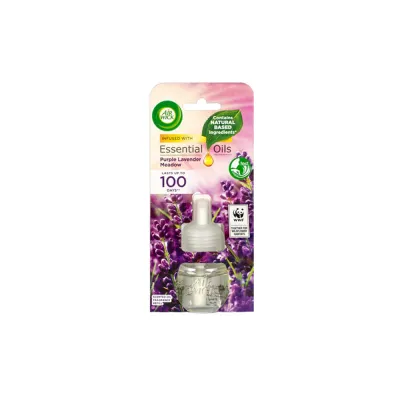



![[SG Mix & Match] Automatic Glades Aromatherapy Air Wick Freshener Spray Refill Auto Dispenser Fragrance Scent Diffuser](https://img.lazcdn.com/g/p/a779b9a0dc581ac0638b35518f7cde66.jpg_400x400q80.jpg_.webp)
![[SG] Glades Aromatherapy Air Wick Freshener Spray Refill Auto Dispenser Aroma Diffuser Room Fragrance Scent For Toilet](https://img.lazcdn.com/g/p/1dddc3706721db95fca2566ca7f0b3ac.jpg_400x400q80.jpg_.webp)
Prices are valid at publication and may change. Please refer to the product page for the latest price.
In contrast, active systems, such as electric plug-ins and automatic mist diffusers, use controlled heating elements or ultrasonic transducers to actively disperse micro-droplets of fragrance into the air. This active delivery method offers adjustable intensity settings and a significantly wider scent throw, making it highly effective for larger, open-concept living spaces or areas with high foot traffic where a passive diffuser would quickly fade into the background.
| Scent Family | Key Notes | Best Suited Rooms | Ambiance Created | Scent Intensity Level |
|---|---|---|---|---|
| Floral | Lavender, Jasmine, Rose, Cherry Blossom | Bedrooms, Entryways | Calming, Elegant, Romantic | Medium |
| Fresh/Citrus | Lemon, Grapefruit, Clean Linen, Aquatic | Kitchens, Bathrooms, Home Offices | Energizing, Clean, Revitalizing | High |
| Woody/Earthy | Sandalwood, Cedarwood, Amber, Patchouli | Living Rooms, Studies, Reading Nooks | Cozy, Grounded, Sophisticated | Medium to High |
| Sweet/Gourmand | Vanilla, Caramel, Warm Spices, Honey | Dining Areas, Cozy Lounges | Warm, Welcoming, Comforting | High |
When shopping for your airwick diffuser refill, keep in mind that exact product names and specific fragrance blends often vary by region, market, and retailer. A scent labeled as “Crisp Linen” in one country might be sold as “Cool Linen” or “Linen in the Air” in another, while seasonal or limited-edition blends may feature highly creative marketing names. To ensure you get the fragrance profile you want, look beyond the primary product name and identify the dominant scent family, key notes, or color indicators listed on the packaging or product description.
Recommended Scent Profiles by Room Function
Every room in your home serves a unique purpose, and the fragrance you introduce should align with the activities that take place there. Matching scent profiles to room functions ensures that your home remains functional, comfortable, and sensory-friendly.

Living Areas: Welcoming and Balanced
The living room and entryway serve as the introduction to your home, acting as multi-use spaces where family members gather and guests are welcomed. For these high-traffic areas, the goal is to select a balanced, mid-weight fragrance that establishes a pleasant background ambiance without dominating the space. Light florals, fresh linen, or subtle woody notes are excellent choices because they appeal to a wide range of sensory preferences and do not compete with other household aromas.
Using a scent that is too heavy or overly sweet in a common area can quickly become fatiguing for occupants who spend hours in the room. Furthermore, because living areas often connect directly to dining spaces or kitchens, a neutral or lightly woody scent prevents unpleasant sensory clashes with food aromas. If you are using an electric plug-in or mist diffuser in an open-plan living space, start by setting the device to a lower or medium intensity setting. This allows the fragrance to disperse evenly as a subtle, welcoming undertone rather than a sharp, concentrated burst.
Bedrooms: Calming and Restful
Your bedroom is a personal sanctuary dedicated to rest, recovery, and sleep hygiene. The fragrance profile you choose for this space should actively support relaxation and help your mind transition away from the stresses of the day. Soothing, low-intensity profiles such as lavender, chamomile, soft vanilla, or light sandalwood are highly recommended for private rest spaces. These notes have a naturally calming quality that helps lower your sensory alertness, preparing your body for a restful night.
Conversely, you should avoid placing highly stimulating citrus, sharp eucalyptus, or intense mint scents in the bedroom, particularly near the bed. While these bright notes are excellent for waking up in the morning, they can interfere with your ability to wind down in the evening by keeping your senses overly alert. For the bedroom, a passive reed diffuser or an electric diffuser set to its lowest, most gradual release setting is often ideal, ensuring a faint, comforting trace of scent that remains gentle throughout the night.
Kitchens and Bathrooms: Crisp and Odor-Neutralizing
Kitchens and bathrooms are highly functional utility spaces that frequently deal with strong ambient odors, high humidity, and moisture. To keep these areas smelling clean and hygienic, you need crisp, high-impact fragrance profiles that can actively cut through and neutralize challenging odors rather than simply masking them. Sharp citrus notes like lemon, lime, and grapefruit, along with herbal eucalyptus and clean aquatic profiles, are exceptionally well-suited for these environments.
These fresher, sharper notes possess a clean olfactory profile that effectively counteracts cooking smells, dampness, and bathroom odors. In a kitchen, a bright citrus scent mimics the natural aromas of fresh ingredients, making it feel clean and food-safe without introducing artificial, perfumed notes that clash with your cooking. For bathrooms, placing a reed diffuser in a well-ventilated corner or using an electric plug-in on a higher intensity setting helps maintain constant freshness. Ensure the device is positioned away from direct water contact to protect any electrical components and prevent water from diluting the fragrance oils.
Adapting Your Scent Choice for Singapore's Climate
Singapore’s tropical climate, characterized by consistently high ambient temperatures and elevated relative humidity levels, has a direct physical impact on how fragrance oils behave. High heat and humidity naturally accelerate the evaporation rate of liquid refills and amplify the volatility of scent molecules, making them disperse more rapidly and intensely than they would in cooler, drier climates. This means that a fragrance refill that feels perfectly balanced in a temperate climate can easily become overwhelming and cloying when exposed to Singapore’s warm, humid air.
To maintain a comfortable home environment, it is wise to avoid heavy, dense, or intensely sweet and spicy scents—such as rich patchouli, heavy amber, or warm cinnamon—in naturally ventilated spaces that rely on open windows and ceiling fans. In these warm areas, these heavy molecules trap moisture and can make the air feel thick, stuffy, and artificially perfumed. Instead, lean heavily toward fresh, aquatic, and light citrus notes for your naturally ventilated spaces; these profiles perform beautifully in high humidity, offering a breezy, cooling sensation that enhances the feeling of air circulation.
In Singapore, where HDB flats and condominiums often feature a mix of closed air-conditioned rooms and open-air balconies, managing airflow is key. When you open your windows to let the morning breeze in, the high humidity will cause passive reed diffusers to work overtime. If you leave a reed diffuser in the path of this humid breeze, you might find the liquid level dropping much faster than expected. To combat this, consider placing your passive diffusers in slightly shielded spots, such as on an interior shelf rather than directly on a window sill.
However, many Singaporean homes transition regularly between natural ventilation and air-conditioning. In fully air-conditioned rooms, the cooling units remove moisture from the air and lower the room temperature, which naturally suppresses scent throw and slows down the evaporation of the diffuser liquid. If you primarily run air-conditioning in your living room or bedroom, you have more flexibility to opt for slightly richer floral, soft gourmand, or warm woody profiles. The cool, dry air created by the air-conditioner will temper these heavier notes, keeping them sophisticated and pleasantly subtle rather than cloying.
Maximizing Performance and Safety
To get the best performance, longevity, and safety out of your airwick diffuser refill, proper placement and usage practices are essential. Always position your diffuser on a stable, flat surface away from direct sunlight, heat sources, and direct drafts from air-conditioning vents or fans. Direct sunlight and heat degrade the delicate chemical compounds in fragrance oils, altering the scent profile and causing the liquid to evaporate at an unnaturally rapid rate. Placing a diffuser directly under an AC vent or next to an open window can also blow the scent out of the room before it has a chance to circulate properly.
When setting up an electric plug-in or mist diffuser, take the time to adjust the intensity settings based on the specific dimensions of the room and your personal sensitivity. A small study or bathroom only requires the lowest setting to achieve a pleasant aroma, which also significantly extends the lifespan of your refill. In contrast, larger open-plan spaces may require a medium or high setting to ensure the fragrance reaches all corners of the room.
Safety must always be a primary consideration when using any home fragrance product. Keep all diffuser devices and liquid refills strictly out of reach of young children and pets to prevent accidental ingestion or skin contact. If you have cats or dogs, it is crucial to check the ingredient labels of your refills, as certain essential oil derivatives and synthetic fragrance compounds can be toxic to pets if inhaled in high concentrations or absorbed through the skin. If you suspect your pet is sensitive to a fragrance, discontinue use immediately and consult a veterinarian.
When dealing with electrical plug-ins, make sure the unit is plugged directly into a wall outlet rather than an overloaded extension cord. Because these devices generate a small amount of heat to vaporize the fragrance oil, they require adequate ventilation around the plug itself. Never cover the device with curtains, papers, or other flammable materials. If you notice any leakage, unplug the device immediately, wipe up the spilled oil with a dry cloth, and wash your hands thoroughly, as concentrated fragrance oils can cause skin irritation or damage delicate varnished surfaces. Finally, always verify that the physical refill format, base interface, and voltage (for imported electric plug-ins) are fully compatible with your specific diffuser model before purchasing to prevent leaks, device malfunctions, or potential electrical hazards.
Frequently Asked Questions (FAQ)
How long does an Air Wick diffuser refill typically last?
The lifespan of an airwick diffuser refill depends heavily on the device type, the chosen intensity setting, and the surrounding indoor climate. Under standard conditions, a typical electric plug-in refill can last anywhere from 30 to 120 days; on the lowest setting, it maximizes longevity, while the highest setting will consume the liquid much faster. In Singapore’s warm and humid environment, passive reed diffusers and active mist refills may evaporate slightly quicker than estimated on the packaging due to accelerated evaporation rates.
Can I use a different brand's refill in my Air Wick diffuser?
It is highly recommended to avoid using third-party or different brand refills in your Air Wick diffuser devices. Diffuser hardware is engineered with precise specifications regarding liquid viscosity, wick size, heating temperatures, and electrical contacts. Using an incompatible refill can lead to poor scent diffusion, oil leakage that damages furniture, clogging of the ultrasonic transducer, or even electrical short-circuits. Additionally, using non-branded refills typically voids the manufacturer’s warranty and safety certifications.
What should I do if the scent becomes too strong?
If a fragrance becomes overpowering, the quickest solution is to reduce the diffusion rate. For electric plug-ins or automatic mist devices, turn the intensity dial down to the lowest setting or increase the interval times between sprays. If you are using a reed diffuser, carefully remove a few of the reeds, wipe them down, and store them away to decrease the surface area available for evaporation. Alternatively, relocate the diffuser to a larger room with better natural ventilation to help disperse the concentrated scent molecules.
Community discussion
Share your experience or ask a question. Comments are reviewed before publication.