
Choosing the right alarm clock is more than just picking the loudest buzzer on the shelf. Your ideal device depends entirely on your personal sleep architecture, sensory sensitivities, and morning habits. A poorly matched clock can leave you startled, anxious, or chronically oversleeping, while the right choice eases you into the day with minimal friction. By analyzing your sleep patterns and bedroom environment, you can select a device that supports your natural circadian rhythm rather than fighting against it.
Diagnose Your Sleep Depth and Waking Struggles
Understanding your sleep depth is the first step in identifying the right waking mechanism. Light sleepers are highly sensitive to environmental changes and often wake up at the slightest sound or shift in ambient light. For these individuals, a loud, sudden alarm is not only unnecessary but can also trigger a sharp spike in heart rate and morning anxiety. Conversely, deep sleepers require robust, multi-sensory stimulation to transition out of heavy sleep stages, as their brains naturally filter out low-level auditory cues.
Your specific waking struggles also dictate the features you need. If you experience severe sleep inertia—that heavy, disoriented feeling that makes you hit the snooze button repeatedly—your brain is likely being pulled out of deep sleep too abruptly. Reflexive snoozing is a common behavioral hurdle; if you can turn off your alarm without fully regaining consciousness, a standard bedside clock is failing to stimulate your cognitive faculties.
Products mentioned in this guide
![[Powermatic] CASIO TQ-140-1B MINI TRAVELLERS BEEPER SOUND ALARM TABLE CLOCK](https://img.lazcdn.com/g/p/127da21fd62f01c85f6d095258e86296.jpg_400x400q80.jpg_.webp)
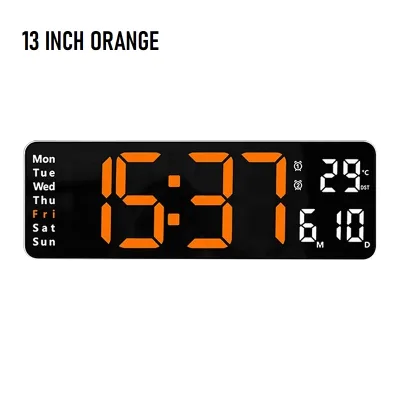

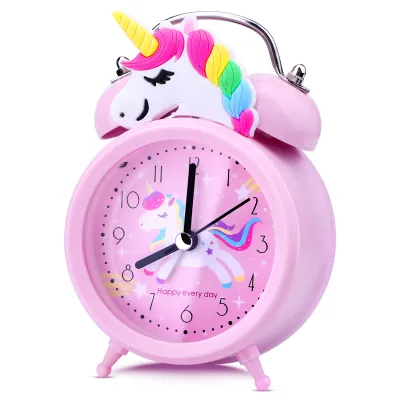
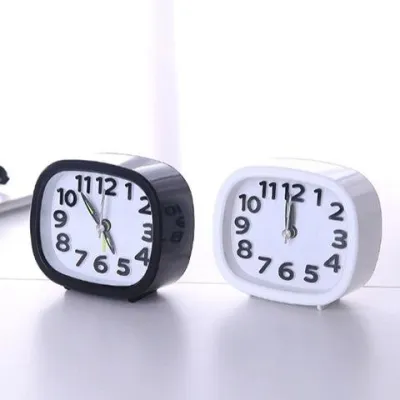
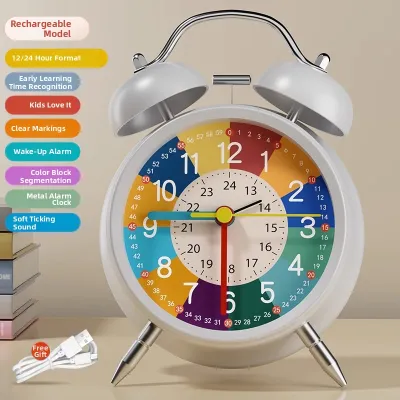
Prices are valid at publication and may change. Please refer to the product page for the latest price.
Routine consistency is another critical factor to evaluate. Professionals, students, and shift workers in Singapore often have schedules that fluctuate between weekdays and weekends, or early morning shifts and late nights. If your wake-up times vary, look for clocks that offer multiple programmable alarm profiles, such as 7-5-2 settings (separate schedules for weekdays, weekends, or specific days). This eliminates the need to manually reprogram your alarm every night, reducing the risk of setting the wrong time.
Match Alarm Triggers to Your Specific Needs
Once you understand your sleep profile, you can match it to the most effective sensory triggers. Audio alerts remain the most common option, but the type of sound matters. Standard high-frequency beeps are designed to be jarring, which can cause a sudden cortisol spike. A better alternative is a clock with a gradual volume ramp, which starts as a whisper and slowly increases in volume over several minutes. For those who prefer a gentler transition, customizable nature sounds, ambient chimes, or white noise options can ease the brain into alertness.

Light-based waking is an excellent alternative for those who dislike abrupt noises or struggle with morning grogginess. Sunrise simulation clocks gradually increase light intensity over a 20- to 40-minute window before your set alarm time. This process mimics a natural dawn, signaling your body to suppress melatonin and release cortisol. This is particularly beneficial in Singapore’s high-density apartments, where heavy blackout curtains are often used to block out streetlights, leaving bedrooms pitch black even after the sun has risen.
Physical and tactile alerts bypass the visual and auditory systems entirely. Vibration pads or bed shakers, which place under your pillow or mattress, physically shake you awake at the designated time. These tactile triggers are highly effective for exceptionally heavy sleepers who easily sleep through loud noises. They are also an ideal solution for shift workers who need to wake up early without disturbing a sleeping partner in a shared bedroom.
Decide If Smart or Task-Based Alarms Are Worth It
Smart and task-based alarms offer advanced features designed to tackle chronic oversleeping, but they come with distinct trade-offs. Sleep cycle trackers monitor your movement or heart rate to wake you during your lightest phase of sleep within a pre-defined time window. While this technology aims to minimize sleep inertia, its effectiveness relies heavily on consistent bedtimes and the physical placement of the sensors. If you move frequently in your sleep, the tracking accuracy may vary.
Task-based waking clocks are engineered specifically to combat habitual snoozing. These devices require you to complete a physical or mental task—such as solving a math puzzle, scanning a specific barcode in your kitchen, or physically shaking the device—before the alarm will shut off. This forced cognitive engagement effectively jump-starts your brain, making it much harder to fall back asleep. However, consider your tolerance for morning frustration, as these tasks can feel incredibly jarring if you wake up highly disoriented.
When deciding between an app-connected smart clock and a standalone device, consider your bedroom boundaries. Keeping a smartphone on your bedside table introduces blue light, notifications, and the constant temptation to scroll late into the night. A dedicated, offline alarm clock supports better sleep hygiene by allowing you to leave your phone in another room entirely. This simple separation can significantly improve your sleep quality and make it easier to wind down in the evening.
Final Bedroom and Setup Checks Before Buying
Before finalizing your purchase, ensure the clock physically and functionally fits your bedroom setup. Power reliability is a key consideration. While Singapore’s electrical grid is highly stable, localized circuit trips or accidental cable tugs can reset a mains-powered clock. Look for models that feature a battery backup slot (typically using AA, AAA, or button-cell batteries) to preserve your time settings and ensure your alarm still sounds even if the power cuts out overnight.
Display brightness is another critical factor that can disrupt your sleep environment. Many digital clocks emit a bright blue or white light that can interfere with your body’s natural melatonin production. Opt for clocks with adjustable brightness levels, auto-dimming sensors that adapt to room light, or the ability to turn the display off completely until you tap the device. Red or amber display characters are generally gentler on the eyes in a dark room.
Finally, verify the physical footprint and placement of the clock. Bedside tables in compact urban bedrooms can be small, so check the dimensions to ensure the clock fits alongside your daily essentials. Consider where the speaker or light panel is oriented; a sunrise clock needs a clear line of sight to your face to be effective, while a high-decibel audio clock should be placed far enough away to prevent hearing damage but close enough to be heard clearly. If you struggle with snoozing, placing the clock across the room forces you to physically get out of bed to turn it off.
Frequently Asked Questions (FAQ)
Is it better to use a phone or a dedicated alarm clock?
Using a dedicated alarm clock is generally better for sleep quality and overall sleep hygiene. Smartphones are designed to capture your attention, and having one within arm’s reach makes late-night scrolling or early-morning email checking highly likely. Additionally, phone alarms can fail due to software updates, silent mode settings, or battery depletion. A standalone clock serves a single, reliable purpose without the digital distractions.
How loud should my alarm clock be?
Your alarm should be loud enough to wake you reliably without causing sudden panic or hearing damage. For most people, a volume level between 60 and 70 decibels—roughly equivalent to a normal conversation or a vacuum cleaner from a distance—is sufficient. If you are a very deep sleeper, you may need levels up to 80 decibels, but it is safer and more pleasant to pair a moderate volume with physical vibration or light simulation rather than relying solely on extreme noise.
Community discussion
Share your experience or ask a question. Comments are reviewed before publication.