
Choosing the perfect aroma diffuser refill requires more than simply finding a scent that appeals to your senses. To achieve optimal scent dispersion and protect your investment, you must match the physical and chemical properties of the refill liquid to the specific mechanical operation of your diffuser. Using an incompatible liquid can permanently clog delicate micro-tubes, corrode internal components, degrade plastic reservoirs, or even pose safety hazards in your home.
In Singapore’s humid climate, indoor scenting is a popular way to create a fresh, relaxing sanctuary inside air-conditioned spaces. However, because different diffusers utilize distinct technologies—ranging from high-frequency ultrasonic vibrations to pressurized air atomization—they require entirely different fluid formulations. Selecting the correct refill ensures consistent fragrance throw, prevents mechanical failure, and keeps your living space smelling exactly as intended.
Identify Your Aroma Diffuser Mechanism First
Before purchasing any aroma diffuser refill, you must determine the exact mechanical system your device uses to disperse fragrance. Operating a diffuser with the wrong liquid type is one of the most common causes of premature device failure. By identifying the mechanism first, you can narrow down your refill options to those that are chemically and physically compatible with your hardware.
Products mentioned in this guide
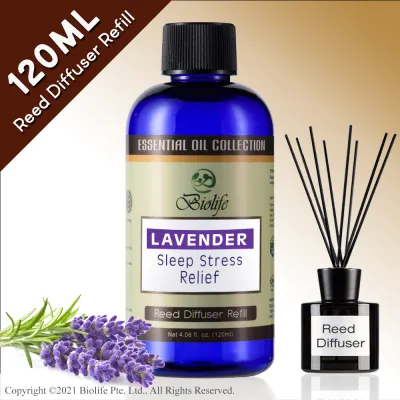
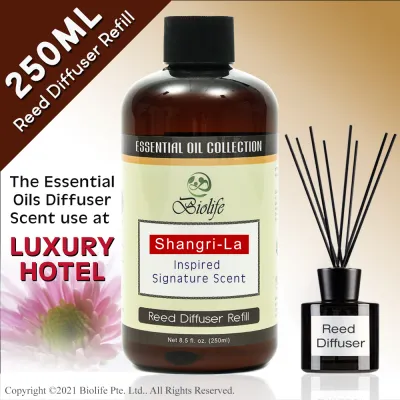
![[KIRONA SCENT] 250ML Aroma Reed Refill | Premium Quality Essential Oil | For Aroma Reed Diffusers Clay Diffusers | More than 60 Scents Available | Luxurious Hotel & Mall Fragrances](https://img.lazcdn.com/g/p/4685932625987bb431ec03fe164da9f7.jpg_400x400q80.jpg_.webp)
![[SG Seller] Fragrance Oil 500ml Scented Chase Diffuser Refill Essential Aroma Gift Perfume](https://img.lazcdn.com/g/p/90e92a9c39c0b7daf393eaa3799c9c52.jpg_400x400q80.jpg_.webp)
![(100+ Selections) Shangri-La Hotel/ Hilton Hotel/ Marriott Hotel/ Lavender/ Lemongrass/ Jasmine/ Rose/ Eucalyptus/ English Pear Freesia scent Premium Home Fragrance Aromatherapy Reed Diffuser (50ml) / Reed Refill (60ml) Essential Oil Scents [Re.D]](https://img.lazcdn.com/g/p/ebc5fe98e6aea39a35eb88f8aa95b792.jpg_400x400q80.jpg_.webp)
Prices are valid at publication and may change. Please refer to the product page for the latest price.
Most home fragrance diffusers fall into one of four primary mechanical categories, each with distinct visual and functional characteristics:
- Ultrasonic Diffusers: These devices feature a visible internal water tank, usually constructed from plastic or surrounded by a ceramic, wood, or glass outer cover. When operating, they emit a cool, visible mist and require a constant supply of water mixed with a few drops of oil. They are typically powered by a USB cable or a standard wall adapter.
- Nebulizing Diffusers: These are waterless, high-efficiency devices that connect directly to a bottle of pure essential oil. They produce a highly concentrated, dry mist that is often barely visible to the eye. You can identify them by their lack of a water reservoir, their glass or metal construction, and a subtle mechanical humming sound during operation.
- Heat and Evaporative Diffusers: These passive or low-power devices do not produce a mist. Instead, they rely on a heat source—such as a candle, a light bulb, or an electric heating element—to warm a dish containing the fragrance oil. Evaporative models may use a small internal fan to blow air across a saturated pad or reed.
- Proprietary Cartridge or Pod Systems: These modern, often smart-enabled diffusers do not allow you to pour loose liquid directly into the machine. Instead, they feature dedicated slots, bays, or magnetic chambers designed to house pre-sealed scent capsules, pods, or cartridges provided by the specific manufacturer.
If your device’s mechanism is not immediately obvious from these visual cues, check the manufacturer’s manual, the original packaging, or the regulatory label on the underside of the unit. Locating the specific model number online will quickly reveal whether the device requires water dilution, pure oil, or proprietary cartridges.
Match the Refill Format to Your Specific Diffuser
Every diffuser mechanism is engineered around the specific physical and chemical properties of its intended refill liquid, such as viscosity, volatility, and water solubility. Using a liquid that does not match these parameters will result in poor scent performance, heavy residue, or immediate mechanical breakdown.

Ultrasonic and Water-Based Diffusers
Ultrasonic diffusers rely on a small ceramic transducer disc at the bottom of the water tank that vibrates at an ultrasonic frequency (often between 1.7 and 2.4 megahertz). This vibration breaks the water and oil mixture down into an ultra-fine mist that is dispersed into the air.
For these models, you must use standard pure essential oils or water-soluble fragrance blends specifically formulated for water dilution. Water-soluble oils undergo an emulsification process that allows them to disperse evenly throughout the water column rather than floating entirely on the surface.
Never use thick carrier oils (such as jojoba, sweet almond, or fractionated coconut oil) or undiluted resinous oils (such as benzoin, frankincense, or myrrh) in an ultrasonic diffuser. Because these oils do not mix with water, they will float to the top and eventually coat the ultrasonic transducer plate. This sticky coating insulates the plate, preventing it from vibrating correctly, which quickly leads to a complete loss of mist production and potential overheating of the internal electronics.
Nebulizing Diffusers
Nebulizing diffusers utilize Bernoulli’s principle, a fluid dynamics phenomenon where high-velocity pressurized air is forced through a narrow nozzle. This action creates a vacuum that pulls the liquid oil up through a microscopic glass or metal tube, atomizing it into a dry, highly concentrated aerosol of pure oil droplets.
Because this process relies on extremely narrow pathways, nebulizers require 100% pure, unadulterated essential oils with low viscosity. The oil must flow freely and vaporize instantly under air pressure without leaving any residue behind.
Introducing water, carrier oils, or thick synthetic fragrances into a nebulizing diffuser will cause immediate damage. Water can rust or corrode the delicate internal micro-pumps, while carrier oils and heavy synthetic polymers will instantly clog the microscopic glass tubes. Once these tubes are blocked with thick, sticky substances, cleaning them is exceptionally difficult, and the device will fail to disperse any fragrance.
Heat and Evaporative Diffusers
Heat and evaporative diffusers use thermal energy or simple airflow to accelerate the natural evaporation of fragrance molecules into the surrounding environment. Because they lack active atomization mechanisms, they are highly robust but require careful liquid selection to ensure safety and scent quality.
Suitable refills for these systems include pure essential oils, specialized reed diffuser liquids, or approved synthetic fragrance oils designed to withstand mild heating.
However, you must be aware that heat alters the chemical profile of essential oils. Delicate, highly volatile top notes (such as citrus or eucalyptus) evaporate rapidly when heated, leaving behind the heavier, less aromatic base notes. When using electric burners or candle-lit diffusers, safety is paramount. Never use highly flammable solvents, high-proof alcohol-based refills, or volatile chemicals near an open flame or high-temperature heating element. Always verify the flashpoint of your chosen fragrance oil and ensure the heating element does not exceed safe operating temperatures.
Proprietary Cartridge or Pod Systems
Proprietary cartridge and pod systems represent a closed-loop approach to home scenting. These devices are carefully calibrated to work exclusively with pre-sealed pods or smart cartridges engineered by the parent brand. The dispensing mechanism—whether it uses micro-nozzles, thermal diffusion, or specialized ultrasonic vibrations—is tuned to the exact viscosity and chemical composition of the proprietary liquid inside the pod.
To ensure safe operation and maintain your device, you must only purchase brand-specific refills designed for your exact model.
Do not attempt to pry open, hack, or use a syringe to refill these sealed cartridges with third-party aroma diffuser refills. These cartridges are designed for single-use or are factory-sealed to prevent leaking. Forcing them open almost always damages the delicate seal, leading to liquid leaking directly into the device’s electrical motherboard, causing short circuits, permanent hardware failure, and voiding any manufacturer warranties.
Verify Aroma Diffuser Refill Labels, Viscosity, and Safety
When shopping for an aroma diffuser refill, reading the product label carefully is your best defense against purchasing an incompatible or unsafe product. Look for explicit manufacturer claims printed on the packaging, such as “safe for nebulizers,” “100% water-soluble,” or “for ultrasonic diffuser use only.” Avoid generic products labeled simply as “fragrance oil” or “burning oil” unless they specify their compatibility with your device type.
Evaluating the physical viscosity of the oil is another crucial step. Naturally thick essential oils—such as sandalwood, vetiver, patchouli, cedarwood, and jasmine absolute—have a high natural viscosity. Even if they are 100% pure, their thick consistency makes them unsuitable for standard nebulizing diffusers and can quickly overwhelm ultrasonic plates. If you wish to enjoy these deep, grounding scents, ensure they are properly diluted in a compatible, low-viscosity solvent recommended by your diffuser’s manufacturer, or use them only in heavy-duty diffusers rated for high-viscosity liquids.
Additionally, electrical safety must be verified, particularly for plug-in diffuser units, electric scent warmers, or refills that include integrated heating elements. In Singapore, any electrical appliance connected directly to the mains power supply should carry the Enterprise Singapore SAFETY Mark. This certification ensures the device has been tested and approved for safe operation on Singapore’s 230V, 50Hz electrical grid, minimizing the risk of electrical fires, short circuits, or voltage damage in your home.
Understand the Risks of Using the Wrong Refill Format
Using an incompatible aroma diffuser refill is not just a matter of poor scent performance; it can lead to physical damage and safety hazards. Understanding these risks highlights the importance of careful selection before you purchase or pour any liquid into your device.
The primary physical risks of using the wrong refill format include:
- Clogged Ultrasonic Plates: Thick carrier oils or synthetic residues form a stubborn barrier over the ceramic plate, preventing the high-frequency vibrations needed to create mist.
- Burnt-Out Nebulizer Pumps: When a nebulizer is filled with thick or sticky oils, the internal micro-pump must work significantly harder to draw the liquid through the micro-tubes, leading to motor strain, overheating, and eventual burnout.
- Cracked Plastic Water Reservoirs: Undiluted citrus essential oils (such as lemon, orange, grapefruit, and bergamot) contain high concentrations of limonene, a natural solvent. If your ultrasonic diffuser's water tank is made of cheap, non-ABS plastic, these undiluted oils will chemically attack and degrade the plastic, leading to micro-cracks, structural failure, and liquid leaks.
Performance issues also manifest quickly, resulting in a weak or non-existent scent throw, a sticky yellow residue coating your furniture and the diffuser’s exterior, or abnormal mechanical rattling and buzzing noises as the internal motor struggles to process the incorrect fluid.
To protect your home and your appliance, establish clear “stop use” conditions. Immediately turn off and unplug your diffuser from the electrical outlet if you notice a burning smell, excessive heat radiating from the device’s base, liquid leaking onto your tabletop, or a sudden, unexplained drop in mist output while the motor continues to run.
Clean and Maintain Your Diffuser After Refilling
Regular maintenance is essential to keep your diffuser functioning at peak performance, prevent oil buildup, and avoid scent cross-contamination when switching between different aroma diffuser refills. Performing basic, reversible cleaning steps will extend the lifespan of your device significantly.
Before performing any cleaning or maintenance, always isolate the power source by turning off the device and unplugging it from the wall outlet.
For ultrasonic diffusers, follow these simple cleaning steps:
- Empty any remaining water and oil from the reservoir, ensuring you pour the liquid away from the internal air outlet vent to prevent water from entering the electronics.
- Wipe the interior of the water tank with a soft, damp microfiber cloth to remove oily residue.
- Dip a clean cotton swab in rubbing alcohol (isopropyl alcohol) and gently wipe the delicate ceramic ultrasonic plate at the bottom of the tank to dissolve stubborn oil buildup.
- Allow all parts to dry completely in a well-ventilated area before refilling or storing the device.
For waterless nebulizing diffusers, cleaning typically involves running a short cycle with rubbing alcohol. Fill a clean, empty bottle with a small amount of isopropyl alcohol, attach it to the nebulizer, and run the device for 5 to 10 minutes in a well-ventilated room. This process dissolves and flushes out any oxidized oil residue clinging to the glass micro-tubes.
Aim to clean your diffuser every 3 to 5 days of regular use, or immediately before introducing a new scent profile. This prevents old oils from turning rancid and ensures your new aroma diffuser refill smells exactly as intended.
However, DIY cleaning has clear boundaries. Stop cleaning immediately and consult the device manufacturer or a qualified professional if you suspect internal motor damage, electrical faults, wire degradation, or deep clogs inside sealed components that cannot be accessed without unscrewing the main housing.
Frequently Asked Questions (FAQ)
Can I use synthetic fragrance oils in my ultrasonic diffuser?
While some water-soluble synthetic fragrance oils are compatible with ultrasonic diffusers, many standard synthetic oils contain thick chemical carriers, alcohols, or synthetic polymers that do not disperse in water. These compounds can chemically degrade plastic water reservoirs or leave a stubborn, sticky residue on the ultrasonic plate that stops mist production. Always check your diffuser manufacturer’s guidelines and verify that any synthetic oil is explicitly labeled as water-soluble and safe for ultrasonic devices before use.
How do I safely dispose of expired or incompatible essential oils?
Never pour concentrated essential oils or diffuser refills down your household sink, drain, or toilet. These concentrated oils are highly hydrophobic, meaning they do not dissolve in water; instead, they can coat and clog plumbing pipes and pose a significant threat to aquatic ecosystems. For small amounts of expired or incorrect oils, absorb the liquid completely using paper towels and dispose of them in your general household waste. For larger quantities of concentrated fragrance liquids, contact your local hazardous waste collection points or chemical disposal facilities in Singapore to arrange for safe, environmentally responsible disposal.
Community discussion
Share your experience or ask a question. Comments are reviewed before publication.