
To display a Buddha statue with proper reverence, visual harmony, and physical security, you must select a base that balances the statue’s dimensions, weight, and material. The ideal base acts as a visual anchor, elevating the sacred figure without dominating the display space. Achieving this balance requires precise measurements of the statue’s footprint, calculating proportional margins, and selecting materials that can withstand local environmental conditions.
In Singapore’s tropical climate, where high humidity can affect organic materials, choosing the right base involves both aesthetic and structural considerations. Whether you are placing your statue on a dedicated home altar or a modern floating shelf, a properly proportioned base prevents a top-heavy appearance and protects your furniture from scratches. By understanding how to scale margins, evaluate load-bearing capacities, and secure the setup, you can create a serene and stable display.
Assessing Your Buddha Statue Before Choosing a Base
Before searching for a new base, you must gather precise physical data from your existing Buddha statue. Start by placing the statue on a clean, flat surface and using a firm measuring tape to record the exact footprint. Measure the maximum width and depth of the statue’s bottom contact area rather than relying on the wider dimensions of the shoulders or torso. If the statue features an irregular shape, such as a carved lotus throne or a seated posture with protruding knees, trace the outline onto a piece of paper to capture the true perimeter.
Products mentioned in this guide

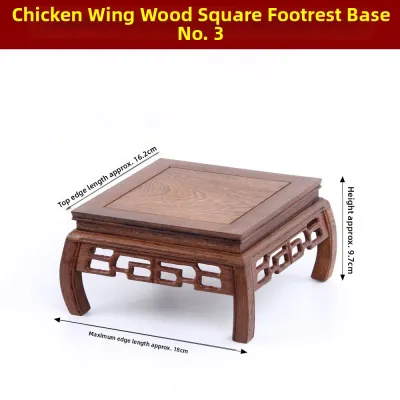
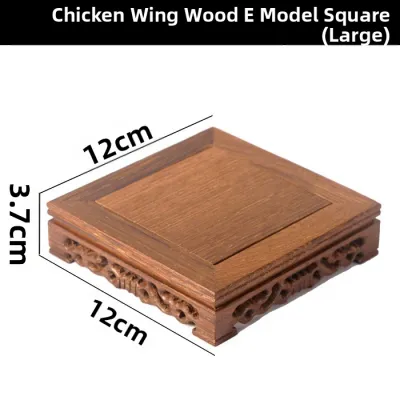
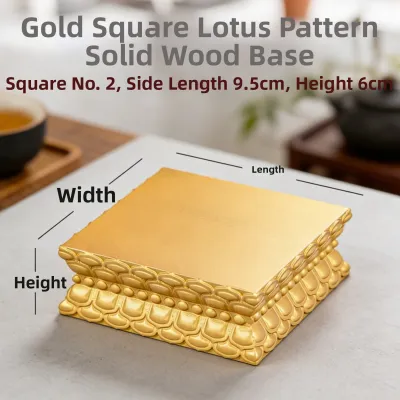
Prices are valid at publication and may change. Please refer to the product page for the latest price.
Next, examine the structural shape of the statue’s underside to determine how it will rest on a flat surface. Some statues have a perfectly flat, machined bottom, while older bronze castings, hand-carved stone, or ceramic figures may have uneven, concave, or hollow bases. An irregular or hollow bottom reduces the contact surface area, which concentrates the weight and increases the risk of wobbling. Identifying these irregularities early allows you to determine if you need a recessed base, a custom-fitted stand, or specialized padding to level the connection.
Determining the physical weight of the statue is critical for selecting a base with the appropriate load-bearing capacity. You can weigh lighter statues on a standard digital kitchen scale, while heavier bronze or stone figures can be weighed on a home bathroom scale. Knowing the exact weight prevents you from placing a heavy sculpture on a delicate glass or hollow wooden pedestal that could crack or collapse under pressure. It also guides you in verifying whether your display shelf or altar cabinet can support the combined weight of both the statue and the new base.
The material of your statue also dictates its visual density, which influences how substantial the base needs to appear. A dense, dark bronze or solid granite statue has a heavy visual presence that demands an equally robust base, such as dark hardwood or solid stone, to look balanced. Conversely, a lightweight resin, porcelain, or light-colored wood figurine possesses a delicate visual weight. These lighter statues pair beautifully with more understated, streamlined bases that do not overwhelm the subtle details of the sculpture.
Finally, inspect the condition of the statue’s bottom surface for any rough casting marks, sharp metal burrs, or delicate finishes like gold leaf or paint. Rough surfaces can easily scratch premium wooden altars or glass shelves during placement or adjustment. If you detect any sharp edges or fragile finishes, plan to use protective barriers such as felt dots, thin silicone sheets, or museum wax to safeguard both the statue and the base.
Calculating the Ideal Base Dimensions and Proportions
To achieve a visually balanced and stable display, you must calculate the correct dimensions of the base relative to your Buddha statue. The primary rule of base sizing is to provide adequate “breathing room” by ensuring the base extends beyond the statue’s footprint on all sides. For small to medium statues under 30 centimeters in height, aim for a margin of 2 to 4 centimeters of clear space around the entire perimeter. For larger, more imposing statues, scale this margin up to 5 to 10 centimeters to create a grander frame and prevent a cramped, unstable appearance.

The height of the base plays a dual role in stabilizing the physical setup and directing the viewer’s eye. Generally, the base should elevate the statue so that its eyes sit at or slightly above eye level when you are seated or standing in the room, depending on whether it is placed in a meditation space or a living area. If your statue is displayed on a low coffee table or console, a taller base of 10 to 15 centimeters helps ground the figure and raise it to a respectful height. For statues placed on high shelves or tall altar cabinets, a low-profile base of 2 to 5 centimeters is preferred to keep the center of gravity low and prevent the display from looking top-heavy.
To maintain visual harmony, the thickness of the base must match the visual mass of the sculpture. A seated Buddha in a wide meditation pose (Dhyana Mudra) has a naturally broad, stable footprint that requires a thick, solid base to anchor its lateral weight. A thin, flimsy base under a wide, seated statue can make the arrangement look visually unsupported and weak. Conversely, a slender, standing figure benefits from a stepped, tiered, or slightly tapered pedestal that draws the eyes upward, complementing the vertical lines of the sculpture without adding unnecessary bulk.
The geometric shape of the base should coordinate with the pose and silhouette of your Buddha statue to create a cohesive look.
- Rectangular and Oval Bases: These shapes are highly suited for seated statues, especially those in the lotus position, as they mirror the wide lateral span of the knees and provide a stable foundation.
- Square and Round Bases: These shapes work exceptionally well for standing statues, aligning perfectly with their vertical axis and offering a balanced view from all angles.
- Lotus-Shaped Bases: Stylized circular or octagonal bases complement the traditional spiritual iconography of the Buddha, reinforcing the symbolic meaning of the lotus throne.
When planning your budget, keep in mind that standard-sized wooden or acrylic bases are readily available on online marketplaces for approximately S$20 to S$60. However, if your statue has highly unique proportions or is exceptionally heavy, investing S$80 to S$200 in a custom-carved stone or premium hardwood base ensures both perfect visual proportion and long-term structural safety.
Choosing Base Materials for Stability and Visual Harmony
The material you select for your Buddha statue base must support the physical weight of the sculpture while resisting environmental wear and matching your interior decor. In Singapore’s humid climate, material durability is a primary concern, as high moisture levels can cause certain materials to degrade, warp, or harbor mold over time.
Wood Wooden bases offer a warm, traditional aesthetic that pairs beautifully with classic altars and contemporary Asian decors. When selecting a wooden base, prioritize dense hardwoods such as teak, rosewood, or suar wood, which are naturally resistant to moisture and insect damage. Ensure the wood is fully sealed with a high-quality polyurethane, lacquer, or marine-grade varnish to prevent warping or cracking in humid conditions. Always verify that the wood stain is completely cured and dry before placing your statue on it, as uncured oils or pigments can transfer permanently to porous stone or ceramic statues.
Stone, Marble, or Concrete For heavy bronze, brass, or stone Buddha statues, a solid stone or marble base offers unmatched physical stability and a premium, elegant appearance. The natural weight of stone prevents the pedestal from sliding or tipping, making it an excellent choice for high-traffic areas. Before purchasing a heavy stone base, verify that your display furniture, floating shelves, or wall-mounted altars can support the combined load. In many modern apartments, floating consoles are mounted on gypsum plasterboard walls, which may require structural reinforcement or heavy-duty masonry anchors to safely hold a heavy stone setup.
Acrylic or Glass Acrylic and tempered glass bases provide a sleek, modern, and minimalist look, creating a “floating” effect that highlights the statue’s features. If you opt for these materials, ensure the glass is tempered and at least 12 to 15 millimeters thick, or that the acrylic is high-grade and structurally rated for the weight of your statue. Thin, low-quality plastic or standard glass can bow, crack, or shatter under concentrated point loads. Keep in mind that transparent bases require frequent cleaning with a microfiber cloth and specialized anti-static cleaners to keep dust, fingerprints, and smudges from distracting from the display.
Metal Metal bases, such as solid brass, copper, or powder-coated steel, are ideal for industrial, modern, or eclectic interior styles. Because direct metal-on-metal or metal-on-stone contact can cause scratches, abrasions, or even chemical reactions (such as galvanic corrosion between different metals), you must apply a protective barrier. Placing a thin layer of non-scratch felt, high-density foam, or silicone padding between the statue and the metal base will protect both surfaces from damage and prevent sliding.
Securing the Display for Physical Stability and Safety
Ensuring the physical stability of your Buddha statue and its base is vital to prevent accidental damage, especially in active households. A secure display relies on managing the center of gravity of the combined setup. When pairing a tall or top-heavy statue with a base, make sure the base is wider and heavier than the upper portion of the statue. This design keeps the center of gravity low and centered within the base’s footprint, making the entire assembly highly resistant to tipping if it is accidentally bumped.
To secure the statue to the base without causing permanent alteration or damage, use reversible, non-destructive methods.
- Museum Wax: This microcrystalline wax is highly recommended for securing stone, ceramic, or metal statues to wood or stone bases. It provides a strong, temporary bond that prevents sliding but can be easily removed without leaving residue or stripping finishes.
- Silicone Pads: Thin, transparent silicone pads or non-slip gel mats offer excellent grip on glass, acrylic, or polished stone surfaces without the need for adhesives.
- Felt Dots: Self-adhesive felt dots are ideal for protecting delicate surfaces and leveling minor wobbles on lightweight statues.
Avoid using permanent adhesives, epoxy, superglue, or acidic silicones, as these can chemically react with metal patinas, crack ceramic glazes, or permanently ruin the finish of a wooden base.
Consider the physical environment of your room when choosing where to position your display. Keep the statue and its base away from high-traffic zones, narrow corridors, and swinging doors where bags, vacuum cleaners, or active pets could strike the setup. Additionally, protect the display from prolonged direct sunlight near windows, as intense UV rays can cause wooden bases to fade and warp, resin statues to yellow and become brittle, and certain safety adhesives to dry out and lose their grip.
Finally, always verify the structural integrity of the shelving or furniture holding your display. This is particularly important in compact living spaces where wall-mounted floating shelves or lightweight display cabinets are common. If you are mounting a new shelf for your altar, ensure it is anchored directly into concrete walls using high-quality masonry wall plugs. Check the manufacturer’s rated weight capacity for any store-bought shelving units, and ensure the weight is distributed evenly across the surface rather than concentrated on a single weak point.
Verifying Visual Balance and Physical Security
Once you have selected, prepared, and positioned your Buddha statue on its new base, you must conduct a final evaluation to ensure the setup is both visually harmonious and physically secure. Step back three to four meters from the display and view it from multiple angles and eye levels. Observe the proportions from both a seated and standing perspective to confirm that the base frames the statue beautifully, serves as a respectful anchor, and does not visually compete with the sacred figure.
Next, perform a gentle, low-risk physical stability test to ensure the statue cannot easily slide or tip. Lightly tap the side of the base and the upper torso of the statue with your finger to simulate minor household vibrations, such as those caused by slamming doors, heavy footsteps, or nearby road traffic. The statue and base should remain perfectly still as a single, solid unit; if you detect any wobbling, rattling, or sliding, immediately disassemble the setup to inspect for uneven surfaces or inadequate securing materials.
Finally, adjust your ambient and directional lighting to accommodate the statue’s new elevated position. Raising a statue on a base can dramatically alter how shadows fall across its face, hands, and robes. Position your spotlights, warm LED strip lights, or altar lamps to highlight the statue’s features softly from an overhead or angled direction. Ensure the sharp edges of the new base do not cast harsh, distracting shadows upward onto the statue, maintaining a serene, peaceful, and visually balanced atmosphere in your space.
Frequently Asked Questions (FAQ)
Can I use a glass or acrylic base for a heavy bronze Buddha statue?
Yes, you can use glass or acrylic, but the material must be structurally rated for high point loads. Opt for tempered glass or high-grade acrylic with a minimum thickness of 12 to 15 millimeters to prevent bowing or cracking under the heavy bronze. Additionally, place a clear, non-slip silicone pad between the statue and the base to distribute the weight evenly, prevent scratching, and stop the heavy metal from sliding on the smooth surface.
How do I level a base if my display shelf is slightly uneven?
To level your base safely, place small, discreet furniture leveling pads or thin, rigid plastic wedges directly underneath the base itself. Never sand, cut, or modify the base or the shelf, as this can permanently damage the furniture and ruin its resale value. Avoid using soft, highly compressible materials like thick foam, folded cardboard, or paper, which can compress unevenly over time and cause the entire display to tilt dangerously.
Community discussion
Share your experience or ask a question. Comments are reviewed before publication.