
Choosing a bathroom diffuser for a small, humid space requires balancing moisture resistance, a compact physical footprint, and controlled scent throw. In a tropical climate where bathrooms frequently experience high humidity and limited ventilation, standard living-room diffusers often fall short. They can degrade rapidly due to moisture exposure, fail mechanically, or release an overwhelming concentration of fragrance that quickly saturates the small area. To maintain a fresh, inviting atmosphere without compromising safety or comfort, you must select a device or vessel specifically suited to withstand damp conditions while delivering a subtle, adjustable scent.
Why Humidity and Space Size Change Your Diffuser Choice
High ambient moisture fundamentally alters how scent travels and how we perceive it. In a humid environment, the air is already saturated with water vapor, which can suppress the evaporation of water-based mist or alter the diffusion rate of essential oils. This heavy air can trap fragrance molecules close to their source, leading to an uneven scent distribution where the immediate vicinity feels overpowering while the rest of the room remains unaffected. Over time, this concentrated exposure in an enclosed space can cause olfactory fatigue, making the fragrance seem non-existent to regular users while remaining intensely strong to guests.
Furthermore, the physical environment of a compact bathroom presents unique challenges for aromatherapy products. Steam from hot showers condenses on every available surface, creating a thin layer of moisture that can seep into delicate mechanisms or dilute exposed oils. For passive diffusers, this constant moisture can settle on the reeds or the surface of the liquid, altering the chemical balance and weakening the scent throw. For electronic models, persistent condensation can lead to rust on internal components, short circuits, or the degradation of exterior finishes. Understanding these environmental pressures is the first step in selecting a durable and effective fragrance solution.
Products mentioned in this guide



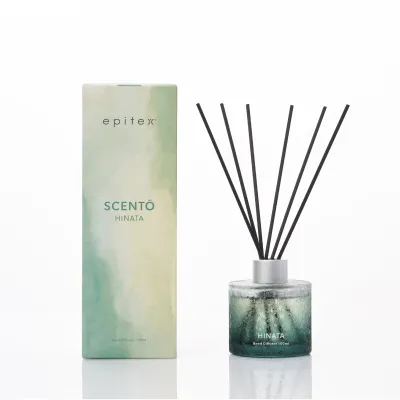
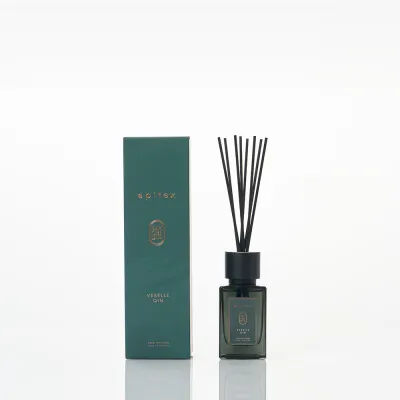
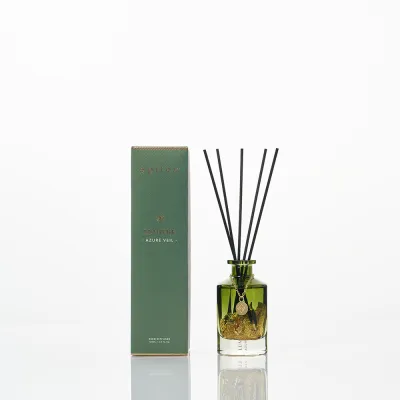

Prices are valid at publication and may change. Please refer to the product page for the latest price.
Key Features to Look for in a Bathroom Diffuser
When shopping for a bathroom diffuser, prioritizing moisture-resistant materials is essential for longevity. Look for vessels made from non-porous materials such as high-quality glazed ceramic, thick glass, or heavy-duty plastics that do not absorb water or harbor mold. Avoid untreated wood, porous stone, or cheap metals that are prone to rusting, tarnishing, or warping when exposed to daily steam. Checking the manufacturer’s specifications for water-resistant finishes can save you from having to replace a damaged unit within a few months.

The physical size and liquid capacity of the diffuser must also align with your available space. In a small bathroom, counter space is at a premium, often limited to a narrow vanity or a small ledge. A compact diffuser with a small footprint—typically holding under 100ml of water for ultrasonic models—is usually sufficient to scent the space without cluttering the area. Larger reservoirs are unnecessary and can lead to stagnant water sitting in the tank, which promotes bacterial growth in warm, humid conditions.
Intensity control is another critical feature to verify before purchasing. Because small bathrooms trap scent easily, you need a way to modulate the fragrance output. For electronic diffusers, look for models that offer adjustable mist settings, interval timers (such as 10 seconds on, 30 seconds off), or automatic shut-off functions. For passive reed diffusers, ensure you can easily adjust the scent level by using fewer reeds than the maximum recommended, allowing you to fine-tune the fragrance to match the room’s natural ventilation.
Finally, electrical safety verification is paramount for any device operating in a damp environment. If you choose a plug-in or battery-operated model, carefully inspect the product labels for safety certifications suitable for wet or damp locations. Verify that the power adapter, cord, and connection points are insulated and kept dry. If a product lacks clear safety markings or does not explicitly state compatibility with high-humidity environments, it is advisable to opt for a passive alternative to prevent electrical hazards.
Choosing Between Diffuser Types and Room Sprays
Selecting the right fragrance delivery method depends heavily on your daily routine, the bathroom’s ventilation, and your willingness to perform regular maintenance. Reed diffusers are a popular choice because they offer a passive, continuous scent throw without requiring electricity. However, in a humid climate, the reeds can absorb ambient moisture from the air alongside the fragrance oil. When the reeds become waterlogged, their capillary action slows down, which can significantly alter or weaken the scent profile. To mitigate this, you may need to replace the reeds more frequently than you would in a dry, air-conditioned living room.
Electric and ultrasonic diffusers provide a more immediate and customizable scent experience, but they come with distinct operational boundaries. These devices work by vibrating water and essential oils to create a fine mist, which actively adds more moisture to the air. In an already humid, poorly ventilated bathroom, this extra moisture can exacerbate condensation issues on walls and mirrors. If you choose an ultrasonic model, it must be placed in a dry zone, and you must be diligent about emptying and drying the tank daily to prevent mold and mildew from colonizing the water reservoir.
For many small bathrooms, room sprays serve as a highly practical, on-demand alternative to continuous diffusion. Unlike diffusers that run constantly, a room spray allows you to control exactly when and where the fragrance is introduced, making it suitable for quick freshening after use. This method eliminates the risk of scent overload in confined spaces and completely bypasses the safety hazards associated with electrical devices in wet areas. A high-quality room spray formulated with natural essential oils can deliver an immediate burst of freshness without adding persistent moisture to the room’s atmosphere.
Safe Placement and Maintenance in a Damp Environment
Proper placement is key to ensuring both the safety of your diffuser and the effectiveness of its scent. Always position your diffuser in a designated “safe zone” that is well away from direct water splashes, heavy shower steam, and wet countertops. Suitable locations include a high, dry shelf opposite the shower, a secure windowsill with decent airflow, or the dry side of a spacious vanity. Keeping the device elevated helps prevent accidental knocks and ensures the scent disperses more evenly throughout the upper half of the room.
Routine maintenance is essential to keep your bathroom diffuser hygienic and functioning correctly. For electronic models, make it a habit to wipe down the exterior casing with a dry microfiber cloth to remove any accumulated condensation. Inspect the water tank regularly for signs of mold or mineral buildup, cleaning it according to the manufacturer’s instructions. For reed diffusers, monitor the liquid for any cloudiness or separation, which indicates water contamination, and replace the reeds if they become dusty or completely saturated with moisture.
Knowing when to stop using or replace your diffuser is crucial for maintaining a healthy home environment. If you notice persistent mold growth on a passive diffuser’s reeds or vessel, discard them immediately. For electric models, if you observe any signs of moisture ingress—such as a flickering light, a sputtering mist, or a warm power adapter—unplug the device safely and consult the manufacturer’s troubleshooting guide. Never attempt to operate an electronic diffuser that has been submerged or heavily splashed with water.
Frequently Asked Questions (FAQ)
Can I use an ultrasonic diffuser in a bathroom without an exhaust fan?
Using an ultrasonic diffuser in a bathroom without an exhaust fan is generally not recommended unless the room has excellent natural ventilation, such as a large, open window. Because ultrasonic models actively disperse water vapor into the air, they increase the local humidity. In an enclosed space without a mechanical exhaust fan to draw out the damp air, this extra moisture can settle on cold surfaces, leading to persistent condensation, peeling paint, or accelerated mold and mildew growth. If you must use one, run it only for short intervals and monitor the walls for dampness.
How do I prevent a reed diffuser from smelling musty in a humid climate?
To prevent a reed diffuser from smelling musty in a humid climate, avoid flipping the reeds too frequently, as this can over-saturate them with both oil and ambient moisture. If the reeds become waterlogged, they lose their ability to wick the fragrance effectively, allowing musty odors to develop. Regularly inspect the oil base in the bottle; if it appears cloudy, separated, or has water droplets floating on top, the mixture has been contaminated by humidity. In such cases, clean the vessel thoroughly, dry it completely, and refill it with fresh oil and new reeds.

Community discussion
Share your experience or ask a question. Comments are reviewed before publication.