
Selecting the perfect bird figurine for your home involves balancing your existing interior design style with the physical characteristics of the decor piece. By matching the figurine’s material, scale, color, and posture to your room’s established aesthetic, you can create a harmonious display that feels intentional rather than cluttered. Whether you are decorating a compact apartment in Singapore or a spacious landed home, understanding how these small sculptural elements interact with light, space, and surrounding furniture is key to making an informed choice.
Assess Your Existing Interior Design Aesthetic
Before browsing online marketplaces or local boutique shops, take a close look at the room where the figurine will live. Identify the dominant design language by observing the lines of your furniture, the textures of your soft furnishings, and the overall color palette. For instance, a modern minimalist space typically features clean, straight lines, neutral tones, and uncluttered surfaces, whereas a bohemian or eclectic room embraces rich textures, warm earth tones, and layered patterns.
Once you have identified your core style, evaluate the visual weight and formality of the space. A formal, traditional living room with dark wood furniture and classic moldings often calls for a realistic, highly detailed bird motif, such as a porcelain songbird or a polished brass eagle. Conversely, a contemporary or minimalist room benefits from stylized or abstract bird figurines that emphasize form and silhouette over intricate feather details. Matching the formality of the figurine to the room ensures the piece feels integrated rather than out of place.
Products mentioned in this guide
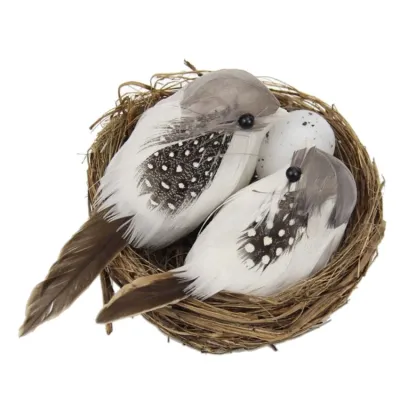
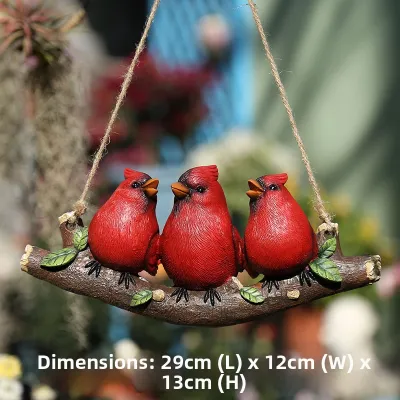
Prices are valid at publication and may change. Please refer to the product page for the latest price.
Define the Role of the Bird Figurine in Your Space
Decide whether your new decor piece will act as a dramatic focal point or a subtle supporting accent. A statement piece is typically larger, features high-contrast colors or unique materials, and demands immediate attention. You might place a single, striking glass bird sculpture on an entryway console table to greet guests. Supporting accents, on the other hand, are smaller and designed to blend into the background, adding depth to a larger arrangement without overwhelming the eye.

Next, assess the specific placement zones in your home, such as coffee tables, floating shelves, mantels, or sideboards. Each zone has unique spatial constraints and viewing angles that dictate the ideal figurine shape. For example, a figurine displayed on a low coffee table will be viewed from above, making its top-down silhouette and surface texture highly visible. If you are placing the figurine on a high floating shelf, look for a piece with a distinct profile or an upward-facing posture that remains recognizable from a seated position below.
Match Materials and Finishes to Your Decor Theme
The material of your bird figurine plays a crucial role in reinforcing your interior theme. Ceramic and porcelain figurines offer a timeless elegance and a smooth, refined look that complements classic, transitional, or Scandinavian interiors. Metal figurines, such as those made of iron, brass, or copper, introduce an industrial or mid-century modern edge, reflecting light beautifully and adding a touch of sophistication.
For rustic, farmhouse, or coastal themes, carved wood bird figurines provide warmth and an organic, tactile quality that connects the indoors with nature. If your home leans toward a sleek, contemporary aesthetic, glass or resin figurines offer clean lines, transparency, and vibrant color possibilities.
Beyond the material itself, consider how the surface finish interacts with your room’s lighting and existing textures. Matte and distressed finishes absorb light, offering a subtle, understated look that works well in cozy, relaxed spaces. Glossy, polished, or brushed finishes reflect light, drawing attention to the figurine and adding a sense of luxury. If your room already has many shiny surfaces, a matte ceramic or wooden bird can provide a welcome textural contrast, balancing the overall visual environment.
Select the Right Size, Color, and Posture
Achieving the right scale and proportion is essential to ensure your bird figurine harmonizes with surrounding objects. A tiny figurine placed next to a massive table lamp will look visually insignificant and lost, while an oversized sculpture on a delicate shelf can make the entire setup feel top-heavy and cluttered. When styling a shelf or mantel, aim for a balanced composition by grouping the figurine with books, candles, or vases of varying heights, ensuring no single object completely dominates the others.
Color selection should also be highly intentional. If you prefer a cohesive, serene atmosphere, choose a figurine in a color that complements your existing palette—such as a soft white ceramic bird against a beige wall. If you want to inject visual interest and create a focal point, select a contrasting color, like a deep blue or vibrant amber glass bird that pops against neutral surroundings.
The posture of the bird figurine also influences the mood of the display area. A perched bird with its wings tucked in conveys a sense of calm, stillness, and tranquility, making it ideal for bedrooms or quiet reading nooks. In contrast, a bird captured mid-flight or with outstretched wings introduces dynamic energy, movement, and a sense of freedom, which can liven up a busy living room or home office.
Practical Considerations for Display and Maintenance
While aesthetics are vital, practical maintenance ensures your figurine remains beautiful over time. Intricate figurines with highly textured feathers or deep crevices are prone to dust accumulation, requiring regular cleaning. For daily maintenance, a soft, dry microfiber cloth or a soft-bristled makeup brush is excellent for gently removing dust from delicate surfaces without causing damage. Always consult the manufacturer’s care instructions before applying any liquid cleaners, as harsh chemicals can strip finishes or damage porous materials like unglazed clay or raw wood.
If you share your home with curious pets or young children, safety is a primary concern. Heavy or fragile figurines placed on low tables or open shelves can easily be knocked over, risking breakage or injury. To secure your decor, consider using a small amount of removable museum wax on the base of the figurine to hold it firmly in place, or display delicate glass and ceramic pieces on high shelves or inside closed glass cabinets out of reach.
Environmental factors must also be managed, particularly in tropical climates like Singapore, where high humidity and intense sunlight are common. Prolonged exposure to direct sunlight through windows can fade painted finishes, yellow clear resins, or warp certain types of wood. To protect your investment, position sensitive materials away from direct sun paths and avoid placing moisture-sensitive wooden figurines in damp areas like bathrooms or near open balcony doors during the rainy season. If you plan to display hanging or wall-mounted bird sculptures, ensure they are securely anchored to prevent falls. For heavy suspended loads or complex wall installations at height, always follow the manufacturer’s mounting instructions or consult a qualified professional to ensure structural safety.
Frequently Asked Questions (FAQ)
Can I mix different bird figurine styles in one room?
Yes, you can successfully mix different bird figurine styles in a single room by establishing a unifying element to prevent visual clutter. This unifying thread could be a consistent material, a shared color palette, or a similar scale. For example, you might display a collection of birds made from different materials like wood, ceramic, and metal, but keep them all within a monochromatic white and grey color scheme. When arranging them, group the pieces together to create intentional vignettes on a tray or shelf rather than scattering them randomly across the room, which can look disorganized.
How do I clean delicate ceramic or wooden bird figurines?
To clean delicate ceramic or wooden bird figurines safely, start by using a dry, soft-bristled brush or a clean microfiber cloth to gently sweep away surface dust. Avoid using water or liquid cleaning solutions on unfinished or hand-painted wooden figurines, as moisture can swell the wood or dissolve the paint. For glazed ceramic pieces, a slightly damp cloth may be used for stubborn spots, but always check the manufacturer’s label first. If you must use a mild soap, test it on an inconspicuous area on the bottom of the figurine first and stop immediately if you notice any discoloration or texture changes.
Community discussion
Share your experience or ask a question. Comments are reviewed before publication.