
Selecting the ideal camphor incense requires a balance of sensory preference, spatial awareness, and strict safety practices. To make the right choice, you must first distinguish between natural and synthetic camphor, match the incense format—whether sticks, cones, or raw tablets—to your daily routine, and verify that your burner can safely handle the heat. By aligning these factors with your home’s layout and ventilation, you can enjoy the purifying, cooling benefits of camphor without overwhelming your living space.
Historically valued for its crisp, menthol-like aroma, camphor serves multiple purposes in modern households, from aiding mental clarity and meditation to acting as a natural insect deterrent. However, because camphor is a highly volatile compound that releases a potent, penetrating smoke, a casual purchase based on packaging alone can lead to an unpleasant, overly smoky, or chemically harsh experience. Understanding the nuances of this distinct botanical aromatic ensures you select a product that enhances your environment safely and effectively.
Understanding Camphor Purity and Ingredient Labels
The foundational step in choosing camphor incense is understanding the stark difference between natural and synthetic camphor. Natural camphor is derived from the wood of the Cinnamomum camphora tree, native to parts of Asia, through a meticulous process of steam distillation. This natural extract contains a complex matrix of organic terpenes that yield a balanced, woody, and cooling aroma that feels clean and refreshing rather than sharp. In contrast, synthetic camphor is chemically manufactured from pinene, a derivative of turpentine. While synthetic alternatives are highly accessible and cost-effective, they frequently emit a harsh, aggressive scent with noticeable chemical or petroleum-like undertones that can quickly cause discomfort indoors.
Products mentioned in this guide
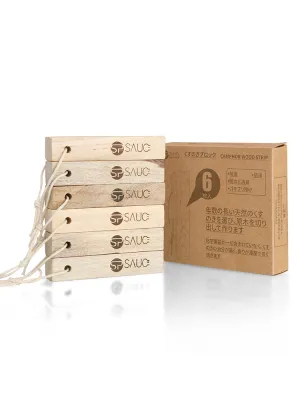

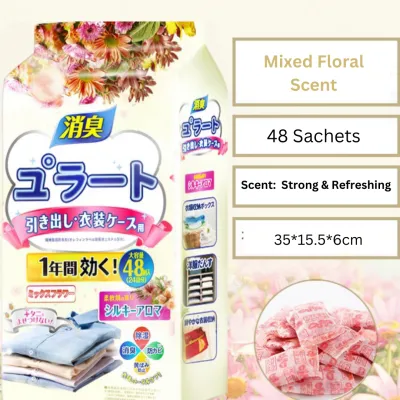

Prices are valid at publication and may change. Please refer to the product page for the latest price.
To ensure you are purchasing a genuine product, you must look closely at the ingredient list and manufacturer packaging rather than relying on front-of-box marketing terms. Labels that feature the botanical name Cinnamomum camphora or explicitly state “100% natural camphor wood powder” indicate a plant-derived product. Be skeptical of vague terminology such as “camphor-scented,” “perfumed incense,” or “natural-identical compounds,” as these are common industry descriptors for synthetic formulations blended with standard wood fillers. Reliable manufacturers will openly disclose their ingredient percentages and specify whether the binding agents used are natural plant gums, such as tabu powder (Machilus thunbergii), rather than synthetic adhesives.
You can also verify purity through secondary physical observations during and after the burning process. Natural camphor incense releases a clean, light-colored smoke and leaves behind a soft, light-gray, fine powdery ash that is easy to clean. Synthetic camphor incense, due to its chemical binders and petroleum-derived compounds, often produces a heavier, darker soot that can stain nearby walls or surfaces. Additionally, synthetic products frequently leave a sticky, dark, tar-like residue on the burner that is difficult to scrub away. While these physical traits are observed post-purchase, they serve as excellent verification steps to guide your future selections. Always remember that material names printed prominently on packaging are not guaranteed proof of performance or purity; detailed ingredient disclosures remain your most reliable tool.
Matching Scent Strength to Your Intended Use Scenario
Camphor smoke is characterized by its highly penetrating, cooling, and diffusive nature. When burned, the volatile compounds interact with sensory receptors in your nasal passages, creating a distinct cooling sensation that can rapidly fill a room. Because of this high diffusion rate, matching the scent strength of your incense to your specific room size and ventilation capacity is essential to prevent sensory overload or olfactory fatigue.

For small or enclosed spaces, such as bedrooms, study rooms, or home offices, highly concentrated camphor products can quickly become overwhelming. In these environments, it is best to choose blended camphor incense products where camphor is paired with grounding, mellowing aromatics like sandalwood, cedarwood, or lavender. Sandalwood, with its warm, creamy, and earthy profile, acts as an excellent olfactory anchor, softening the sharp, medicinal edge of camphor and making it suitable for quiet reflection or work. These blends allow you to enjoy the clarifying benefits of camphor in a subtle, non-intrusive manner that supports prolonged focus without causing headaches.
Conversely, large or open-concept areas, such as spacious living rooms, open entryways, or high-ceilinged dining halls, benefit from higher-purity or stronger camphor products. In these larger volumes of air, a light blend may quickly dissipate and lose its efficacy. Stronger camphor products can travel effectively across open layouts, neutralizing stagnant air, dampness, and cooking odors. This is particularly useful in tropical climates where humidity can trap odors indoors, making a strong, purifying sweep of camphor highly refreshing.
Your choice should also align with your specific user intent. If your goal is light relaxation or winding down before sleep, a low-smoke, highly diluted camphor blend is ideal. For deep focus during meditation or yoga, a solid-core, low-smoke stick provides a steady, subtle stream of aroma. If you are performing traditional space cleansing or ritual purification, a highly concentrated pure camphor tablet burned briefly will deliver the rapid, intense scent release required. Because personal tolerance to camphoraceous compounds varies widely, always start by burning a very small amount to assess your comfort level before committing to a full-strength session.
Choosing the Right Form for Your Burner and Routine
The physical form of your camphor incense determines not only how it burns but also the type of burner equipment you will need and how easily the practice fits into your daily schedule.
Sticks and Cones for Daily Aromatherapy
Sticks and cones are the most practical formats for regular, low-maintenance home use, offering predictable burn times and straightforward cleanup. When selecting sticks, you will encounter two primary structures: Japanese-style solid-core sticks (senko) and Indian-style bamboo-core sticks (agarbatti). Solid-core sticks consist entirely of aromatic wood powder and binders, meaning they burn with minimal smoke and deliver a highly pure camphor scent. Bamboo-core sticks, while sturdier and easier to handle, burn the inner bamboo wood alongside the aromatic mixture, which introduces a distinct smoky undertone that can alter the delicate scent profile of the camphor.
Cones offer a different aromatic delivery due to their shape. Because a cone is narrow at the top and wide at the base, the burning surface area increases as it consumes itself. This results in a gradual crescendo of scent and smoke volume, making cones highly effective for rapid scenting of a room during a short, 15-to-20-minute daily routine, such as morning meditation or an evening wind-down. For ash management, standard ceramic, stone, or wooden stick holders with a long groove are perfectly adequate for catching falling stick ash. Cones, however, require a small, heat-resistant brass plate or a specialized covered burner with a fireproof felt insert to prevent the concentrated heat at the base from damaging your furniture.
Tablets, Pellets, and Blocks for Rituals and Deep Cleansing
Solid camphor blocks, tablets, and pellets represent camphor in its most concentrated, unadulterated state, free from the wood fillers and binders used in sticks and cones. These solid forms do not simply smolder; instead, they melt and sublimate, transitioning from a solid to a liquid and then directly into a highly potent vapor. Because of this unique physical behavior, solid camphor burns at exceptionally high temperatures and creates a pool of liquid fuel that presents specific handling requirements.
Standard incense stick holders or thin decorative plates are entirely unsuitable and dangerous for solid camphor. You must use dedicated, highly heat-resistant burners made of heavy-gauge brass, solid copper, or thick stoneware ceramic bowls filled with clean sand or ash to absorb the heat. Solid camphor can be burned traditionally by placing a tablet directly onto a lit charcoal disc, which triggers a rapid, dense, and highly intense release of purifying smoke. Alternatively, you can use non-flame electric camphor diffusers, which utilize an internal heating element to gently heat a metal dish containing the tablet.
If you choose to use an electric burner, you must verify that the device is compatible with your local electrical standards. In Singapore, ensure the burner is rated for a 220V-240V power supply, carries appropriate electrical safety certifications (such as the Singapore Safety Mark for locally purchased appliances), and does not exceed the manufacturer’s specified wattage limits. Always ensure the device is plugged into a stable outlet, keep it away from wet areas, and isolate the power completely by unplugging it when not in use. Additionally, because hot, liquefied camphor residue is highly flammable and can cause severe skin burns, never attempt to move, clean, or touch the burner until the residue has cooled completely and returned to a solid state.
Safety, Ventilation, and Burner Compatibility
To enjoy the benefits of camphor incense without risk, you must establish clear safety protocols, maintain proper ventilation, and verify the compatibility of your burning equipment. Because camphor is a volatile, flammable substance, treating it with the same caution as an open flame is essential for home safety.
Fire safety boundaries require that you place your burner on a stable, level, and non-flammable surface, such as a heavy stone coaster, a ceramic tile, or a metal tray. Keep the burner far away from drafty windows, ceiling fans, air conditioning vents, curtains, hanging fabrics, paper, and any other combustible materials. Never leave a burning incense stick, cone, or tablet unattended, and ensure that active burners are placed completely out of reach of pets and children who might accidentally tip them over.
Proper ventilation is non-negotiable when burning camphor incense. In humid, tropical climates like Singapore, many households keep windows closed to run air conditioning, creating sealed environments where smoke and volatile organic compounds can accumulate rapidly. Burning camphor in an unventilated room can quickly cause respiratory irritation, coughing, and watery eyes. Always ensure that at least one window or door is cracked open to establish a steady cross-breeze, allowing fresh air to circulate and excess smoke to escape. If you notice the smoke becoming thick or heavy, immediately extinguish the incense, open all windows, and step out of the room until the air clears.
Burner material compatibility is another critical factor. Camphor burns at a significantly higher temperature than standard wood-based incense, and its melting phase can easily crack thin glass, melt plastic, or scorch unverified decorative bowls. Stick strictly to robust, heat-proof materials such as solid brass, copper, or specialized refractory ceramics. Before using any new incense product or burner, always consult the specific safety, installation, and usage guidelines provided by both the incense and burner manufacturers. If the instructions conflict, or if you are unsure of the material limits, prioritize safety by using a more heat-resistant setup or consulting a qualified professional.
Quick Selection Guide: Camphor Incense by Scenario
To help you quickly identify the most suitable camphor incense configuration for your specific household needs, refer to the conditional selection guide below.
| Intended Scenario | Recommended Form | Scent Strength | Burner Type | Key Considerations |
|---|---|---|---|---|
| Daily Meditation / Focus | Solid-core (Japanese-style) sticks or low-smoke blends | Low to Medium | Standard ceramic or stone stick holder | Choose blends with sandalwood to ground the scent; ensure a gentle cross-breeze. |
| Living Room Freshening | Bamboo-core sticks or high-quality cones | Medium to High | Covered burner with ash catcher or brass plate | Ideal for dispersing damp, humid odors; keep away from active ceiling fan drafts. |
| Traditional Rituals / Cleansing | Pure camphor tablets or blocks | High | Heavy brass bowl, charcoal burner, or electric diffuser | Generates dense smoke; requires wide-open windows and strict fire monitoring. |
| Bedroom Relaxation | Highly diluted camphor-lavender or camphor-floral blends | Low | Shallow ceramic holder or covered burner | Burn at least 30 minutes before sleep; extinguish completely before lying down. |
When using this guide, remember that these recommendations are conditional on your specific living environment. For instance, if you live in a compact apartment with limited window openings, you should default to lower scent strengths and low-smoke forms, even in scenarios where a higher strength is typically recommended. Always prioritize your home’s actual ventilation capacity and your personal comfort levels over generic scenario matches.
Frequently Asked Questions (FAQ)
Is camphor incense safe to use around pets?
No, camphor incense should not be burned in close proximity to pets, as many animals are highly sensitive to its volatile compounds. Cats, birds, and small mammals have highly delicate respiratory systems, and cats specifically lack the necessary liver enzymes (glucuronyltransferase) to safely metabolize and detoxify camphor and other concentrated essential oils. Inhaling camphor smoke can lead to rapid respiratory irritation, coughing, watery eyes, or more severe neurological symptoms in sensitive animals. If you choose to burn camphor incense, always do so in a separate, well-ventilated room that your pets cannot access, keep the incense and burners stored securely out of reach, and ensure the room is completely aired out before allowing pets back inside. If you observe any unusual behavior, lethargy, or respiratory distress in your pet, immediately move them to fresh air and consult a qualified veterinarian.
How can I safely clean camphor residue from my burner?
To clean camphor residue safely, you must first wait for the burner to cool down completely to avoid thermal shock or accidental burns. Once cool, evaluate the burner’s material, as different surfaces require specific care. For non-porous materials like glazed ceramic, solid brass, or copper, you can gently wipe away loose ash and light residue using a soft microfiber cloth dampened with warm, soapy water. Avoid using abrasive scrubbing pads, steel wool, or harsh chemical solvents, as these can permanently scratch the surface or strip away protective lacquer coatings. If the residue is sticky or stubborn, let a warm, damp cloth sit over the area for a few minutes to soften the buildup before wiping it clean. Always consult the burner manufacturer’s care instructions before applying any cleaning agents, and if you encounter delicate, unglazed, or antique materials where the residue appears permanently bonded, stop cleaning immediately and seek professional restoration advice.
Community discussion
Share your experience or ask a question. Comments are reviewed before publication.