
Choosing the right charcoal burner for burning resin incense or bakhoor at home depends on balancing your household’s safety needs with your personal aromatic routine. To enjoy resins like frankincense, myrrh, or copal safely, you need a burner designed specifically to handle the intense heat of quick-lighting charcoal discs. A highly functional vessel features robust heat insulation, a stable and tip-resistant base, and a secure lid or mesh screen to contain sparks, especially in high-density living spaces like Singapore apartments where ventilation and fire safety are paramount. By understanding how different materials and designs interact with high heat, you can select a burner that protects your surfaces while delivering a clean, consistent fragrance experience.
Assess Your Home Environment and Safety Needs
Before selecting a burner, evaluate the daily dynamics of your living space to establish your safety baselines. If your household includes curious pets, young children, or high-traffic walkways, lightweight or easily tipped burners present a significant hazard. In these environments, prioritize heavy, wide-based vessels or enclosed designs that keep the hot charcoal completely out of reach. A heavy stone or cast-iron burner is much harder to knock over accidentally than a delicate, top-heavy ceramic piece.
Consider where you plan to place the burner and check the heat tolerance of those surfaces. Materials like polished wood, glass, and certain natural stones can crack, warp, or discolor when subjected to intense, localized heat. If you intend to place your burner on these delicate surfaces, look for models with integrated insulated feet or plan to use an external thermal barrier. Even a small amount of heat transfer over an hour can permanently ruin a high-quality wood finish.
Products mentioned in this guide
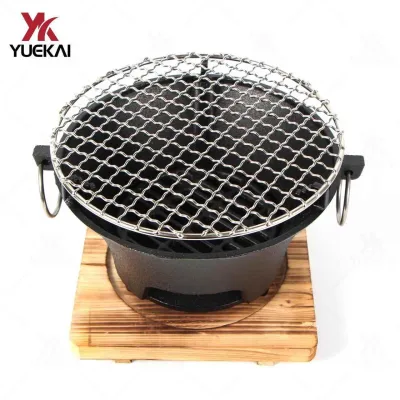
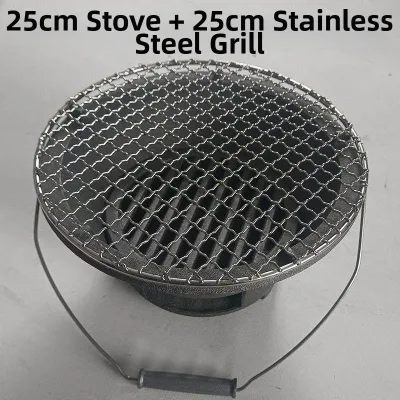
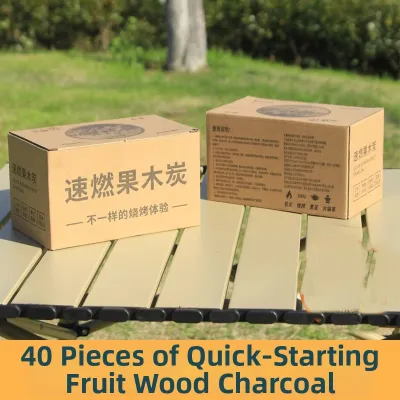
Prices are valid at publication and may change. Please refer to the product page for the latest price.
Your home’s ventilation also dictates the most appropriate burner style for your needs. In compact or air-conditioned rooms common in modern apartments, an open burner can quickly overwhelm the space with dense smoke. Lidded burners with adjustable vents allow you to control the airflow, slowing down the burn rate of your resin and keeping the smoke levels manageable. Proper airflow ensures that the fragrance disperses evenly without triggering smoke detectors or causing respiratory discomfort.
Key Design Features to Look for in a Charcoal Burner
When evaluating charcoal burners, look closely at the structural elements that manage heat transfer. High-quality options often feature double-wall construction, internal air gaps, or thick ceramic, soapstone, or brass walls. Always verify the manufacturer’s specifications regarding exterior temperature limits, as some decorative metals can become dangerously hot to the touch. A well-insulated burner ensures that the exterior remains safe to handle even when the charcoal inside is glowing at peak temperature.

Effective ash and spark containment is another critical safety feature. Some resins crackle and pop as they heat, sending tiny, glowing embers into the air. Choosing a burner with a secure lid, adjustable vents, or a built-in mesh screen helps contain these sparks while still allowing the fragrance to disperse. This is particularly important if you burn incense near curtains, upholstery, or other flammable household textiles.
Safe handling features prevent accidental burns during and after your incense session. Look for burners equipped with heat-resistant wooden or insulated metal handles, secure lid knobs, and a low center of gravity. A wide, heavy base ensures the burner remains stable even if the table is accidentally bumped. Handles should be positioned far enough from the heat source to remain cool throughout the entire burning cycle.
Finally, match the internal bowl diameter to the standard size of the charcoal discs you plan to use. If the bowl is too small, the charcoal will sit too close to the sides, restricting airflow and causing the burner’s exterior to overheat. A well-sized bowl allows at least a few millimeters of clearance around the charcoal disc for optimal air circulation, which helps the charcoal burn cleanly and completely without leaving unburnt resin pockets.
Matching Burner Types to Your Resin Incense Routine
Your choice of burner should align with how you prefer to burn your incense. Traditional open braziers are excellent for quick, intense sessions, such as scenting a room with bakhoor before guests arrive. Because these designs leave the hot charcoal fully exposed, they require constant, active supervision and are well suited for spacious, well-ventilated areas. They allow for rapid heat buildup, which is highly effective for releasing the rich, complex notes of high-quality wood chips and pressed incense blends.
For longer, more meditative sessions using resins like frankincense or myrrh, enclosed or lidded censers are highly practical. The lid helps retain a consistent internal temperature, allowing the resin to melt slowly and release its aroma over an extended period. This design also keeps ashes contained, making it a cleaner option for daily use. The controlled environment inside a lidded censer prevents the resin from burning too quickly, reducing the bitter, scorched notes that can occur with open flames.
Consider whether you need a portable or stationary setup. If you like to carry the smoking burner from room to room to purify the air, look for compact models with long, heat-resistant handles or hanging chains. For a dedicated altar, shelf, or console table, a heavy, stationary stone or cast-iron burner provides maximum stability. Stationary burners often double as beautiful decorative centerpieces, blending seamlessly with your home decor when not in use.
Always verify the material suitability through official product labels and manufacturer instructions. Do not assume that all ceramic, glass, or metal vessels can withstand direct contact with burning charcoal. True charcoal burners are specifically engineered and rated to handle temperatures that exceed those of standard candle flames. Choosing a certified, purpose-built vessel is a critical step in preventing heat-related accidents in your home.
Safe Setup and Usage Checklist for Home Burning
To ensure a safe and pleasant aromatic experience, establish a consistent preparation and lighting routine. Always place your charcoal burner on a dedicated heat-proof mat, silicone trivet, or thick ceramic tile. This extra layer protects your furniture from heat transfer, even if the burner claims to have built-in insulation. Keeping a clear perimeter of at least thirty centimeters around the burner further minimizes any fire risks.
When lighting your charcoal disc, hold it with metal tongs and ignite it in a well-ventilated area, such as near an open window or under an exhaust fan. Wait until the disc is fully glowing and covered in a thin layer of grey ash before placing it inside the burner and adding your resin. This protocol prevents the initial, acrid ignition smoke from filling your living space, ensuring only the pure scent of the resin fills the air.
Never leave a burning charcoal disc unattended under any circumstances. If the exterior of the burner becomes too hot to touch comfortably, or if the smoke becomes uncomfortably thick, safely extinguish the charcoal. You can do this by using metal tongs to submerge the disc in a cup of water, as pouring water directly into a hot burner can cause ceramic to crack or metal to warp.
Allow the burner and the ashes to cool completely to room temperature before attempting to clean or empty the vessel. Once cooled, dispose of the ash safely and consult the manufacturer’s instructions for removing stubborn, sticky resin residue from the burner’s interior. Regular maintenance prevents residue buildup, which can affect the scent profile of your future incense sessions.
Frequently Asked Questions (FAQ)
Can I use a regular candle holder or decorative bowl as a charcoal burner?
No, you should not use standard candle holders or decorative bowls for burning charcoal. Charcoal discs burn at a significantly higher temperature than candle wicks. Using non-rated glass, thin ceramic, or unlined metal vessels can cause them to shatter, warp, or transfer extreme heat directly to your furniture, creating a severe fire hazard. Always use a vessel explicitly rated for charcoal use to ensure it can withstand the thermal stress.
How do I know if a charcoal burner is safe for wooden tables?
To verify if a burner is safe for wooden surfaces, first check the manufacturer’s specifications for heat-insulation ratings. When using the burner, always place a thick thermal barrier, such as a cork or silicone mat, underneath it. Perform a cautious touch test on the very bottom of the burner’s base after ten minutes of use; if the base feels hot to the touch, immediately add a thicker protective barrier to safeguard the wood finish from heat damage.

Community discussion
Share your experience or ask a question. Comments are reviewed before publication.