
Selecting a Chinese prayer table (often referred to as a deity altar or ancestral table) is a deeply personal decision that bridges spiritual devotion with home design. To choose the right table, you must balance spatial constraints, structural safety, material durability, and the specific requirements of your spiritual practices. This guide breaks down the essential factors—from measuring compact housing layouts to evaluating electrical safety for built-in lighting—to help you find a respectful, functional, and beautiful altar for your home.
Measure Your Space and Housing Layout
Before browsing designs, you must accurately assess the physical space where the prayer table will stand. Start by measuring the intended width, depth, and height clearance of the area. If you are considering a tall, multi-tier cabinet or a wall-mounted unit, pay close attention to vertical clearance. Ensure there is ample space above the altar to prevent smoke accumulation and to allow for comfortable reaching during daily rituals.
Housing layouts in Singapore present unique spatial opportunities and limitations. For instance, compact living rooms in Housing & Development Board (HDB) flats require highly efficient furniture footprints. A bulky, deep cabinet might obstruct the natural flow of traffic, whereas a streamlined console table or a floating wall altar can keep the floor space clear. In contrast, larger condominiums and landed properties often feature dedicated alcoves, structural recesses, or separate prayer rooms that can accommodate grander, full-height altar cabinets.
Products mentioned in this guide
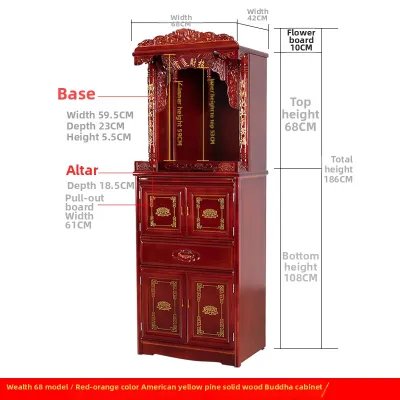
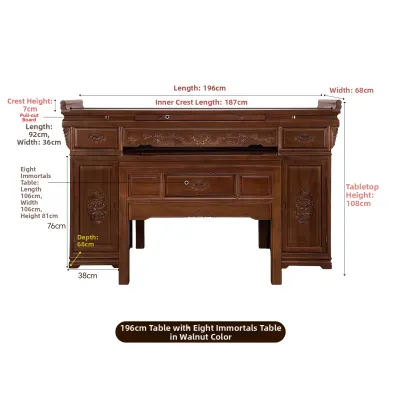
![[CozyNest ]Chinese-Style New Home Altar For Worship Offering Table For Guanyin And Bodhisattva Incense Table Worship Table Offering Ta Homehubplus](https://img.lazcdn.com/g/p/e6592ec64515b3dd82d9a864a9f2ffb5.jpg_400x400q80.jpg_.webp)
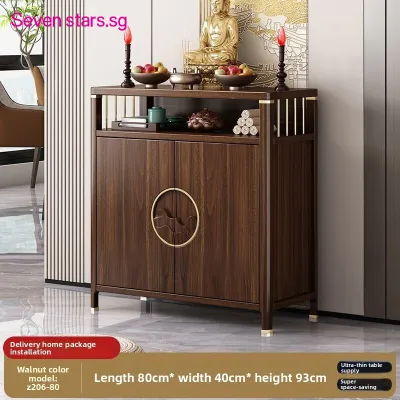
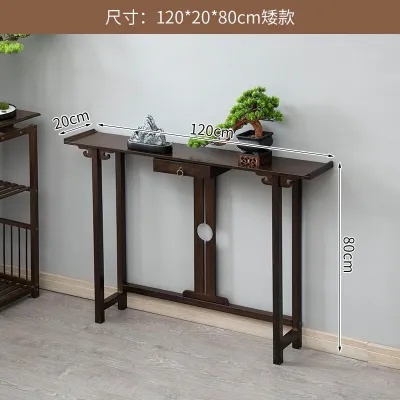
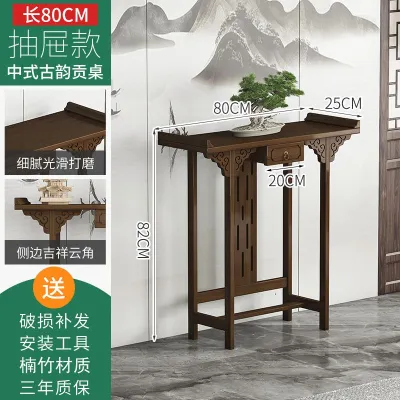
Prices are valid at publication and may change. Please refer to the product page for the latest price.
Ventilation is another critical factor when planning your layout. In enclosed or air-conditioned rooms, incense smoke, candle heat, and oil lamp emissions can quickly accumulate. This buildup often leaves stubborn soot residues on walls and ceilings, and can compromise indoor air quality. Position your prayer table in a well-ventilated area, preferably near a window or balcony, where natural airflow can disperse smoke. Avoid placing the altar directly under air-conditioning vents, as the direct draft can cause candles to burn unevenly and scatter incense ash.
Finally, map out the walking clearance around the table. You will need enough space to stand, bow, or kneel comfortably during daily prayers. During festive gatherings, such as the Lunar New Year or the Hungry Ghost Festival, family members often gather around the altar simultaneously. Ensure that the surrounding pathway remains wide enough to prevent accidental bumps against the table, which could knock over delicate offering cups, incense burners, or statues.
Match the Design to Your Spiritual Practices
The physical configuration of your prayer table should align directly with your specific religious traditions and daily ritual requirements. Different spiritual practices dictate how deities, ancestors, and other sacred items are arranged. For instance, a household that worships multiple deities alongside ancestors will require a layout that respects traditional hierarchies and prevents the mixing of distinct offering zones.

Evaluate your daily ritual habits to determine the necessary surface area. Consider how often you place fresh food, fruit platters, tea cups, flowers, or specific ceremonial items on the table. If your daily offerings are minimal, a compact surface will suffice. However, if your family prepares elaborate feasts during major festivals, you will need a significantly larger tabletop or a design that incorporates secondary pull-out surfaces to accommodate the temporary increase in offering vessels.
Single-Tier vs. Multi-Tier Altars
Single-tier tables offer a minimalist, modern aesthetic that works exceptionally well for focused worship or smaller homes. In this setup, all deities, ancestral tablets, and offering items share the same flat elevation. This design is highly versatile and can easily double as a stylish console table that blends seamlessly with contemporary interior designs. It is ideal for households that worship a single deity or maintain a simplified ancestral altar.
Multi-tier designs, on the other hand, are engineered to support traditional spiritual hierarchies. Typically, deities are placed on the highest tier, ancestral tablets occupy the middle tier, and earth deities (such as Tudi Gong) are positioned at the bottom or on a dedicated floor-level platform. When choosing a multi-tier altar, it is vital to verify the height and depth of each individual tier against the exact dimensions of your existing statues, portraits, and incense burners. Ensure there is sufficient vertical clearance above each statue so that they do not look cramped or touch the tier above them.
Storage and Daily Usage
A well-organized altar area maintains the solemnity and respect required for spiritual practices. Built-in cabinets, drawers, and shelving units are incredibly practical for storing daily ritual supplies out of sight. Keeping joss sticks, candles, matches, prayer books, oil refills, and dedicated cleaning cloths within the altar itself ensures they are always within reach while keeping the main worship area clutter-free.
When evaluating different tables, check the internal dimensions of the storage compartments. Some modern altars feature shallow drawers that may not fit standard-sized incense boxes or tall oil bottles. Look for adjustable shelves or deep lower cabinets if you plan to store bulkier ceremonial items or large packages of charcoal and joss paper. Ensure that drawer slides and cabinet hinges operate smoothly and quietly, as squeaky or sticking hardware can disrupt the peaceful atmosphere of your daily prayers.
Choose the Right Material and Aesthetic Style
The material and aesthetic finish of your prayer table should harmonize with your home’s existing interior design while offering long-term durability. A prayer table is a permanent fixture, so its visual weight and color palette should complement your walls, flooring, and surrounding furniture. Whether you prefer a rich, dark traditional wood or a light, minimalist modern finish, the table should feel like an integrated part of your living space rather than an afterthought.
Environmental factors also play a major role in material selection. Singapore’s tropical climate features high humidity, which can be exacerbated by the frequent cycling of air-conditioning in modern homes. These rapid shifts in temperature and moisture levels can cause certain materials to warp, crack, or peel. Always check the manufacturer’s care instructions and material specifications to ensure the table can withstand these environmental conditions without deteriorating over time.
Solid Wood for Traditional Durability
Solid wood remains the gold standard for traditional prayer tables due to its natural beauty, structural strength, and cultural significance. Woods such as teak, rosewood, and elm are highly favored for their rich grain patterns, deep warm tones, and exceptional longevity. A well-crafted solid wood altar can easily become a cherished family heirloom passed down through generations.
However, solid wood pieces are significantly heavier than their engineered counterparts. Before purchasing a large solid wood cabinet, verify your home’s floor load limits and plan the delivery route carefully, especially if the piece must be carried up stairs. Additionally, ensure the wood surface has been treated with a high-quality, heat-resistant and moisture-resistant sealant. This protective coating is essential to shield the wood from heat marks caused by hot incense burners or candles, as well as water rings from condensation on cold offering cups. Always follow the manufacturer’s care instructions regarding suitable wood polishes and cleaning methods.
Modern Materials for Contemporary Homes
For homeowners seeking a lighter, more modern, or budget-friendly alternative, contemporary materials offer excellent versatility. Engineered woods, such as medium-density fibreboard (MDF) finished with high-pressure laminates (HPL), allow for sleek, minimalist profiles and a wide range of colors—including clean whites, soft greys, and light oak finishes. These materials often feature clean lines and integrated metal accents that blend beautifully with Scandinavian, industrial, or minimalist home decors.
While modern laminates are highly resistant to daily wear and tear, you must verify their heat and moisture resistance ratings. Unlike treated solid wood, some low-grade laminates can peel, bubble, or discolor when exposed to direct heat from incense ash or moisture from spilled offering tea. To protect these surfaces, consider using dedicated heat-resistant glass toppers, stone slabs, or silicone protective mats under your incense burners and candle holders. Always check the manufacturer’s guidelines to understand the limits of the material’s heat tolerance.
Evaluate Practical Features and Accessories
Modern Chinese prayer tables often come equipped with built-in features and accessories that greatly enhance the safety, convenience, and functionality of your daily rituals. Evaluating these features before buying can save you from having to modify the table later.
Lighting: Many contemporary altars feature integrated LED panels, downlights, or spotlights to illuminate the deities and ancestral tablets. When choosing an altar with built-in lighting, verify the electrical specifications. Ensure the system is compatible with Singapore’s standard 230V voltage and uses a compliant plug type (typically a three-pin Type G plug). Check if the lights have recognized electrical safety certifications and verify whether the bulbs are easily replaceable and dimmable. Avoid daisy-chaining multiple power strips behind the altar to power lights, electric oil lamps, and chanting machines, as this poses a serious fire hazard.
Pull-out Trays: An ergonomic pull-out offering tray (or slide-out shelf) is an invaluable feature for space-saving altars. These trays glide out from under the main tabletop to provide extra surface area for arranging food, fruit, and tea cups during prayers. Once the ritual is complete, the tray can be slid back smoothly into the cabinet, keeping the room tidy. Ensure the tray’s sliding mechanism is sturdy and can support the weight of heavy ceramic bowls or fruit platters without sagging.
Incense and Ash Management: Protecting your altar from hot embers is crucial for fire safety. Look for altars that incorporate designated heat-resistant zones, such as tempered glass inserts or metal trays. Some designs feature raised platforms for incense burners to isolate heat, or built-in ash catchers that prevent stray embers from landing on the surrounding wood or laminate surfaces.
Cable Management: If your altar setup includes electronic chanting machines, electric candles, or motorized oil lamps, look for models with built-in cable management. Discreet routing channels, pre-drilled grommet holes, and hidden power strip compartments help keep electrical cords organized and out of sight. This not only maintains a clean, respectful aesthetic but also prevents tripping hazards and reduces the risk of cords being accidentally pulled, which could topple items on the altar.
Plan Safe Placement and Installation
The final step in choosing and setting up your Chinese prayer table is planning its safe placement and secure installation. Proper positioning respects traditional practices while ensuring the physical safety of your household.
Placement Principles: Position your prayer table against a solid backing wall to symbolize stability and support. Avoid aligning the altar directly opposite or adjacent to bathroom doors, kitchen stoves, or high-traffic walkways where the peaceful environment could be disrupted. Traditional guidelines also advise against placing the altar directly under structural overhead beams, as this is believed to create heavy, oppressive energy. Ensure the location is away from drafts that could blow curtains into open flames.
Structural Safety: If you select a heavy solid wood cabinet or a wall-mounted floating altar, structural integrity is paramount. For wall-mounted designs, verify your wall type before drilling. Concrete and brick walls can support significant weight when paired with heavy-duty masonry anchors. However, standard drywalls or partition walls may not support a heavy altar and its contents without professional reinforcement. For any wall-mounting, work at height, or fixed electrical wiring, always hire a qualified professional to ensure the installation is structurally sound and complies with safety standards.
Assembly and Stability: If your prayer table requires assembly, follow the manufacturer’s instructions precisely. For tall, top-heavy, or multi-tier cabinets, anchoring the unit securely to the wall is highly recommended. This prevents the cabinet from tipping forward, which is a vital safety precaution in households with young children, elderly family members, or active pets.
Final Verification: Once the table is assembled and positioned, perform a thorough final check. Use a spirit level to ensure the tabletop is perfectly flat; an uneven surface can cause oil lamps to spill or statues to slide. Confirm that all electrical connections are secure, wires are not pinched under the table legs, and sockets are not overloaded. Finally, test all drawers, doors, and pull-out trays to ensure they operate smoothly without catching or binding.
Frequently Asked Questions (FAQ)
Can I place a Chinese prayer table in a small HDB living room?
Yes, you can comfortably place a Chinese prayer table in a small HDB living room by selecting a compact design. Streamlined single-tier console tables, slim-profile cabinets, or wall-mounted floating altars are excellent options that minimize the footprint. Always measure your available floor space and ensure there is sufficient clearance for you to stand, bow, and open any drawers or pull-out trays without blocking major walkways.
How do I clean and maintain a solid wood prayer table?
To maintain a solid wood prayer table, dust it regularly using a soft, dry microfiber cloth to prevent incense ash and dust from scratching the finish. Avoid using harsh chemical cleaners, abrasive pads, or excessive water, which can damage the protective sealant and warp the wood. For stubborn wax drips or water rings, refer to the manufacturer’s specific care instructions or consult a furniture restoration professional. Always test any specialized wood cleaner on a small, hidden area first.
Do I need to hire a professional to assemble the prayer table?
While many freestanding, flat-pack prayer tables can be assembled as a DIY project using basic tools, hiring a qualified professional is highly recommended for complex setups. You should consult a professional if your altar is made of heavy solid wood, requires secure wall-mounting on concrete or drywall, or features integrated electrical wiring that needs to be connected safely. Professional installation ensures the altar is level, stable, and structurally secure.
Community discussion
Share your experience or ask a question. Comments are reviewed before publication.