
Creating a magical holiday atmosphere at home relies heavily on lighting design. To choose the perfect christmas light colour and style, you must align the colour temperature and physical bulb style with the specific function, safety requirements, and layout of each room. Rather than buying the first set of string lights you find on an online marketplace, taking a strategic approach ensures your home looks cohesive, feels inviting, and remains safe throughout the festive season.
Selecting the right holiday lighting requires balancing aesthetic preferences with practical considerations. By understanding how different light characteristics interact with indoor and outdoor environments, you can transform your living space into a warm, celebratory retreat that suits your household’s lifestyle and design preferences.
Decoding Fairy Light Colours and Styles for Christmas Ambiance
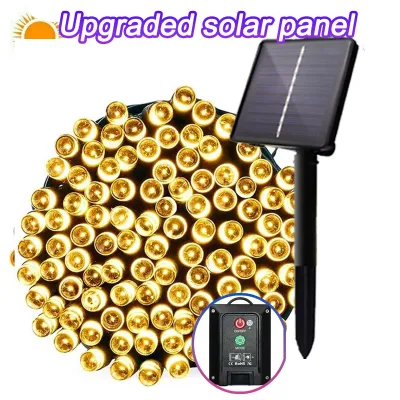
Colour temperature is measured in Kelvin (K) and directly dictates the emotional tone of a space. Warm white lights, typically ranging from 2700K to 3000K, emit a soft, golden glow that mimics traditional candlelight. This temperature evokes feelings of comfort, nostalgia, and intimacy, making it the classic choice for traditional holiday decor.
Products mentioned in this guide
Prices are valid at publication and may change. Please refer to the product page for the latest price.
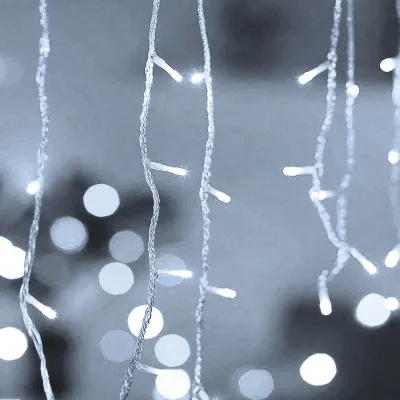
Cool white lights, sitting between 5000K and 6500K, deliver a bright, crisp, and slightly blue-toned illumination. This temperature replicates the look of ice and snow, making it ideal for modern, minimalist themes or winter-wonderland aesthetics. Cool white lights offer high visibility and contrast, though they can sometimes feel sterile if not balanced with softer textures.
Multicolor lights bring a playful, energetic, and nostalgic energy to a room. Typically featuring a vibrant mix of red, green, blue, and yellow bulbs, they are excellent for families with children or anyone looking to capture a retro, whimsical holiday spirit.
Beyond colour, the physical construction of the light strand influences how the light is distributed. Traditional mini bulbs feature robust, insulated green or white wires with prominent plastic bulb casings, offering classic, high-output coverage ideal for dense Christmas trees.
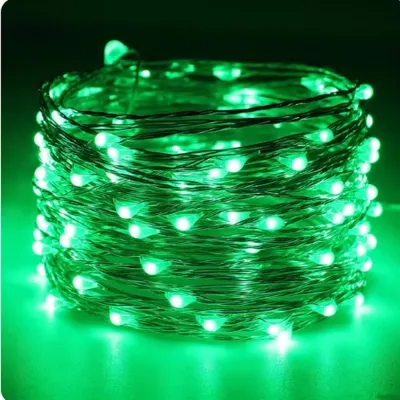
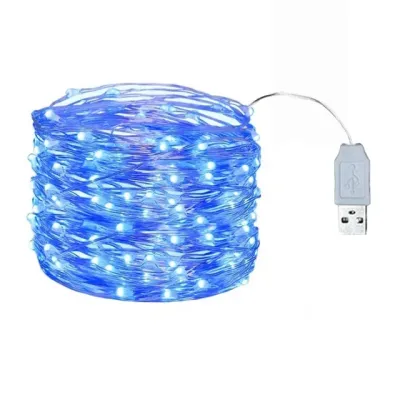
Copper wire string lights, also known as micro fairy lights, feature tiny LED chips embedded along a thin, bendable wire. This style is incredibly flexible and virtually invisible when unlit, making it perfect for delicate wrapping, weaving through foliage, or placing inside glass jars.
Star-shaped or novelty-shaped lights use decorative plastic or metal covers over individual LEDs to serve as standalone design statements. These are best used as accent pieces rather than primary light sources.
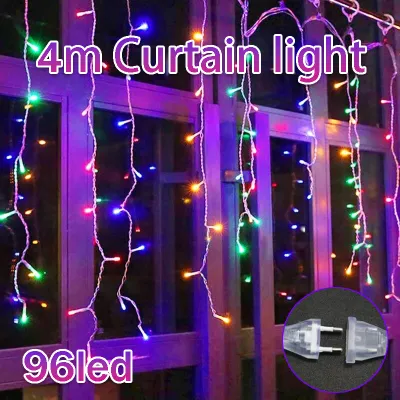
Curtain and icicle lights feature a main horizontal cable with multiple vertical strands dropping down. These are designed specifically for vertical draping over windows, walls, or balcony railings to create a dramatic waterfall effect.
Living and Dining Areas: Crafting a Festive Gathering Space
The living and dining rooms are the social hubs of the holiday home, requiring lighting that facilitates conversation while maintaining a celebratory mood. For these high-traffic areas, warm white or soft, slow-fading multicolor lights work best to establish an inviting, cozy atmosphere.

To elevate these spaces, consider hanging curtain lights behind sheer window panels to create a soft, diffused backdrop. Alternatively, drape star-shaped string lights along fireplace mantels, open shelving, or down the center of the dining table as a glowing runner.
Successful holiday lighting relies on layering rather than relying on a single, bright source. Instead of turning off all overhead lights and sitting in pitch darkness, dim your primary ambient lights and use fairy lights as secondary accent illumination. This prevents harsh glare on television screens or computer monitors while ensuring guests can still see their food and navigate the room safely.
When installing lights in social areas, cable management is a priority. Secure all trailing wires along baseboards or under rug protectors using non-damaging clips or painter’s tape. Keep power strips and adapters away from high-traffic walkways to eliminate tripping hazards, especially when hosting parties with children or elderly guests.
Bedrooms and Kids' Rooms: Designing a Cozy and Magical Retreat
In private, restful spaces, holiday lighting should promote relaxation and preserve sleep hygiene. For adult bedrooms, opt for warm white fairy lights with built-in dimming capabilities, allowing you to lower the intensity as you wind down for the evening.
Copper wire fairy lights are highly suited for bedrooms due to their delicate profile. Try wrapping them gently around wooden bed frames, weaving them through the slats of a headboard, or draping them over indoor potted plants to add a subtle, magical glow that does not disrupt your rest.
When decorating children’s bedrooms, novelty shapes like stars, snowflakes, or small trees add an element of wonder. However, safety must take precedence over aesthetics. Always verify that any lights used in a child’s room are low-voltage (typically 5V to 24V via a USB or step-down transformer) and run cool to the touch even after hours of operation. Avoid designs with easily detachable plastic covers or small parts that could present choking hazards.
Before mounting any lights near a bed, check the manufacturer’s product label for heat emission ratings. Ensure all electrical elements, including the wiring and bulbs, are kept clear of loose bedding, plush pillows, and heavy drapery to prevent heat buildup and potential fire risks.
Choosing the Best Christmas Light Setup for Balconies and Outdoor Patios
Decorating semi-outdoor and outdoor spaces like balconies and patios requires careful attention to weather resistance and electrical safety. In Singapore’s highly humid, tropical climate, sudden downpours and moisture can easily penetrate poorly sealed electrical components.
Before hanging any christmas light sets outside, you must check their Ingress Protection (IP) rating. For covered balconies or patios that might experience light wind-blown moisture, a minimum rating of IP44 is required. For fully exposed outdoor areas, look for IP65 or higher to ensure the casing is completely dust-tight and protected against water jets.
Cool white lights stand out sharply against the dark night sky, making them excellent for exterior visibility and creating a striking look from the street. Multicolor lights are also popular outdoors for their vibrant, festive curb appeal.
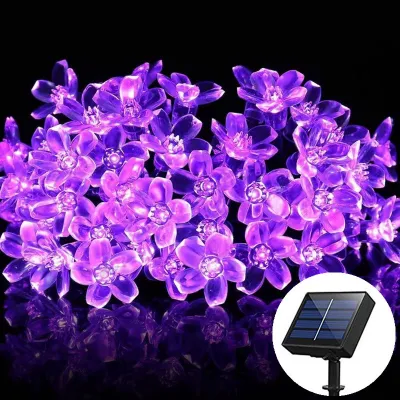
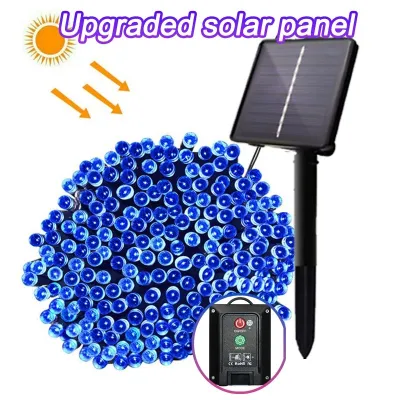
When planning your power source, solar-powered fairy lights offer an eco-friendly, wire-free alternative for sunny, open balconies. However, for shaded patios or consistent, high-intensity brightness throughout the evening, plug-in models remain the most reliable choice.
Always verify that your home’s voltage matches the light set’s requirements, and use only heavy-duty, outdoor-rated extension cords. Never overload electrical sockets or daisy-chain multiple outdoor adapters. For any permanent fixed wiring, work at significant heights, or if local building regulations restrict exterior modifications, always consult a qualified professional electrician.
Versatile Choices: Smart and Multi-Scene Fairy Lights
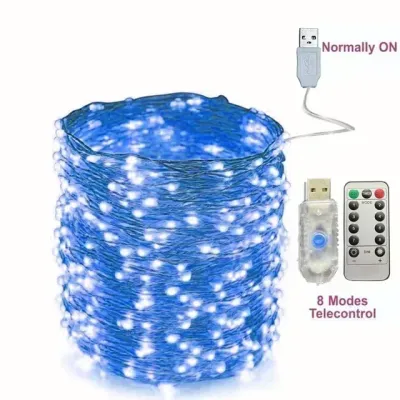
To get the most value out of your holiday decor, look for versatile lighting solutions that adapt to different settings and can be used year-round. Smart fairy lights are an excellent investment, allowing you to toggle between warm white, cool white, and millions of custom colors using a smartphone app or remote control.
These smart systems often feature built-in timers, scheduling, and dimming options. Automating your lights to turn on at sunset and shut off at bedtime helps manage energy consumption and eliminates the need to manually unplug cords every night.
Highly flexible styles, such as copper wire lights or modular star strands, are easy to repurpose once the festive season ends. Instead of packing them away in a box, you can transition them into everyday home decor. Use them to illuminate a bedroom canopy, highlight a gallery wall, or add accent lighting to a home office setup.
Essential Safety and Installation Checks for Holiday Lighting
Before hanging any light strands, a thorough safety inspection is critical to protect your home from electrical hazards. Lay your lights out flat on a clean surface and inspect the entire length of the cable for fraying, exposed copper, or cracked insulation. Check for broken or missing bulbs, and replace them only with compatible bulbs specified by the manufacturer.
Always verify the manufacturer’s maximum wattage limits and linking instructions. While many modern LED strands allow you to connect multiple sets end-to-end, “daisy-chaining” too many strands together can overload the circuit, damage the internal wiring, and create a severe fire risk.
To extend the lifespan of your lights, avoid pulling or stretching the wires during installation. When the holidays are over, take the time to untangle the strands carefully and wind them around a piece of cardboard or a dedicated storage reel. This prevents the delicate internal copper filaments from crimping or snapping while in storage.
If your decorating plan involves hanging heavy suspended light displays or mounting strands to structural surfaces, always verify the weight limits of your mounting hooks or adhesive clips. If you are unsure about the structural integrity of your walls or ceilings, or if you need to work at height, stop and seek professional installation assistance.
Frequently Asked Questions (FAQ)
Can I use indoor fairy lights on my balcony?
No, you should never use indoor-rated fairy lights on a balcony or any outdoor space. Indoor lights lack the necessary weatherproofing to protect against humidity, condensation, and rain. Using them outdoors can cause short circuits, electrical shocks, or permanent damage to the light set. Always check the product packaging for an IP44 or IP65 rating before outdoor use.
How do I calculate the length of fairy lights needed for a window or tree?
To calculate the required length, measure the height and width of the area you plan to cover. For a window frame, add the perimeter measurements and include an extra 10% to 15% to allow for natural draping and reaching the nearest power outlet. For a Christmas tree, a reliable general rule is to use roughly 10 meters of lights (or about 100 LEDs) for every 3 feet (approx. 0.9 meters) of tree height, adjusting based on how densely you like to wrap the branches.
Community discussion
Share your experience or ask a question. Comments are reviewed before publication.