
Selecting a cross sculpture for your home is a deeply personal decision that bridges spiritual significance, artistic expression, and interior design. To find a piece that harmonizes with your living space, you must evaluate several practical factors, including structural form, material durability, spatial proportions, and lighting conditions. By taking a systematic approach to these elements, you can select a sculpture that serves as a meaningful focal point while ensuring safe, long-lasting integration into your home environment.
Understanding Cross Sculpture Types
Wall-mounted cross sculptures are highly favored for their space-saving design, making them ideal for apartments, entryways, and bedrooms where floor and surface space is limited. When choosing a wall-mounted piece, the primary technical consideration is the relationship between the sculpture’s weight and your wall’s structural capacity. Lightweight materials like resin, hollow metal, or thin wood can be hung safely on standard drywall or plaster using basic picture hangers. However, heavier solid stone, wrought iron, or thick hardwood sculptures require robust mounting hardware, such as heavy-duty toggle bolts or masonry anchors, to prevent damage to the wall. Always inspect the back of the sculpture to ensure it features integrated, secure hanging mechanisms like reinforced keyhole slots or welded D-rings rather than flimsy adhesive tabs.
Tabletop and mantel crosses offer excellent versatility, allowing you to easily reposition the decor to suit changing seasonal displays or room layouts. These freestanding sculptures rely entirely on their base footprint for stability, making the design of the pedestal a critical safety and aesthetic factor. A wide, weighted base prevents the sculpture from tipping over if accidentally bumped, which is especially important in households with pets or young children. Additionally, consider the material of the base in relation to your furniture surfaces; rough stone, unpolished ceramic, or exposed metal bases can easily scratch polished wood, glass, or lacquer. To protect your furniture, look for pieces with pre-applied felt, velvet, or silicone pads on the bottom, or plan to apply these protective backings yourself before placement.
Products mentioned in this guide
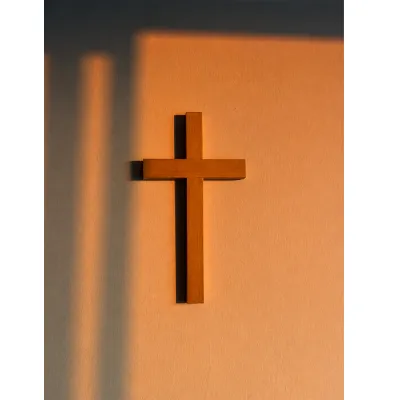
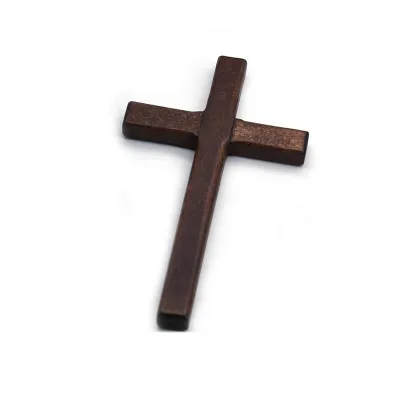
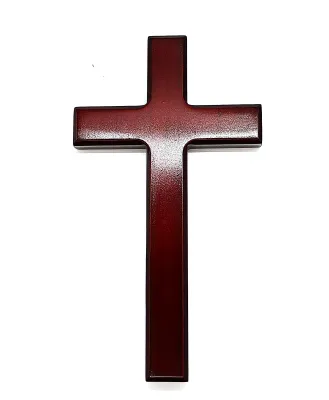
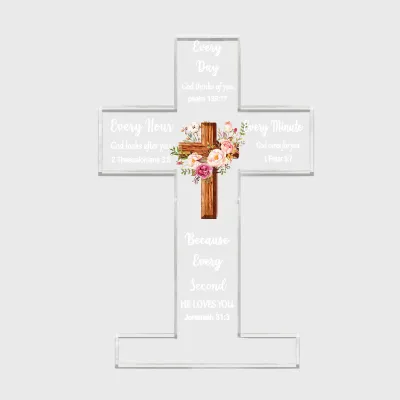
Prices are valid at publication and may change. Please refer to the product page for the latest price.
Floor-standing and large-scale cross sculptures make a powerful architectural statement, often serving as the anchor for an entire room’s design. Because of their substantial height and weight, these pieces demand careful spatial planning to ensure they do not obstruct natural walkways or create safety hazards. Placing a large, heavy sculpture in a high-traffic zone, such as a narrow hallway or near an outward-swinging door, increases the risk of accidental collisions. Instead, position these prominent pieces in quiet corners, dedicated alcoves, or alongside low-profile furniture where they can be appreciated from a safe distance. For maximum safety, particularly with top-heavy designs, consider securing the sculpture to the floor or an adjacent wall using discreet safety brackets or anchors.
Key Sizing and Material Considerations
Achieving the correct visual scale is essential to ensure your cross sculpture looks intentional rather than accidental. An undersized cross on a vast, empty wall can appear visually lost and insignificant, while an oversized piece can overwhelm a small room and make the ceiling feel lower than it is. As a general design guideline, a wall-mounted sculpture should occupy approximately two-thirds of the width of the furniture piece directly below it, such as a console table, bedhead, or mantelpiece. If you are hanging the sculpture on an open wall without anchoring furniture, aim for the piece to cover roughly one-third to one-half of the active wall segment’s width. Before purchasing, use painter’s tape to outline the exact dimensions of the prospective sculpture on your wall or shelf to visually test the scale from various viewing angles in the room.

The material of your cross sculpture dictates not only its visual aesthetic but also its weight, tactile quality, and longevity. Solid wood offers a warm, organic feel with unique grain patterns that suit rustic, traditional, and modern organic interiors alike. Metal sculptures, ranging from polished brass and copper to matte black wrought iron, provide structural strength and can be crafted into sleek, minimalist lines or intricate, hand-forged details. Stone and marble sculptures carry a sense of permanence and classical elegance, though their extreme weight requires careful handling and structural support. For highly detailed, sculptural reliefs or complex modern shapes, high-quality resin and cast stone offer a lighter, more cost-effective alternative that can convincingly mimic the appearance of heavier natural materials.
Environmental conditions within your home play a significant role in the aging and preservation of different materials. In regions with high humidity or tropical climates, untreated wood is highly susceptible to warping, cracking, or developing mold, while low-grade ferrous metals may begin to rust over time. If you plan to place a sculpture in a high-moisture area, such as a bathroom, kitchen, or semi-outdoor patio, prioritize moisture-resistant materials like sealed resin, stainless steel, treated brass, or glazed ceramic. Direct, prolonged exposure to sunlight through large windows can also degrade materials, causing painted finishes to fade, wood stains to bleach, and certain resins to yellow or become brittle. To prevent this degradation, position delicate or painted sculptures away from direct sunbeams, or apply a UV-resistant protective clear coat if the manufacturer’s instructions permit.
Matching Style and Placement to Your Space
Integrating a cross sculpture into your existing home decor requires matching its design language with your room’s overall aesthetic. For modern and minimalist spaces, look for sculptures with clean, unadorned lines, geometric proportions, and monochromatic finishes like matte black, brushed steel, or light-toned natural wood. Rustic, farmhouse, or industrial interiors benefit from distressed finishes, reclaimed wood, hammered metals, and visible hand-crafted imperfections that add character and warmth. Traditional and classic homes are well-suited to ornate, carved wooden crosses, polished brass, or stone sculptures featuring classical motifs and detailed relief work. By aligning the sculpture’s finish and form with your established design theme, the piece will feel like a natural extension of the architecture.
Deciding whether your cross sculpture will stand alone or form part of a larger display influences how you should style and position it. A large, highly detailed, or brightly colored sculpture works best as a standalone statement piece, placed on a neutral wall or a dedicated pedestal where it has plenty of visual “breathing room” to command attention. Conversely, smaller or more understated crosses can be beautifully integrated into a curated gallery wall, surrounded by framed art, family photographs, and other decorative objects. When creating a gallery display, maintain visual balance by placing the cross slightly off-center to avoid a rigid, overly formal look, and ensure the spacing between all items is consistent to prevent a cluttered appearance.
The way light interacts with your cross sculpture can dramatically alter its appearance, highlighting hidden textures and creating depth through shadows. Natural daylight shifting throughout the day will cast changing shadows, particularly on sculptures with deep relief carvings or three-dimensional layered designs. To enhance the sculpture’s presence during the evening, consider installing dedicated accent lighting, such as a directional ceiling spotlight, a track light, or a low-profile picture light mounted directly above the piece. Warm, angled lighting emphasizes the texture of hand-carved wood or hammered metal, while soft, diffused ambient light is ideal for smooth, polished surfaces like marble or glass to prevent harsh, distracting glare.
Pre-Purchase Inspection and Buying Checklist
Before finalizing your purchase, conduct a thorough inspection of the sculpture’s structural integrity to ensure it is safe and durable. For metal sculptures, closely examine the weld points; they should be smooth, continuous, and free of visible cracks, pinholes, or slag. For wooden pieces, check the joints where the vertical and horizontal beams meet to ensure they are tightly fitted, flush, and free of excess glue residue or separation. If you are buying a wall-mounted cross, verify that the hanging bracket is securely fastened to the main body of the sculpture with screws or heavy-duty welds, rather than simply glued to the surface, which can fail under tension.
The quality of the finish is a direct indicator of the craftsmanship and longevity of the sculpture. Run your fingers along the edges and corners of the piece to check for sharp burrs, splinters, or rough patches that could cause injury during handling or scratch your walls and furniture. Inspect the surface coating under bright, direct light to ensure paint, varnish, or powder coatings are applied uniformly without runs, drips, bubbles, or thin spots. If the sculpture features decorative inlays, such as mother-of-pearl, metal wire, or contrasting wood, verify that these elements are completely flush with the surrounding surface and securely bonded without gaps.
When shopping on online marketplaces or specialty decor websites, careful listing evaluation is crucial to avoid common purchasing pitfalls. Never rely solely on product photos, which are frequently digitally edited and scaled incorrectly against stock backgrounds; always locate the written specifications and measure the dimensions in your physical space using a tape measure. Read customer reviews specifically looking for feedback regarding packaging quality, as fragile materials like ceramic, glass, and detailed resin require robust protective wrapping to survive transit. Finally, review the seller’s return and exchange policies, ensuring they offer clear recourse and return shipping protections in the event that the sculpture arrives damaged or does not match the advertised description.
Frequently Asked Questions (FAQ)
How do I safely clean and maintain different cross materials?
Porous and natural materials, such as untreated wood, unglazed stone, or delicate plaster, require a gentle, dry-cleaning approach to prevent staining or moisture absorption. Use a soft-bristled brush, a clean makeup brush, or a dry microfiber cloth to gently sweep away dust from intricate carvings and crevices without applying heavy pressure. For sealed wood, metal, and resin sculptures, you can use a slightly damp microfiber cloth followed immediately by a dry cloth to prevent water spots or mineral buildup. Avoid using harsh chemical cleaners, abrasive scrubbing pads, or household polish on metal finishes, as these can strip away protective clear coats, accelerate tarnishing, or discolor the material. If you are caring for an antique, highly delicate, or valuable heirloom piece, refrain from applying any liquid cleaners or waxes, and consult a professional conservator to preserve its historical integrity.
What hardware is required for hanging a heavy wall-mounted cross?
Securing a heavy wall-mounted cross safely requires matching the mounting hardware to both the weight of the sculpture and the specific construction of your wall. For standard drywall or hollow plaster walls, lightweight crosses can use simple plastic wall anchors, but heavier pieces must be anchored directly into a wooden wall stud using heavy-duty wood screws. If a stud is not positioned where you want to hang the piece, you must use metal toggle bolts or heavy-duty hollow wall anchors rated for at least double the weight of the sculpture. For solid concrete, brick, or masonry walls, you will need to drill a pilot hole using a masonry drill bit and insert plastic or metal expansion anchors paired with matching screws. Always use a reliable scale to weigh the sculpture before installation, check the load rating printed on the hardware packaging, and if you are working at height, handling an exceptionally heavy load, or feel unsure about the structural integrity of your wall, hire a qualified professional installer to complete the task safely.
Community discussion
Share your experience or ask a question. Comments are reviewed before publication.