
Selecting the perfect daruma is a balancing act between physical proportions and personal aspirations. To choose the right one, you must evaluate where the figurine will sit in your home or office and align its traditional color symbolism with your current life goals or the intentions of the person you are gifting it to.
By matching the physical dimensions of the figurine to your available display surfaces and selecting a color that represents your specific milestones, you create a meaningful focal point. This guide provides a practical framework to help you navigate these choices, ensuring your figurine serves as both an elegant decor piece and a powerful daily reminder of your personal journey.
Quick Guide: Matching Daruma Size and Color to Your Needs
When selecting a daruma, your decision rests on two primary axes: the physical constraints of your display area and the specific personal or gifting goals you want to support. A mismatch in size can make your space feel cluttered or leave the figurine looking lost, while choosing the wrong color might misalign with the specific milestone you wish to mark.
Products mentioned in this guide
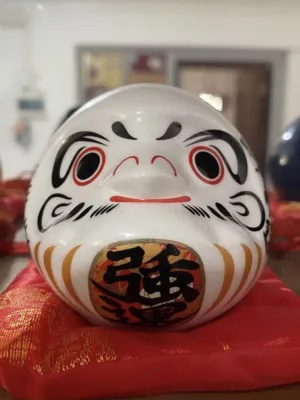
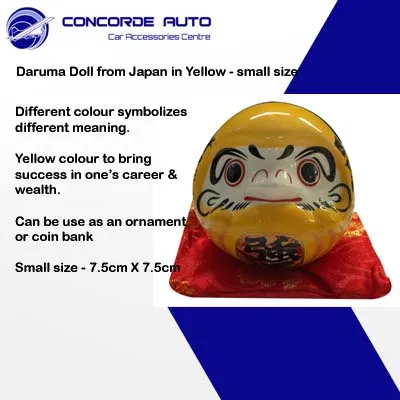
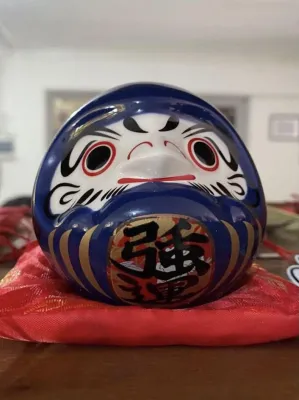
![[Local Seller] Mini Daruma Lucky Luck 5pcs Fortune Cat Set Display Japanese Miniature Doll Desktop Ornaments](https://img.lazcdn.com/g/p/b70d10387dd8fd79a324a06a7e72957e.jpg_400x400q80.jpg_.webp)
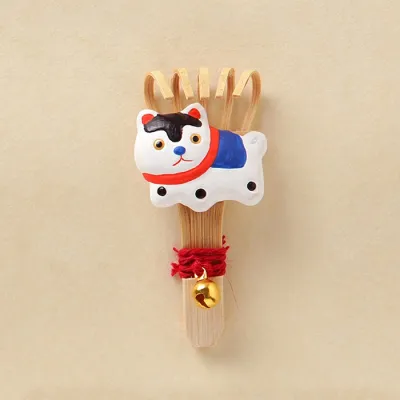
![[SG INSTOCK] Daruma Sloth Darusloth Phone Charm Acrylic Mobile Phone Chain Pendant Small](https://img.lazcdn.com/g/p/5613d6886ed387a23c662f42b882500d.jpg_webp_400x400q80.jpg_.webp)
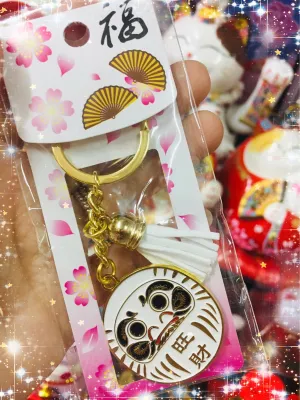
Prices are valid at publication and may change. Please refer to the product page for the latest price.
Traditional color meanings map directly to common life objectives, allowing you to select a hue that acts as a visual anchor for your intentions. For instance, classic red is widely associated with general good fortune, while other shades target specific areas like financial growth or academic success.
As a general rule, let your available display surface dictate the physical size of the figurine, while your current life phase or the recipient’s immediate goals drive the color selection. This ensures the final piece is both visually harmonious and personally significant.
How to Determine the Right Daruma Size for Your Space
Before purchasing a daruma, it is essential to measure the exact depth, width, and height clearance of your intended display area. In compact living environments, such as modern apartments or cozy study nooks, an oversized figurine can easily overwhelm a shelf or desk. Conversely, a miniature piece may lose its visual impact if placed on a large, open sideboard or a spacious entryway console.

Consider the surrounding decor and the overall visual weight of the items already occupying the space. If you plan to place the figurine on a crowded bookshelf or alongside other decorative objects, a smaller size—typically between 5 to 10 centimeters in height—works best as it integrates seamlessly into clustered arrangements without demanding too much attention.
For dedicated altars, prominent mantelpieces, or central display niches, a medium-sized figurine of 12 to 20 centimeters serves as an excellent focal point. These mid-sized options carry enough visual weight to stand alone, drawing the eye and highlighting the craftsmanship of the piece without crowding the surrounding area.
If you are looking to make a bold statement in a spacious office lobby, a large retail display, or a wide floor-standing shelving unit, larger artisanal pieces exceeding 30 centimeters are highly effective. These substantial figurines require ample breathing room and should ideally be placed on stable, dedicated surfaces where they will not be easily bumped or obscured by daily activity.
Always check the base footprint of the figurine against your shelf depth, especially if you are using enclosed glass cabinets or floating shelves. Because these figurines feature a rounded, weighted bottom designed to keep them upright, they often require a slightly wider and more stable flat surface than standard flat-bottomed sculptures.
Choosing a Daruma Color Based on Your Goals and Intentions
While the classic red daruma remains the most recognizable option, a wide spectrum of colors exists to represent different aspirations and milestones. Selecting the right color allows you to tailor the figurine to your specific life path, turning it into a personalized symbol of encouragement.
- Red: This traditional color represents overall good luck, perseverance, and general fortune. It is the ideal choice for those embarking on a broad new chapter or seeking general protection and resilience in daily life.
- Gold or Yellow: Closely tied to wealth, prosperity, and financial success. This option is highly popular for business owners, those seeking career promotions, or individuals aiming to improve their personal savings and investment goals.
- White: Symbolizing purity, peace, and new beginnings. A white figurine is highly suited for individuals starting a new relationship, moving into a new home, or seeking a fresh, mindful start in their personal habits.
- Black: Associated with protection, warding off negativity, and overcoming adversity. This color is often chosen by those facing significant challenges, navigating difficult transitions, or wishing to keep negative influences out of their home or workspace.
- Green: Linked to health, vitality, and physical well-being. It serves as a thoughtful reminder for those focusing on fitness goals, recovering from illness, or seeking overall mental and physical balance.
- Purple or Blue: Often representing personal growth, academic achievement, and intellect. These shades are excellent companions for students preparing for major examinations or professionals undertaking intensive skill development.
While traditional meanings provide a strong foundation for your choice, your personal aesthetic preferences and existing interior color schemes are also valid secondary factors. If a specific color resonates with your home decor or brings you a sense of calm, that personal connection is just as valuable as historical symbolism.
Personal Use vs. Gifting: Adjusting Your Selection
When buying a daruma for yourself, you have the luxury of knowing your exact space constraints and personal goals. However, when selecting one as a gift, you must carefully consider the recipient’s living situation, their familiarity with the cultural tradition, and their current life aspirations.
If you are unsure of the recipient’s specific home layout or decor style, it is safest to opt for a versatile, smaller size. A compact figurine can easily find a home on a work desk, a bedside table, or a small entryway shelf without requiring the recipient to rearrange their entire living space to accommodate it.
When the recipient’s exact goals are private or unknown, choosing a universally positive color like classic red or gold is highly recommended. These colors carry broad, uplifting messages of luck and prosperity that are appropriate for almost any occasion, from housewarmings to graduation ceremonies.
It is also important to consider the etiquette of the goal-setting ritual when gifting. Traditional etiquette dictates that you should always present the figurine with both eyes blank, allowing the recipient to paint the first eye themselves while making their own wish, rather than pre-determining the goal for them.
Displaying and Maintaining Your Daruma
To preserve the vibrant painted finish and structural integrity of your figurine, proper placement is key. Because traditional figurines are often crafted from paper-mache or delicate ceramic, they are highly sensitive to environmental factors like moisture and intense light.
Avoid placing your figurine in areas with high humidity, such as bathrooms or directly adjacent to kitchen stoves, as moisture can soften paper-mache and cause paint to peel. In tropical climates like Singapore, keeping the figurine in a well-ventilated, air-conditioned room or a dry display cabinet will significantly extend its lifespan.
Keep the display away from direct, harsh sunlight, which can cause the rich pigments to fade over time. A shaded shelf, an inner hallway console, or an office desk away from direct window exposure are ideal locations that protect the colors while keeping the figurine within your daily line of sight.
For routine maintenance, avoid using wet cloths, liquid cleaners, or harsh chemical solvents, which can dissolve the water-based paints used on traditional figurines. Instead, gently remove dust using a soft, dry microfiber cloth or a clean, dry makeup brush to reach into the delicate crevices around the face.
Remember that the eye-painting ritual is a personal, mindful practice rather than a rigid set of rules. Paint the left eye (from the figurine’s perspective) when you define your goal, and paint the right eye only when that goal is achieved, using this visual progress tracker as a daily source of motivation.
Frequently Asked Questions (FAQ)
What should I do with a daruma after my wish is fulfilled?
Traditionally, once a goal is achieved and both eyes are painted, the figurine is returned to a temple for a ceremonial burning ritual, which symbolizes releasing the spirit and making space for new goals. This practice honors the cycle of effort and achievement while preventing the accumulation of old clutter.
If you do not have access to a local temple that performs this ceremony, you can respectfully keep the completed figurine on display as a cherished memento of your hard work. Alternatively, you can perform a mindful personal disposal by wrapping the figurine in clean paper with a pinch of coarse salt before placing it in the bin, acknowledging the journey you completed with it.
Can I buy a daruma with both eyes already painted?
Yes, pre-painted versions are widely available, but they serve a different purpose than the traditional blank-eyed versions. Figurines with both eyes already painted are designed purely as decorative art pieces, home ornaments, or symbols of continuous, ongoing protection rather than active goal-setting tools.
If you want to engage in the traditional goal-setting ritual, always look for a version with blank white eyes. This allows you to actively participate in the process of setting an intention, working toward it, and celebrating its eventual completion.
Is it disrespectful to use a daruma purely for home decor?
Using the figurine purely for its aesthetic appeal and craftsmanship is generally accepted, provided it is treated with respect. Many people appreciate the bold design, rich history, and artisanal quality of these pieces as unique additions to their interior decor.
To maintain a respectful presentation, avoid placing the figurine directly on the floor, in bathrooms, or in cluttered, low-visibility areas. Displaying it on an elevated, clean shelf or a dedicated console table honors its cultural origins while allowing you to enjoy its striking visual presence.
Community discussion
Share your experience or ask a question. Comments are reviewed before publication.