
Selecting the right decorative vase is less about the object itself and more about how it converses with your existing space. The ideal choice bridges your room’s current architectural lines, furniture materials, and color palette, acting either as a subtle anchor or a deliberate focal point. In Singapore’s diverse housing landscapes—from compact HDB flats to spacious condominiums—vases serve as versatile design tools that can soften clean modern lines, introduce organic textures, or ground airy, open-plan layouts. By understanding how different materials, shapes, and scales interact with your interior design language, you can curate a space that feels both intentional and harmonious.
Identify Your Core Interior Design Style
Before browsing online marketplaces or local boutique showrooms, take a step back to evaluate the design language of your room. Observe the dominant lines of your large furniture pieces, such as your sofa, dining table, and shelving units. Sharp, angular silhouettes and clean metal frames suggest a modern or minimalist lean, whereas rounded edges, plush fabrics, and warm timber tones point toward Scandinavian, Japandi, or transitional aesthetics. Identifying these existing elements helps you determine whether a new decorative vase should mirror these shapes or provide an intentional, eye-catching contrast.
Next, analyze your room’s color palette and material composition. A space dominated by cool greys, polished concrete, and glass benefits from different decorative accents than one filled with warm oak, rattan, and linen. If your home features a blended aesthetic, such as the highly popular Japandi style which merges Japanese rustic minimalism with Scandinavian functionality, your decor choices should reflect this balance. Look for areas where textures overlap, and note whether your space feels cohesive or if it requires a grounding element to tie different zones together.
Products mentioned in this guide
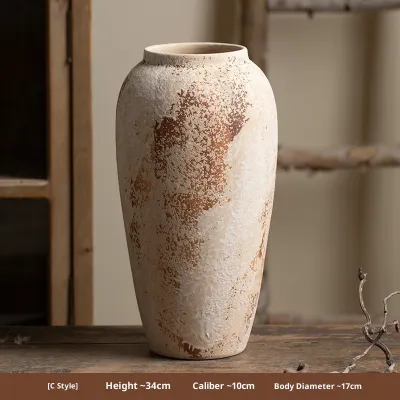
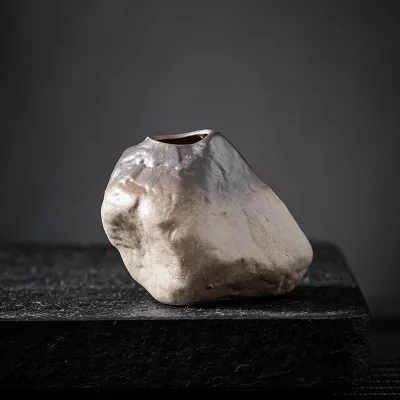
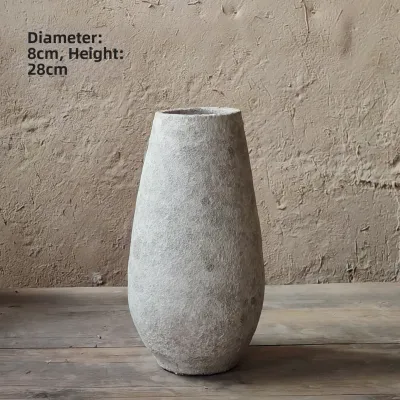
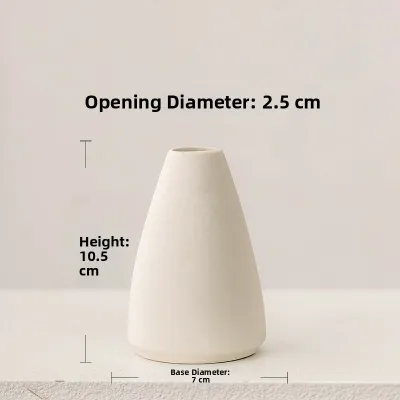
Prices are valid at publication and may change. Please refer to the product page for the latest price.
Finally, locate the primary visual focal points in your room. Decide whether your new vase will sit quietly in the background to support other decor elements or stand alone as a sculptural masterpiece. A vase placed on a busy bookshelf alongside books and framed photos should generally be more understated to avoid visual clutter. Conversely, a large vessel positioned on an entryway console or a minimalist dining table can easily handle bolder shapes and richer textures, serving as the primary conversation starter in the room.
Match Vase Materials and Shapes to Your Aesthetic
The material of a decorative vase dictates its visual weight and how it influences the room’s overall atmosphere. Glass vases, whether clear, frosted, or tinted, offer a sense of lightness and transparency, making them excellent choices for smaller rooms where you want to maintain an unobstructed line of sight. Ceramic and stoneware vessels bring tactile warmth and a sense of permanence, grounding spaces with their solid presence. Metal options, such as brushed brass or matte black iron, introduce structural sophistication and modern contrast, while woven materials like rattan or bamboo inject an organic, relaxed feel.

Shape and silhouette play an equally vital role in how a vase interacts with your furniture. Geometric forms—such as perfect cylinders, spheres, and sharp-edged cuboids—align seamlessly with structured, contemporary interiors, reinforcing a sense of order and precision. Organic, asymmetrical, or hand-thrown silhouettes soften rigid architectural lines, making a room feel more lived-in and approachable. By pairing a curved, flowing vase with a linear sideboard, you create a pleasing visual tension that keeps the eye moving across the space.
Surface finishes also regulate how light behaves within your home. Matte and unglazed finishes absorb light, creating a quiet, understated mood that highlights the raw texture of the material. Glossy glazes and polished metals reflect both natural sunlight and indoor artificial lighting, drawing attention to specific corners and adding a touch of brightness to dimmer areas. Understanding these interactions allows you to select a finish that complements your home’s lighting conditions throughout the day.
Minimalist and Scandinavian Interiors
In minimalist and Scandinavian-style homes, where clutter is carefully avoided, every decorative object must earn its place. Vases in these environments should focus on clean lines, functional beauty, and sculptural simplicity. Matte ceramics in off-white, beige, soft grey, or charcoal work exceptionally well, as do clear or frosted glass vessels that allow light to pass through effortlessly. These materials maintain the airy, uncluttered feel that defines these design movements.
When selecting shapes for these spaces, look for simple geometric forms or smooth, gentle curves that do not compete for attention. A classic cylinder, a tapered bottle shape, or a soft teardrop silhouette provides just enough visual interest without disrupting the room’s serene flow. Keep embellishments to a minimum, avoiding heavy relief patterns, intricate painted details, or overly ornate handles that can make the space feel busy.
Color palettes should remain neutral or monochromatic to preserve a cohesive look. If you wish to introduce color, opt for soft pastels, muted sage greens, or dusty blues that offer a gentle nod to nature. These subtle tones can either blend seamlessly into a white-walled backdrop or provide a quiet, sophisticated contrast when styled with a single, high-quality botanical stem.
Oriental and Japandi Spaces
For homes that embrace Eastern tranquility, traditional oriental aesthetics, or the rustic warmth of Japandi design, the focus shifts toward natural materials and artisanal craftsmanship. Stoneware, coarse clay, and rough-textured ceramics are the hallmarks of this style, celebrating the beauty of imperfection and the passage of time. Hand-carved wood vessels and delicate bamboo weaving also fit beautifully into these serene environments.
Silhouettes in these spaces should lean toward asymmetry and low-profile designs. Look for vases with naturally irregular edges, hand-thrown imperfections, or wide, shallow bowls that encourage minimalist floral arrangements like Ikebana. These organic forms evoke a sense of quiet contemplation and connect the indoor living space directly with the natural world outside.
Color schemes should be deeply rooted in nature, featuring rich earthy tones, deep charcoals, mossy greens, warm terracottas, and sandy beiges. These colors enhance the calming atmosphere of the room. A rough, unglazed terracotta vase paired with dried branches or a single textured stem perfectly captures the essence of rustic simplicity, making it a grounding addition to any living room or bedroom.
Bohemian and Eclectic Rooms
Bohemian and eclectic interiors thrive on personality, layered textures, and vibrant storytelling. In these creative spaces, you have the freedom to experiment with bold colors, intricate patterns, and diverse materials. Colored glass in rich amber, emerald green, or deep cobalt blue catches the light beautifully, while antiqued brass, copper, and highly textured ceramics add depth and character.
Instead of displaying a single standalone vase, eclectic styling encourages clustering multiple vessels together. Grouping three or five vases of varying heights, shapes, and materials creates a dynamic, curated display that feels collected over time rather than bought all at once. To keep the arrangement looking intentional rather than chaotic, try to maintain one unifying element, such as a shared color family or a consistent material accent.
Look for vases that feature tactile details, such as embossed patterns, ribbed textures, reactive glazes, or even woven rattan sleeves. These details add warmth and a relaxed, global feel to your shelving units, coffee tables, or window ledges. Don’t be afraid to mix a vintage ceramic jug with a modern colored glass bottle; the contrast is precisely what gives bohemian spaces their charm.
Consider Scale, Placement, and Lighting
Achieving visual harmony with your decorative vase requires careful consideration of scale and proportion relative to its surroundings. A massive floor vase will overwhelm a narrow hallway, while a tiny bud vase will easily get lost on a large kitchen island or a wide dining table. As a general rule, the height of your vase should be proportional to the surface it sits on; taller vases work well on low coffee tables or consoles to draw the eye upward, while shorter, wider vases are ideal for eye-level shelving where vertical space is limited.
When styling a vase alongside other decorative items like books, candles, or trays, aim to create a balanced composition. Use the “rule of threes” by grouping items of different heights to form a visual triangle, placing the tallest vase at the back or side to anchor the arrangement. Ensure there is adequate breathing room around each object; overcrowding a surface can make even the most beautiful vase look like clutter.
Lighting is another crucial factor that influences how a vase appears in your home. In Singapore, where bright tropical sunlight often streams through large windows, placing a colored glass vase on a windowsill can create stunning, colorful refractions across your floor and walls. Conversely, if you are placing a matte ceramic or textured stoneware vase in a darker corner, consider positioning it under a warm spotlight or near a table lamp to highlight its unique surface details and three-dimensional form.
For safety and stability, always evaluate the weight of the vase and its contents, especially if you plan to place it on high shelves or suspended wall ledges. If you are using hanging planters or wall-mounted vases, ensure you use appropriate wall anchors and check the maximum weight capacity of the fixture. If you are unsure about drilling into walls or securing heavy overhead decor, consulting a qualified professional installer is highly recommended to prevent accidental falls.
Build Your Shortlist: What to Check Before Buying
To ensure your chosen decorative vase is as practical as it is beautiful, compile a quick checklist of physical specifications before making your final purchase. Taking a few minutes to verify these details will save you from the hassle of returns or finding that a piece does not fit your intended space.
- Verify Physical Dimensions: Measure the height, base width, and opening diameter of the vase. Compare these measurements against your planned display area, ensuring there is enough clearance from overhead shelves and that the base does not overhang narrow console tables.
- Check Water Resistance: Not all ceramic or stone vases are glazed on the inside. If you plan to use fresh flowers, verify that the vase is fully waterproof and will not leak moisture onto your wooden or stone furniture. For unglazed or porous materials, use them strictly for dried botanicals or insert a small plastic liner inside to hold water.
- Assess Surface Protection: Heavy ceramic, metal, or stone vases can easily scratch delicate wood veneers, lacquered surfaces, or glass tabletops. Check if the bottom of the vase has built-in protective felt or rubber padding. If it does not, you can easily purchase adhesive felt pads to apply to the base yourself.
- Evaluate Neck and Opening Size: The width of the vase's neck determines what kind of arrangements it can hold. A narrow neck is perfect for supporting a single dramatic monstera leaf or a few eucalyptus stems, but it will not accommodate a full bouquet. A very wide opening requires a large volume of stems to look full, otherwise, the flowers will splay untidily to the sides.
- Electrical Safety Check: If you are considering a modern vase with integrated LED lighting or plan to place a water-filled vase near electrical outlets, television consoles, or low-hanging pendant lights, always prioritize safety. Keep water-filled vessels a safe distance away from power sockets and cords, and ensure any integrated lighting components carry the appropriate electrical safety certifications for your region.
Frequently Asked Questions (FAQ)
Can I mix different vase styles in the same room?
Yes, mixing different vase styles is an excellent way to add depth and personality to your home. The key to successful mixing is to establish a dominant style for about eighty percent of your decor, and then use a contrasting style for the remaining twenty percent as a deliberate accent. To maintain visual cohesion across different styles, try to unify the display through a shared color palette or by repeating a specific material element, such as brass details or matte finishes, across the different shapes.
How do I choose a vase if my room has no distinct style?
If your room is transitional or lacks a defined design theme, opt for neutral, classic designs that can easily adapt to future decor changes. Simple clear glass cylinders or pure white ceramic vases are timeless options that look elegant in almost any setting. Alternatively, look around your room and extract a single color or material cue—such as the warm oak of your dining table or the deep blue of your sofa cushions—and choose a vase that mirrors that specific element to tie the space together naturally.
Community discussion
Share your experience or ask a question. Comments are reviewed before publication.