
Selecting the correct diffuser refill requires matching the physical properties of the liquid or cartridge to the specific mechanical design of your device. Using an incompatible refill can lead to clogged nozzles, degraded plastic components, or electrical hazards. By identifying your device’s mechanism and verifying ingredient labels, you can safely maintain a consistent home fragrance experience.
Identify Your Diffuser Mechanism and Power Source
To choose the correct refill, you must first determine how your device disperses fragrance. Begin with a physical inspection of the unit. Look for a water reservoir, which indicates an ultrasonic model, or a dry glass chamber with a narrow nozzle, which points to a nebulizing system. If the device features a small metal plate or a tray designed to hold solid wax or a shallow pool of liquid, it operates via a heating element. Passive diffusers, such as reed vessels, will simply feature an open neck designed to hold wooden or synthetic sticks without any mechanical parts.
Next, locate the manufacturer label, which is typically found on the base plate or inside the battery compartment. This label often lists the exact model number, power specifications, and the specific mechanism type. If the label is worn or missing, consult the original user manual or search the manufacturer’s official support portal using the physical characteristics of the device.
Products mentioned in this guide


![(80+ Selections) Shangri-La Hotel/ Hilton Hotel/ Westin Hotel/ Lavender/ Jasmine/ Gardenia/ Ocean/ Bluebell/ Rose/ Osmanthus/ English Pear Freesia scent Premium Home Fragrance Reed Diffuser (50ml/ 180ml) / Reed Refill (60ml) Essential Oil [Re.D]](https://img.lazcdn.com/g/p/3531ee3b6bef554bf3880b269eb596d5.jpg_400x400q80.jpg_.webp)
![[SG Stock] Essential Oil Scented Chase Diffuser Refill Aroma Essential Oil Reed (500ml) [Free empty bottle & stick for each order]](https://img.lazcdn.com/g/p/9b618e2c8dac2958fd0111cc791e60c5.jpg_400x400q80.jpg_.webp)
Prices are valid at publication and may change. Please refer to the product page for the latest price.
Understanding the power source is also critical for safe operation. Devices may run on low-voltage USB connections, rechargeable batteries, or direct mains electricity. Mains-powered units and those with integrated heating elements have stricter thermal and electrical limits. Always isolate the power source by unplugging the device before inspecting the interior or adding any refill liquids to prevent accidental short circuits or electrical shocks.
Match Refill Formats to Your Diffuser Type
Different diffusion mechanisms require specific physical formats of fragrance to function safely and effectively. Liquid essential oils, pre-blended fragrance oils, dry wax melts, and sealed proprietary cartridges are not interchangeable. Attempting to use a format not designed for your device can ruin the internal components and void any existing manufacturer warranties.

The chemical composition of the refill liquid dictates how it behaves under different physical forces. Pure essential oils are highly concentrated plant extracts, whereas synthetic fragrance oils are blended with carrier solvents to control evaporation and viscosity. Water-soluble blends are specifically formulated to disperse evenly in water reservoirs, while heavy, oil-soluble mixtures are intended for dry diffusion or passive capillary action.
You must also determine whether your device operates on an open-market system or a closed proprietary system. Open-market diffusers allow you to purchase universal refills from various brands, provided the liquid meets the device’s viscosity and purity requirements. Closed systems, such as smart plug-ins or whole-home HVAC diffusers, often require sealed cartridges or pods with specific physical connectors that cannot be refilled manually.
Liquid and Essential Oil Refills
Ultrasonic diffusers rely on a small, rapidly vibrating ceramic disc to create a fine mist from a mixture of water and oil. For these devices, you must verify that the refill liquid is water-soluble or highly dispersible. High-viscosity oils or thick carrier oils can settle at the bottom of the tank, coating the ultrasonic transducer and dampening the vibrations, which eventually leads to motor strain and device failure.
Nebulizing diffusers, by contrast, do not use water. They use pressurized air to force pure essential oil through a microscopic nozzle, atomizing the liquid directly into the air. Because there is no water to dilute the liquid, nebulizers require low-viscosity, pure essential oils. Thick carrier oils, such as jojoba, sweet almond, or coconut oil, will quickly clog the narrow fluid pathways, causing the pump to overheat and fail.
Heat-based diffusers use a gentle thermal element to evaporate fragrance from a shallow dish. When choosing refills for heat diffusers, you must check the flash point and thermal stability of the oil. Avoid highly volatile, alcohol-based liquids that can ignite at low temperatures. Ensure the operating temperature of your specific heat diffuser does not exceed the safe limits of the fragrance oil to prevent thermal degradation, which can produce unpleasant odors or acrid smoke.
Reed and Capillary Refills
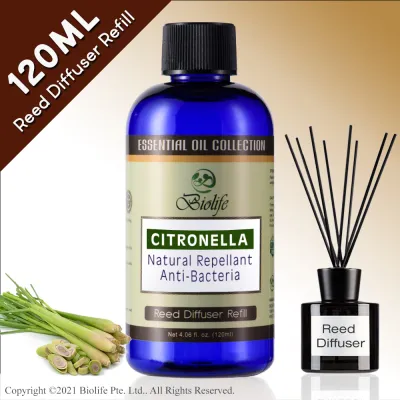
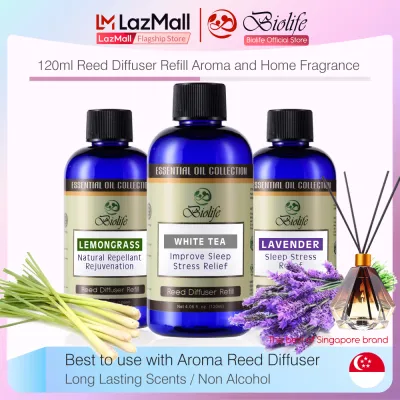
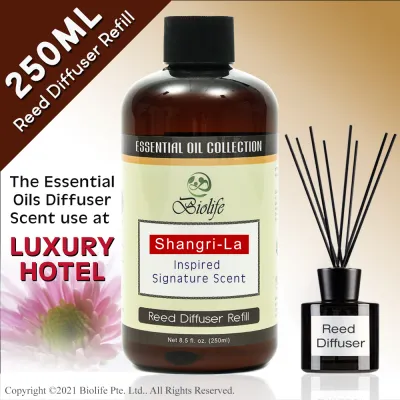
Passive reed diffusers rely on capillary action to draw fragrance liquid upward through porous sticks, where it evaporates naturally into the surrounding air. The performance of a reed diffuser refill depends heavily on matching the viscosity of the liquid to the material of the reed sticks. Natural rattan reeds contain tiny open channels that work best with thin, free-flowing fragrance oils, while synthetic fiber reeds are highly porous and can draw thicker, more viscous oil blends effectively.
Maintaining a passive diffuser involves monitoring the evaporation rate and the condition of the reeds. Over time, dust and airborne particles clog the microscopic pores of the sticks, stopping the capillary action even if the vessel is full of liquid. As a general rule, flip the reeds every few weeks to refresh the scent, and replace the sticks entirely whenever you pour in a fresh batch of refill liquid.
If you plan to reuse an existing decorative glass bottle with a third-party liquid refill, measure the vessel’s neck diameter. A wide opening allows the liquid to evaporate directly from the surface too quickly, depleting the refill prematurely. Ensure the neck is narrow enough to hold the reeds snugly, and verify that the refill bottle comes with a secure, airtight seal to prevent leakage during transport and storage.
Proprietary Cartridges and Pods
Many modern smart diffusers, wall plug-ins, and large-scale scent delivery systems utilize sealed cartridges or pods instead of open liquid reservoirs. To find the correct refill for these systems, locate the exact model number printed on the back or bottom of your device. Branded systems often have subtle design variations between generations, meaning a cartridge for a slightly older or newer model may not fit.
Before purchasing a refill, inspect the physical connector shapes, fluid pathways, and any electrical contact points on the cartridge. Some smart diffusers use microchips or radio-frequency identification tags on the pod to communicate with the device, adjusting the diffusion schedule based on the specific fragrance profile. Using a non-authorized or manually refilled cartridge can cause communication errors, preventing the device from operating.
While third-party or compatible cartridges may be available at a lower cost, they carry functional risks. Poorly manufactured pods may leak liquid directly onto the internal circuit boards, causing permanent electrical damage. Additionally, using non-proprietary refills in a smart or connected device often voids the manufacturer’s warranty, leaving you responsible for any replacement costs if the unit fails.
Verify Safety Limits and Compatibility Labels Before Purchase
Before finalizing your purchase of any diffuser refill, carefully read the ingredient list and safety warnings on the packaging. Manufacturers of electronic diffusers explicitly state which ingredients are prohibited. For example, nebulizer manuals often warn against using synthetic fragrance oils containing dipropylene glycol, a common solvent that can damage the internal seals of the pump. Similarly, ultrasonic devices should not be used with heavy, undiluted carrier oils.
Electrical safety is another critical factor, particularly for plug-in cartridge diffusers that remain connected to mains power for extended periods. Look for recognized electrical safety certifications on the refill packaging and the device itself, such as the Safety Mark, CE marking, or UL certification. These marks indicate that the product has been tested for proper insulation and thermal safety, reducing the risk of short circuits or electrical fires in your home.
Always establish a clear stop condition to protect your home and your equipment. If the refill packaging lacks a clear ingredient list, if the safety certifications are missing, or if you cannot verify the compatibility of the liquid with your specific diffuser mechanism, do not proceed with the purchase. In these cases, halt the process and contact the device manufacturer directly, or consult a qualified home fragrance professional to identify a safe, compatible alternative.
Frequently Asked Questions (FAQ)
Can I use regular perfume or room spray as a diffuser refill?
No, you should not use standard perfumes or commercial room sprays as refills for electronic or heat-based diffusers. Perfumes contain high concentrations of alcohol and synthetic fixatives designed for skin application or aerosol dispersion. When introduced into an ultrasonic water tank, the alcohol can rapidly degrade the plastic housing and corrode the delicate ultrasonic vibrating plate. In heat-based or open-flame diffusers, the high alcohol content poses a severe flammability hazard, creating an immediate risk of fire. Always use liquids specifically formulated and labeled for your exact type of diffuser.
How do I know if a third-party essential oil will work in my branded diffuser?
To evaluate a third-party essential oil, first verify its purity and extraction method. The oil should be 100% pure, with no added carrier oils, synthetic thickeners, or alcohol. Next, consult your diffuser’s user manual to check for any specific viscosity thresholds or ingredient restrictions. When using a new third-party oil for the first time, observe the device closely. Watch for signs of physical incompatibility, such as unusual motor noise, a sudden reduction in mist output, or liquid pooling around the base of the unit, and turn off the power immediately if these occur.

Community discussion
Share your experience or ask a question. Comments are reviewed before publication.