
Selecting the ideal downlights for your HDB flat or condominium apartment involves matching each fixture’s technical specifications to the specific layout, ceiling height, and functional demands of your living spaces. Because residential properties in Singapore often feature a mix of concrete structural ceilings and gypsum false ceilings, your choice of downlight will dictate not only the visual comfort of your home but also the feasibility of the installation itself. By systematically evaluating color temperature, brightness, beam angles, and physical compatibility, you can design a reliable, energy-efficient lighting scheme tailored to every room.
Before purchasing any fixtures, it is essential to understand that lighting is not a one-size-fits-all solution. A bedroom requires a vastly different atmosphere than a kitchen workspace, and the physical constraints of your ceiling cavities will ultimately determine which products can be safely installed. Taking the time to verify electrical compatibility and installation requirements beforehand prevents costly retrofitting mistakes and ensures your home lighting remains safe and functional for years to come.
Key Downlight Specifications to Check Before You Buy
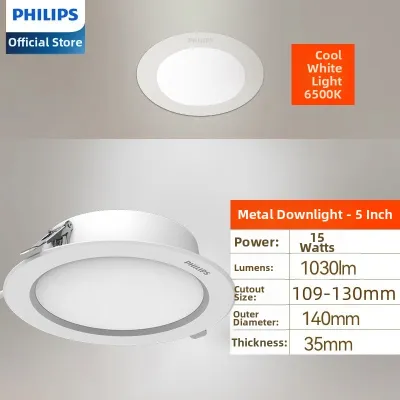
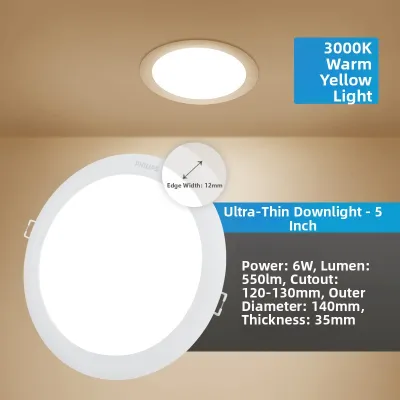
To make an informed purchase, you must first master the core technical specifications of downlights. Color temperature, measured in Kelvin (K), dictates the warmth or coolness of the light. Warm white (typically 2700K to 3000K) delivers a cozy, relaxing glow suitable for leisure areas. Cool white (around 4000K) offers a neutral, clean light that aids concentration, while daylight (6000K to 6500K) provides a bright, bluish-white light that mimics natural midday conditions. Selecting the wrong color temperature can make a space feel clinical or, conversely, too dim for detailed tasks.
Products mentioned in this guide
![[Buy 3 Free 1]BWL LED LIGHT Recessed Light/LED Downlight Square/ Round Downlight Tri-Tone/3000k/6000k/6W/8W/15W/20W](https://img.lazcdn.com/g/p/669964dfab7a8886c5255221b92d6dd8.jpg_400x400q80.jpg_.webp)
Prices are valid at publication and may change. Please refer to the product page for the latest price.
Brightness and wattage are equally critical but represent different concepts. Wattage indicates power consumption, whereas lumens measure the actual light output. Modern LED downlights produce high lumen output at very low wattages, making them highly efficient. When planning your layout, check the wattage limits of your existing electrical circuits and the heat dissipation capabilities of your ceiling. Fixtures installed in tight ceiling cavities must have adequate space or appropriate thermal designs to prevent heat buildup, which can shorten the lifespan of the LED driver.
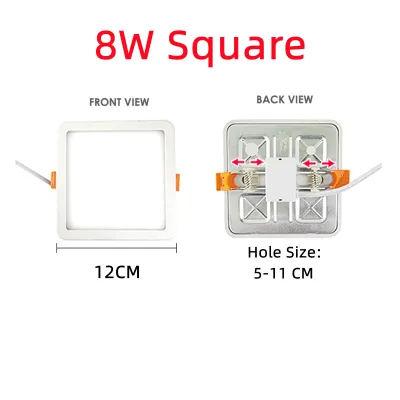
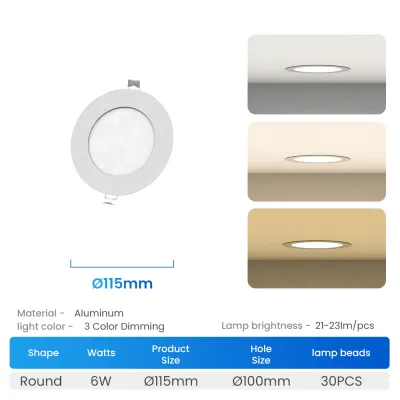
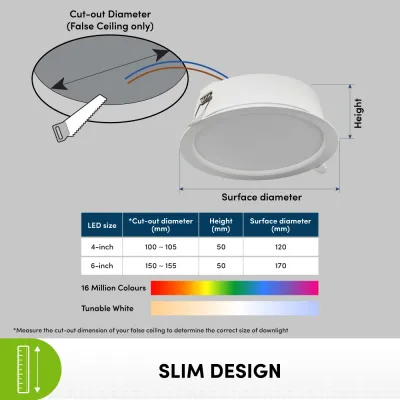
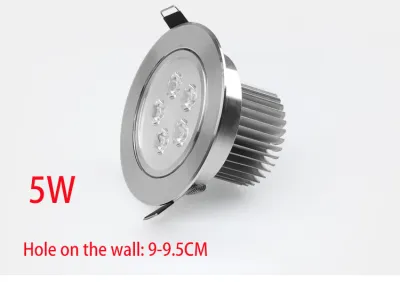
Physical and electrical compatibility must be verified prior to purchase. Measure the cut-out diameter of your false ceiling carefully, as downlight sizes vary widely, and modifying existing holes in gypsum board can be messy and labor-intensive. Ensure the fixtures match the standard residential voltage in Singapore (220V to 240V). Additionally, if you plan to use dimmer switches, you must verify that both the LED driver inside the downlight and the physical dimmer switch on your wall are compatible, as mismatched components will cause flickering, buzzing, or premature component failure.
Beam angle is the final key specification, determining how wide the light spreads from the fixture. A narrow beam angle (15 to 36 degrees) concentrates light into a focused spot, making it ideal for accent lighting or highlighting specific features. A medium to wide beam angle (60 to 120 degrees) disperses light across a broader area, providing the even, generalized wash necessary for basic room illumination. Balancing these angles allows you to avoid the “cave effect,” where floors are bright but walls remain dark and gloomy.
Room-by-Room Downlight Selection Guide
Applying these specifications to individual rooms requires an understanding of how each space is used throughout the day. HDB flats and condos often feature open-plan layouts or compact rooms that benefit immensely from targeted, layered lighting designs.

Living and Dining Areas
Living and dining rooms are multi-functional spaces where families gather, relax, and entertain guests. To support these diverse activities, plan a layered lighting scheme that balances ambient wash with focused accent lighting. For general illumination, wide-beam downlights spaced evenly across the ceiling provide a consistent level of light. To add depth and highlight architectural features, such as a textured feature wall or curated artwork, position adjustable gimbal downlights with narrower beam angles closer to the walls.
In the dining area, the focus should be on creating an inviting atmosphere around the dining table. A warm white color temperature (3000K) is highly recommended here to make food look appealing and create a welcoming mood. If your dining area shares space with the living room, installing dimmable downlights allows you to adjust the brightness levels seamlessly, transitioning from a bright space for homework or reading to a soft, low-light setting for evening dinners.
Kitchen and Workspaces
Kitchens and home offices are high-activity zones where safety and visibility are paramount. In these areas, task lighting takes precedence over ambiance. Opt for higher brightness levels and cooler color temperatures, such as cool white (4000K), which enhances contrast and helps you stay alert. This neutral light makes it easier to read recipes, measure ingredients, and operate kitchen appliances safely.
Proper positioning is crucial in a kitchen to prevent shadows. Avoid placing downlights directly behind where you stand at the countertops, as your body will block the light and cast a shadow over your workspace. Instead, position the fixtures directly above the front edge of the countertops or use under-cabinet lighting in tandem with your downlights. Furthermore, because kitchens generate steam and grease, verify that any downlights installed near cooking zones or sinks have an appropriate Ingress Protection (IP) rating, such as IP44, to protect the internal electronics from moisture and dust.
Bedrooms and Bathrooms
Bedrooms and bathrooms serve as private sanctuaries where comfort, relaxation, and safety must coexist. In the bedroom, the primary goal is to promote restful sleep. Choose warm white downlights (2700K to 3000K) and look for low-glare designs, such as deeply recessed downlights. These fixtures hide the light source from direct line of sight, preventing harsh glare when you are lying in bed. Consider wiring your bedroom lights on separate circuits so you can turn off the main overhead lights while keeping soft, low-level accent lights on for night-time navigation.
Bathrooms require careful attention to safety certifications due to high humidity and direct water exposure. The bathroom is divided into safety zones based on proximity to water sources like showers and bathtubs. Downlights installed directly inside or above a shower cabin must carry a high moisture-resistance rating, typically IP65, to withstand water splashes. For general bathroom areas outside the immediate splash zone, an IP44 rating is generally sufficient. Ensure your bathroom lighting includes a mix of functional cool light near the vanity mirror for grooming and softer, warmer light for relaxing baths.
Installation Safety and Professional Boundaries
Working with electrical installations carries inherent risks, and safety must always be your top priority. Before undertaking any work, always isolate the power supply at the main circuit breaker. Never rely solely on the wall switch to cut power, as faulty wiring can leave circuits live even when switched off. If you are replacing existing fixtures, check the condition of the ceiling wiring, looking for signs of brittle insulation, heat damage, or loose connections that must be addressed before installing new downlights.
Structural constraints in HDB flats and condos play a major role in installation. Concrete ceilings do not have a cavity to hide recessed downlights, meaning you will either need to install a gypsum false ceiling to house them or opt for surface-mounted downlights. If you are cutting new holes in an existing false ceiling, verify the location of support metal studs and existing electrical conduits behind the plasterboard to avoid structural damage or accidental short circuits. Always review the manufacturer’s instructions regarding insulation clearance; non-IC (Insulation Contact) rated downlights require a specific physical clearance from ceiling insulation and structural elements to allow heat to escape safely.
For any complex modifications, such as running new wiring, adding new switches, cutting structural concrete, or modifying your distribution board, you must hire a qualified professional. In Singapore, all fixed electrical wiring works must be performed by a licensed electrical worker. A professional installer ensures that your lighting system complies with local electrical safety standards, uses the correct wire gauges, and implements proper grounding, protecting your home from electrical fires and ensuring long-term reliability.
Frequently Asked Questions (FAQ)
Can I mix different color temperatures in the same room?
While maintaining a single color temperature across a room provides visual consistency, mixing temperatures is acceptable if you clearly separate different functional zones. For example, in an open-concept living and kitchen area, you can use cool white (4000K) downlights over the kitchen island for task work, while using warm white (3000K) downlights in the adjacent living room lounge. To prevent a jarring visual clash, ensure the light beams do not overlap directly, and control the different zones with separate light switches so they do not have to run simultaneously.
How do I know if my existing dimmer switch is compatible with LED downlights?
Traditional dimmer switches designed for older halogen or incandescent bulbs operate on a leading-edge system, which often causes modern LED downlights to flicker, buzz, or fail prematurely. LEDs typically require trailing-edge dimmers designed for low-wattage electronic loads. To verify compatibility, check the technical specifications of both your dimmer switch and the LED downlight driver. The safest approach is to consult the downlight manufacturer’s approved dimmer compatibility list or test a single downlight unit on the circuit before purchasing fixtures for the entire home.
Community discussion
Share your experience or ask a question. Comments are reviewed before publication.