
When a sudden power outage or a tripped circuit breaker plunges your HDB flat into darkness, a reliable flashlight is your most critical safety tool. While it is tempting to rely on a smartphone or buy the brightest torch available online, compact indoor environments require a specific set of features. An effective emergency flashlight for an apartment must balance manageable brightness, a wide and even beam, stable battery chemistry that can withstand Singapore’s high humidity, and practical hands-free usability. Understanding these key specifications ensures that when the lights go out, you can safely navigate your home, locate your electrical distribution board, and manage the situation without panic.
Assess Your Emergency Lighting Needs in an HDB Flat
HDB flats feature unique layouts that directly influence how you should prepare for a lighting emergency. The most common scenario is a localized power trip, which requires you to navigate from wherever you are—often a bedroom, kitchen, or living area—to the electrical distribution board (DB box). The DB box is typically housed within the household shelter or tucked behind a cabinet near the main entryway. Navigating these narrow passageways in pitch-black conditions requires a light source that is immediately accessible and easy to operate under stress.
Estate-wide blackouts, though rare in Singapore, present different challenges, such as dark common corridors and non-functioning lifts. If you need to evacuate or check on neighbors, you must navigate concrete stairwells that receive no natural light. A dependable light source ensures you can negotiate these steps safely without risking trips or falls.
Products mentioned in this guide
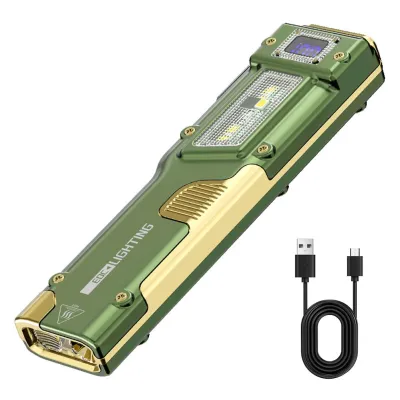
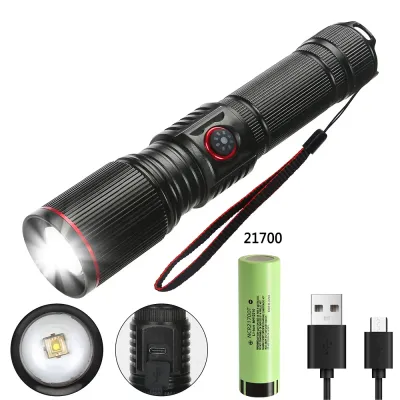
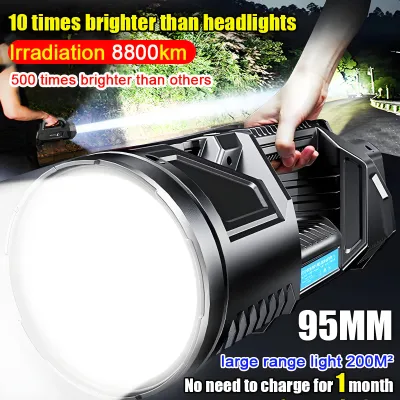
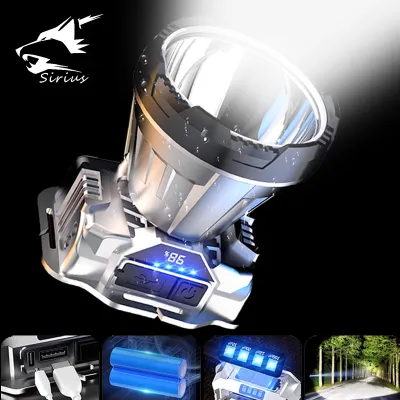
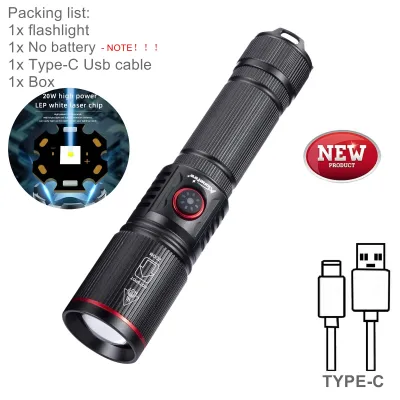
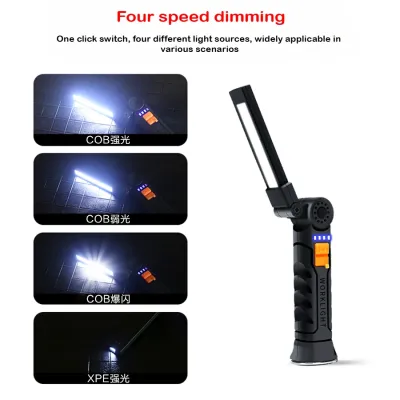
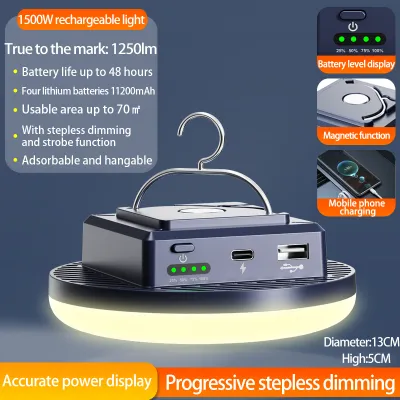
Prices are valid at publication and may change. Please refer to the product page for the latest price.
Household composition is another critical factor when choosing emergency lighting. If your household includes elderly family members or young children, sudden darkness can cause significant anxiety. Harsh, blinding beams can startle sensitive eyes and cause temporary vision impairment, increasing the risk of accidents. For these situations, you need a light that can provide soft, glare-free illumination to keep everyone calm and comfortable.
Defining your primary use case helps narrow down the physical form of the light. You may need to read small text on emergency notices, inspect colored wiring inside the DB box, or simply illuminate a room so your family can wait out the outage comfortably. Matching your flashlight choice to these specific tasks prevents you from overspending on unnecessary tactical features while ensuring basic safety needs are met.
Match Flashlight Specifications to Compact Indoor Spaces
Many modern flashlights are marketed with extremely high lumen ratings, often promising thousands of lumens of blinding light. While impressive for outdoor search-and-rescue operations, these ultra-bright beams are counterproductive inside a compact HDB flat. High-output beams will bounce off light-colored interior walls and glossy tiles, creating a harsh glare that temporarily blinds you and strains your eyes.

Understanding the appropriate brightness levels for indoor tasks prevents this issue:
- Moonlight Mode (1 to 5 lumens): Ideal for preserving night vision, checking on sleeping children, or navigating a bedroom without waking others.
- Low Mode (10 to 50 lumens): Perfect for close-up tasks, such as reading documents, searching through a drawer, or illuminating a small bathroom.
- Medium Mode (100 to 150 lumens): The sweet spot for safe navigation through dark rooms and corridors without causing excessive glare.
- High Mode (200 to 300 lumens): Highly effective for detailed inspections, such as identifying tripped switches or colored wires inside a dark DB box.
The shape of the light beam is just as important as its brightness. Flashlights generally feature either a spot beam, which concentrates light into a tight, distant point, or a flood beam, which spreads light widely across a broad area. For indoor emergencies, a flood beam is vastly superior because it mimics natural room lighting, allowing you to see your entire surroundings and maintain peripheral vision. Some models feature adjustable focus lenses, allowing you to transition from a wide flood to a narrow spot, which offers excellent versatility.
Color temperature and the Color Rendering Index (CRI) also play a significant role in how well you can see in the dark. Cool white light (above 5000K) often appears harsh, while neutral white (around 4000K) or warm white (3000K) light is much easier on the eyes over extended periods. Choosing a flashlight with a high CRI (90 or above) ensures colors appear natural and accurate. This is particularly helpful when distinguishing between colored wires in an electrical panel or reading small print on medication bottles.
Choose Reliable Power Sources for Long-Term Storage
An emergency flashlight is only as good as its power source after months of sitting idle in a drawer. Singapore’s tropical climate, characterized by high temperatures and humidity, accelerates battery degradation and increases the risk of chemical leaks. Selecting the right battery chemistry is the single most important decision for long-term reliability.
Consider the pros and cons of these common battery types:
- Alkaline Batteries (AA/AAA): While cheap, alkaline batteries are highly prone to leaking corrosive potassium hydroxide over time, which can permanently ruin flashlight contacts.
- Lithium Primary Batteries (CR123A or AA Lithium): These non-rechargeable cells boast a 10-to-15-year shelf life, do not leak, and perform exceptionally well in warm climates, making them the gold standard for backup lights.
- NiMH Rechargeable Batteries (e.g., Eneloop): Low-self-discharge rechargeable batteries hold their charge for years and do not leak, making them highly reliable and environmentally friendly.
- Lithium-Ion Rechargeable Batteries (e.g., 18650 or built-in cells): These power modern flashlights with excellent runtime but require active maintenance, as they slowly lose charge over time if left unmonitored.
Charging versatility is another key feature to look for in modern emergency lights. Flashlights that feature USB-C charging ports allow you to recharge the device using the same cables and power banks you use for your mobile phone. When charging rechargeable models, always verify that your USB charger and cable are compatible with the manufacturer’s specified voltage and current limits. Using chargers with local safety certifications, such as the Singapore Safety Mark, helps prevent electrical and fire hazards.
Be cautious when considering hand-crank or solar-powered flashlights. While they promise infinite power without batteries, their practical performance in an HDB flat is often disappointing. Solar panels require direct, intense sunlight, which is difficult to access through standard HDB window glass or recessed, shaded corridors. Hand-crank mechanisms require constant, tiring physical effort to produce just a few minutes of low-quality light, and the cheap internal batteries used in these devices tend to degrade rapidly, leaving them unable to hold a charge after a few years.
To ensure your light is always ready, prioritize models with clear battery level indicators, such as a multi-colored LED near the power button. This feature allows you to check the battery status at a glance during routine home inspections, eliminating the guesswork of whether your light will last through the night.
Prioritize Practical Design Features for Apartment Living
The physical design of an emergency flashlight determines how easily you can use it when stress levels are high and visibility is zero. When a power trip occurs, you often need both hands free to handle keys, open doors, or safely manipulate switches on your DB box. Look for design features that facilitate hands-free operation.
These physical attributes greatly improve usability in tight spaces:
- Magnetic Base: A strong magnet in the tail cap allows you to stick the flashlight to the metal door of your DB box or refrigerator, instantly illuminating the area.
- Flat Tail Cap: A flat bottom allows the flashlight to stand vertically like a candle, bouncing light off the ceiling to illuminate an entire room.
- Pocket Clip and Lanyard: A sturdy clip attaches the light to a shirt pocket, while a lanyard prevents drops down dark stairwells.
The size and weight of the flashlight should match the physical capabilities of everyone in your household. A heavy, metal tactical light might feel durable, but it can be difficult for young children or elderly family members to hold comfortably for long periods. Conversely, a tiny keychain light is easily dropped or misplaced in a panic. A compact, lightweight flashlight made of aerospace-grade aluminum or high-impact polymer offers the perfect balance of durability, grip comfort, and ease of use.
Durability is measured by Ingress Protection (IP) ratings, which indicate how well a device resists dust and water. An emergency flashlight should have at least an IPX4 rating, which protects against splashing water from any direction. This protection is essential if you need to deal with a plumbing emergency in a wet bathroom or kitchen. Shock resistance is equally important; look for a light rated to withstand drops of at least 1 to 1.5 meters onto hard concrete floors, which are common under HDB vinyl or tile finishes.
Finally, establish a dedicated, easily accessible storage location for your flashlight. Storing it at the back of a cluttered bomb shelter cabinet defeats its purpose. Instead, mount it on a magnetic hook near your main entrance, keep it in a dedicated bedside drawer, or place it inside a clearly labeled emergency kit near your DB box. Ensure that every member of the household knows exactly where the light is stored and can retrieve it in total darkness.
Diagnose Your Current Flashlight: Repair, Keep, or Replace?
Before buying a new flashlight, it is wise to evaluate the emergency lights you already own. A simple diagnostic check can help you determine if your existing light is reliable, requires basic maintenance, or needs to be replaced entirely.
Start by opening the battery compartment to inspect for physical damage. Look for white, powdery deposits, green corrosion, or sticky residue on the metal contacts. If the corrosion is minor, you can often clean it off using a cotton swab dipped in vinegar or lemon juice, followed by a thorough drying. However, if the corrosion has spread to the internal wiring or the battery spring has rusted through, the flashlight is no longer safe or reliable and should be replaced. When handling leaking batteries, always wear protective gloves and follow the manufacturer’s safety instructions.
Next, turn the light on and observe its performance over several minutes. If the light flickers when you gently tap or shake the body, it indicates a loose internal connection or dirty contact points. If the beam dims rapidly within minutes of turning it on, the batteries are depleted or, in the case of built-in rechargeable models, the internal lithium cell has degraded and can no longer hold a charge. Excessive heat radiating from the flashlight head during low-power use is another warning sign of a failing internal circuit board.
Evaluate the technology of your current light. If you are still relying on an old incandescent flashlight with a fragile glass bulb and a yellow, dim beam, it is highly recommended to upgrade. Modern LED flashlights are significantly more energy-efficient, offer vastly superior brightness control, and do not suffer from broken filaments when dropped.
Once you have diagnosed your light, take the appropriate action. Clean the contacts and install fresh, high-quality lithium or NiMH batteries if the housing is in good condition. If the plastic casing has become sticky and degraded due to Singapore’s humidity, or if the internal battery is dead, safely dispose of the unit at an e-waste recycling point and select a modern, reliable replacement to protect your household.
Frequently Asked Questions (FAQ)
Can I rely on my smartphone flashlight during a power outage?
While a smartphone flashlight is convenient for brief tasks, it is not a reliable primary light source during a prolonged power outage. Flashlight apps drain your phone’s battery rapidly, which can leave you without a vital communication tool when you need to contact family members or emergency services. Furthermore, smartphones are awkward to hold while working, generate significant heat when the light is left on, and lack the drop resistance and focused beam control of a dedicated flashlight.
Are hand-crank or solar flashlights practical for high-rise flats?
Hand-crank and solar flashlights are generally impractical for high-rise HDB apartments. Solar panels on small emergency devices require direct, intense sunlight to charge, which is difficult to obtain through standard window glass or on shaded corridors. Hand-crank mechanisms require constant, tiring physical effort to generate only a few minutes of low-intensity light, and the cheap internal batteries in these models degrade quickly over time. A high-quality flashlight powered by lithium primary batteries or a USB-C rechargeable system is far more reliable.
How often should I test and maintain my stored emergency flashlight?
You should inspect and test your emergency flashlight at least once every six months. Turn the light on to verify that all brightness modes function correctly, and check the battery level indicator to ensure it holds a charge. If your flashlight uses disposable alkaline batteries, it is best to replace them annually even if the light has not been used, as this prevents unexpected leakage from ruining your device. For rechargeable models, top up the battery to around 50% to 80% capacity to maintain long-term battery health.
Community discussion
Share your experience or ask a question. Comments are reviewed before publication.