
Choosing the right Epitex scent for your home is more than a matter of personal preference; it is an exercise in spatial design. A well-chosen home fragrance acts as an invisible layer of decor, complementing your lighting, furniture, and overall interior aesthetic. To find the perfect match, you must evaluate how different scent profiles, delivery formats, and room conditions interact within your living space. In Singapore’s tropical climate, where high humidity and the frequent transition between open-window ventilation and closed-door air conditioning dictate indoor airflow, selecting and managing home fragrances requires a thoughtful, structured approach.
By understanding the mechanics of different fragrance formats, matching scent families to specific room functions, and adjusting intensity based on spatial volume, you can create a harmonious sensory experience throughout your home. This guide provides a comprehensive framework to help you navigate your options, select the right hardware, and maintain a safe, beautifully scented environment without relying on trial and error.
Understanding Epitex Scent Formats and Burner Compatibility
Before selecting a fragrance profile, you must determine the most suitable delivery format for your lifestyle and home layout. Home fragrances are typically available in several distinct formats, including incense sticks, incense cones, and essential or fragrance oils designed for burners. Each format offers a unique burning profile, smoke output, and maintenance requirement, which directly influences where and how they should be used.
Products mentioned in this guide
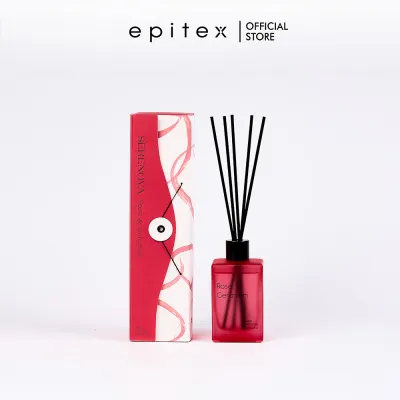
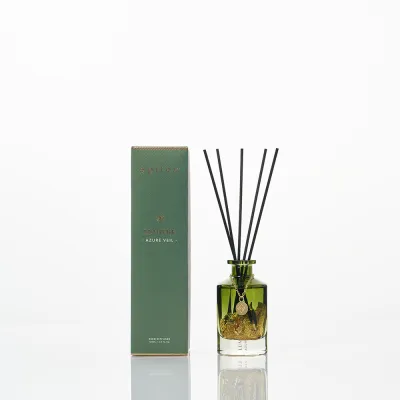
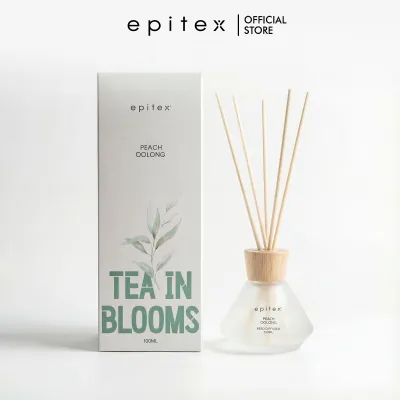
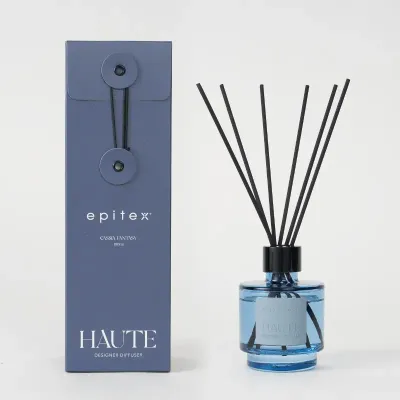
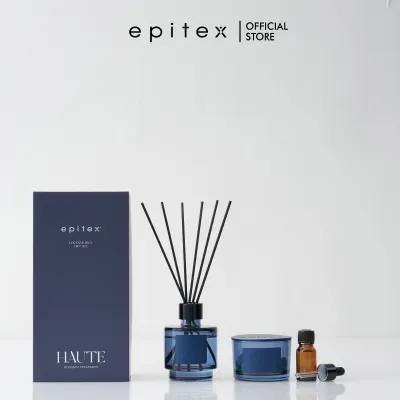
Prices are valid at publication and may change. Please refer to the product page for the latest price.
Incense sticks are the traditional choice for a sustained, even release of fragrance. They consist of aromatic materials bound to a bamboo core or extruded as solid dhoop sticks. As the stick burns slowly from one end to the other, it releases a steady stream of scented smoke, making it highly effective for larger rooms or open-plan living areas. However, incense sticks produce visible smoke and fine ash, requiring a dedicated, elongated ash catcher to prevent debris from spilling onto your furniture.
Incense cones, by contrast, offer a more concentrated and rapid fragrance release. Because a cone’s surface area increases as it burns downward, the smoke and scent intensity peak toward the end of the burn. This makes cones ideal for quickly scenting a space before guests arrive, though they leave behind a concentrated pile of hot ash that must be managed. Cones require a heat-resistant ceramic, stone, or metal plate to protect underlying surfaces from intense heat transfer.
For those who prefer a smoke-free experience, fragrance oils used with tea light burners or electric diffusers are an excellent alternative. These systems rely on heat to evaporate water mixed with a few drops of oil, dispersing a clean, pure scent without any combustion or ash. When selecting an electric burner, always verify the voltage compatibility (typically 220V-240V), plug type, and local electrical safety certifications to ensure safe operation in your household. Always read the product labels on both the fragrance materials and the burner hardware to ensure they are compatible and designed to be used together.
Matching Fragrance Profiles to Your Room Functions
Every room in your home serves a distinct purpose, and the fragrance you choose should support and enhance that specific function. Scent families—such as woody, floral, citrus, herbal, and oriental—evoke different psychological and physiological responses, making them suitable for different areas of the household.

In bedrooms and rest areas, the primary goal is to promote relaxation, wind-down, and healthy sleep hygiene. For these spaces, opt for calming, low-intensity scent profiles. Lavender, chamomile, soft sandalwood, and light white tea are excellent choices. These fragrances soothe the senses without causing cognitive stimulation, helping you transition into a restful state. Avoid heavy, overly sweet, or highly spiced scents in the bedroom, as they can become cloying and disruptive during the night.
High-traffic areas, such as living rooms, entryways, and bathrooms, benefit from fresh, uplifting, or odor-neutralizing fragrances. The entryway is your home’s first impression; a welcoming scent like crisp linen, citrus, or green tea sets a bright, inviting tone. In the living room, where family members gather and entertain guests, a balanced woody or soft floral profile creates a warm, comfortable atmosphere. Bathrooms require clean, refreshing notes like eucalyptus, mint, or sea salt to mask moisture-related odors and maintain a hygienic feel.
Dining areas and kitchens present a unique challenge because home fragrances can easily clash with the aromas of cooking and food. To prevent sensory confusion, avoid burning heavily sweet, floral, or resinous scents in these spaces. If you wish to scent a dining area, stick to subtle, culinary-aligned herbal notes like rosemary, thyme, or light citrus, which complement rather than compete with your meals. Alternatively, keep these areas entirely unscented during dining hours and use fresh, neutralizing scents afterward to clear cooking odors.
Small, enclosed, or poorly ventilated spaces, such as utility closets, home offices, or small study nooks, require extra caution. In these tight quarters, heavy woody or oriental scents can quickly become suffocating. Instead, choose light, airy profiles that mimic natural freshness, ensuring the scent remains a subtle background element rather than an overwhelming presence.
Balancing Scent Intensity With Room Size and Ventilation
Achieving the perfect level of fragrance is a balancing act between the strength of the scent source, the physical dimensions of the room, and the rate of air exchange. Too little fragrance will go unnoticed, while too much can cause sensory overload, headaches, or respiratory discomfort.
To estimate the appropriate amount of fragrance material, consider both the square footage and the ceiling height of the target room. A standard HDB bedroom with a modest footprint requires significantly less scent output than a double-volume ceiling condominium living room. For smaller rooms, a single incense stick or a few drops of oil in a burner is more than sufficient. In larger, open-concept spaces, you may need to place multiple scent sources strategically to ensure even distribution.
Airflow patterns play a critical role in how scent disperses and lingers. In Singapore’s climate, homes often alternate between natural ventilation and closed-door air conditioning. When windows are open and ceiling fans are running, natural cross-breezes will rapidly dilute and carry away fragrance, meaning you may need a slightly stronger scent source to maintain a noticeable aroma. Conversely, when the air conditioning is running, the room is sealed, and air is recirculated. This concentrates the fragrance quickly, meaning you should reduce the amount of scent material used to prevent the air from becoming heavy and stale.
Fortunately, you can easily adjust the intensity of your home fragrance using practical, hands-on methods. If you find an incense stick too powerful for a small room, simply break it in half before lighting it, or extinguish it halfway through its burn. For oil burners, you can control the scent strength by adjusting the ratio of water to oil in the bowl; adding more water dilutes the fragrance, while adding more oil concentrates it. If you are using an electric burner with adjustable heat settings, lowering the temperature will slow down the evaporation rate, resulting in a gentler, longer-lasting scent release.
Safety, Placement, and Burner Maintenance Best Practices
Using incense and heated oil burners requires strict adherence to safety protocols to prevent fire hazards and maintain healthy indoor air quality. Because these methods involve open flames, hot surfaces, or electrical heating elements, proper placement and routine maintenance are non-negotiable.
Always place your burners and incense holders on stable, level, and heat-resistant surfaces. Materials like marble, ceramic tiles, thick glass, or metal coasters are ideal because they prevent heat damage to wooden tables or laminate countertops. Ensure the burner is positioned far away from flammable materials, including curtains, blinds, books, paper, and bedding. Keep active burners completely out of reach of children and pets, and never place them in high-traffic pathways where they could be accidentally knocked over. Most importantly, never leave a burning candle, active incense stick, or hot electric burner unattended.
Maintaining good indoor air quality is essential when burning any material. While incense adds a beautiful aroma to your home, it does release particulate matter into the air. Always ensure there is adequate ventilation in the room. Avoid burning incense in completely sealed, windowless spaces. Even when running the air conditioning, it is wise to crack a window slightly to allow fresh air exchange, or to thoroughly ventilate the room after the incense has finished burning to clear out residual smoke.
Routine cleaning of your hardware is the final step in ensuring consistent performance and pure fragrance profiles. Over time, incense holders accumulate ash and soot, while oil burner bowls develop a sticky residue of burnt oil. If left uncleaned, this residue can scorch when heated, releasing an unpleasant, burnt smell that ruins the profile of your next fragrance. To clean an oil burner, wait for it to cool completely, then wipe the bowl with a soft cloth dipped in warm, soapy water or isopropyl alcohol. Empty ash catchers regularly, and wash ceramic or metal holders periodically to keep them looking pristine and functioning safely.
Frequently Asked Questions (FAQ)
How long does a typical Epitex incense stick last?
The burn time of an incense stick is influenced by several physical and environmental variables. Generally, the thickness and length of the stick are the primary factors, with longer and thicker sticks burning for a greater duration. However, environmental conditions such as ambient humidity and local airflow also play a significant role. High tropical humidity can slightly slow down the combustion process, while strong drafts from fans or open windows can cause the stick to burn down much faster. To get an accurate expectation of burn time, always check the specific product packaging, as manufacturers provide estimates based on the exact composition and dimensions of their sticks.
Can I mix different Epitex scents in the same room?
While mixing fragrances—often referred to as scent layering—can create a unique signature aroma, it carries the risk of creating clashing or overwhelming odors if not done carefully. Mixing conflicting scent families, such as a heavy, smoky woody scent with a delicate, powdery floral, can result in a chaotic sensory experience that causes olfactory fatigue. If you wish to experiment, stick to complementary pairings, such as combining citrus notes with light herbal scents, or pairing warm vanilla with soft sandalwood. For the best results, introduce one scent at a time, or allow a previous fragrance to fully dissipate from the room before lighting a different profile, ensuring your home remains a pleasant and harmonious environment.
Community discussion
Share your experience or ask a question. Comments are reviewed before publication.