
Selecting the appropriate evil eye hanging involves balancing personal style with the specific physical demands of its environment. While this traditional symbol of protection is popular for both vehicles and residential entryways, a piece designed for a spacious front door will rarely function safely or durably inside a car. To make an informed purchase, you must evaluate how size, weight, mounting mechanisms, and material durability differ between a moving vehicle and a stationary home entrance.
By understanding these distinct requirements, you can choose ornaments that enhance your space without creating safety hazards or suffering premature wear. Whether you are looking to adorn a rearview mirror or welcome guests at your front foyer, matching the ornament’s specifications to its intended location is the key to a successful installation.
Quick Guide: Core Differences for Car and Home Entrances
The primary distinction between a car hanging and a home entrance ornament lies in the physical environment and safety considerations. In a vehicle, space is highly restricted, and the ornament is subject to constant motion, vibration, and extreme temperature shifts. Conversely, a home entrance offers a stable, larger canvas but exposes the decorative piece to varying weather conditions, humidity, and different mounting surfaces.
Products mentioned in this guide
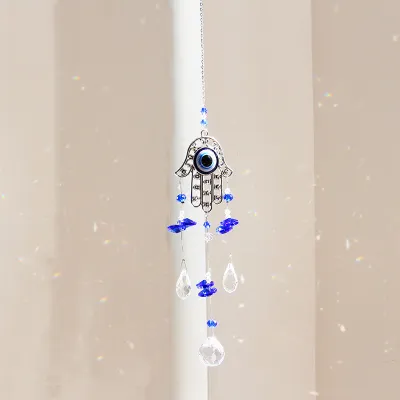
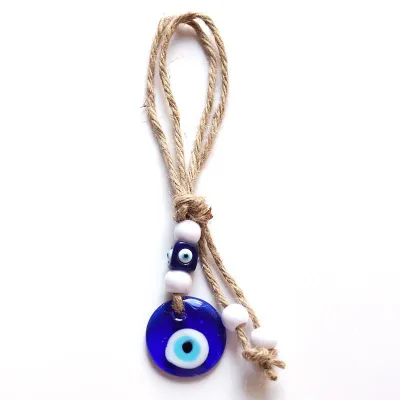
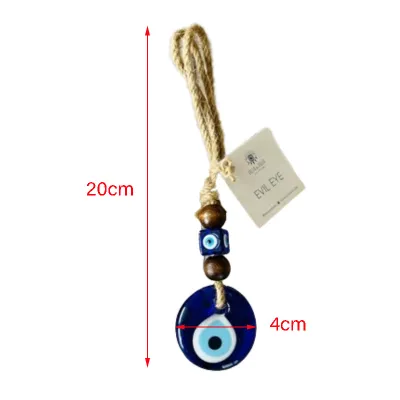
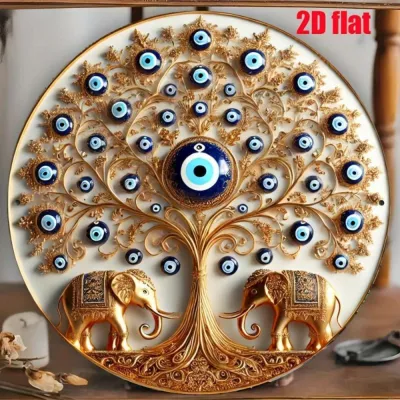
Prices are valid at publication and may change. Please refer to the product page for the latest price.
For a car interior, the ideal ornament is lightweight, compact, and designed to minimize distraction. It must not swing excessively or block any portion of the driver’s field of vision. A home entrance piece can be significantly larger and heavier, serving as a focal point on a door or adjacent wall, where its primary challenge is resisting environmental elements and staying securely anchored.
| Feature | Car Rearview Mirror Hanging | Home Entrance Hanging |
|---|---|---|
| Typical Size | Small (usually under 5–8 cm in diameter) | Medium to Large (10–30 cm or more) |
| Weight Limit | Extremely light (typically under 50 grams) | Variable (dependent on wall/door anchor capacity) |
| Primary Risk | Driver distraction, glass damage, mirror strain | Weather damage, falling hazard, surface scratches |
| Mounting Type | Soft loop, adjustable cord, or silicone strap | Screw, heavy-duty hook, or over-the-door hanger |
| Exposure | High heat, UV rays through windshield | Wind, rain, humidity, temperature fluctuations |
Choosing an Evil Eye Hanging for Your Car
When selecting an evil eye ornament for your vehicle, safety must be your absolute priority. A hanging accessory attached to the rearview mirror sits directly within your forward line of sight. If the ornament is too large, it can create dangerous blind spots, particularly when turning or navigating busy intersections. Opt for a compact design where the central eye charm is small enough to remain unobtrusive during daily driving.

Weight is another critical factor that is often overlooked. Modern rearview mirrors are complex assemblies that frequently house sensors, auto-dimming electronics, and forward-facing cameras. Hanging a heavy glass or metal ornament can put continuous downward strain on the mirror’s ball joint, causing it to sag over time or even detach from the windshield entirely. To prevent this, look for lightweight materials such as thin acrylic, lightweight resin, woven threads, or small wooden beads.
The interior of a parked car can experience extreme temperature fluctuations, especially under direct sunlight. Windshields act as magnifiers, raising cabin temperatures significantly on hot days. Traditional glass evil eyes can become extremely hot to the touch and may degrade adjacent plastic components if they rest against them. Furthermore, low-quality plastics or adhesives can melt, warp, or emit unpleasant odors when exposed to intense UV rays. Prioritize UV-resistant materials and high-quality cords that will not dry out and snap.
Finally, consider how the ornament is secured. Avoid rigid metal hooks or suction cups that can strike the windshield during sudden stops, potentially cracking the glass. A soft, adjustable cord made of leather, cotton, or silicone is ideal. Ensure the loop is easy to adjust so you can position the ornament high enough to limit swinging while keeping it clear of the dashboard and the glass surface.
Selecting the Right Piece for Your Home Entrance
Your home’s entrance sets the tone for your entire living space, making the aesthetic scale of your evil eye hanging highly important. A tiny car-sized ornament will look lost on a standard residential door or within a spacious foyer. For a front door or entryway wall, you can choose a much larger, more substantial piece that complements the proportions of your entryway, door frame, and surrounding decor.
Because home entryways are often semi-outdoor or fully outdoor spaces, weather resistance is a primary material consideration. In humid climates, metal components are highly susceptible to rust and corrosion unless they are specifically treated or made of stainless steel or brass. If the hanging is exposed to direct sunlight or rain, traditional glass, glazed ceramic, or high-quality outdoor resins are excellent choices because they resist fading and water damage far better than untreated wood, paper, or delicate textiles.
Mounting requirements vary greatly depending on the material of your door or wall. Hanging a heavy glass ornament on a glass paneled door requires specialized suction hooks rated for the specific weight, while a solid wooden door might accommodate a small, discreet screw or an over-the-door hanger. If you are renting or prefer not to drill into your walls, high-quality adhesive hooks designed for outdoor use can work, provided you verify their weight capacity and follow the manufacturer’s surface preparation instructions.
Aesthetics should also harmonize with your existing hardware and lighting fixtures. If your entrance features brass handles and warm lighting, an evil eye hanging with brass accents or warm-toned beads will create a cohesive look. For modern entryways with silver or matte black hardware, a minimalist glass piece suspended by a simple leather cord or a dark metal chain can provide a striking, contemporary contrast.
Can You Use the Same Hanging for Both Scenarios?
While it might be tempting to purchase a single, versatile evil eye hanging to use in either location, doing so usually requires significant compromises that diminish both safety and visual appeal. A piece large enough to look balanced on a residential front door is almost always too heavy and bulky for a car’s rearview mirror, posing a serious safety hazard to the driver and risking damage to the vehicle’s interior.
Conversely, a small, lightweight ornament designed specifically for a car will fail to make a visual impact when hung at a home entrance. It can easily be overlooked, and its delicate mounting cord may not withstand the wind, humidity, and physical movement associated with a frequently opening and closing front door. The structural demands of the two environments are simply too different to make a single product universally suitable.
However, there are rare instances where a moderate-sized, lightweight piece might transition successfully, provided the home entrance is entirely indoors—such as an apartment hallway door that is completely shielded from wind, rain, and sun. Even in this scenario, you must carefully inspect the mounting mechanism to ensure it can adapt from a mirror loop to a wall hook without slipping or hanging at an awkward angle. For the best results, safety, and longevity, it is highly recommended to purchase separate, specialized ornaments tailored to each unique environment.
Maintenance and Care for Long-Lasting Use
To keep your evil eye hangings looking vibrant and functioning safely, regular maintenance is essential. For glass and ceramic pieces, dust can accumulate quickly, dulling their characteristic blue and white concentric circles. A gentle wipe with a microfiber cloth slightly dampened with water is usually sufficient to restore their shine; avoid harsh chemical cleaners or abrasive pads that could scratch the glazed surface or damage protective coatings.
For car ornaments, routine checks are vital due to the constant vibration of driving. Periodically inspect the mounting cord or strap for signs of fraying, dry rot, or weakening caused by UV exposure. If you notice any wear, replace the cord immediately to prevent the ornament from falling while the vehicle is in motion. Additionally, check that the rearview mirror assembly remains tight and does not sag under the weight of the hanging.
In the home entrance, outdoor exposure means your hanging may accumulate pollen, dirt, or water spots. If your ornament features metal elements, check them periodically for early signs of oxidation or rust, especially after heavy rain or during periods of high humidity. If you plan to renovate your entryway, paint your door, or take your car in for major servicing, temporarily remove the ornaments and store them in a soft pouch in a cool, dry place to protect them from accidental impact, dust, or chemical overspray.
Frequently Asked Questions (FAQ)
Is it safe to hang heavy ornaments on a car rearview mirror?
No, hanging heavy ornaments on a rearview mirror is not recommended and can be hazardous. Excessive weight puts continuous stress on the mirror’s mounting bracket and ball joint, which can cause the mirror to vibrate excessively while driving, sag, or detach from the windshield. Furthermore, a heavy object acts as a pendulum during sudden braking or sharp turns, increasing the risk of cracking the windshield or injuring passengers. Always check your vehicle manufacturer’s guidelines regarding windshield accessories, and opt for lightweight, soft materials if you choose to hang an ornament.
What materials are best for an outdoor home entrance hanging?
Highly suitable materials for an outdoor home entrance hanging are those that can withstand moisture, temperature changes, and UV exposure without warping, rusting, or fading. Glazed ceramic, fused glass, and high-quality acrylics are excellent choices because they are non-porous and highly resistant to water and sun damage. If you prefer metal accents, ensure they are made of rust-resistant materials like stainless steel, treated brass, or powder-coated aluminum. Always check the manufacturer’s product specifications or care labels to verify if the item is rated for outdoor use before hanging it in an exposed entryway.
Community discussion
Share your experience or ask a question. Comments are reviewed before publication.