
Choosing the right fairy lights for decoration requires balancing power source constraints, safety certifications, and the specific aesthetic needs of your space. Whether you are transforming a cozy bedroom corner in an HDB flat or setting up festive illumination on an open balcony, matching the wire type, power delivery, and ingress protection rating to the environment ensures a beautiful and hazard-free setup. By understanding the technical specifications of these versatile lights, you can easily select the perfect style to complement your home decor and special events.
Fairy lights, often referred to as string lights, do more than just brighten a dark corner; they introduce texture, depth, and warmth to an interior design. However, achieving the desired effect depends on selecting the correct bulb spacing, wire color, and power configuration. Taking the time to evaluate your space before purchasing prevents common installation mistakes and ensures your decorative lighting remains safe for continuous use.
Understanding Fairy Light Basics for Safe Decoration
Before selecting fairy lights for any decorative project, it is essential to understand their core specifications and safety requirements. The power source is one of the most critical decisions you will make, as it dictates where the lights can be placed. Battery-operated strings offer unmatched portability for table centerpieces or wreaths but require regular battery replacements. USB-powered options provide excellent flexibility, allowing you to run lights off power banks or standard wall adapters, while traditional plug-in models are best for permanent, high-brightness installations near electrical outlets.
Products mentioned in this guide
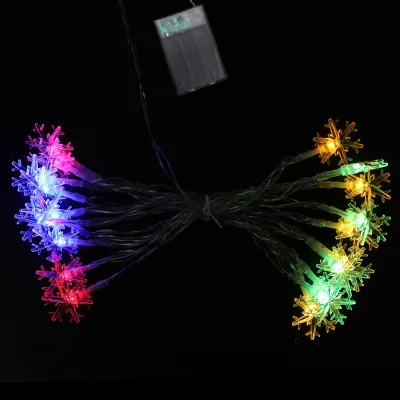
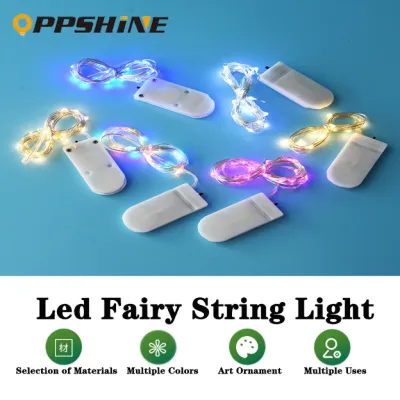
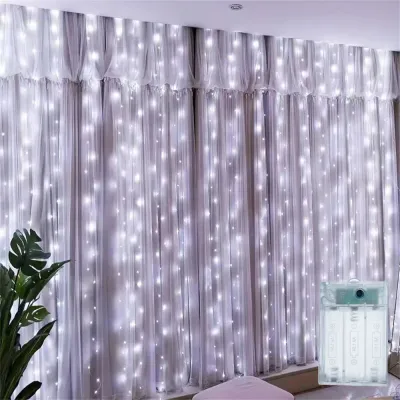
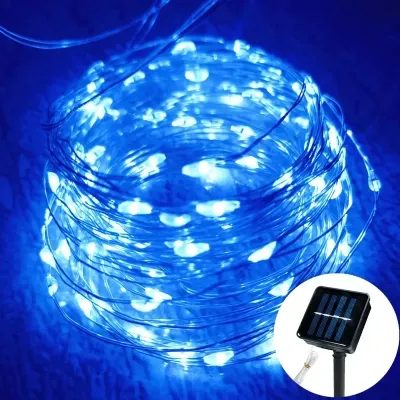
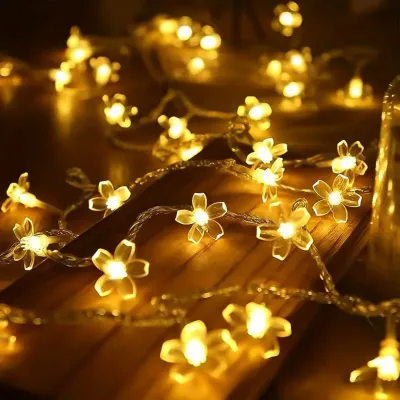
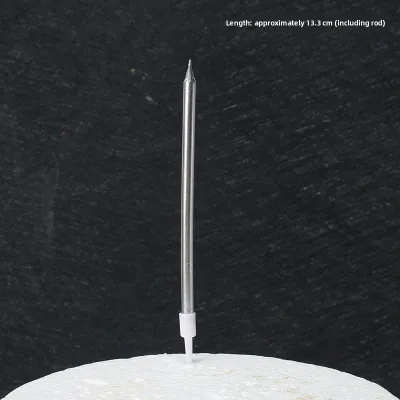
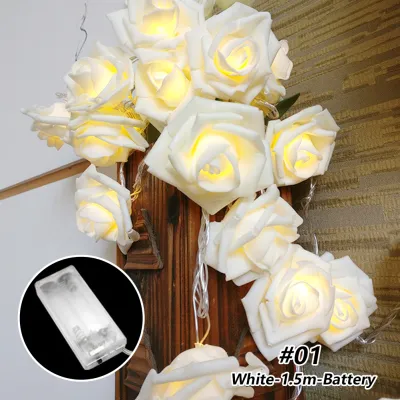
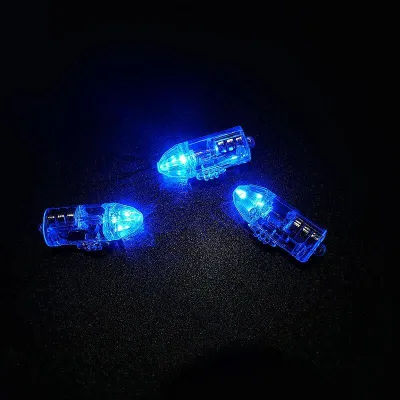
Prices are valid at publication and may change. Please refer to the product page for the latest price.
Electrical safety should always be your top priority when installing decorative lighting. Always verify the voltage, wattage limits, and electrical certifications of the product before plug-in installation. In Singapore, look for the Safety Mark on power adapters to ensure they have been tested and approved for local electrical standards. Low-voltage systems, such as 5V USB or 12V/24V adapters, are highly recommended for indoor areas where pets or children might touch the wires, as they carry a significantly lower risk of electrical shock.
Wire construction also plays a major role in both durability and aesthetics. Ultra-thin copper or silver wire strings are highly flexible and virtually disappear when wrapped around objects, making them ideal for delicate indoor crafts. Conversely, thicker PVC-jacketed or rubber cables offer superior durability and are designed to withstand the physical stress of hanging over larger spans. Always check the product packaging to confirm whether the lights are rated for indoor use only or if they possess the necessary weather resistance for outdoor environments.
Selecting Fairy Lights for Everyday Room Ambiance
Integrating fairy lights into your daily living spaces requires a subtle approach that complements your existing lighting scheme. For bedrooms, creating a relaxing sanctuary is usually the primary goal. Selecting lights with a warm color temperature, typically between 2700K and 3000K, helps promote a restful atmosphere. Opt for models with built-in dimming methods, such as inline controllers or remote controls, which allow you to adjust the brightness from a functional reading level down to a soft, sleep-friendly glow.

When draping lights over bed headboards, canopies, or near curtains, prioritize low-heat LED options. LEDs are inherently more efficient than older incandescent bulbs, but they still generate minor heat at the base of the diode. Always check the manufacturer guidelines regarding heat dissipation and continuous use limits to prevent fabric discoloration or fire hazards. Avoid bundling multiple light strings tightly together or covering them with heavy, non-breathable textiles that can trap heat over time.
In the living room, fairy lights can be used to highlight architectural features or frame specific zones without overwhelming the space. Hanging delicate curtain lights behind sheer window drapes creates a soft, diffused backdrop that adds depth to the room. Alternatively, wrapping thin copper wire lights around open shelving or weaving them through indoor potted plants can draw attention to your favorite decor pieces. For these everyday setups, choosing a wire color that matches your walls or shelving ensures the installation looks clean and tidy even when the lights are turned off.
Choosing Fairy Lights for Outdoor and Semi-Outdoor Spaces
Decorating outdoor areas like balconies, patios, or gardens requires specialized equipment designed to handle environmental exposure. The humid climate and sudden downpours in Singapore make weatherproofing non-negotiable. Before installing any lights outdoors, verify the Ingress Protection (IP) rating on the product label. An IP44 rating is the absolute minimum required for sheltered semi-outdoor spaces like covered balconies, protecting against splashes from any direction, while fully exposed garden areas demand IP65 or higher to withstand heavy rain.
Installing lights in damp areas or at heights requires careful planning and strict safety precautions. Always isolate the power supply before mounting or adjusting your light strings. If your installation requires working at height, use a stable ladder on flat ground and have a second person assist you. For long spans or suspended loads, do not rely solely on the light string’s wire to support its own weight; instead, run a sturdy guide wire or support cable and secure the light string to it using outdoor-rated cable ties.
Power routing is another critical factor for outdoor safety. Ensure all outdoor plug-in connections are made inside weatherproof electrical boxes rated IP55 or higher, and verify that the circuit is protected by a Residual Current Circuit Breaker (RCCB). Never pinch power cables through closed window frames or sliding doors to reach indoor outlets, as this can crush the protective insulation and create a severe short-circuit hazard. If outdoor power access is limited, high-quality battery-operated lights housed in watertight battery boxes are a safer, highly practical alternative.
Matching Fairy Light Styles to Festive and Special Occasions
Festive celebrations and special events allow you to experiment with more dynamic and eye-catching fairy light styles. For high-energy occasions like Chinese New Year, Deepavali, or birthday parties, multicolor strings or lights with programmable flashing and chasing modes can instantly elevate the celebratory mood. For intimate dinner parties, weddings, or quiet gatherings, a steady, non-flashing warm white glow is generally preferred to maintain a sophisticated and comfortable environment for your guests.
Novelty shapes and specialty bulbs offer an easy way to reinforce a specific party theme. From star-shaped casings to miniature paper lanterns and globe bulbs, these decorative covers add visual interest even during the daytime. When choosing these heavier, stylized strings, keep in mind that they require more robust mounting solutions than standard micro-fairy lights. Ensure that any temporary hanging surfaces, such as lightweight partitions or temporary backdrops, can safely support the added weight without sagging or collapsing.
For temporary festive installations, using damage-free adhesive hooks is the best way to secure your lights without ruining wall paint or finishes. Choose hooks rated specifically for the weight of your light strings and follow the package instructions for surface preparation and curing times. When the festivities are over, remove the adhesives slowly and parallel to the wall surface to prevent peeling. Always test a small, inconspicuous area of the wall before applying adhesive hooks across the entire room.
Cross-Scenario Compatibility and Storage Tips
To get the most value out of your investment, look for versatile fairy light sets that can easily transition between different rooms and occasions. Choosing strings with adjustable settings—such as multiple transition modes, variable brightness levels, and neutral wire colors like silver or clear PVC—allows you to repurpose a single set of lights throughout the year. A high-quality warm white string can serve as a cozy bedroom accent during the year, and then be easily relocated to decorate a Christmas tree or a festive dining table.
Proper dismantling and storage are essential to preserving the lifespan of your lights and preventing internal wire damage. When taking down your lights, avoid pulling or tugging on the strings, as this can easily snap the delicate internal copper filaments or loosen the LED connections. Coil the lights gently around a sturdy piece of cardboard, a plastic spool, or a dedicated light storage reel. This prevents the wires from tangling into tight knots, which can cause micro-fractures in the metal conductor when you try to untangle them next season.
Finally, store your coiled lights in a cool, dry place away from direct sunlight, as prolonged exposure to heat and UV rays can degrade PVC jackets and make them brittle. If you are storing battery-operated lights, always remove the batteries from the compartment before packing them away. Leaving batteries inside the box during long-term storage can lead to acid leakage, which corrodes the metal contacts and permanently ruins the light string’s power controller.
Frequently Asked Questions (FAQ)
Can I leave battery-operated fairy lights on all night?
It is generally not recommended to leave battery-operated fairy lights running all night unless the manufacturer’s instructions explicitly state they are rated for unattended, continuous overnight use. Always check the product manual for maximum continuous run times. Leaving them on overnight accelerates battery drain and increases the risk of battery leakage. Furthermore, if the battery box is placed in an enclosed, unventilated space—such as under a pillow, mattress, or heavy bedding—it can trap heat and pose a potential safety hazard.
How do I calculate the right string length for my space?
To calculate the required string length, start by measuring the linear distance of the area you want to decorate. If you plan to drape, zig-zag, or wrap the lights around an object like a balcony railing, bedpost, or indoor column, multiply that linear measurement by 1.5 to 2.5 times depending on how tightly you want the lights wrapped. Always add a buffer of 1 to 2 meters to your final calculation to ensure the lead wire can comfortably reach your power outlet, USB port, or battery placement area without stretching the cable.
Community discussion
Share your experience or ask a question. Comments are reviewed before publication.