
Selecting the ideal Christmas light setup transforms your home into a festive sanctuary, but finding the right balance between brightness, safety, and style requires looking beyond the packaging. The most suitable fairy light type depends entirely on your decorating environment, your home’s layout, and the specific holiday aesthetic you want to achieve. For instance, a cozy indoor living room in a high-rise apartment benefits from different technical specifications than an exposed outdoor balcony facing the tropical elements. By matching light colors, calculating precise string lengths, selecting appropriate power sources, and adhering to local safety standards, you can create a stunning, hazard-free display that lasts throughout the festive season.
Match Fairy Light Colors to Your Christmas Aesthetic
Color forms the emotional foundation of your holiday decor. Choosing the right hue involves understanding how different light temperatures interact with your furniture, wall colors, and ornaments.
Warm White (2700K – 3000K): This temperature emits a soft, golden glow that mimics traditional incandescent bulbs. It is highly effective for creating a cozy, intimate, and classic holiday atmosphere. Warm white works beautifully with traditional color schemes featuring deep reds, forest greens, and gold accents.
Products mentioned in this guide
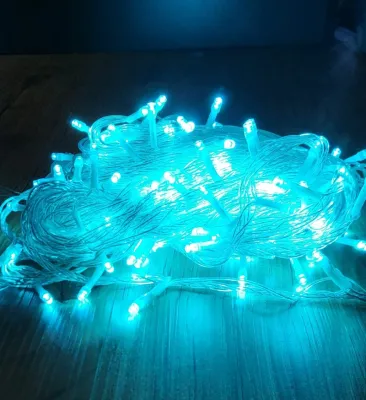
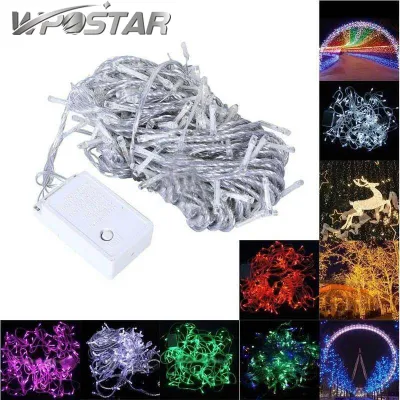
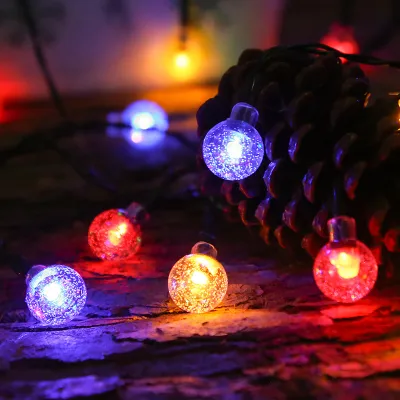
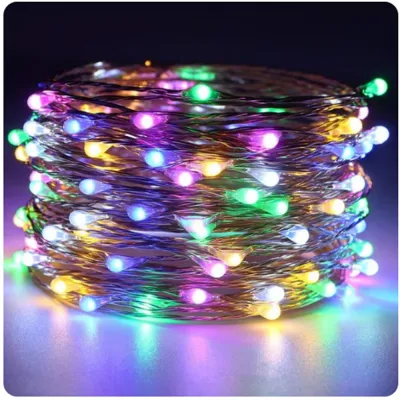
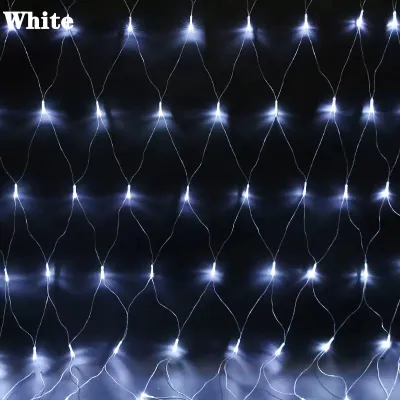
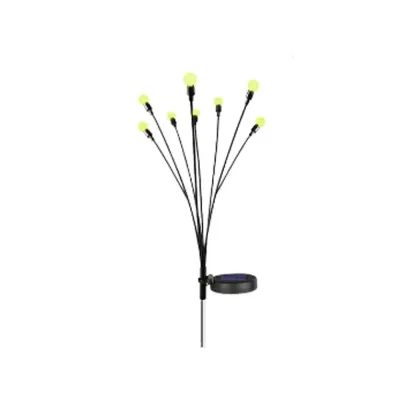
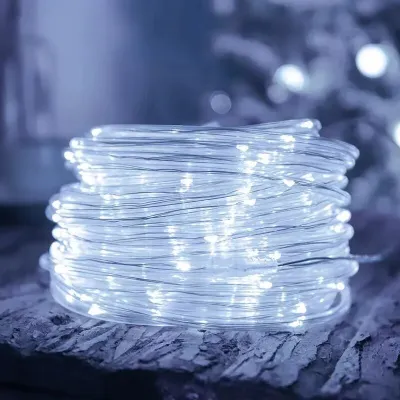
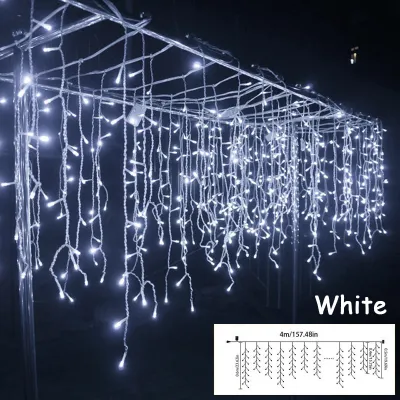
Prices are valid at publication and may change. Please refer to the product page for the latest price.
Cool White (5000K – 6500K): Offering a crisp, blue-toned brilliance, cool white lights evoke a modern, icy “winter wonderland” aesthetic. This tone pairs exceptionally well with minimalist, silver, blue, or monochrome decorations. However, because cool white can feel clinical if overused, it is best applied in contemporary spaces or outdoor winter-themed displays.
Multicolor: Vibrant and playful, multicolor fairy light strings typically feature alternating red, green, blue, and yellow bulbs. These are ideal for family-centric spaces, children’s bedrooms, or retro-themed setups that celebrate a lively, nostalgic holiday spirit.
To ensure visual consistency, always check the Kelvin (K) rating or the specific color description on the product packaging before purchasing multiple sets. Mixing different brands of “warm white” without verifying their specifications can result in mismatched sections, where some lights appear distinctly more yellow or orange than others. If you plan to mix colors—such as layering warm white with a few cool white accents—keep the ratio balanced (such as 80% dominant and 20% accent) to prevent your display from looking chaotic or visually cluttered.
Calculate String Length and Bulb Density for Your Space
Nothing disrupts a festive display more than running out of lights halfway through wrapping a tree or having a massive bundle of excess cord pooled on the floor. Accurately measuring your space before purchasing is essential for a polished look.

Measuring Linear vs. 3D Spaces: For linear surfaces like balcony railings, window frames, or mantelpieces, use a flexible measuring tape to find the exact length, then add roughly 10% to 15% to account for sagging, wrapping, or routing around corners. For 3D objects like Christmas trees or outdoor shrubs, the calculation requires a different approach. A standard rule of thumb for a traditional Christmas tree is to use approximately 10 meters of light string (or roughly 100 to 150 LED bulbs) for every 1 foot (approx. 30 cm) of tree height. Therefore, a standard 6-foot (1.8-meter) tree generally requires about 60 meters of lights or 600 to 900 LEDs for full, lush coverage.
Bulb Spacing and Density: Pay close attention to the distance between individual bulbs on the string. Standard fairy lights feature bulbs spaced 5 cm to 10 cm apart, which is excellent for wrapping branches or outlining structural lines. In contrast, micro-LEDs (often on thin copper wires) have much closer spacing, while cluster lights pack hundreds of tiny bulbs along a thick, braided cable. Cluster lights are perfect for achieving a dense, high-impact glow with minimal wrapping effort, whereas standard spacing allows for a more delicate, distributed twinkle.
Connection Limits and Wattage: Before daisy-chaining multiple light strings, consult the manufacturer’s technical guidelines on the packaging. Every power adapter has a maximum wattage and a limit on the number of individual strands that can be safely connected end-to-end. Exceeding these limits can overload the circuit, dim the lights at the end of the chain, or permanently damage the built-in transformer.
Select the Best Power Source for Your Decorating Scene
The location of your display dictates the most practical power source. Selecting the wrong type can lead to unsightly trailing cables, frequent battery replacements, or unreliable performance.
Plug-in (Mains-Powered): Mains-powered fairy lights are the gold standard for primary, high-density displays that run for hours every evening, such as your main living room Christmas tree or extensive outdoor facade displays. They offer consistent, uncompromised brightness and eliminate the waste of single-use batteries. In Singapore, mains-powered lights run on the standard 230V, 50Hz electrical grid. When planning your layout, ensure you have a clear path to a wall outlet and use low-profile cable clips to secure cords along baseboards to prevent tripping hazards.
Battery-Operated: For areas far from wall sockets—such as dining table centerpieces, floating shelves, or front-door wreaths—battery-powered fairy lights offer unmatched flexibility. They typically run on AA or AAA batteries. Because battery capacity is limited, look for sets that feature built-in automatic timers (for example, cycling 6 hours on and 18 hours off). This feature prevents the batteries from draining overnight if you forget to switch them off. To keep operating costs low and reduce environmental impact, consider investing in high-quality rechargeable NiMH batteries.
Solar-Powered: For outdoor gardens, open balconies, and exterior walls, solar-powered fairy lights are highly convenient as they require no outdoor power outlets or extension cords. However, in Singapore’s tropical climate, solar efficiency can be highly variable. During the year-end monsoon season, frequent afternoon cloud cover and heavy rain can limit the amount of direct sunlight the solar panel receives. To ensure your lights stay illuminated through the evening, place the solar panel in an unshaded, south- or west-facing position that receives maximum daylight. Look for solar units that feature high-efficiency monocrystalline panels and larger battery capacities, or choose hybrid models that allow for USB charging on particularly overcast days.
Smart Integration and Control: Modern fairy lights often come equipped with smart controllers, allowing you to adjust brightness levels, switch between flashing patterns, or set precise operating schedules via a smartphone app or remote control. Dimmable options are particularly valuable for indoor spaces, allowing you to soften the glow during movie nights or brighten it for festive gatherings.
Scene-by-Scene Guide: Trees, Outdoors, and Accent Spaces
Applying the right light type to the specific characteristics of each decorating zone ensures both visual impact and structural safety.
The Christmas Tree and Indoor Focal Points
The indoor Christmas tree is the centerpiece of most holiday decorations. For this high-profile focal point, plug-in LED cluster lights or standard green-wire LED strings are highly recommended. The green wire blends seamlessly into artificial or natural pine needles, making the cord virtually invisible when the lights are turned off.
To achieve a professional, deep-glow effect, avoid simply wrapping the lights around the outer perimeter of the tree. Instead, start at the base of the trunk and work your way up, weaving the light strings deep into the branches close to the center before wrapping them back out to the tips. This layering technique creates depth and makes the tree appear as if it is glowing from within. Because Christmas trees are often surrounded by gifts and paper decorations, ensure your lights emit minimal heat. LEDs are inherently cool to the touch, making them the safest choice for preventing dry natural pine needles or synthetic branches from becoming fire hazards.
Outdoor Balconies, Gardens, and Facades
Decorating outdoor spaces in Singapore requires strict attention to environmental protection. High humidity, intense heat, and sudden tropical downpours can quickly ruin standard indoor lights and pose severe electrical risks.
When shopping for outdoor lights, always verify the Ingress Protection (IP) rating printed on the packaging. For covered balconies or patios protected from direct rainfall, a minimum rating of IP44 is required to protect against splashing water. For fully exposed garden beds, trees, or exterior facades, look for IP65 or higher, which ensures the light strings are completely dust-tight and protected against heavy water jets. Keep all outdoor extension cords rated for exterior use, and elevate any connection points off the ground using weatherproof safety boxes to prevent water ingress from pooling rain. For high-up facade installations or any setup requiring fixed external wiring, always consult a licensed electrical professional to ensure compliance with local building safety codes.
Tablescapes, Wreaths, and Small Accents
Small-scale decorations require a delicate touch. Heavy, thick-wired plastic strings can easily overwhelm a dining table centerpiece or crush a delicate wreath.
For these intimate spaces, copper or silver wire micro-LED fairy lights are the ideal solution. The ultra-thin, malleable wire can be bent, twisted, and shaped around glass jars, woven through eucalyptus garlands, or wrapped tightly around banisters. Because the wire itself is highly discreet, the focus remains entirely on the tiny, star-like points of light. Opt for battery-operated micro-LED strings with built-in timers for dining tables to keep the space clean and free of unsightly cords that guests might trip over. When handling wire lights, avoid sharp folds or pulling the string too tightly, as excessive tension can snap the delicate internal copper conductors and render the entire set useless.
Essential Safety and Installation Checks
Before hanging a single strand of lights, performing a thorough safety inspection is paramount to protecting your home and family from electrical hazards.
Begin by uncoiling your light strings and laying them flat on the floor. Visually inspect the entire length of the cable for any signs of wear, including frayed insulation, exposed copper, cracked plastic bulb housings, or loose connections. If you detect any damage, discard the set immediately rather than attempting a temporary tape repair.
Never overload your electrical wall sockets or multi-way adapters. Daisy-chaining too many extension cords or light strands together can draw more current than the circuit is designed to handle, leading to overheating or tripped circuit breakers. Always check the manufacturer’s specifications for the maximum number of connectable sets. Additionally, always turn off all decorative lighting when you leave the house or go to sleep to prevent unsupervised electrical faults.
Ensure you strictly segregate indoor and outdoor equipment. Indoor-rated fairy lights lack the heavy-duty insulation and weatherproofing required to withstand outdoor moisture and must never be used outside. Conversely, outdoor lights can sometimes run hotter than indoor variants and should be checked for indoor suitability before being brought inside. In Singapore, look for the distinctive blue-and-white Safety Mark issued by Enterprise Singapore on the power adapters of mains-powered lights. This mark indicates that the product has been independently tested and certified safe for local electrical conditions. If your holiday decorating plans involve complex outdoor routing, high-elevation climbing, or permanent modifications to your home’s electrical system, stop immediately and hire a licensed electrician to complete the work safely.
Frequently Asked Questions (FAQ)
Can I connect multiple fairy light strings together?
Whether you can connect multiple fairy light strings end-to-end depends entirely on the manufacturer’s design and the power specifications of the set. Many modern mains-powered LED fairy lights are designed with male and female connectors at opposite ends, allowing you to link several strands together. However, you must check the packaging for the maximum allowable connection limit, which is typically restricted by the wattage capacity of the primary plug-in transformer. Connecting more strands than recommended can cause the lights to dim progressively down the line, blow the built-in fuse, or melt the adapter. Conversely, standard battery-operated and solar-powered fairy lights are generally not designed for end-to-end connection, as their low-voltage power sources cannot support the electrical load of multiple strings.
How do I untangle and store fairy lights after the holidays?
Proper post-holiday storage is the best way to extend the lifespan of your fairy lights and save hours of frustration next season. Before packing them away, turn the lights on briefly to verify that all bulbs are still functioning, then wipe the cords down with a dry microfiber cloth to remove dust. To prevent tangling, wrap each light string individually around a sturdy piece of cardboard, a plastic clothes hanger, or a dedicated cord spool, starting with the end furthest from the plug. Once wrapped, secure the loose end with a cable tie or twist tie. Store your wrapped lights in a sturdy, airtight plastic container in a cool, dry place away from direct sunlight. This environment protects the plastic wire insulation from degrading, cracking, or becoming brittle in Singapore’s humid climate.
Community discussion
Share your experience or ask a question. Comments are reviewed before publication.