
Choosing the right fanon glass terrarium style is the most critical decision you will make for your indoor garden’s long-term survival. The vessel you select does far more than display your greenery; it dictates the entire microclimate, controlling humidity, airflow, and light exposure. Matching the structural geometry of the glass to the physiological needs of your plants is the difference between a self-sustaining ecosystem and a decaying display.
In Singapore’s unique climate, where indoor spaces transition rapidly between humid tropical air and dry, air-conditioned rooms, managing this microclimate is especially vital. A closed, lidded design acts as a localized greenhouse that preserves moisture, making it ideal for delicate tropical foliage. Conversely, an open geometric vessel allows continuous air circulation, keeping soil dry and preventing root rot in desert-native succulents. By understanding these environmental dynamics, you can select a container that keeps your plants healthy and vibrant.
Identify Your Plants' Humidity and Light Requirements
Before browsing different glass shapes, you must evaluate the specific environmental needs of the plants you intend to grow. Plants are generally divided into high-humidity (tropical) and low-humidity (arid) categories, and these two groups cannot share the same environment. Tropical plants thrive in relative humidity levels above 60 percent, which keeps their thin leaves from drying out and browning at the edges. Arid plants, such as cacti and succulents, have evolved to store water in their fleshy tissues and require low-humidity environments with rapid soil evaporation.
Products mentioned in this guide
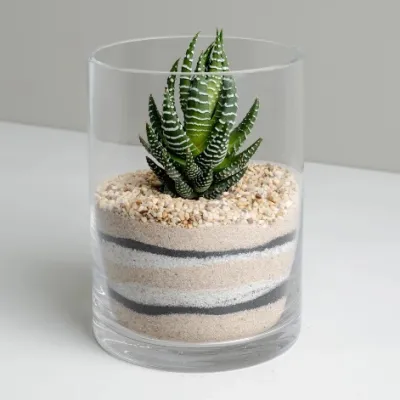
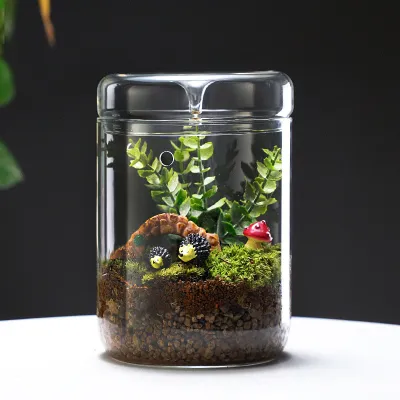
Prices are valid at publication and may change. Please refer to the product page for the latest price.
Glass containers naturally alter the light and heat your plants receive. Glass acts as a lens, magnifying incoming light and trapping ambient heat inside the vessel. Placing a fully enclosed glass container in direct, intense midday sunlight—especially near west-facing windows—can raise internal temperatures to lethal levels, effectively cooking the plants. You must assess your plants’ light tolerance and plan to place your terrarium in a spot that receives bright, indirect, or filtered light rather than harsh, direct sun.
Airflow is the primary mechanism that regulates moisture and prevents stagnant air pockets where mold, mildew, and fungal spores multiply. In a closed container, air circulation is highly restricted, relying on a delicate balance of condensation and evaporation. In an open container, air flows freely across the soil surface, carrying away excess moisture. This distinction dictates whether your plants require an open-top structure or a sealed enclosure to survive.
To help you categorize your collection before choosing a vessel, use this quick checklist to determine your plants’ primary environmental group:
- Moisture-Loving Group: Ferns (such as button or maidenhair), fittonia (nerve plants), mosses, selaginella, and small peperomias. These require high humidity, consistent soil moisture, and indirect light.
- Drought-Tolerant Group: Echeveria, haworthia, jade plants, miniature cacti, and sempervivum. These require low humidity, excellent drainage, dry soil between waterings, and bright light.
- Epiphytic Group: Tillandsia (air plants), miniature bromeliads, and small orchids. These require high airflow, minimal to no soil contact, and regular misting or soaking.
Match Fanon Terrarium Styles to Your Plant Collection
Once you have identified your plants’ environmental requirements, you can match them to a specific fanon glass terrarium style. Each design is engineered to support a distinct type of plant community, balancing aesthetics with biological function.

Enclosed and Wardian Designs for Tropical and Moisture-Loving Plants
Enclosed glass terrariums, lidded jars, and classic Wardian cases—resembling miniature glass greenhouses with metal frames—are specifically designed to trap moisture. When you water the plants inside a sealed vessel, the water is absorbed by the roots, transpired through the leaves, and evaporated into the air. This moisture then condenses on the cool glass walls and runs back down into the soil, creating a self-sustaining water cycle that requires very little intervention.
This high-humidity environment is perfect for tropical species like ferns, fittonia, and mosses. These plants have delicate foliage that quickly shrivels when exposed to dry indoor air. In Singapore’s air-conditioned apartments and offices, where relative humidity can drop significantly, an enclosed terrarium acts as a protective shield, maintaining a stable, humid microclimate that mimics the forest floor.
However, enclosed designs have distinct limitations. The lack of ventilation means that any excess water in the system can quickly lead to fungal outbreaks, root rot, and decay. You must monitor these containers closely during the first few weeks, opening the lid occasionally to let excess moisture escape if the glass remains heavily fogged throughout the day. Additionally, these sealed environments must never be placed in direct sunlight, as the glass will trap heat and scorch the delicate tropical plants inside.
Open Geometric and Shallow Designs for Succulents and Air Plants
Open geometric terrariums, shallow glass bowls, and faceted designs with missing panels are engineered for plants that require excellent airflow and dry conditions. These vessels do not trap moisture; instead, their wide openings allow air to circulate freely across the soil, facilitating rapid evaporation after watering.
This structure is essential for succulents, cacti, and air plants, which are highly susceptible to rot if their roots or leaves remain wet. A shallow glass bowl provides a wide surface area for planting, allowing you to arrange different succulent varieties with varying heights and textures. The open sides ensure that humidity levels inside the container remain identical to the surrounding room, preventing the damp, stagnant air that can destroy desert plants.
From an aesthetic perspective, geometric glass terrariums with brass or black metal frames offer clean, modern lines that complement contemporary interior styles. They serve as striking tabletop centerpieces, desk accents, or shelf displays. When planting succulents in these vessels, you must resist the temptation to use enclosed lids; even a semi-closed container can trap enough humidity to turn a healthy succulent mushy and decayed within a matter of weeks.
Hanging and Tall Cylinder Designs for Trailing Vines and Epiphytes
Vertical glass cylinders and suspended teardrop globes are designed for plants with unique growth habits that require depth or elevation. Tall cylinders provide vertical space for climbing or trailing plants, such as string of pearls, pothos, or creeping figs, allowing their vines to cascade naturally down the inside of the glass walls.
Hanging terrariums, which can be suspended using macrame hangers, metal chains, or nylon cords, are ideal for epiphytic plants like tillandsia (air plants) or miniature orchids. These plants do not grow in soil; instead, they absorb moisture and nutrients through their leaves. Suspending them in a hanging glass globe exposes them to 360-degree airflow and elevated light, mimicking their natural habitat in the tree canopy.
You can position hanging terrariums near windows to maximize light exposure or use them as floating spatial dividers to soften hard architectural lines in compact living areas. However, suspending glass vessels introduces important safety considerations. Before installing a hanging terrarium, you must verify the weight capacity of your hanging hardware, ceiling anchors, or wall brackets. Damp soil, drainage gravel, and heavy glass combine to create a substantial load; ensure all ceiling anchors are drilled securely into solid concrete or structural joists, rather than simple plasterboard, to prevent accidental falls.
Critical Specifications to Check Before Buying
Selecting a fanon glass terrarium requires evaluating more than just its visual appeal. To ensure durability, safety, and plant health, you must check several physical and material specifications before making a purchase.
- Glass Quality and Thickness: Look for high-clarity soda-lime or borosilicate glass with a consistent thickness. Standard thin glass is highly fragile and can easily crack under the weight of wet soil, rocks, and decorative elements. For larger setups (exceeding 30 cm in height or width), opt for tempered glass or heavy-duty molded glass that can withstand lateral soil pressure and minor accidental impacts.
- Base and Frame Materials: Many geometric terrariums feature metal frames made of soldered brass, copper, or zinc. Ensure the metal is treated with a rust-resistant coating, as constant exposure to moisture will corrode untreated metal. If the terrarium features a wooden base, such as bamboo or oak, verify that it has been treated with a water-resistant sealant. Unfinished wood will warp, rot, and harbor mold when exposed to damp soil and watering runoff.
- Drainage and Waterproofing: Because decorative glass terrariums do not have drainage holes, water cannot escape the bottom of the container. You must inspect the construction of the vessel to ensure it is completely watertight. Seamless glass bases are naturally waterproof, but geometric models with soldered metal seams must be checked for gaps. Ensure the bottom seams are sealed with clear, waterproof silicone to prevent water from slowly leaking onto your furniture.
- Access and Cleaning: Consider how easy it is to reach inside the vessel. While narrow-necked bottles and carboys look elegant, planting, pruning, and cleaning them requires specialized, long-handled tools and a high level of patience. If you prefer low-maintenance gardening, select a wide-mouthed bowl, a shallow dish, or a terrarium with a large, hinged side door that allows you to easily fit your hand inside.
- Electrical and Lighting Safety: If you choose a terrarium style with integrated LED lighting or USB-powered grow lights, always verify the voltage compatibility, wattage limits, and electrical certifications before plugging them in. This is especially important in damp environments where water droplets might contact electrical connections. Ensure all wiring is rated for humid conditions and kept clear of standing water.
- Size and Proportions: Measure your intended shelf, tabletop, or window ledge before purchasing. Ensure the vessel's internal volume provides at least 5 to 10 cm of clearance above the expected mature height of your plants, allowing room for growth and adequate air circulation.
Layering and Maintenance Tips for a Healthy Terrarium
Once you have chosen the perfect terrarium style, establishing a proper substrate system and maintenance routine is essential for keeping your miniature ecosystem healthy.
To compensate for the lack of drainage holes, you must build a structured layering system at the bottom of your terrarium. This system prevents water from pooling around the roots and causing rot:
- Drainage Layer: Begin with a 2 to 5 cm layer of washed pebbles, gravel, or leca (lightweight expanded clay aggregate) at the very bottom of the vessel to collect excess water.
- Filtration Layer: Spread a thin layer of activated charcoal over the pebbles. The charcoal acts as a natural filter, absorbing impurities, neutralizing odors, and inhibiting bacterial growth in the closed environment.
- Barrier Mesh: Place a piece of fine synthetic mesh, fiberglass screen, or even a piece of weed-barrier fabric over the charcoal. This barrier prevents the potting soil from sifting down into the drainage stones and clogging the system.
- Substrate: Add a high-quality potting mix tailored to your specific plants. Use a sandy, gritty mix for succulents and cacti, or a moisture-retaining, peat-free mix for tropical plants.
Watering techniques must be customized to the style of your terrarium. For closed terrariums, water extremely sparingly using a spray bottle or a pipette targeted at the base of the plants. Once sealed, a healthy closed terrarium should only require watering once every few months, relying on its internal condensation cycle. For open terrariums, water directly at the roots using a narrow-spout watering can, allowing the soil to dry out completely between waterings. Air plants inside open globes should be removed, misted or soaked in water, shaken dry, and returned to the glass once fully dry to prevent rot at their core.
Regular pruning and cleaning are necessary to maintain the aesthetic and health of your terrarium. Trim any leaves that grow long enough to press against the glass walls, as contact with condensation can cause leaf rot. Use a soft, long-handled sponge or a microfiber cloth dampened with distilled water to clean dust and mineral deposits off the interior glass. Avoid harsh chemical glass cleaners, which can leave toxic residues inside the closed microclimate.
Keep a close eye on your terrarium for early signs of pests and mold. If you spot white, fuzzy mold on the soil or plant stems, immediately increase ventilation by leaving the lid off for a few days, and physically remove the affected substrate. For pests like fungus gnats, which thrive in damp soil, introduce yellow sticky traps or treat the soil with biological controls like beneficial nematodes, avoiding systemic chemical pesticides in enclosed spaces.
Frequently Asked Questions (FAQ)
Can I keep a Fanon glass terrarium in an air-conditioned room?
Yes, but the style of terrarium must match the room’s conditions. Air conditioning extracts moisture from the air, creating a dry environment that can dehydrate tropical plants in open terrariums. For air-conditioned spaces, choose enclosed or lidded fanon glass terrarium styles to seal in humidity. Additionally, position the terrarium away from direct air vents to prevent rapid temperature fluctuations and chilling drafts.
How do I prevent condensation from blocking the view in a closed terrarium?
A light fogging on the glass in the morning or evening is normal and indicates a healthy water cycle. However, if heavy droplets constantly obscure the view, the system has too much moisture or is experiencing extreme temperature swings. Simply remove the lid for three to four hours to let the excess moisture evaporate, then reseal it. If the opening is narrow, wrap a small microfiber cloth around a long stick or chopstick to gently wipe the interior glass.
Is it safe to place a glass terrarium on a wooden table without a coaster?
It is highly discouraged to place any glass terrarium directly on untreated wooden furniture. Temperature differences between the inside and outside of the glass can cause external condensation, which pools at the base and leaves water rings. Furthermore, minor spills during watering or slow leaks from solder seams on geometric frames can ruin wood finishes. Always place a waterproof coaster, cork mat, or decorative tray beneath your terrarium to protect your furniture.
Community discussion
Share your experience or ask a question. Comments are reviewed before publication.