
Choosing the right feng shui charm begins with identifying your most pressing personal goals, whether you want to invite career opportunities, foster family harmony, or cultivate a peaceful sanctuary. These traditional cultural artifacts serve as beautiful decorative accents and powerful psychological anchors, keeping your daily intentions at the forefront of your mind. By matching your aspirations with the correct symbolic motifs and selecting materials that complement your existing interior design, you can create a balanced, visually pleasing home environment.
Identify Your Primary Life Goal
To select the most meaningful decor, start by assessing your current life priorities. Are you striving for a promotion at work, seeking to stabilize your household finances, or hoping to invite more romance into your life? Understanding these goals helps you choose a symbol that resonates deeply with your daily journey.
It is helpful to remember that feng shui charms function primarily as cultural symbols and psychological focal points rather than magical solutions. They work by reinforcing your mindset and keeping your aspirations visible. Consider whether your space benefits more from a single, striking focal piece in the living room or a subtle, quiet accent on your study desk.
Products mentioned in this guide
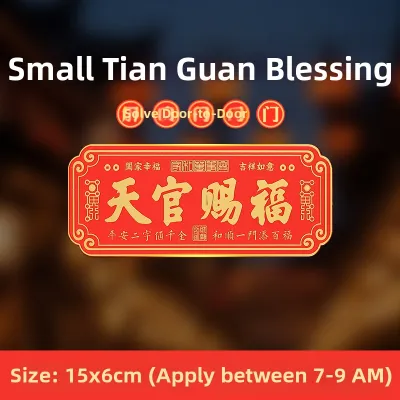
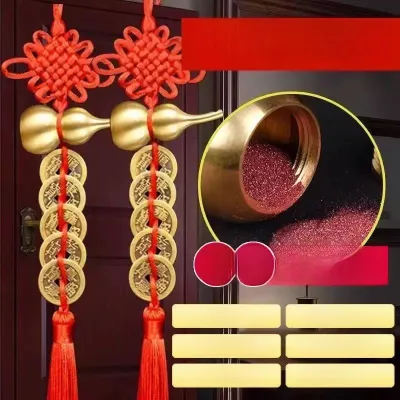
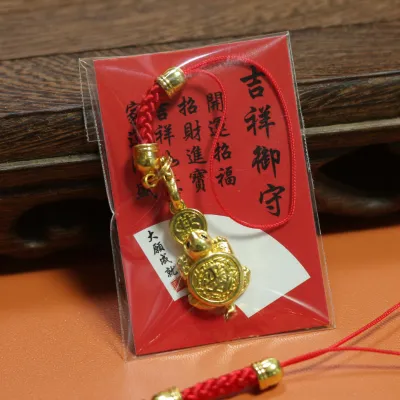
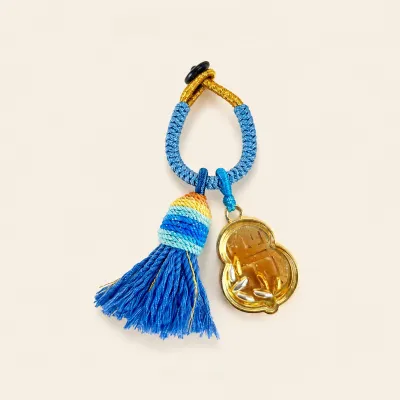
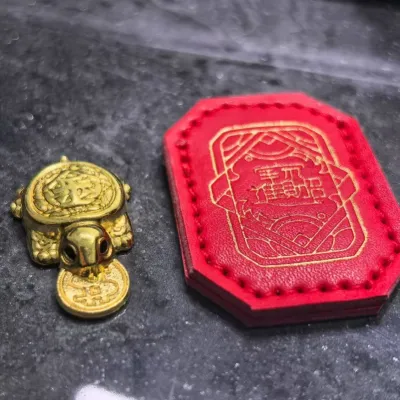
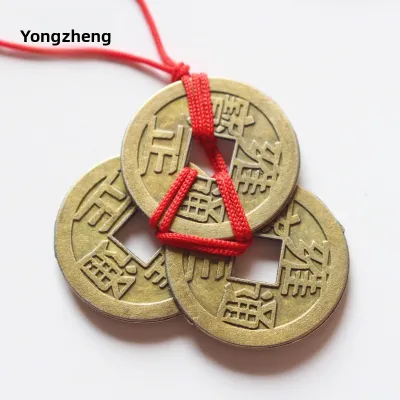
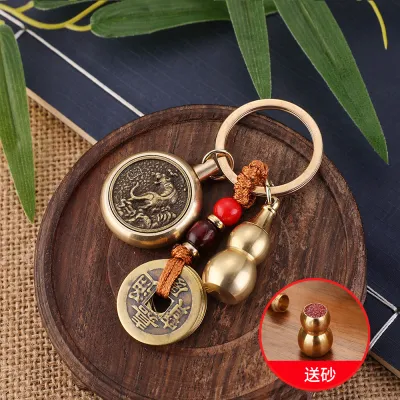
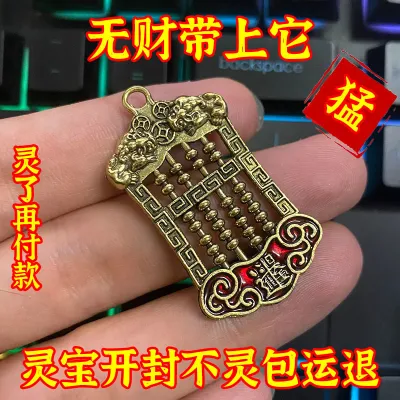
Prices are valid at publication and may change. Please refer to the product page for the latest price.
Match Your Goal to the Traditional Charm Type
Traditional Chinese culture utilizes a rich tapestry of motifs, each mapped to specific life aspirations. Understanding these historical associations allows you to select pieces that carry genuine cultural heritage while serving as elegant additions to your home. These items are decorative representations of rich cultural heritage, designed to bring balance to your living space.

Charms for Wealth and Career Prosperity
For those focusing on professional growth and financial stability, symbols like the Pixiu, the three-legged money toad, or a classic sailing ship are popular choices. The Pixiu is traditionally believed to attract and safeguard wealth, while a sailing ship symbolizes smooth progress in business ventures.
These charms are often crafted from heavy brass, polished jade, or gold-toned resin, adding a sense of luxury and visual weight to a room. To maximize their decorative impact, place these items in home offices, dedicated study zones, or on a prominent shelf in your living room cabinet where they can catch the light.
Charms for Health and Longevity
If your goal is to cultivate vitality, healing, and a sense of calm, look for symbols of longevity such as the Wu Lou (the traditional calabash gourd) or the tortoise. The Wu Lou, with its distinctive organic curves, represents the storage of wholesome energy and is historically associated with traditional medicine.
These organic shapes integrate beautifully into modern minimalist or Scandinavian interior styles, softening sharp architectural lines. Ideal placement for these health-focused artifacts includes quiet living spaces, bedside tables, or near resting areas where they contribute to a soothing, restorative atmosphere.
Charms for Love and Relationship Harmony
To foster romance, partnership, and family unity, traditional decor features symbols like mandarin ducks, peonies, or the double happiness knot. Mandarin ducks are always displayed in pairs to represent lifelong devotion, while vibrant peony motifs symbolize flourishing romance.
When integrating these pieces into a bedroom or shared living space, look for contemporary designs that complement your existing color palette. Choosing stylized ceramic figurines or elegant textile art helps you honor these traditional motifs without causing a visual clash with modern furniture.
Charms for Protection and Peace
Safeguarding your home from negative energy and cultivating peace can be represented by protective symbols such as the Bagua mirror, Chinese knots, or guardian lions. It is crucial to distinguish between indoor decorative pieces and outdoor architectural elements; for instance, a Bagua mirror should only be hung outdoors facing away from the home, never inside.
For indoor spaces, elegant red Chinese knots or small stone guardian lions on an entryway console offer a welcoming yet protective presence. Always respect cultural sensitivities and spatial etiquette, ensuring these symbols are displayed thoughtfully and never placed directly on the floor.
Evaluate Material, Size, and Decor Compatibility
Selecting the right charm requires careful consideration of materials, scale, and how the piece fits into your overall interior design. Common materials like wood, metal, ceramic, and crystal each offer distinct visual and textural qualities. A warm wooden charm brings an organic, grounded feel to a room, making it ideal for bohemian or rustic spaces. In contrast, a polished brass or metallic ornament offers a sleek, structured look that pairs well with industrial or modern classic decor. Ceramic pieces provide an earthy, minimalist aesthetic, while faceted crystals can catch and scatter natural light, adding a touch of elegance to contemporary settings.
Scale is equally important for maintaining visual harmony. A tiny ornament can easily get lost on a large sideboard, while an oversized statue can overwhelm a compact study desk, creating physical and visual clutter. This is especially important in modern apartments where space optimization is key. Measure your available shelf, desk, or console space before purchasing to ensure the charm sits comfortably within its surroundings. If your home features a highly contemporary or minimalist theme, look for abstract or stylized interpretations of traditional symbols. This allows you to incorporate rich cultural heritage into your home without disrupting your clean, modern aesthetic.
General Placement and Display Guidelines
Positioning your cultural decor correctly enhances both its symbolic meaning and its visual appeal within your home. Traditional customs often suggest specific facing directions; for example, wealth-attracting symbols like the money toad are frequently placed facing inward from the main entrance to symbolize wealth entering the home, while protective symbols face outward toward doors or windows. If you plan to hang heavier items, such as large wooden plaques or metal wind chimes, ensure you use secure mounting hardware to prevent falls. For any installations requiring work at height or secure wall anchoring, follow the manufacturer’s instructions carefully or consult a qualified handyman to ensure safety.
There are also several areas to avoid based on traditional etiquette. Cultural symbols should never be placed in bathrooms, utility closets, or directly on the floor, as these locations are considered disrespectful in traditional practices. Instead, elevate your charms on consoles, sideboards, or dedicated display shelves. Maintaining these decorative pieces is also essential; regular dusting and gentle cleaning with a soft cloth keep them looking pristine. A well-maintained, clean ornament reflects a mindful approach to your living space, ensuring your chosen symbols remain bright and uplifting focal points.
Frequently Asked Questions (FAQ)
Can I display multiple feng shui charms in the same room?
Yes, you can display multiple charms in a single room, provided you maintain visual balance and avoid clutter. It is often best to group items that support complementary goals, such as placing a wealth charm and a career symbol together in a home office. However, packing too many diverse symbols into one space can create visual noise, which disrupts the calming atmosphere of your home. Distribute your decor pieces thoughtfully across different zones to keep the room feeling open and harmonious.
Do decorative feng shui charms require special activation?
For decorative and aesthetic purposes, these charms do not require formal activation; their primary value lies in your personal intention and the positive psychological focus they provide. Simply placing the item in a clean, prominent spot serves as a daily reminder of your personal goals. However, if you are seeking authentic spiritual or religious activation according to traditional customs, you may wish to consult a qualified cultural practitioner or feng shui consultant who can guide you through specific traditional rituals.
What is the proper way to dispose of a broken charm?
Damaged or broken cultural artifacts should always be handled with respect. Traditional practices suggest wrapping a broken charm in clean red paper or a white cloth before discarding it mindfully. If the item holds significant sentimental or monetary value, you might explore professional restoration options instead of throwing it away. For instance, repairing a cracked ceramic or porcelain piece using traditional techniques like kintsugi can beautifully preserve the item while adding a unique historical character to your decor.
Community discussion
Share your experience or ask a question. Comments are reviewed before publication.