
Choosing the right feng shui figurine requires aligning your personal intention with the correct symbolic archetype, selecting a material that harmonizes with your space’s elemental energy, and sizing the piece appropriately for your home. Rather than buying items at random, a targeted approach ensures your decor feels intentional, respectful, and visually balanced.
Core Principles for Choosing Feng Shui Sculptures
Feng shui figurines are traditional cultural tools designed to harmonize environmental energy, known as Qi, within a living or working space. In classical practice, these items are not mere decorations; they serve as physical anchors for your personal goals and intentions. By placing a symbolic object in a specific sector of your home, you create a daily visual reminder of what you wish to cultivate, whether that is financial abundance, career progression, or physical well-being.
To make an informed choice, it is helpful to understand the Five Elements (Wu Xing): Wood, Fire, Earth, Metal, and Water. Each element corresponds to specific materials, colors, and shapes. For example, metal figurines represent clarity and precision, while wooden sculptures foster growth and flexibility.
Products mentioned in this guide
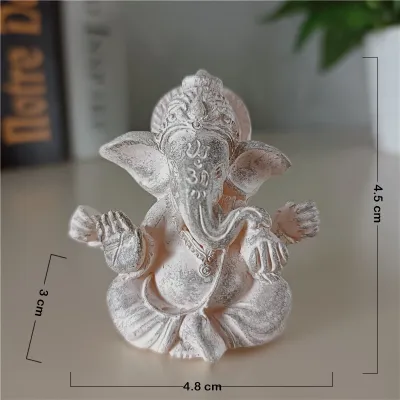
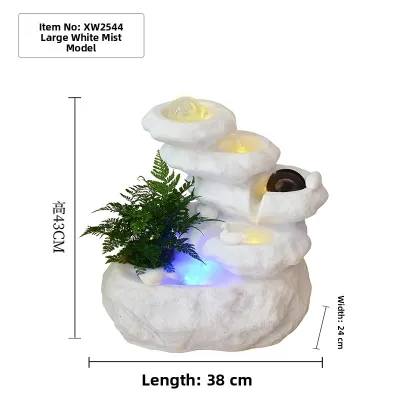
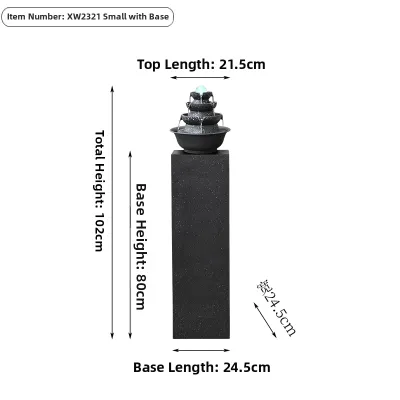
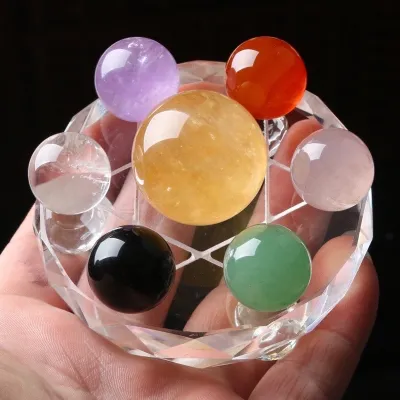
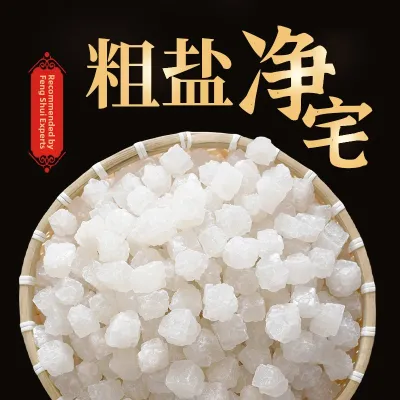
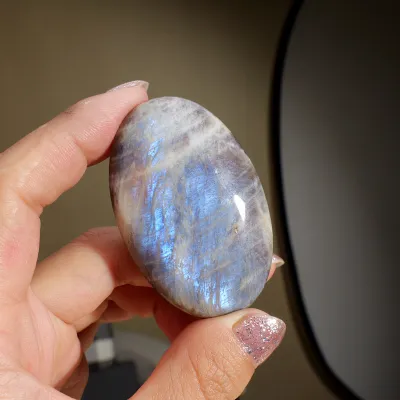
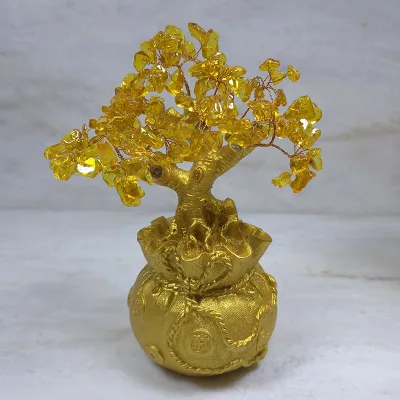
Prices are valid at publication and may change. Please refer to the product page for the latest price.
In traditional spatial planning, different sectors of your home correspond to these elements. The North is associated with Water, the South with Fire, the East and Southeast with Wood, the West and Northwest with Metal, and the Center, Southwest, and Northeast with Earth. Matching the material of your figurine to the elemental nature of its designated sector is a common way to foster harmony. For instance, placing a heavy brass sculpture (Metal) in the West or Northwest sector, or a ceramic piece (Earth) in the Northeast, aligns with these traditional spatial associations.
Beyond traditional rules, your personal emotional connection to the figurine is paramount. A symbol only works effectively if it resonates with you on a personal level. If a particular traditional symbol feels outdated or does not match your home’s aesthetic, it is entirely appropriate to choose a modern interpretation that evokes the same feeling of prosperity, strength, or peace.
Best Figurines for Wealth and Financial Growth
Cultivating wealth and financial security is one of the most common reasons people turn to feng shui. In busy urban environments, establishing a dedicated wealth corner can provide a sense of focus and stability. Traditional symbols are often used to designate these areas, serving as visual representations of prosperity.

Traditional Wealth Symbols
Several classical figures are widely recognized for their association with wealth generation and retention.
- The Pixiu: This mythical creature resembles a winged lion and is traditionally believed to protect and gather wealth. In classical lore, the Pixiu has a voracious appetite for gold, silver, and jewels, but because it has no anus, it represents retaining wealth rather than spending it. When purchasing a Pixiu, you may encounter them sold in pairs. Traditionally, the male Pixiu (with a single horn) is believed to go out and gather wealth, while the female (with two horns) guards the home and protects existing assets. Look for high-quality castings where the creature's posture is alert and powerful.
- The Three-Legged Money Toad (Jin Chan): Often depicted sitting on a pile of gold ingots or coins, this mythical amphibian usually holds a coin in its mouth. It is a classic symbol of incoming wealth and financial opportunities. Look for well-defined details on the coin and the toad's back.
- The Laughing Buddha (Budai): Representing ultimate contentment, joy, and abundance, the Laughing Buddha is often shown with a prominent belly, carrying a sack of treasures or holding a gold ingot. It reminds homeowners that true wealth includes joy and peace of mind.
Placement Guidelines for Prosperity
To align these symbols with traditional practices, placement direction is key. The Three-Legged Money Toad should generally be placed facing inward, toward the interior of the room, rather than looking directly out of a door or window. This orientation symbolizes the toad bringing wealth into the home rather than carrying it away.
Conversely, the Pixiu is traditionally positioned facing outward, toward the main entrance or a prominent window. This allows the creature to symbolically scan the outside environment and draw positive financial energy into the household. Regardless of the figurine you choose, keep the surrounding area clean, well-lit, and free of clutter to maintain a pleasant visual environment.
Proper lighting can also elevate the presence of your wealth symbols while remaining cohesive with your room’s overall design. If you use accent lighting, such as a small spotlight or an LED strip, to highlight a brass or bronze figurine, opt for a warm color temperature (around 2700K to 3000K) to enhance the rich, golden tones of the metal. Avoid pointing high-intensity lights directly at resin or painted figurines, as prolonged exposure to heat can degrade the material or cause the colors to fade over time. Always ensure any accent lighting fixtures are properly ventilated and certified for safe home use.
Ideal Sculptures for Career Advancement and Focus
For those seeking professional growth, a promotion, or enhanced focus in a home office, specific figurines can help set a productive tone. These symbols emphasize strength, momentum, and intellectual clarity, making them excellent additions to workspaces.
Career-Boosting Symbols
When selecting a piece for your office or study, look for symbols that represent drive and authority.
- The Dragon: A supreme symbol of power, leadership, and protection in Chinese culture. A dragon figurine is ideal for business owners, executives, or anyone looking to assert their authority and overcome professional obstacles.
- The Galloping Horse: Representing speed, rapid advancement, and victory, the horse is a dynamic symbol of career momentum. It is particularly suited for those seeking a promotion or embarking on new business ventures. Look for dynamic poses showing upward motion.
- The Wen Chang Pagoda: This multi-tiered tower is traditionally associated with academic success, wisdom, and mental focus. It is a popular choice for students preparing for exams or professionals requiring deep concentration. Usually, pagodas with 7 or 9 tiers are preferred for their balanced proportions.
Positioning for Workspaces
In a home office or study, place the Wen Chang Pagoda on the left-front corner of your desk or on a nearby shelf to encourage focus. If you use a dragon figurine, it is traditionally placed on the left side of the desk (known as the Dragon side in feng shui) to enhance leadership qualities and decision-making confidence.
For horse figurines, ensure they face inward or toward the entrance of the room to symbolize progress entering your professional life. Avoid placing large, heavy, or sharp sculptures directly behind your seating area, as this can create a subconscious feeling of instability. Instead, opt for solid, rounded pieces that suggest strong backing and support.
If you work in a compact study or a designated corner of your living room, keeping your desk organized is vital. Placing a heavy career symbol directly behind your chair can feel physically restrictive. Instead, focus on the “commanding position”—place your desk so you can see the entrance of the room without being directly in line with it. Position your career figurines on the desk itself or on a stable, nearby shelf where they are easily visible but do not interfere with your daily tasks.
Symbols for Health, Longevity, and Family Harmony
Creating a peaceful sanctuary that supports physical recovery and family harmony is another essential aspect of home decor. While cultural symbols can provide psychological comfort, they should always be integrated thoughtfully into your living space.
Wellness and Longevity Symbols
Traditional practices utilize specific natural and animal forms to represent long life and vitality.
- The Wu Lou (Gourd): Originally used as a natural container to carry water, wine, or traditional medicine, the Wu Lou is a classic symbol of health and healing. Its distinctive hourglass shape is believed to capture and lock away negative energy. You can find Wu Lous made from natural dried gourds, brass, or jade. A brass Wu Lou is often chosen for its durability and its association with the Metal element, which is traditionally believed to weaken negative Earth energies.
- The Tortoise: Known for its long lifespan and steady pace, the tortoise represents endurance, stability, and protection. It is often placed in the back of the home to symbolize support and longevity.
- The Crane: This elegant bird symbolizes peace, harmony, and graceful aging. Crane figurines are often displayed in living areas to promote a calm, harmonious family atmosphere.
Balancing Cultural Comfort with Medical Realities
While displaying a Wu Lou or a tortoise figurine can offer emotional comfort and reinforce a mindful approach to wellness, it is vital to distinguish cultural symbolism from medical science. Feng shui figurines are decorative items intended for psychological support and environmental harmony; they possess no medical properties.
These cultural objects must never be used as a substitute for professional medical diagnosis, advice, or treatment. If you or a family member faces health challenges, always prioritize consulting a qualified healthcare provider. Utilizing traditional decor should complement, never replace, proper medical care.
How to Evaluate Material, Craftsmanship, and Size
Moving from symbolic meaning to practical purchasing, evaluating the physical quality of a figurine ensures it remains a durable and beautiful addition to your home. Different materials carry distinct aesthetic and maintenance requirements.
- Brass and Bronze: Heavy, durable, and classic. High-quality brass figurines should have a smooth casting with clear, defined details and no pitting or air bubbles. Over time, brass may develop a natural patina, which some appreciate, though it can also be polished to maintain its shine.
- Ceramic and Porcelain: Elegant and traditional, representing Earth energy. Inspect these pieces for glaze consistency, vibrant colors, and the absence of hairline cracks. They are easy to clean but fragile, requiring secure placement.
- Resin: A versatile and lightweight material that allows for intricate detailing at an affordable price. Ensure the paint finish is even and does not emit a strong chemical odor, which can indicate low-quality manufacturing.
- Wood: Offers a warm, natural aesthetic. Because tropical climates feature high humidity, ensure any wooden sculpture is properly sealed or varnished to prevent warping, cracking, or mold growth.
If you are considering a modern figurine with integrated LED lighting or water fountain features, pay close attention to electrical safety. Verify that the voltage matches your local standard (220-240V in Singapore) and check for recognized safety certifications, such as the SAFETY Mark. For water features, ensure the pump is fully submersible, and place the unit away from other electrical appliances.
For heavy or wall-mounted sculptures, structural safety must be your top priority. Many homes feature solid concrete walls or structural pillars that require specialized masonry drill bits and heavy-duty wall plugs for secure mounting. Never attempt to hang a heavy stone, metal, or ceramic figurine on a simple nail or adhesive hook. If you are mounting a substantial piece at height, or if the installation involves complex wiring for integrated lighting, always consult a qualified professional to ensure the structure can safely support the load.
Size is another critical factor, particularly in compact apartments. An oversized figurine can dominate a room, creating visual clutter and disrupting the physical flow of the space. Choose a size that feels proportionate to your furniture—a small, detailed piece on a side table often carries more elegant visual weight than a massive sculpture that crowds a console.
Placement Rules and Traditional Taboos to Avoid
To respect the cultural heritage of these artifacts and maintain an orderly home, several traditional placement guidelines should be observed. Avoiding common mistakes keeps your living space feeling balanced and respectful.
First, avoid placing symbolic or sacred figurines directly on the floor. Position them on a raised surface, such as a shelf, console table, or side table, ideally at least waist-high. This keeps the item visible and out of high-traffic areas where it might be accidentally kicked or damaged.
Second, keep these figurines out of utility areas, bathrooms, and kitchens. These spaces are associated with waste, heat, or moisture, which are traditionally believed to conflict with the positive energy of the symbols. Instead, focus your placements on the living room, dining area, study, or main entrance foyer.
Finally, never display damaged, chipped, or broken figurines. In traditional practice, damaged items are thought to represent fractured intentions and can make a room look neglected. If a beloved piece chips, have it repaired professionally, or replace it. Regular dusting and gentle cleaning with a soft, dry cloth will keep your figurines looking pristine and maintain a fresh, welcoming atmosphere in your home.
Frequently Asked Questions (FAQ)
Can I display multiple feng shui figurines in the same room?
Yes, you can display multiple figurines in one room, provided the space remains organized and uncluttered. It is best to group them by intention; for instance, keep wealth symbols in the living room and career-focused pieces in your study. Avoid placing too many contrasting symbols close together, as this can create visual confusion and detract from the calm environment you want to establish.
Do new feng shui sculptures need to be cleansed before display?
Many people prefer to perform a simple symbolic cleansing on new items to clear any lingering dust or handling marks. A low-risk method is to wipe the figurine gently with a clean, damp microfiber cloth. You can also ring a singing bowl near the piece or place it in gentle, indirect morning sunlight for a short period. Always review the manufacturer’s care instructions first, as moisture or direct sunlight can damage delicate paint, resin, or gold leaf finishes.
Community discussion
Share your experience or ask a question. Comments are reviewed before publication.