
Choosing the right figurine stand requires balancing physical stability, material compatibility, and visual presentation. To showcase your collection safely, you must match the stand’s dimensions and weight capacity to the specific physical properties of each figure. A well-chosen stand prevents costly falls, maximizes shelf space, and elevates the aesthetic appeal of your display.
Assess Your Figurines Before Buying a Stand
Before browsing online marketplaces or local specialty shops, you must gather precise physical data about your collection. Every figurine has unique physical characteristics that dictate the type of support it requires. Relying on visual estimation often leads to unstable displays or stands that crowd your shelving.
To ensure a secure fit, start by measuring the exact footprint of your figurine. Use a standard ruler or caliper to measure the maximum width and depth of the integrated base or the contact points of the feet. If the figure has overhanging elements like capes, wings, or weapons, measure these outer boundaries as well to ensure they will not collide with display cabinet walls or adjacent figures.
Products mentioned in this guide
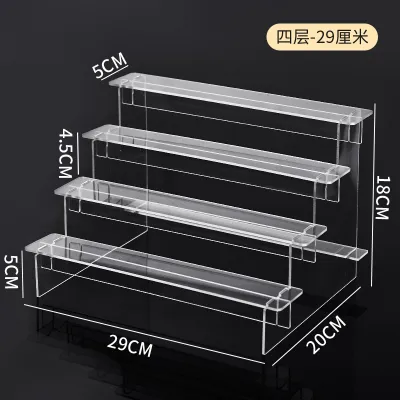
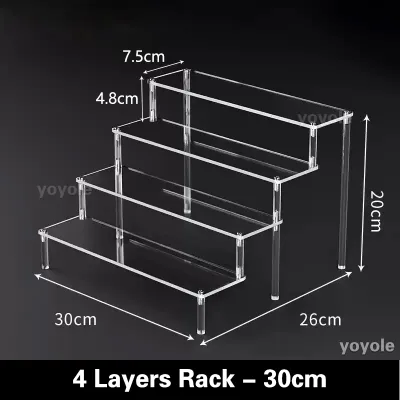
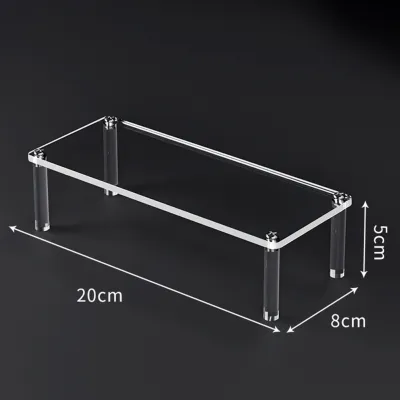
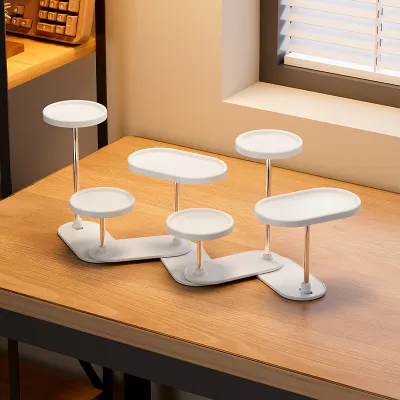

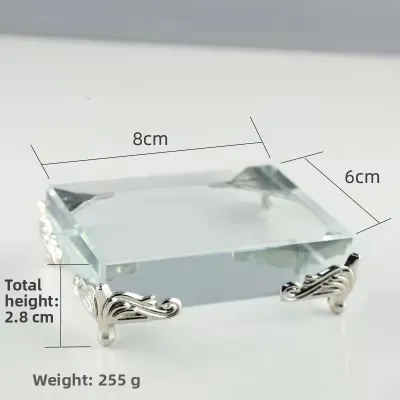

Prices are valid at publication and may change. Please refer to the product page for the latest price.
Next, verify the weight of your figurine. Place the item on a digital kitchen scale to determine its exact weight in grams or kilograms. Resin statues, die-cast metal figures, and solid vinyl pieces are significantly heavier than hollow PVC figures. Knowing the precise weight prevents you from overloading delicate acrylic risers or glass shelves.
Finally, identify the figurine’s center of gravity. Dynamic action poses, characters leaning forward, or figures with large accessories often have an off-center gravity point. These pieces require a wider, heavier stand base to counteract the leverage of the leaning parts. If the figure relies on foot pegs, measure the peg diameter and spacing to ensure compatibility with any pre-drilled stands.
Match the Stand Size and Footprint
Once you have the exact measurements of your figures, you can evaluate how a figurine stand fits both the item and your physical display environment. The stand must provide a stable foundation without dominating the visual space or exceeding the limits of your cabinetry.

Compare the measured footprint of your figurine against the usable top surface of the stand. The entire base of the figurine should sit flat on the stand without any portion hanging over the edges. Overhanging edges compromise stability and increase the risk of the figure sliding off if the shelf is bumped or vibrated.
Account for your specific display environment constraints. Measure your shelf depth, height clearance, and the distance to the glass doors or walls. In compact apartments where display space is often premium, choosing a stand with an excessively large footprint can severely limit the number of items you can display. Ensure the stand leaves at least a few centimeters of clearance from the cabinet doors to prevent accidental contact when opening or closing them.
If you plan to display smaller figures, such as trading figures or mini-vinyls, multi-tier acrylic steps are highly efficient. These risers allow you to group multiple items vertically, ensuring that figures in the back remain visible behind those in the front. When using multi-tier stands, verify that each individual step is deep enough to fully support the base of each figure without crowding.
Evaluate Weight Capacity and Material Stability
The structural integrity of your display depends heavily on matching the weight of your collection to the load-bearing capacity of the stand materials. Overloading a stand can lead to gradual bending, cracking, or sudden structural failure.
Always check the manufacturer’s official specifications for the maximum weight limit of the stand. Do not assume a stand is sturdy simply because of its material. If a product listing does not specify a weight limit, treat it as suitable only for lightweight PVC or vinyl figures.
Different materials offer distinct structural characteristics:
- Acrylic: Highly popular for its transparency, but thin acrylic sheets (under 3mm) can bow under heavy loads over time. It is best suited for lightweight to medium figures.
- Wood: Offers excellent rigidity and load distribution, making it ideal for heavier resin statues. However, unfinished wood can absorb moisture in humid climates, so sealed or finished wood is preferred.
- Metal: Provides the highest structural strength and scratch resistance. Metal stands or stands with integrated metal support rods are excellent for heavy, high-value collectibles.
For large-scale resin or metal statues, look for stands featuring reinforced joints, thicker base plates (5mm or more for acrylic), or central metal support pillars. If you are considering a stand with integrated LED lighting, verify the electrical specifications, including voltage compatibility, connection types, and wattage limits, to ensure safe operation within your home’s electrical setup.
Select the Right Style and Display Angle
A figurine stand should complement your collection rather than distract from it. The visual design, material finish, and elevation angle play a significant role in how your figures are perceived.
Decide on the visual style that best matches your collection:
- Clear Acrylic: Creates an "invisible" effect, making the figures appear to float. This is ideal for modern, clean display cases where the focus remains entirely on the character.
- Finished Wood and Metal: Provides a framed, premium look that can match specific themes, such as historical, fantasy, or industrial designs. These materials add a sense of weight and luxury to high-end statues.
Angled risers or inclined stands are highly effective for deep shelves or eye-level displays. Elevating the rear figures or angling them slightly upward improves the visibility of facial details, intricate paintwork, and lower-body elements that would otherwise be lost in shadow or blocked by other items.
Match the color of the stand to your display cabinet’s interior. Black or dark wood stands work well in brightly lit cabinets, creating a strong contrast. Beveled or polished edges on acrylic stands catch the light beautifully, adding a subtle touch of sophistication to the overall presentation.
Verify Safety Features and Placement Conditions
Securing your figurines against accidental bumps, vibrations, or environmental degradation is the final step in choosing a stand.
Look for stands that incorporate non-slip silicone pads on the bottom to prevent the stand itself from sliding on glass shelves. To secure the figurine to the stand, consider using temporary, non-damaging solutions like museum wax or clear adhesive dots. Some specialized stands feature adjustable wire arms or mounting pegs that grip the figure gently around the waist or legs for added security.
Consider the climate of your display room. In warm, humid environments, certain low-grade plastics can degrade or become sticky over time. Additionally, avoid placing acrylic or plastic stands in direct sunlight, as UV exposure can cause clear materials to yellow and become brittle.
If your figurine features an extremely irregular base, an extreme lean, or lacks a flat bottom entirely, standard flat stands may not be safe. In these cases, stop and consult the figurine manufacturer’s documentation or contact a professional display fabricator to design a custom acrylic or metal support system.
Frequently Asked Questions (FAQ)
Can I use a single large stand for multiple figurines?
Yes, you can use a single large stand or multi-tier riser for multiple figurines, provided you calculate the combined weight of all items and ensure it does not exceed the stand’s rated load limit. When grouping figures, maintain adequate spacing between each piece to prevent them from knocking into one another during cleaning or minor shelf vibrations. Ensure the weight is distributed evenly across the surface of the stand rather than concentrated on one side, which could cause the stand to tilt or warp.
How do I clean and maintain acrylic figurine stands?
To keep clear acrylic stands looking pristine, use a clean, ultra-soft microfiber cloth and a specialized plastic cleaner or mild soapy water. Avoid using standard glass cleaners, paper towels, or abrasive sponges, as these can create micro-scratches that permanently cloud the acrylic. Gently wipe the surface in a straight motion rather than a circular pattern to minimize the risk of swirling. Never use harsh chemical solvents like acetone or alcohol, which can cause the acrylic to crack or craze.
Community discussion
Share your experience or ask a question. Comments are reviewed before publication.