
Choosing the right fragrance bag for your home involves more than simply picking a scent you enjoy. To achieve a balanced olfactory experience, you must match the physical properties, material composition, and scent concentration of the bag to the specific environmental conditions of each room. Factors such as room volume, natural airflow, and ambient humidity dictate how effectively a fragrance disperses and how long the product remains functional.
Quick Guide to Matching Fragrance Bags to Your Spaces
Every room in your home has a distinct microclimate that influences how scent molecules travel. In small, enclosed areas like drawers or closets, a highly concentrated fragrance bag can quickly become overwhelming, making a low-intensity, slow-release option preferable. Conversely, large open-concept spaces with active ventilation require larger bags or multiple units with a wider scent throw to prevent the aroma from dissipating instantly.
When selecting a fragrance bag, consider the balance between room volume and air movement. High-traffic zones with frequent drafts, such as entryways, benefit from robust, resin-based or mineral-filled bags that release scent steadily even when exposed to moving air. For stagnant, humid corners, look for bags containing breathable, moisture-resistant materials that prevent the filling from clumping or losing its aromatic properties.
Products mentioned in this guide
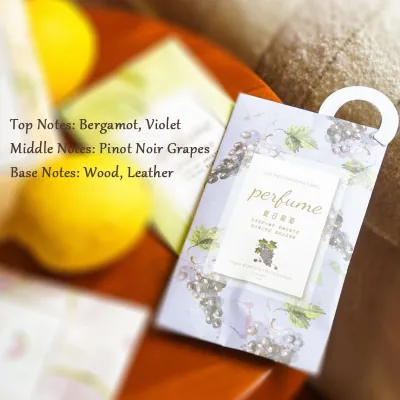

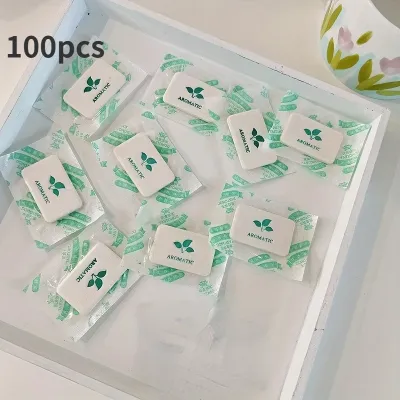
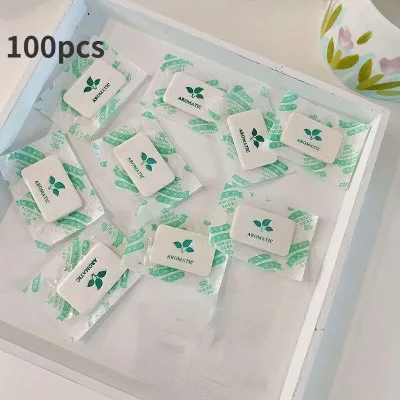
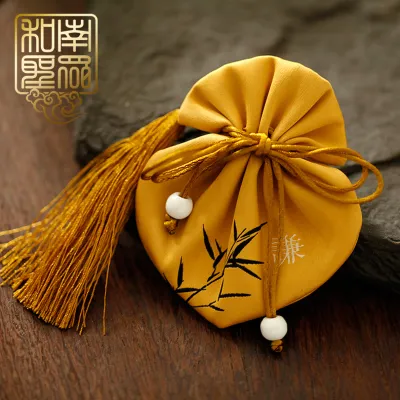
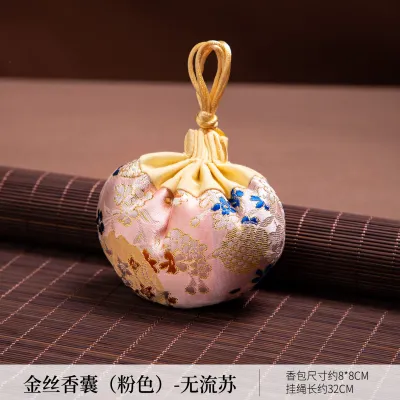
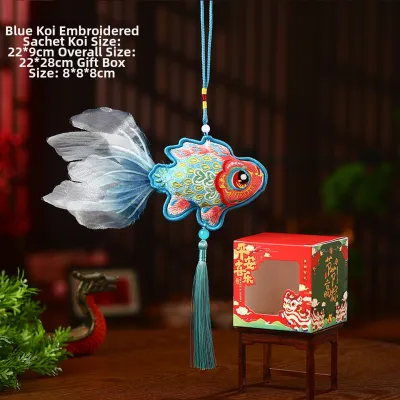

Prices are valid at publication and may change. Please refer to the product page for the latest price.
Key Factors to Evaluate Before Buying
Before purchasing a fragrance bag, evaluating several physical and functional specifications will ensure you select a product that performs safely and effectively in its intended location.

- Scent Strength and Throw Distance: Scent throw refers to how far the fragrance travels from the bag. Small sachets filled with natural grains or vermiculite typically offer a localized throw, making them ideal for confined spaces. Larger bags containing concentrated fragrance oils or scented wax beads provide a wider throw suitable for entire rooms.
- Longevity and Refillability: Passive fragrance bags generally last anywhere from a few weeks to several months, depending on the carrier material and environmental exposure. Check if the manufacturer offers refillable pouches or concentrated scent sprays to reactivate the bag, which reduces waste and long-term costs.
- Material Safety and Surface Contact: Fragrance oils can damage delicate surfaces, plastics, and textiles upon direct contact. Verify that the outer envelope is made of non-staining, tightly woven fabric or thick paper, especially if you plan to place the bag directly on wooden shelves or among white linens.
- Size and Form Factor: Consider where the bag will reside. Hanging loops are essential for wardrobe rods and car mirrors, while flat, compact sachets are better suited for sliding into shallow drawers or tucking behind decorative items on a shelf.
Matching Fragrance Bags to Specific Home Spaces
Each area of your home presents unique environmental challenges, from the high humidity of bathrooms to the extreme temperature shifts inside a parked vehicle. Understanding these variables allows you to choose a fragrance bag that maintains its structural integrity while delivering a consistent scent.
Wardrobes, Drawers, and Linen Closets
Enclosed storage spaces require a delicate touch to ensure your clothes and linens emerge with a subtle, pleasant aroma rather than an overpowering chemical scent. Because air circulation is minimal in these areas, a low-to-medium scent throw is highly recommended.
- Material Protection: Choose sachets wrapped in breathable, non-staining fabrics like linen, cotton, or high-grade parchment paper. This prevents any concentrated fragrance oils from seeping through and staining delicate fabrics.
- Moisture Management: In humid climates like Singapore, wardrobes are highly susceptible to trapping moisture, which can lead to musty odors. Opting for fragrance bags that incorporate natural clay, silica gel, or volcanic rock carriers can help absorb minor ambient moisture while simultaneously releasing a clean, refreshing scent.
Bathrooms and High-Humidity Areas
Bathrooms present a challenging environment due to rapid shifts in humidity and temperature, alongside the constant presence of water droplets. Standard paper-wrapped sachets can quickly degrade, mold, or lose their scent when exposed to steam.
- Moisture Resistance: Look for fragrance bags specifically designed for damp environments. These often feature water-resistant outer barriers, synthetic mesh envelopes, or specialized wax-based carriers that do not break down when exposed to high humidity.
- Odor Neutralization: Rather than simply masking bathroom odors with heavy floral scents, select bags containing active charcoal, baking soda, or specialized odor-neutralizing compounds. Crisp, clean scent profiles like eucalyptus, citrus, or mint work best to maintain a fresh atmosphere.
- Safe Placement: Hang the bag away from direct water splashes, such as on a towel rack, behind the door, or near a high window where ventilation is strongest. This preserves the structural integrity of the bag and ensures even scent distribution.
Living Rooms and Open Concept Areas
The living room is often the largest and most active space in the home, requiring a strategic approach to scenting. A single small sachet will quickly become lost in a spacious, open-concept living and dining area.
- Scent Throw and Scale: To achieve a consistent ambient fragrance, select larger-format bags or place multiple matching sachets in key zones. Look for products utilizing highly concentrated fragrance beads or mineral carriers designed for maximum scent throw.
- Strategic Distribution: Position the bags near natural air currents, such as close to open windows, ceiling fans, or air conditioning vents. This allows the moving air to carry the scent throughout the room rather than letting it pool in a single corner.
- Aesthetic Integration: Since these bags may be visible to guests, choose designs that complement your interior decor. Elegant linen pouches, minimalist paper envelopes, or decorative hanging sachets can be placed discreetly in decorative bowls, on bookshelves, or alongside indoor plants.
Cars and Compact Enclosed Cabins
The interior of a vehicle experiences extreme temperature fluctuations, particularly when parked under direct sunlight. This heat can accelerate the release of fragrance oils, leading to a cloying environment or even physical leakage.
- Heat Resistance: Avoid gel-based or low-melting-point wax fragrance bags in vehicles, as they can melt and cause permanent damage to your dashboard or upholstery. Opt for solid mineral carriers, clay beads, or specially treated paper sachets that withstand high temperatures without leaking.
- Sizing and Mounting: Select compact, lightweight designs that can be securely hung from the rearview mirror or clipped to an air vent. Ensure the bag does not obstruct your view or interfere with any driving controls.
- Subtle Scent Profiles: Because a car cabin is a highly confined space, strong or overly sweet scents can easily cause headaches, dizziness, or driver fatigue. Choose mild, grounding aromas such as light woods, green tea, or soft citrus to keep the cabin fresh and comfortable.
Maximizing Scent Longevity and Safe Usage
To get the most value out of your fragrance bags while ensuring a safe household environment, proper maintenance and placement are essential.
- Reactivating the Scent: When the aroma begins to fade, you can often reactivate the filling material. For bags containing natural grains, clay beads, or dried botanicals, a gentle squeeze or shake will redistribute the internal oils and release a fresh burst of scent.
- Safe Placement Boundaries: Keep fragrance bags away from direct sunlight, radiators, and other heat sources, as excessive heat accelerates scent evaporation and can degrade the outer packaging. Additionally, never place scented sachets directly on food preparation surfaces, dining tables, or within reach of children and pets.
- Replacement Indicators: Monitor your fragrance bags for physical changes. If you notice any oil seeping through the outer envelope, discoloration, clumping of the internal media, or a complete lack of scent even after shaking, it is time to replace the bag immediately to prevent surface damage and maintain a fresh home environment.
Frequently Asked Questions (FAQ)
Can I use the same fragrance bag in my wardrobe and my car?
While it is physically possible, it is generally not recommended to use the exact same product type for both spaces. The extreme heat inside a parked car can cause fragrance oils in a standard wardrobe sachet to evaporate too quickly, potentially melting the carrier or creating an overwhelmingly strong scent in the small cabin. Conversely, a car-specific fragrance bag designed to withstand high heat may not release enough scent in the cool, stagnant environment of a wardrobe.
Are fragrance bags safe to use around pets and infants?
Fragrance bags should always be used with caution in homes with pets and infants. Many commercial fragrances and natural essential oils can be toxic to animals if inhaled in high concentrations or ingested. Always check the ingredient labels for warning signs, keep all sachets completely out of reach on high shelves or inside closed drawers, and ensure the room remains well-ventilated to prevent any respiratory discomfort for sensitive household members.
Community discussion
Share your experience or ask a question. Comments are reviewed before publication.