
Selecting a Ganesha statue for your home in Singapore requires careful consideration of the local climate. The island’s year-round tropical humidity, which frequently exceeds 80%, creates a challenging environment for decorative and religious artifacts. Without the right material selection, a cherished statue can quickly fall victim to moisture damage, tarnishing, or structural warping.
To ensure your Ganesha statue remains a beautiful and enduring focal point, you must match the material to the specific microclimate of your display space. While brass and high-density resin stand out as the most resilient options for naturally ventilated areas, materials like kiln-dried wood, glazed ceramic, and natural stone can also thrive under the right indoor conditions. Understanding how these materials interact with ambient moisture is the first step toward making an informed purchase.
Understanding Material Behavior in Tropical Humidity
Sustained high humidity affects materials based on their porosity and chemical stability. Porous surfaces, such as untreated wood, unglazed clay, and soft stones, act like natural sponges, absorbing moisture directly from the surrounding air. This trapped moisture creates an ideal breeding ground for mold spores and can cause organic materials to expand, contract, and eventually degrade.
Products mentioned in this guide
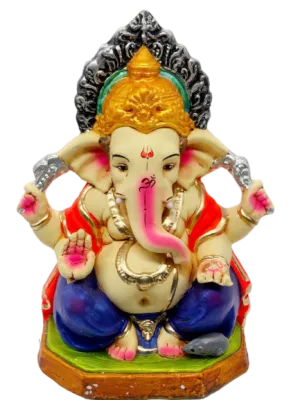
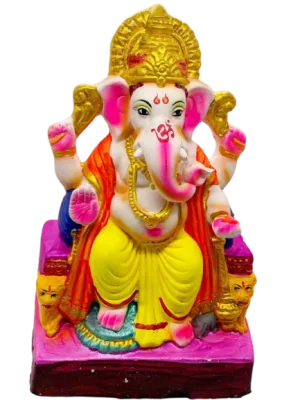
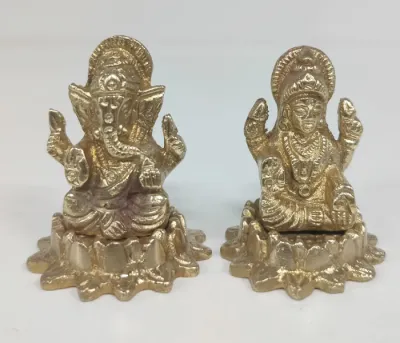
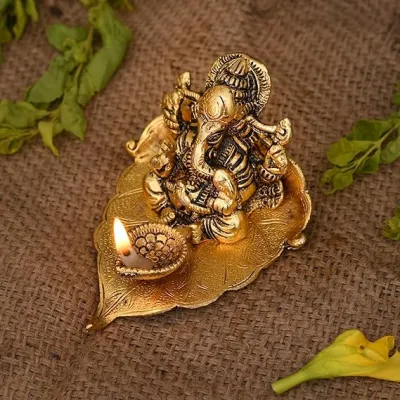
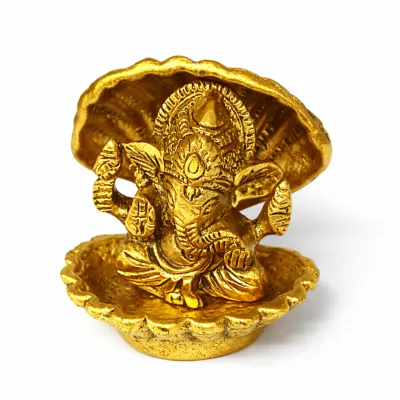
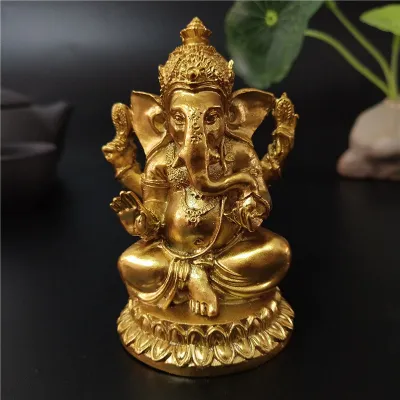
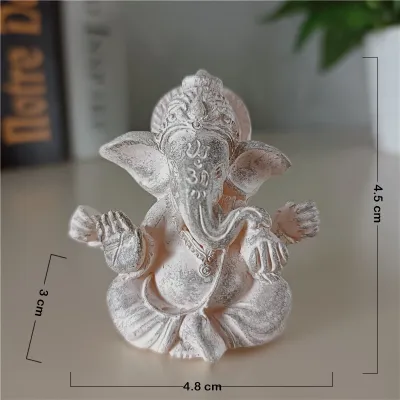
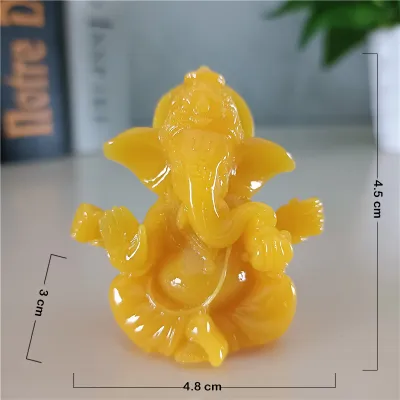
Prices are valid at publication and may change. Please refer to the product page for the latest price.
Non-porous materials, including metals and synthetic resins, do not absorb water, but they are not entirely immune to atmospheric moisture. On these surfaces, humidity often manifests as condensation, which can trap airborne dust and pollutants. Over time, this moisture barrier can trigger chemical reactions like oxidation on metals or cause protective paint layers on resins to bubble and lift.
When assessing an artifact, look for visible signs of moisture-related stress. These include a dulling of the surface finish, fine cracks in painted details, localized discoloration, or a powdery white residue. To prevent these issues, always check the manufacturer’s specifications or product labels to verify whether the statue is rated for indoor use, semi-outdoor display, or full outdoor exposure.
Evaluating Common Ganesha Statue Materials
Choosing the right material involves balancing aesthetic preferences with practical maintenance requirements. Each material option presents a unique set of physical properties that dictate how it responds to Singapore’s warm, humid air. By evaluating these characteristics, you can select a statue that fits both your home’s decor style and your lifestyle.

The longevity of any statue depends heavily on the quality of its protective sealants and surface finishes. Even naturally sensitive materials can perform exceptionally well if they have been treated with high-quality, moisture-resistant coatings during manufacturing.
Brass and Metal Alloys
Brass, bronze, and other copper-based alloys are traditional choices for Ganesha statues, valued for their weight, durability, and classic golden luster. In humid environments, however, copper alloys naturally react with oxygen and moisture to form a green or dark brown patina. While some collectors appreciate this aged look, maintaining a bright, polished finish requires regular attention.
To minimize oxidation, verify whether the manufacturer has applied a protective lacquer coating to the metal. A sealed brass statue will resist tarnishing for much longer, though you must avoid abrasive cleaning methods that could scratch or strip this protective layer. When cleaning, use a dry, soft microfiber cloth to gently wipe away dust, paying close attention to intricate carvings where moisture and dust tend to collect.
If you are considering a large, solid-metal statue, remember to evaluate the structural integrity of your shelving or altar. Heavy metal pieces require stable, level support surfaces to prevent tipping. Ensure that any wall-mounted brackets or floating shelves are rated for the specific weight of the metal alloy to maintain a safe display environment.
Resin and Synthetic Composites
Resin and synthetic composites have become highly popular for cultural decor due to their versatility, lightweight nature, and excellent moisture resistance. Because resin is non-porous, it does not absorb atmospheric water, making it highly stable in naturally ventilated rooms, kitchens, or semi-outdoor altars. This material can be molded into incredibly intricate shapes and painted to mimic stone, wood, or metal.
Despite their water resistance, resin statues can be sensitive to environmental factors like ultraviolet (UV) light and heat. If placed near sunlit windows or close to warm lighting fixtures, the synthetic binders in the resin can degrade, leading to faded colors, yellowing, or peeling paint. It is best to display resin pieces in shaded areas away from direct sunlight.
When shopping for a resin Ganesha statue, check the product details for high-density or cold-cast resin, which offer superior structural stability compared to hollow, lightweight alternatives. Look for labels indicating the use of UV-resistant paints and sealed topcoats, as these features significantly extend the life of the statue’s colorful details.
Wood and Carved Naturals
Wooden Ganesha statues bring a warm, organic, and deeply traditional feel to a home, but they require the most environmental control in a tropical climate. Wood is highly hygroscopic, meaning it constantly exchanges moisture with the surrounding air. In high humidity, wood fibers swell, and if the environment dries out rapidly—such as when an air conditioner is turned on—the wood shrinks, leading to warping, splitting, or cracking.
To ensure a wooden statue can withstand these shifts, look for indicators that the piece is crafted from kiln-dried hardwood, such as teak or rosewood, which naturally contain oils that resist moisture and pests. The product label or description should explicitly state that the wood has been sealed with a protective varnish, wax, or polyurethane coating to block moisture absorption.
Placement is critical for preserving carved wood. Keep your wooden Ganesha statue away from damp external walls, open windows where rain might splash, and direct airflow from air-conditioning vents. Drastic, rapid changes in temperature and humidity are the primary causes of structural damage in wooden artifacts.
Ceramic, Stone, and Clay
Ceramic, stone, and clay statues offer a timeless, grounded aesthetic, but their performance in humid conditions depends entirely on their surface treatment. Glazed ceramics and vitrified porcelain are highly resistant to moisture because the firing process creates a glassy, impermeable barrier. These pieces are incredibly easy to clean and are highly stable in both humid and dry environments.
In contrast, unglazed clay (such as terracotta) and porous natural stones (like sandstone or limestone) readily absorb moisture. In Singapore’s humid air, this absorption can lead to efflorescence—a process where soluble salts migrate to the surface as moisture evaporates, leaving behind a powdery white mineral deposit. Over time, these deposits can obscure fine details and weaken the surface of the statue.
Because mineral-based materials are inherently brittle, they require secure, level placement. Ensure your altar or display shelf is completely stable and free from vibrations. When cleaning glazed ceramic or polished stone, a simple wipe with a damp cloth is sufficient, but unglazed pieces should only be dusted with a soft, dry brush to avoid driving moisture deeper into the pores.
Matching Material to Your Display Environment
To choose the best material, you must analyze the specific microclimate of the room where the Ganesha statue will reside. A statue placed in a continuously air-conditioned living room faces very different environmental stresses than one positioned on a naturally ventilated balcony or a semi-outdoor home altar. Matching the material’s properties to these distinct zones will ensure its long-term preservation.
For naturally ventilated spaces, such as open-concept living areas or sheltered corridors, brass and high-density resin are the most forgiving choices. These materials handle the ambient humidity without structural warping. For indoor rooms with consistent air conditioning, sealed wood and glazed ceramic are excellent options, as the stable temperature helps mitigate the risks of thermal expansion and contraction.
| Display Environment | Typical Conditions | Recommended Materials | Materials to Avoid or Monitor |
|---|---|---|---|
| Naturally Ventilated | High humidity, consistent warmth, natural airflow | Brass (lacquered), High-Density Resin, Glazed Ceramic | Untreated Wood, Unglazed Terracotta |
| Air-Conditioned Indoor | Low humidity (when running), temperature fluctuations | Sealed Wood, Glazed Ceramic, Polished Stone, Brass | Lightweight, unsealed synthetic composites |
| Semi-Outdoor / Balcony | High humidity, potential wind-driven rain, indirect sunlight | High-Density Resin (UV-resistant), Glazed Ceramic, Solid Stone | Untreated Wood, Unlacquered Brass, Painted Plaster |
Before finalizing your purchase, always cross-reference the manufacturer’s care instructions with your intended display location. If a product label specifies “indoor use only,” do not place it on a balcony or near an open window, even if the material seems durable.
Care and Maintenance for Humid Conditions
Establishing a gentle, regular cleaning routine is the most effective way to protect your Ganesha statue from the cumulative effects of tropical humidity. Dust acts as a binder for moisture, holding dampness against the surface of the statue and accelerating degradation. Weekly dusting with a clean, dry microfiber cloth or a soft-bristled brush is usually all that is required to keep the surface clean.
If the statue requires a deeper clean, use a slightly damp microfiber cloth wrung out completely, followed immediately by a dry cloth to remove any residual moisture. Never submerge a decorative statue in water or allow liquid to pool in intricate crevices. Avoid harsh chemical cleaners, acidic solutions, abrasive scrubbing pads, or unverified home remedies, as these can permanently strip protective lacquers, dissolve paint, or etch polished stone.
Know when to stop cleaning and seek professional assistance. If you notice active mold growth that returns after wiping, deep green corrosion on brass that has begun to pit the metal, or structural cracks in wood or ceramic, consult a professional conservator. Attempting to scrub away deep-seated damage with household tools often causes irreversible harm to the artifact’s delicate details.
Frequently Asked Questions (FAQ)
Can I place a wooden Ganesha statue in an air-conditioned room?
Yes, you can place a wooden Ganesha statue in an air-conditioned room, provided the wood is properly sealed and the statue is kept away from direct drafts. The primary danger is not the cold air itself, but the rapid drop in humidity when the air conditioning is turned on, followed by a sudden rise when it is turned off. To minimize this physical stress, place the statue in an area with stable, indirect airflow, and ensure it has been treated with a high-quality varnish or wax sealer to slow down moisture exchange.
How do I remove white spots or mold from a resin statue?
White spots on a resin statue can be caused by mineral deposits from condensation or early mold growth. To safely remove them, gently wipe the affected area with a microfiber cloth slightly dampened with clean water, then dry the surface immediately with a separate dry cloth. Do not use household disinfectants or alcohol-based cleaners, which can dissolve the painted finish. If the paint is flaking, lifting, or bubbling, stop cleaning immediately and consult a professional restorer to avoid stripping the remaining details.
Community discussion
Share your experience or ask a question. Comments are reviewed before publication.