
Selecting the perfect Ganpati idol for your home celebration requires balancing spiritual tradition, spatial limits, and decorative harmony. The ideal choice depends on the physical dimensions of your designated puja space, the intended lifespan of the idol, and how it complements your surrounding home decor. By evaluating key dimensions such as spatial proportions, material properties, posture symbolism, and safe integration with lighting and mandap structures, you can select a centerpiece that brings both joy and safety to your household. This guide will help you build a personalized decision framework to find an idol that fits your specific living environment, whether you reside in a compact high-rise apartment or a spacious landed home.
Assessing Your Space and Size Requirements
Before browsing any designs, you must measure the exact physical footprint of your intended puja area. Use a measuring tape to record the width, depth, and height of the table, shelf, or floor space where the idol will sit. If you plan to place the idol inside a dedicated mandap (temple structure), measure the internal clearance rather than the external frame. Remember to account for the space required by decorative backdrops, side offerings, oil lamps, and flower garlands, which can quickly crowd a small platform.
Overhead clearance is equally critical, especially if you are setting up a raised platform or placing the idol on a low floor table. Ensure there is a safe gap between the top of the idol’s crown (mukut) and any hanging decorations, ceiling fans, or light fixtures. A tight clearance not only makes the setup look cramped but also increases the risk of accidentally knocking over the idol or catching hanging fabrics on the crown during daily rituals.
Products mentioned in this guide
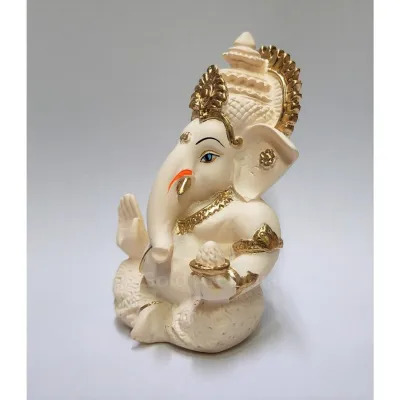
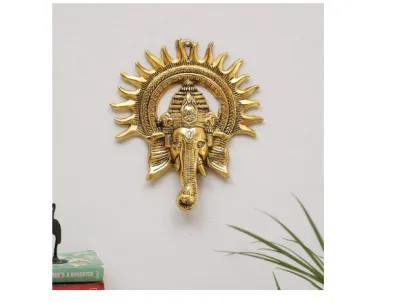
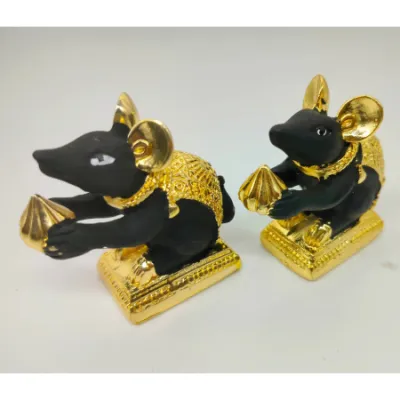
Prices are valid at publication and may change. Please refer to the product page for the latest price.
Weight distribution is a frequently overlooked factor when planning your setup. A solid metal or stone idol can weigh significantly more than a hollow resin or clay counterpart of the same height. Before placing a heavy sculpture on a glass-topped table or a wall-mounted floating shelf, verify the maximum load capacity of the furniture. If you are uncertain about the shelf’s structural integrity, it is safer to opt for a lightweight material or position the setup on a sturdy, ground-bearing console table.
Visual proportion plays a major role in the overall aesthetic of your home. An idol that is too large can overwhelm a modest living room, making the space feel cluttered and restricting natural foot traffic. Conversely, an exceptionally small figurine on a large, open table can lose its visual impact and get swallowed up by the surrounding decor. Aim for a balanced ratio where the idol occupies roughly one-third to one-half of the display platform’s total width, leaving ample breathing room for secondary decorative elements.
If you live in a multi-story home or a high-rise apartment, consider the logistics of moving the idol into your space. Larger, heavier sculptures require a clear, unobstructed path from your entrance to the puja room. Verify that your doorways, hallways, and elevators can comfortably accommodate the packaged dimensions of the idol. Measuring these pathways beforehand prevents unexpected handling difficulties on the day of arrival.
Choosing the Right Material for Your Idol
The material of your Ganpati idol dictates its weight, durability, environmental impact, and how it must be handled during and after the celebration. Traditional natural clay, often referred to as Shadu clay, is highly favored for its eco-friendly properties. These idols are designed to dissolve completely in water, making them ideal for home-based immersion (Visarjan) in a simple bucket or garden pot. However, natural clay is inherently fragile, prone to cracking in dry, air-conditioned environments, and requires extremely gentle handling during transport and placement.

For households looking for a reusable option that can be displayed year-round or stored safely for future celebrations, materials like resin, metal, or ceramic are excellent alternatives. Resin figurines are lightweight, highly detailed, and resistant to accidental chips, making them easy to move and store. Metal options, such as brass, bronze, or copper, offer a classic, timeless aesthetic and exceptional durability, though they require periodic polishing to maintain their luster. Ceramic idols provide a smooth, elegant finish but must be protected from hard impacts.
Maintenance requirements vary drastically between these materials. While a brass idol can be washed with water and polished with mild natural acidic agents like lemon or tamarind paste, a painted clay idol must never come into contact with water prior to the immersion ritual. Resin and ceramic options can be wiped down with a damp microfiber cloth to remove dust, but you must avoid harsh chemical cleaners that could strip away the protective topcoat or dissolve the paint.
When selecting painted idols, prioritize safety by checking manufacturer labels for non-toxic, lead-free paints. This is particularly important if young children or pets are present in the home, as they may touch the idol or handle the surrounding offerings. Unpainted clay idols offer a rustic, minimalist look and eliminate any concerns regarding chemical pigments, allowing you to appreciate the natural texture of the material.
Consider the local climate when choosing your material. In humid environments, certain organic binders used in low-quality clay or plaster compositions can attract mold if stored in damp cupboards. If you opt for a reusable idol, ensure the material can withstand seasonal humidity changes without warping, peeling, or losing its structural integrity over time.
Selecting the Design, Posture, and Symbolic Details
The posture of the Ganpati idol significantly influences both its physical footprint and its visual presence. Sitting postures, such as the traditional Lalitasana (where one leg is folded and the other rests on the ground), offer a low center of gravity and a wide, stable base. This design is highly recommended for elevated shelves or tables, as it is less likely to tip over if the surface is bumped. Standing or dancing postures, while dynamic and visually striking, have a narrower base and a higher center of gravity, requiring a perfectly level, secure surface to prevent tipping.
Traditional iconographic details also play a role in your selection. Many families look for specific symbolic features, such as the direction of the deity’s trunk. A trunk curved to the left (Vanamukhi) is widely preferred for household settings, as it is traditionally associated with peace, happiness, and gentle energy. A trunk curved to the right (Dakshinabhimukhi) is associated with more rigorous, formal worship rituals and is less common in casual home setups.
Aesthetic integration with your existing home decor is another key consideration. If your home features a sleek, modern interior, a minimalist metal sculpture or a monochrome ceramic figurine can blend seamlessly into the space without clashing with your furniture. For homes with a more traditional or rustic aesthetic, a hand-painted clay idol with vibrant colors and intricate traditional attire can serve as a warm, inviting centerpiece that anchors the entire room’s design.
Before finalizing your choice, inspect the structural stability of any intricate details. Extended hands, delicate fingers, protruding weapons, and elaborate crowns are the most vulnerable parts of any sculpture. Ensure these elements are thick enough to withstand minor vibrations and are securely integrated into the main body of the idol. If you are purchasing a clay or plaster idol, look closely for hairline fractures along the joints, as these can expand under stress or temperature changes.
The base of the sculpture should be flat, smooth, and free of wobbles. An uneven base can scratch your wooden furniture or cause the idol to lean dangerously. If you find a slight wobble in an otherwise perfect idol, plan to use a soft felt pad or a stable wooden pedestal to level the base and protect your tabletop surfaces.
Planning the Mandap and Decoration Setup
A successful ganpati decoration relies on a secure, well-planned foundation. The base of your idol must fit entirely within the boundaries of your mandap or decorative platform. Overhanging edges create a severe tipping hazard and make the setup vulnerable to accidental snags from passing clothing or curtains. If you are using a temporary wooden or cardboard mandap, verify its weight capacity to ensure it can support the idol, heavy brass lamps, and wet flower arrangements without sagging.
Backdrop materials must be chosen with both aesthetics and safety in mind. While fresh flower garlands, fabric drapes, and paper fans create beautiful visual layers, they are also highly flammable. If you are using these materials, ensure they are securely anchored so they cannot drift or fall onto open flames. Maintaining a clear physical separation between your decorative backdrop and any traditional oil lamps or incense burners is essential to prevent accidental fires.
Lighting is a crucial element of the decoration, but it must be planned with safety as the top priority. Always use low-heat LED lights rather than traditional incandescent bulbs near your idol. High-temperature bulbs can dry out and crack natural clay, melt resin details, or discolor delicate hand-painted finishes. Ensure that any spotlights or fairy lights are positioned at a safe distance from flammable materials like paper decorations, dry grass, and fabric drapes.
Electrical safety requires careful cable management. Route all power cords behind the display, keeping them completely clear of water vessels used for rituals, oil lamps (diyas), and incense burners. Use cable ties or adhesive clips to secure loose wires to the table legs, preventing them from becoming tripping hazards for family members and guests. If your setup requires an extension cord, ensure it is rated for the total wattage of your lights and features a recognized safety certification mark.
Keep the immediate area around the idol well-ventilated, especially if you plan to burn incense or light oil lamps daily. High concentrations of smoke and heat can leave soot deposits on the idol’s face and dull the surrounding decor. Positioning your setup away from direct drafts from open windows or air conditioning vents will keep your oil lamps burning steadily while protecting the delicate components of your display.
Condition-Based Shortlist: Matching Idols to Home Profiles
To simplify your decision, consider how your specific living situation aligns with these common household profiles:
- Compact Apartments: If you reside in a cozy high-rise apartment or HDB flat with limited floor space, focus on lightweight idols under 30 centimeters in height. Materials like high-quality resin or small natural clay are ideal for wall-mounted shelves, console tables, or compact corner altars. These options are easy to lift, require minimal storage space, and do not overload delicate wall brackets. Pair them with simple, space-saving backdrops like fairy light curtains or small paper floral arrangements to keep the setup elegant yet uncluttered.
- Traditional Floor Setups: For spacious homes with dedicated puja rooms or large living areas, a larger clay or stone-powder idol (ranging from 45 to 60 centimeters) creates a magnificent focal point. These setups require a sturdy, low wooden platform (chowki) placed directly on the floor, surrounded by elaborate floral arrangements and traditional brass lamps. Ensure you have a reinforced base and ample clearance to walk around the setup safely. This profile allows for more elaborate mandap structures, but requires careful planning of foot traffic paths to avoid accidental bumps.
- Long-Term Display: If you prefer a permanent spiritual centerpiece that remains part of your home decor throughout the year, select a durable metal (such as solid brass) or marble dust idol. These materials do not degrade, are easy to dust with a soft microfiber cloth, and can be integrated into your living room shelving or permanent home temple without the need for seasonal replacement. When displaying these year-round, choose a neutral or classic metallic finish that complements your home's changing seasonal decor.
Frequently Asked Questions (FAQ)
Can I reuse the same Ganpati idol every year?
Yes, you can absolutely reuse the same idol if it is made from durable, non-soluble materials such as brass, bronze, marble, or high-quality resin. Instead of physical water immersion, many households perform a symbolic immersion (Visarjan) by sprinkling water on the idol or placing it in a shallow tray for a ritual bath. To preserve the idol for the following year, clean it gently with a dry microfiber cloth, wrap it in a soft cotton fabric, and store it in a sturdy box in a cool, dry place away from direct sunlight and moisture.
How do I safely light my Ganpati decoration setup?
To light your setup safely, use low-voltage, battery-operated LED fairy lights or USB-powered light strips. These lights generate virtually no heat, minimizing the risk of fire or damage to the idol’s paint. Always inspect the wiring for frayed insulation or exposed copper before plugging them in. Ensure that all electrical connections are kept at a safe distance from water offerings, and never leave decorative lights turned on overnight or when the home is unattended.
Community discussion
Share your experience or ask a question. Comments are reviewed before publication.