
Choosing a glass bowl for your plant requires balancing the biological needs of the plant with the visual language of your interior design. Unlike traditional ceramic or terracotta pots, glass planters offer a unique window into the soil, roots, and water, making them highly decorative but also demanding of careful management. To achieve a successful display, you must evaluate how a bowl’s shape, depth, and glass style interact with both your plant’s root structure and your room’s existing aesthetic.
Before finalizing your purchase, it is essential to look beyond pure visual appeal. You must verify how you will manage drainage, as most glass vessels lack drainage holes, and assess where the bowl will sit to avoid dangerous light refraction. In most cases, glass bowls perform best when used as decorative outer covers—known as cachepots—rather than direct planting vessels. This approach protects your plant’s health while allowing you to enjoy the sleek, modern look of glass decor.
Whether you are styling a compact apartment shelf or looking for a statement centerpiece for a dining table, understanding these design and biological factors will help you select the perfect glass bowl. By matching the right glass style to the correct plant variety, you can create a thriving, low-maintenance indoor display that elevates your home’s interior design.
Products mentioned in this guide
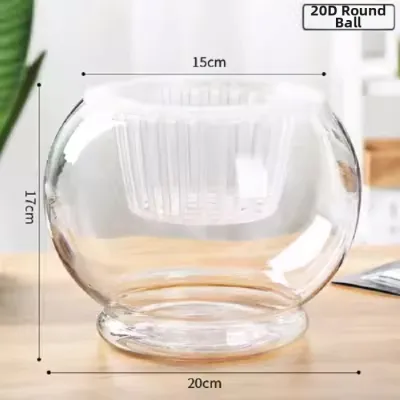
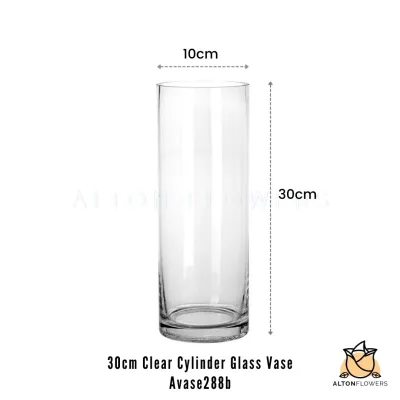
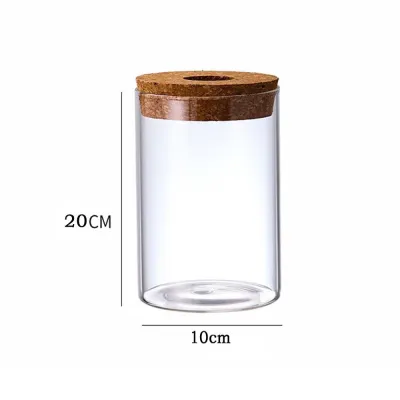
![[SGLOCAL] Square Clear Glass Vase for plant/Terrarium 10cm x 10cm](https://img.lazcdn.com/g/p/5fce3fcad17fb6dbdeac8152e37b75f9.jpg_400x400q80.jpg_.webp)
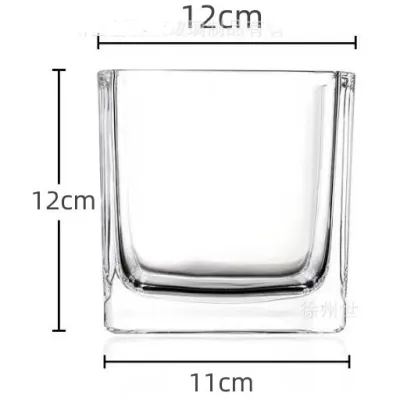
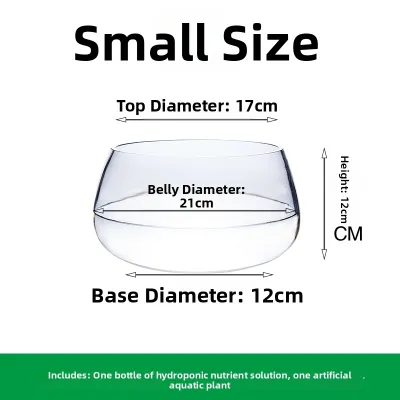
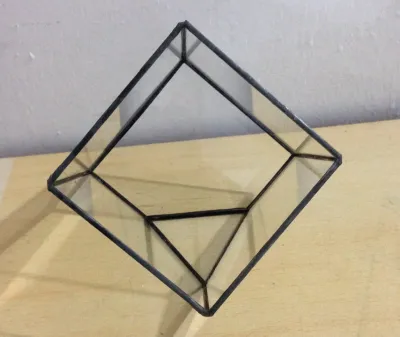
Prices are valid at publication and may change. Please refer to the product page for the latest price.
Matching Bowl Shapes and Depths to Plant Types
Shallow, wide glass bowls are exceptionally well-suited for plants that thrive in dry environments with minimal root systems. Succulents, cacti, and air plants are ideal candidates for these low-profile vessels. Because these plants require rapid soil drying to prevent rot, a wide, open bowl maximizes the surface area of the soil exposed to the air, promoting efficient evaporation. The shallow depth also prevents excess moisture from pooling deep beneath the roots, where it could cause silent, irreversible damage.
Deep, narrow glass bowls serve a completely different botanical purpose, making them ideal for water propagation, semi-hydroponics, or bulb forcing. If you are growing lucky bamboo, propagating pothos cuttings, or forcing hyacinth bulbs, a deeper vessel provides the necessary vertical support to keep stems upright. The narrow opening limits water evaporation, helping to maintain a consistent water level while keeping the plant’s crown dry and free from fungal issues.
Hanging or tiered glass bowls offer an excellent way to display trailing plants, such as string of pearls, English ivy, or heartleaf pothos, particularly in space-constrained homes. Suspending these delicate glass vessels allows the foliage to cascade naturally, creating a living vertical feature. However, suspended glass introduces specific physical risks that require careful planning.
When installing hanging glass bowls, always verify the weight capacity of your ceiling hooks, wall brackets, and the hanging cords themselves. Glass is inherently heavy, and its weight increases significantly when filled with water, plants, and decorative stones. Ensure you follow the manufacturer’s installation instructions precisely, and use appropriate wall anchors suitable for your wall type, such as concrete anchors for solid walls or toggle bolts for plasterboard. If you are mounting a hanging display near ceiling fans, air conditioning vents, or electrical fixtures, consult a qualified professional to ensure a secure, hazard-free installation.
The most critical decision when using a glass bowl is choosing between direct planting and the cachepot method. Direct planting involves placing soil and the plant directly into the glass bowl, which exposes the soil and roots to light. This exposure can encourage algae growth and makes watering highly risky, as there is no escape route for excess water.
In contrast, the cachepot method involves keeping your plant in its standard plastic nursery pot and simply placing that pot inside the decorative glass bowl. This method is highly recommended for beginners and experienced growers alike. It allows you to easily lift the plant out, water it thoroughly over a sink, let it drain completely, and then return it to its beautiful glass display without any risk of standing water at the bottom.
Aligning Glass Aesthetics with Your Room Decor
Minimalist, clear, and geometric glass bowls are perfect matches for modern, Scandinavian, or contemporary interior designs. These styles emphasize clean lines, open spaces, and functional simplicity. A perfectly spherical clear glass globe or a sharp, faceted geometric bowl complements sleek metal, concrete, or light wood furniture. By keeping the container completely transparent, the focus remains on the natural form of the plant and the clean textures of the potting medium, such as white river pebbles or neat clay pebbles.

Vintage, ribbed, frosted, or tinted glass bowls find their home in eclectic, mid-century modern, or bohemian spaces. Ribbed glass adds a delightful tactile texture that diffuses light across its surface, casting soft, patterned shadows on nearby walls. Frosted glass offers a softer, more mysterious look, partially concealing the inner pot or root system while blending seamlessly with cozy, textile-rich decor. Tinted glass in warm amber, smoky gray, or olive green can tie into your room’s accent colors, adding a layer of sophisticated warmth without overwhelming the space.
When selecting a glass bowl, consider how its clarity, tint, and surface texture affect the visual weight of the display. Clear glass has virtually no visual weight, making it an excellent choice for small rooms, narrow shelves, or cluttered desks where you want to maintain an airy, spacious feel. Tinted or heavily textured glass has a much higher visual weight, immediately drawing the eye. These bolder pieces work best as singular focal points on dining tables, entry consoles, or spacious sideboards.
To create a balanced look, you must also harmonize the visual complexity of the glass bowl with the foliage density of the plant. A highly textured, ribbed, or colorful glass bowl pairs best with simple, structured plants that have clean lines, such as a single monstera leaf, a snake plant, or a minimalist orchid. Conversely, a simple, clear, unadorned glass bowl is the ideal stage for dense, intricate foliage, such as delicate ferns, nerve plants, or trailing vines, allowing the plant’s natural complexity to shine without competing with its container.
Essential Safety and Practical Checks Before You Buy
One of the most overlooked risks of using glass planters is light refraction. Curved, spherical, or exceptionally thick glass can act exactly like a magnifying lens when placed in direct sunlight. This phenomenon can focus intense beams of light onto a single spot, which can quickly scorch your plant’s leaves, dry out its roots, or even leave permanent burn marks on your wooden tables, shelves, or nearby fabrics. Always assess the light path in your room throughout the day to ensure your glass bowl sits safely out of direct, concentrated sunlight.
Weight and stability are equally important physical factors to verify before making a purchase. Glass is a dense, heavy material, and once you add water, decorative gravel, or damp soil, the center of gravity can shift dramatically. If you plan to display a top-heavy plant, such as a tall succulent or a plant with large, leaning leaves, ensure the glass bowl features a wide, thick, and flat base. Narrow-bottomed bowls or delicate pedestal styles can easily tip over if bumped, leading to broken glass, spilled water, and damaged plants.
Moisture management is a vital practical consideration, especially in humid tropical climates or air-conditioned indoor environments. Condensation can easily form on the inner and outer surfaces of a glass bowl due to temperature differences. This moisture can slowly drip down the sides of the vessel, pooling underneath and creating unsightly water rings, mold, or permanent water damage on delicate wooden furniture. To protect your home’s surfaces, always place a protective coaster, cork mat, or decorative ceramic tray beneath your glass bowl.
Finally, always verify the exact interior dimensions of the glass bowl before buying, especially if you plan to use the highly recommended cachepot method. Do not rely solely on the exterior measurements provided by retailers. Measure the top rim diameter, the base diameter, and the total height of your plastic nursery pot. Ensure the glass bowl’s interior opening is at least 1 to 2 centimeters wider than your nursery pot, and that the bowl is deep enough to completely conceal the plastic rim, ensuring a clean, professional-looking display.
Frequently Asked Questions (FAQ)
Do glass bowls need drainage holes for plants?
While some specialized glass bowls come with pre-drilled drainage holes, the vast majority of decorative glass bowls are completely sealed. Direct planting in a glass bowl without drainage holes is highly risky, as excess water cannot escape, leading to waterlogged soil, anaerobic conditions, and eventual root rot. To keep your plants healthy, it is best to use the cachepot method: keep the plant in a plastic nursery pot with drainage holes, lift it out to water and drain it completely, and then place it back inside the glass bowl.
If you choose to plant directly in a sealed glass bowl for water-loving plants or terrariums, you must manage moisture with extreme care. Some indoor gardeners add a layer of pebbles or activated charcoal at the bottom of the bowl to act as a temporary water reservoir. However, this layer has strict limitations and does not replace true drainage; it merely holds stagnant water away from the roots temporarily. You must water sparingly, using precise measurements, to avoid filling this reservoir past the gravel line and drowning the roots.
Can I keep a glass bowl planter in direct sunlight?
It is generally unsafe to place a glass bowl planter in direct, intense sunlight. The curved surface of a glass bowl can magnify solar radiation, creating localized hot spots that can easily scorch delicate plant foliage and overheat the root zone. Furthermore, direct sunlight shining through clear glass can rapidly raise the temperature of the water or soil inside, essentially cooking the plant’s roots and promoting rapid, unsightly algae growth along the inner walls of the glass.
To display your glass bowl safely, place it in a spot that receives bright, indirect light, such as a few feet away from a sunny window or near a sheer curtain that filters the harsh rays. If you want to place a planter on a sunny windowsill, opt for frosted, matte, or heavily opaque glass vessels. These textured surfaces help diffuse the incoming light, reducing the risk of heat buildup and protecting both your plant and your furniture from the damaging effects of concentrated sunlight.
Community discussion
Share your experience or ask a question. Comments are reviewed before publication.