
Selecting the ideal God of Wealth magnet figurine requires balancing traditional cultural symbolism with the physical realities of your modern workspace or home environment. Unlike traditional heavy stone or ceramic statues that require dedicated altars and permanent adhesives, magnetic figurines offer a versatile, space-saving alternative that can be easily mounted on metal filing cabinets, steel desk frames, or magnetic whiteboards. To make the right choice, you must evaluate the specific deity archetype that aligns with your professional goals, assess the magnetic pull force required for your chosen surface, and verify that the material and scale of the figurine harmonize with your existing decor.
In modern urban environments where desk space is at a premium, utilizing vertical metallic surfaces is an excellent way to incorporate meaningful decor without creating clutter. A magnetic figurine allows you to position symbolic reminders of prosperity and focus directly within your line of sight. By understanding the structural requirements of magnetic mounts and the cultural significance of different designs, you can select a piece that is both spiritually fulfilling and physically secure.
Understanding God of Wealth Magnet Figurines and Feng Shui Goals
To choose the right figurine, you must first understand the two primary archetypes of the God of Wealth: the Civil (Wen) Wealth God and the Martial (Wu) Wealth God. Each archetype represents a different path to prosperity and is suited to distinct professional environments. Aligning your personal career or business goals with the correct representation is the foundation of a purposeful selection.
Products mentioned in this guide
![[SG Stock] 💎God of Wealth Refridgerator Magnets New Year Spring Festival Cute Housewarming Entry Door Decorative Gift](https://img.lazcdn.com/g/p/5d4e8350e44de75bce5e978d0f558ebb.jpg_400x400q80.jpg_.webp)
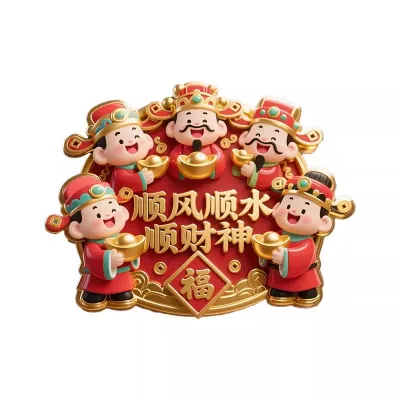
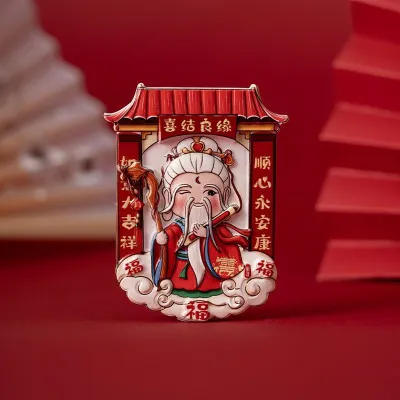
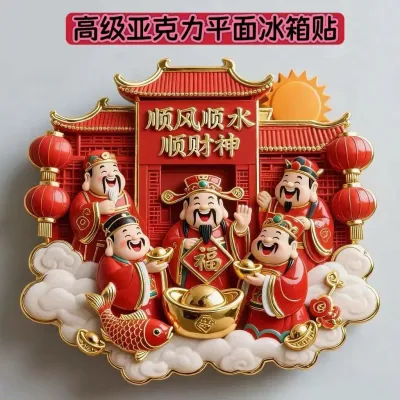
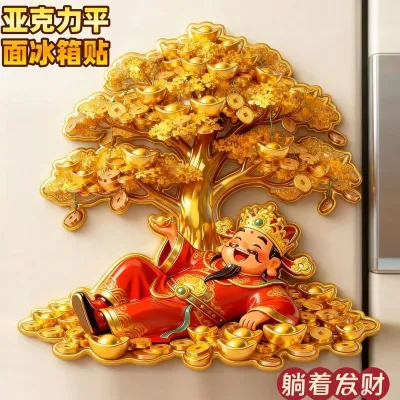
Prices are valid at publication and may change. Please refer to the product page for the latest price.
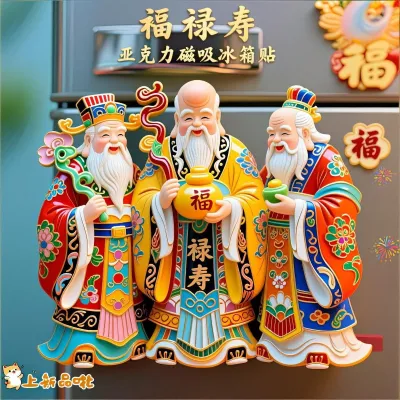
The Civil God of Wealth, often depicted as Bi Gan or Fan Li, is represented wearing scholarly robes and holding a scroll or a ruyi scepter. This archetype symbolizes steady, accumulated wealth, career progression, and intellectual achievements. If you work in a corporate office, administrative role, creative industry, or any profession that relies on steady salary growth and strategic planning, a Civil Wealth God is highly appropriate. It serves as a calm, encouraging presence that fosters focus and harmonious professional relationships.
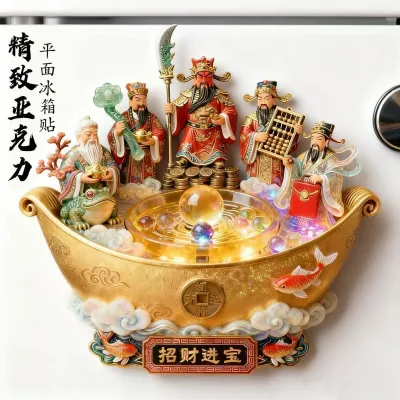
Conversely, the Martial God of Wealth, typically represented by Guan Yu or Zhao Gongming, is depicted in military armor, often holding a weapon or a large gold ingot, sometimes riding a tiger. This archetype symbolizes active wealth generation, competitive advantage, and protection against financial losses or business adversaries. If you are an entrepreneur, sales professional, stock trader, or work in a highly competitive, commission-based industry, the Martial Wealth God is designed to match your dynamic environment. This figure represents the courage and resilience needed to seize opportunities and defend your business interests.
The magnetic component of these figurines introduces a practical, modern functionality to traditional decor. High-quality figurines feature integrated magnets—often made of strong neodymium or durable ferrite—embedded securely within the base or backing. This design allows you to mount the figurine on ferromagnetic surfaces like steel cabinets, computer monitor stands, or metal partitions without leaving sticky adhesive residues or drilling holes. Understanding how this magnetic attachment works is crucial for ensuring the figurine remains safely in place.
Evaluating Placement Spaces and Size Requirements
Before purchasing a figurine, you must carefully measure the intended placement area to ensure the piece fits proportionally and safely. Overcrowding a small office desk with a large, imposing figurine can create visual distraction and physical inconvenience, while a tiny figurine placed on a spacious reception counter may lose its visual impact. You must balance the physical dimensions of the figurine with the scale of the surrounding furniture.

For a standard office cubicle or desk, a compact figurine measuring between 5 to 10 centimeters in height is generally ideal. This size is large enough to appreciate the craftsmanship details but small enough to sit unobtrusively on a metal desk organizer, a computer tower, or a filing cabinet. It maintains a professional atmosphere while still serving as a personal symbol of motivation.
In contrast, dedicated home altars, entryways, or business reception desks can accommodate larger figurines, ranging from 15 to 25 centimeters in height. These spaces allow the figurine to command more presence and serve as a central decorative focal point. When planning for these larger pieces, ensure there is sufficient clearance around the figurine so it does not interfere with daily operations or the movement of documents and equipment.
Weight and magnetic hold are critical safety factors, especially when mounting a figurine on a vertical or elevated surface. Gravity constantly exerts downward force, and if the magnetic pull is insufficient, the figurine will slide or fall, potentially causing damage or injury. When evaluating a product, check the manufacturer’s specifications for weight and magnetic strength. Keep in mind that vertical surfaces require a much stronger magnetic hold than horizontal surfaces because the shear force (the force parallel to the surface) is typically only a fraction of the direct pull force. If you plan to mount a heavier ceramic or metal alloy figurine vertically, verify that the magnet is rated to support that specific weight on a vertical plane.
Material, Craftsmanship, and Aesthetic Considerations
God of Wealth magnet figurines are crafted from various materials, each offering distinct advantages in terms of durability, weight, and visual appeal. The most common materials are synthetic resin, ceramic, and metal alloys. Your choice should depend on where you plan to place the figurine and your personal aesthetic preferences.
Synthetic resin is a highly popular material for modern magnetic figurines because it is lightweight, highly durable, and allows for incredibly intricate molding and vibrant painting. Resin figurines are less likely to shatter if accidentally dropped, making them an excellent choice for busy office environments or high-traffic areas. Because resin is lightweight, it requires less magnetic force to hold securely on vertical surfaces, reducing the risk of sliding.
Ceramic figurines offer a classic, traditional aesthetic with a smooth, glazed finish that reflects light beautifully. They carry a premium weight and a sense of timeless elegance that suits traditional home altars or formal business settings. However, ceramic is fragile and heavy. A ceramic magnetic figurine requires a highly robust, securely glued magnet to prevent falls, and it must be handled with care during installation and cleaning.
Metal alloys, such as brass or zinc alloy, provide a modern, industrial feel with exceptional durability. These figurines are virtually indestructible and often feature a polished, brushed, or antique bronze finish that fits well into contemporary office designs. While metal figurines are heavy, their metallic composition sometimes allows for a more integrated magnetic connection, though you must still verify the strength of the embedded magnet relative to the overall weight.
When assessing craftsmanship, inspect the precision of the painted details, especially around the face, eyes, and symbolic accessories like gold ingots or scrolls. High-quality figurines display clean paint lines without smudging or overlapping colors. For glazed ceramic pieces, check for a consistent, bubble-free glaze. Ensure that the magnet is flush with the base and securely bonded; a poorly attached magnet can detach under its own weight, causing the figurine to fall.
Scenario-Based Selection Guide for Home and Office
To simplify your decision, consider these tailored profiles based on common placement scenarios and specific user needs. Matching your environment to one of these profiles ensures both practical compatibility and aesthetic harmony.
For a compact office desk or cubicle, the ideal profile is a Civil Wealth God crafted from lightweight resin, measuring under 8 centimeters in height. Look for a design with a flat, wide base containing a strong neodymium magnet. This setup allows you to mount the figurine securely on a vertical steel partition or a metal desk organizer, keeping your horizontal workspace completely clear. The subtle, scholarly design of the Civil Wealth God maintains a professional, non-distracting aesthetic suitable for corporate environments.
For a dedicated home altar or a quiet study corner, a traditional Civil or Martial Wealth God made of glazed ceramic or detailed resin is highly suitable. This figurine can be larger, around 12 to 18 centimeters, and placed on a flat surface. If the surface is not metallic, you can use a decorative steel plate or a magnetic docking base to stabilize the figurine, preventing it from being accidentally knocked over. The rich colors and detailed craftsmanship of a larger piece command respect and create a serene, focused atmosphere.
For a business entrance, retail counter, or cash register area, a Martial Wealth God crafted from a durable metal alloy or vibrant resin is the recommended profile. Choose a highly visible design, approximately 15 to 20 centimeters in height, featuring a protective stance and holding a gold ingot. This placement requires high visibility to welcome clients and symbolically protect transactions. Ensure the figurine is mounted on a stable, heavy metal base or a secure steel surface near the entrance, away from high-traffic edges where it could be bumped.
Before finalizing your purchase from an online decor store or marketplace, always use a practical checklist to verify the product specifications. Confirm the exact height, width, and weight of the figurine to ensure it fits your space. Read the seller’s description carefully to identify the type of magnet used and whether it is suitable for vertical mounting. Check customer feedback regarding the strength of the magnet and the quality of the paint finish to avoid receiving a sub-par product.
Installation, Care, and Placement Best Practices
Proper installation and maintenance are essential for preserving the appearance of your God of Wealth figurine and ensuring it remains securely mounted. Before attaching the figurine to any surface, you must verify the material of that surface. Ferromagnetic metals like steel and iron will provide a strong magnetic hold, while non-magnetic metals like aluminum, brass, or copper will not attract the magnet at all. If you wish to mount the figurine on a wooden cabinet, glass partition, or aluminum surface, you must first install a small, adhesive-backed steel disc or plate to act as an adapter.
When installing the figurine on a vertical surface, always perform a gentle slide test. Place the figurine on the surface and slowly release your grip while keeping your hand underneath. If you feel the figurine sliding downward, the surface may be too smooth, too thin, or the magnet may be too weak for the figurine’s weight. In such cases, move the figurine to a horizontal surface or use a stronger magnetic adapter plate to prevent a fall.
Cleaning your figurine should be done with care to protect both the decorative finish and the magnetic base. Use a dry, soft microfiber cloth or a soft-bristled brush to gently remove dust from intricate crevices. Avoid submerging the figurine in water or using harsh chemical cleaners, solvents, or abrasive pads. Moisture and chemicals can degrade the paint, damage resin finishes, and weaken the adhesives holding the magnet in place, leading to eventual detachment.
Environmental factors also play a significant role in the longevity of your figurine. Avoid placing the figurine in areas exposed to direct, intense sunlight, as UV rays can fade paint pigments and cause resin to become brittle over time. Keep the figurine away from high-humidity environments, such as near humidifiers or open windows in damp weather, to prevent rust on low-grade metal components or the magnetic housing. By following these simple care guidelines, you can enjoy a beautiful, secure, and meaningful decorative piece for years to come.
Frequently Asked Questions (FAQ)
Can I place a God of Wealth magnet figurine facing the main door?
Yes, placing the God of Wealth facing the main door is a traditional practice, but the specific orientation depends on the archetype of the deity. A Martial God of Wealth is traditionally placed facing outward toward the main entrance or window to symbolically welcome prosperity and protect the space from negative energy. A Civil God of Wealth, however, is often placed facing inward or diagonally toward the interior of the room to symbolize bringing wealth into the home or office rather than letting it flow out. For personalized layout adjustments that suit your specific architectural floor plan, you may want to consult a qualified feng shui practitioner.
How do I clean a resin or ceramic figurine without damaging the magnetic base?
To clean your figurine safely, always use dry or slightly damp dusting methods. A dry microfiber cloth or a clean, dry makeup brush is excellent for removing dust from detailed carvings without scratching the surface. If the figurine requires a deeper clean, wipe it gently with a cloth that has been lightly dampened with plain water, taking care to avoid the magnetic base. Never submerge the entire figurine in water, and avoid using household detergents, alcohol, or chemical solvents, as these substances can dissolve the glue holding the magnet to the base and damage the protective paint or glaze.
Community discussion
Share your experience or ask a question. Comments are reviewed before publication.