
Selecting the ideal home fragrance setup requires balancing aesthetics, spatial dynamics, and safety. Whether you are looking to introduce a subtle, continuous aroma to a compact apartment or seeking a dramatic, ritualistic scent experience for a spacious living room, understanding the mechanics of your device is essential. A quality home fragrance system should align with your room’s volume, your daily maintenance preferences, and local electrical standards. By evaluating these factors systematically, you can find a setup that enhances your living environment safely and efficiently.
To make an informed investment, you must evaluate how different devices interact with your home’s layout, your daily routine, and local safety guidelines. This guide breaks down the essential considerations for choosing and operating your home fragrance devices, ensuring you select a system that delivers the optimal aromatic experience for your space.
Assess Your Space Size and Scent Preferences
Matching a fragrance device to your room volume is the first step to achieving aromatic balance. To calculate your room’s volume, multiply the floor length by the width and the ceiling height. For example, a standard bedroom of 12 square meters with a 2.8-meter ceiling has a volume of approximately 33.6 cubic meters. In smaller volumes under 30 cubic meters, passive diffusion methods like reed diffusers or small-capacity ultrasonic units are highly suitable, as they prevent the fragrance from becoming overwhelming or cloying in enclosed spaces.
Products mentioned in this guide
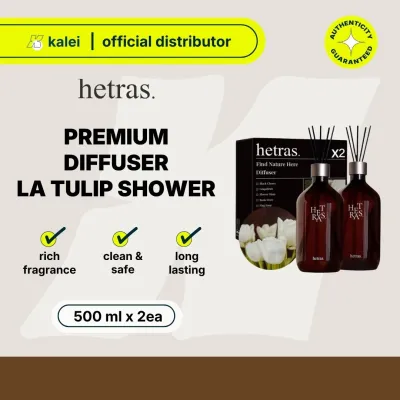
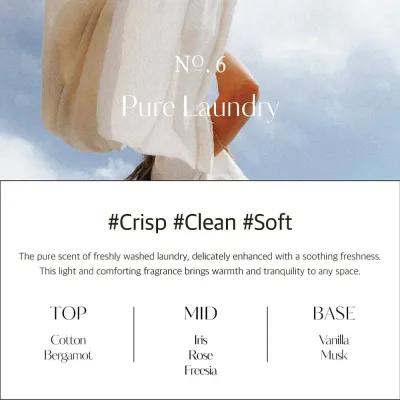
![[hetras] Premium Large Capacity Diffuser 500ml | Hotel Scent Home Fragrance Air Freshener Interior Object](https://img.lazcdn.com/g/p/3be69950fdb576e665c750184b799904.jpg_400x400q80.jpg_.webp)
![Hetras Premium Fragrance Diffuser 500ml x 2pcs [5 Variations] - Beureka](https://img.lazcdn.com/g/p/d723db083d6563673b56ada12cc6b92d.jpg_400x400q80.jpg_.webp)
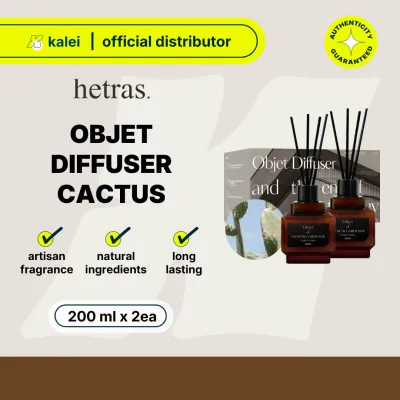
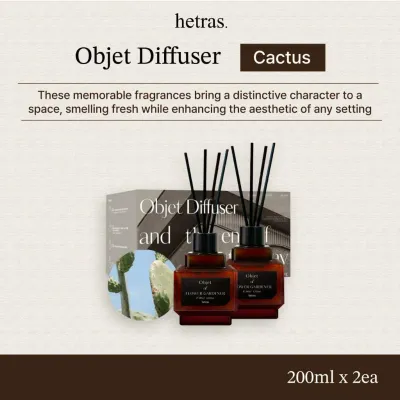
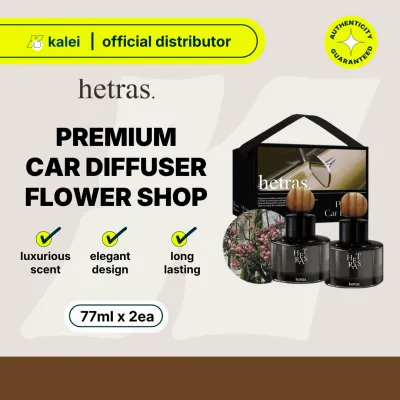

Prices are valid at publication and may change. Please refer to the product page for the latest price.
For larger volumes above 60 cubic meters, such as open-plan living and dining areas, active diffusion is necessary to distribute the scent evenly. In these expansive spaces, air currents and ventilation patterns can quickly disperse fragrance, requiring a device with a higher output capacity or a more robust diffusion mechanism to maintain a consistent aromatic presence.
Understanding the scent throw mechanisms of different systems helps you select the right output style for your needs:
- Ultrasonic Diffusers: These devices use a small ceramic disc vibrating at ultrasonic frequencies to break down a mixture of water and essential oils into a microscopic cold mist. This mist is then dispersed into the air, raising local humidity slightly while carrying a light, consistent scent. The scent throw is moderate and highly controllable by adjusting the number of oil drops added to the tank.
- Heated Burners: These rely on thermal energy—either from a tea light candle or an electric heating element—to gently warm essential oils, wax melts, or solid incense. The heat accelerates evaporation, releasing a highly concentrated burst of fragrance over a shorter period. This creates a localized scent zone that is highly effective for focused relaxation or masking odors quickly.
- Nebulizing Systems: These waterless diffusers use pressurized air to atomize pure essential oils directly into a fine vapor. Because there is no water to dilute the oil, the scent throw is exceptionally potent and covers large areas rapidly, making them suitable for spacious, well-ventilated rooms.
- Reed Diffusers: Operating via passive capillary action, these draw fragrance oil up through porous reeds and release it naturally into the air. They provide a continuous, subtle background scent without requiring power or heat, making them highly appropriate for walk-in wardrobes, bathrooms, or entryways.
Consider how your household reacts to fragrance exposure when choosing a device. Continuous, unyielding scent can lead to olfactory fatigue, where your nose desensitizes to the aroma over time. If you prefer a subtle background presence, passive reed diffusers or electronic diffusers with intermittent timer settings are highly recommended. For those who enjoy a short, intense sensory experience during meditation or evening wind-down sessions, a traditional heated burner or incense holder provides a suitable temporary release.
Match Your Usage Habits to the Right Device Type
Every home fragrance device demands a specific level of upkeep to operate safely and efficiently. Water-based ultrasonic diffusers require the most hands-on care. Because standing water can harbor bacteria and mold, the water tank must be emptied, rinsed, and wiped dry every few days. Mineral deposits from water can also accumulate on the ultrasonic plate, requiring gentle descaling with citric acid or white vinegar to maintain mist efficiency.

In contrast, waterless options like reed diffusers are virtually maintenance-free, requiring only an occasional flip of the reeds every few weeks to refresh the capillary action. Waterless electronic nebulizers require less frequent cleaning, typically only needing a quick flush with rubbing alcohol every month to dissolve any sticky oil residue that might clog the micro-nozzles. Traditional incense burners require regular clearing of spent ash and soot to keep the burning surface clean and safe.
The physical environment of your room dictates the acceptable noise level of your device. In a quiet bedroom or a home office where concentration is paramount, the gentle bubbling sound of an ultrasonic diffuser can act as soothing white noise. However, the mechanical hum or vibration of a nebulizer’s internal air pump might prove distracting in a silent room. For completely silent operation, passive reed diffusers or non-electrical thermal burners are the most appropriate choices.
Look for electronic devices equipped with programmable timers and automatic shutoff mechanisms. An auto-shutoff feature, which powers down the unit when the water level runs low, is an essential safety requirement for overnight bedroom use. Timers also allow you to customize the diffusion intervals, conserving your essential oils while preventing the fragrance from overpowering the room.
Finally, weigh the convenience of automation against the mindful ritual of traditional incense. Automated electronic diffusers can be plugged in, programmed, and left to run, seamlessly integrating into a busy modern lifestyle. On the other hand, lighting a traditional incense stick or cone on a dedicated burner offers a tactile, grounding ritual. The physical act of striking a match, watching the smoke rise, and monitoring the ember encourages a moment of pause and mindfulness that digital devices cannot replicate.
Essential Specifications and Safety Checks Before Purchasing
When purchasing electronic diffusers or heated burners, verifying electrical compatibility is paramount to prevent short circuits or fire hazards. In Singapore, the standard domestic electrical supply operates at 230V and 50Hz. Ensure that any plug-in device you select is rated for this voltage. Devices designed for lower voltage markets will suffer catastrophic damage or pose severe safety risks if plugged directly into a local outlet without an industrial-grade transformer. Additionally, verify that the device features a Type G plug or utilizes a universal USB power interface that can safely draw power from a certified local adapter.
Never overlook official safety certifications when shopping for electronic home decor. Look for recognized marks such as the Enterprise Singapore Safety Mark, or international standards like CE, FCC, and RoHS. These certifications guarantee that the electrical components, heating elements, and internal wiring have undergone rigorous testing to withstand continuous operation without overheating or failing.
Always review the manufacturer’s operational limits before your first use. Pay close attention to the maximum continuous run times; many ultrasonic diffusers are rated for a maximum of 8 to 10 hours, while heated burners should rarely be operated for more than 4 hours continuously to prevent thermal stress on the materials. Never exceed the maximum water capacity line in ultrasonic units, as overfilling restricts the movement of the ceramic disc, resulting in poor mist production or water leaking into the internal electronics.
The materials used in your fragrance device directly impact its safety and longevity. For ultrasonic diffusers, ensure the water tank is constructed from high-grade, BPA-free plastics (such as polypropylene) that are chemically resistant to corrosive essential oils, particularly citrus-based oils which can degrade cheaper plastics over time. For thermal burners, the housing must be made of high-density ceramic, natural stone, or heavy-gauge brass. These materials must be capable of absorbing and dissipating heat safely, preventing the exterior from reaching temperatures that could scorch wooden tabletops, melt synthetic surfaces, or cause accidental burns upon contact. Always place heated burners on a dedicated, non-flammable coaster or tray to provide an extra layer of thermal protection for your furniture, budgeting approximately S$10 to S$30 for high-quality protective accessories if they are not included with your device.
Frequently Asked Questions (FAQ)
Can I use tap water in an ultrasonic Hetras diffuser?
While it is tempting to use standard tap water, doing so can significantly shorten the lifespan of your ultrasonic diffuser. Tap water contains dissolved minerals, such as calcium and magnesium, which are vaporized along with the water. Over time, these minerals form a hard, white crust on the delicate ultrasonic ceramic plate, dampening its vibrations and reducing mist output. Furthermore, these minerals can be dispersed into the air as a fine white dust that settles on your furniture. To prevent mineral buildup and ensure a clean, consistent mist, manufacturers strongly recommend using distilled, demineralized, or high-quality filtered water. If you must use tap water, commit to descaling the water tank and ultrasonic plate with a mild vinegar solution at least once a week.
How far should I place an incense burner from flammable materials?
To ensure optimal safety when using a traditional incense burner, maintain a strict clearance zone of at least 30 to 50 centimeters from all flammable materials. This includes curtains, blinds, books, loose papers, upholstered furniture, and wooden shelving. Always place the burner on a stable, level, and heat-resistant surface, such as a ceramic tile, slate coaster, or metal tray, to catch any falling hot ash and prevent heat transfer to the underlying furniture. Avoid placing the burner in drafty areas, such as near open windows, air conditioning vents, or high-traffic hallways. Drafts can cause the incense to burn too quickly and unevenly, and more importantly, they can carry glowing embers or hot ash onto nearby combustible surfaces, posing a serious fire risk. Never leave a burning incense stick or cone unattended, and ensure it is completely extinguished before leaving the room.

Community discussion
Share your experience or ask a question. Comments are reviewed before publication.