
Selecting the ideal scent for your home is more than a simple sensory choice; it is an exercise in interior curation that defines how each room feels. When choosing a hooga reed diffuser refill, the key lies in matching the fragrance profile to the specific function, size, and environmental conditions of your living space. By understanding how different scent families interact with your home’s layout, humidity levels, and daily routines, you can transform any room into a tailored sanctuary.
This guide provides a structured approach to selecting and maintaining your home fragrances, ensuring a consistent and pleasant olfactory experience throughout your household.
Define the Atmosphere: Aligning Room Function with Your Desired Mood
Before selecting a specific refill liquid, it is essential to evaluate the primary function of each space and how people move through it. High-traffic communal areas, such as living rooms and main hallways, experience constant air movement from foot traffic and open doors. These dynamic zones require a more robust scent profile that can disperse effectively without becoming overwhelming. Conversely, private retreats like study rooms, home offices, and bedrooms benefit from lower-intensity fragrances that encourage focus, relaxation, or rest without cluttering the sensory environment.
Products mentioned in this guide
![Hooga Black Series Diffuser [REFILL 500ml]](https://img.lazcdn.com/g/p/6ec4fb0189fea73c42d28de1ffb0c363.jpg_webp_400x400q80.jpg_.webp)
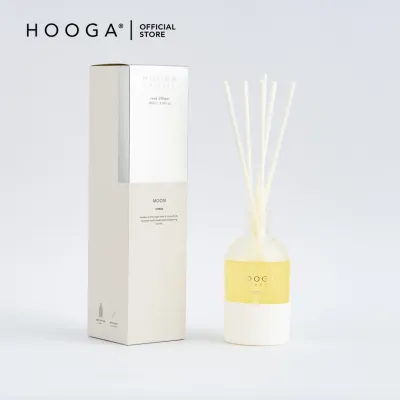
Prices are valid at publication and may change. Please refer to the product page for the latest price.
Mapping your desired mood to specific room functions helps establish a harmonious daily routine. An entryway should feel welcoming and clean, setting a positive tone the moment you or your guests step through the door. A home office demands an energizing atmosphere that supports mental clarity, while a bedroom requires a soothing, quiet backdrop that signals to the brain that it is time to wind down. By identifying the emotional goal of each room, you can narrow down your fragrance choices to those that actively support these daily transitions.
Environmental factors such as existing room odors, baseline ventilation, and spatial volume also play a critical role in how a scent develops. In a tropical climate like Singapore’s, homes often alternate between closed, air-conditioned environments and open, naturally ventilated spaces. Air-conditioned rooms tend to have lower humidity and more consistent temperatures, which can slow down the evaporation of the diffuser liquid but concentrate the scent in still air. Naturally ventilated rooms with open windows experience higher humidity and constant drafts, which can carry the scent away quickly, requiring a more strategic placement of the diffuser to maintain a noticeable presence.
Decode Fragrance Families to Discover Your Ideal Scent Profile
To navigate the wide array of available refills, it is helpful to categorize fragrances into distinct olfactory families. Floral scents, which often feature notes of jasmine, rose, or lily, bring a classic, elegant, and slightly sweet character to a space, making them highly popular for creating a soft, comforting environment. Woody profiles, incorporating elements like cedarwood, sandalwood, or amber, offer a grounding, warm, and sophisticated atmosphere that adds depth to larger rooms. Citrus notes, such as bergamot, grapefruit, and lemon, provide an immediate burst of brightness and energy, while fresh or aquatic families evoke the crispness of clean linen, sea breezes, or rain, offering a light and airy feel.

The physical behavior of these fragrance families is heavily influenced by ambient temperature and indoor humidity levels. In warm, humid conditions, lighter top notes like citrus and fresh aquatic accords evaporate more rapidly, offering a strong initial burst but potentially dissipating faster. Heavier base notes, which are characteristic of woody and earthy profiles, cling to the air and surrounding fabrics more persistently, making them highly stable choices for humid climates. Understanding these physical interactions allows you to select a scent family that will perform consistently under your specific household conditions.
Managing open-plan layouts requires a careful strategy to avoid scent fatigue, which occurs when the olfactory system becomes desensitized to a continuous fragrance. When different functional zones—such as a combined living and dining area—are physically connected, using contrasting, heavy scents in close proximity can create a chaotic and clashing sensory experience. Instead, aim to balance strong, complex profiles with subtle, complementary notes, or stick to a single cohesive fragrance family across the open space. This approach ensures a smooth transition from one area to the next, preventing sensory overload and maintaining a pleasant ambient background.
Match Scent Characteristics to Specific Rooms in Your Home
Applying these fragrance principles to specific rooms allows you to create a tailored sensory map for your entire household. In bedrooms and dedicated rest areas, the priority should always be sleep hygiene and relaxation. Calming, low-intensity notes such as lavender, chamomile, or soft white tea are ideal because they do not disrupt the transition into deep sleep. Avoid overly sweet, heavy, or highly stimulating citrus scents in these spaces, as they can inadvertently keep the mind alert when you are trying to rest.
Living rooms and entryways serve as the social hubs of the home, demanding scents that are universally appealing and balanced. A combination of soft woody notes and light floral or green undertones works exceptionally well here, as it feels both sophisticated and inviting to guests of varying preferences. Because these spaces are typically larger, a medium-to-high intensity fragrance is appropriate to ensure the scent disperses evenly across the entire seating area without pooling in corners.
Bathrooms and kitchens present unique challenges due to the presence of moisture, steam, and competing functional odors. In these zones, the primary goal is to maintain a sense of crisp cleanliness and freshness. Citrus-based profiles, eucalyptus, mint, or herbal notes like rosemary are highly effective because they cut through dampness and cooking odors without trying to mask them with heavy perfumes. These fresh profiles interact cleanly with the humid air of a bathroom or the warm air of a kitchen, leaving the space feeling thoroughly refreshed.
Verify Refill Compatibility and Safety for Your Household
When purchasing a hooga reed diffuser refill, ensuring physical compatibility with your existing setup is crucial for optimal performance. Check the neck size of your current glass vessel to ensure the refill liquid can be poured safely without spilling. Additionally, consider the material of your diffuser reeds; natural rattan reeds feature open channels that draw up oil-based liquids effectively, while synthetic fiber reeds are engineered for consistent capillary action and work well with both water-based and alcohol-based formulations. Matching the right reed type to your refill liquid ensures a steady, reliable scent throw.
Household safety is another paramount consideration, particularly when sharing your living space with pets, young children, or pregnant individuals. Many diffuser refills contain concentrated essential oils or synthetic fragrance compounds that can be irritating or toxic if directly ingested, touched, or inhaled in poorly ventilated spaces. For example, certain essential oils are known to be harmful to cats and dogs even in vaporized forms. Always review the ingredient list and safety warnings on the refill packaging, and opt for formulations that specify their suitability for households with sensitive members.
Proper handling and storage of refill liquids are essential to prevent accidents and protect your home’s interior. Diffuser oils can damage or strip the finish off wooden tables, painted surfaces, and delicate plastics if spilled. When refilling your vessel, always perform the task over a sink or a protected surface, and wipe down the exterior of the bottle before placing it back on your furniture. Store unused refill bottles in a cool, dark place out of reach of children and pets, ensuring the caps are tightly sealed to prevent evaporation and accidental spills.
Maximize Scent Throw and Extend the Life of Your Diffuser
To get the most out of your hooga reed diffuser refill, strategic placement is key to maximizing its lifespan and scent throw. Avoid placing your diffuser in direct sunlight, near air conditioning vents, or directly on top of radiators, as excessive heat and direct drafts accelerate the evaporation of the liquid without allowing the scent to disperse naturally. Instead, position the vessel in an area with moderate, natural air circulation—such as on a side table near a doorway or in the center of a room—where the gentle movement of people will help carry the fragrance through the space.
Regular maintenance of the reeds is necessary to keep the fragrance fresh and active. Flipping the reeds is a simple and effective technique to revive a fading scent throw, but it should be done with care. Gently lift the reeds out of the bottle, using a paper towel to catch any drips, and insert the dry ends back into the liquid. Doing this once every one to two weeks is generally sufficient; flipping them too frequently will cause the liquid to evaporate much faster, shortening the lifespan of your refill.
Over time, reeds will inevitably become fully saturated with oil, dust, and ambient moisture, losing their ability to draw up and disperse the fragrance. If you notice that flipping the reeds no longer improves the scent throw, or if the reeds appear dark, clogged, or dusty, it is a clear sign that they have reached the end of their useful life. Simply adding more refill liquid to the bottle will not resolve this issue; instead, discard the old reeds and replace them with a fresh set to restore the diffuser’s original performance.
Frequently Asked Questions (FAQ)
Can I mix two different reed diffuser refills in one bottle?
Mixing different reed diffuser refills in a single vessel is generally not recommended. Each fragrance formulation is carefully balanced with specific carrier solvents and essential oil ratios to ensure stable evaporation and scent delivery. Combining different brands or scent profiles can disrupt this chemical balance, leading to uneven evaporation, separation of ingredients, or an unpleasant, clashing aroma. If you wish to switch to a new scent, it is best to empty the vessel completely, wash it thoroughly with warm soapy water, allow it to dry fully, and use a fresh set of reeds with the new refill liquid.
Why does my reed diffuser stop smelling after a few weeks?
If your diffuser seems to have lost its scent, it is often due to a combination of olfactory fatigue and reed saturation. Olfactory fatigue, or nose blindness, occurs when your brain becomes accustomed to a constant background smell and filters it out. To test this, step out of the room or your home for a few hours; if the scent is noticeable when you return, your diffuser is working correctly. If the scent has truly faded, check the physical condition of the reeds. Dust accumulation and oil saturation can clog the microscopic channels in the reeds, preventing the liquid from traveling upward. Replacing the old reeds with new ones and moving the diffuser to an area with better natural airflow will typically resolve the issue.
Community discussion
Share your experience or ask a question. Comments are reviewed before publication.