
Choosing the right Hooga reed diffuser scent for your home in Singapore involves matching the fragrance profile to your room’s specific function, size, and ventilation. Because scent is highly subjective and interacts with environmental factors like tropical humidity and air conditioning, selecting the ideal fragrance requires understanding scent families and how they behave in different spaces. By evaluating the underlying fragrance notes and adjusting the physical setup of your diffuser, you can create a welcoming atmosphere that complements your interior decor.
In Singapore’s urban landscape, where high-rise apartments, HDB flats, and condominiums dominate, our living spaces serve as multi-functional sanctuaries. Creating a distinct mood in each room helps separate work from relaxation, especially in open-concept layouts. Home fragrance is one of the most effective, non-intrusive design elements you can use to define these boundaries. A well-chosen reed diffuser not only masks everyday household odors but also establishes a sensory identity for your home, making it feel more cohesive and inviting.
The brand Hooga, inspired by the Danish concept of “hygge,” focuses on creating cozy, comfortable, and warm living environments. Their extensive range of reed diffusers is designed to evoke these feelings through diverse olfactory experiences. However, navigating the wide array of available scents can be overwhelming if you rely solely on product names, which may change or rotate seasonally. Understanding the core scent families and how they interact with your home’s microclimate is the key to making a satisfying and long-lasting choice.
Products mentioned in this guide
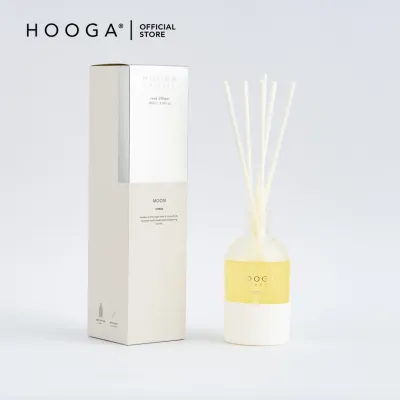
![[ONLINE EXCLUSIVE] Hooga SCENTFUL LIVING Reed Diffuser 180ml | Home Fragrance](https://img.lazcdn.com/g/p/8317d46b06101cb0c714d6b274a8b012.jpg_400x400q80.jpg_.webp)
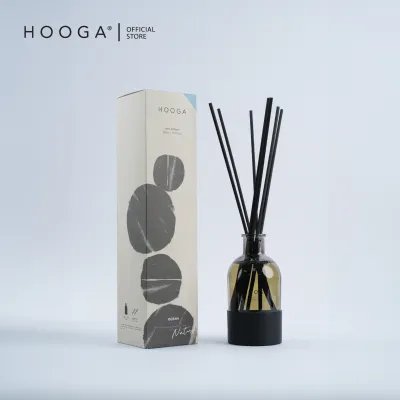
![[6 NEW SCENTS] Hooga Black Series Reed Diffuser 200ml](https://img.lazcdn.com/g/p/1ffd8c3f6be39df0f302c26adff3be23.jpg_400x400q80.jpg_.webp)
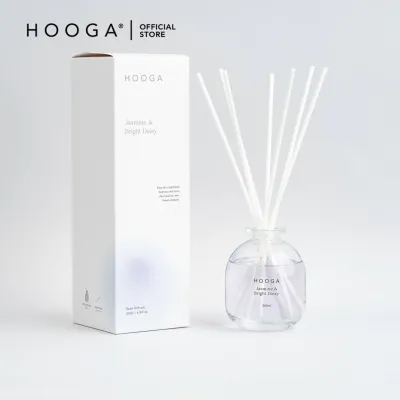
Prices are valid at publication and may change. Please refer to the product page for the latest price.
Identifying Your Preferred Scent Family
To narrow down your choices effectively, it is helpful to categorize fragrances into distinct scent families. Each family possesses unique characteristics that influence the overall mood of a room and interact differently with your senses. By identifying which families appeal to you, you can make informed decisions even when encountering new or limited-edition fragrance blends on store shelves or online marketplaces.
Floral fragrances are among the most traditional and widely available options. These scents typically feature notes of rose, jasmine, lily, lavender, or peony, evoking the feeling of a fresh bouquet. Floral profiles range from light and powdery to rich and sweet. They are generally associated with comfort, elegance, and romance, making them highly popular for creating a soft, welcoming environment. However, individuals with high olfactory sensitivities should opt for lighter floral blends, as dense floral notes can sometimes feel overwhelming in small, enclosed spaces.
Woody fragrances offer a grounding, earthy, and sophisticated atmosphere. Common notes in this family include sandalwood, cedarwood, patchouli, amber, and vetiver. These scents provide a sense of warmth, stability, and quiet luxury, reminiscent of a forest walk or a cozy library. Woody profiles are excellent for adding depth to a space and are highly favored by those who prefer subtle, less sweet aromas. They tend to linger longer in the air, making them a highly efficient choice for continuous home fragrancing.
Fresh and watery fragrances are characterized by clean, crisp, and airy notes. They often mimic the scent of clean linen, sea breezes, morning dew, or rain. In a tropical climate like Singapore’s, where outdoor humidity can feel heavy, fresh fragrances offer a cooling, rejuvenating contrast. They help spaces feel larger, cleaner, and more ventilated. This family is an excellent starting point for anyone who is sensitive to strong perfumes, as these scents are designed to be subtle and unobtrusive.
Citrus fragrances are vibrant, energizing, and instantly recognizable. Featuring prominent notes of lemon, bergamot, grapefruit, mandarin, and lime, these scents are known for their ability to uplift the mood and stimulate mental clarity. Citrus profiles are highly effective at neutralizing unpleasant odors, making them incredibly practical for utility areas. Because citrus molecules are lighter and highly volatile, they diffuse rapidly, providing an immediate burst of freshness, though they may deplete slightly faster than heavier woody or oriental bases.
Oriental and sweet fragrances are rich, exotic, and indulgent, often featuring notes of vanilla, cinnamon, clove, honey, or musk. These scents are designed to create a sense of opulence, warmth, and intimacy. They are perfect for evening relaxation or for creating a cozy, sheltered feeling during rainy afternoons. Because sweet and spicy notes carry a high scent intensity, they should be used sparingly in smaller rooms to prevent the atmosphere from becoming cloying or heavy.
Matching Fragrance Profiles to Different Rooms
Every room in your home serves a different purpose, and the fragrance you choose should support that function rather than disrupt it. A scent that works beautifully in a spacious living room might feel suffocating in a compact bathroom, while a subtle bedroom scent might get completely lost in a busy kitchen. Matching the fragrance profile to the specific room ensures that the scent enhances your daily activities.

The entryway and living room are the primary social hubs of the home, where you welcome guests and spend quality time with family. For these areas, you want a scent that is inviting, balanced, and universally appealing. A blend of light woody notes with soft florals or a touch of citrus works exceptionally well here. This combination creates a sophisticated first impression without overwhelming visitors who may have different scent preferences or sensitivities.
In the kitchen and dining area, the primary goal is to complement food preparation rather than compete with it. Heavy florals, sweet vanillas, or deep musks can clash unpleasantly with cooking aromas and diminish the enjoyment of meals. Instead, opt for fresh citrus, herbal, or green profiles, such as bergamot, green tea, rosemary, or mint. These scents naturally neutralize cooking odors and maintain a clean, appetizing environment without interfering with the flavors of your food.
The bedroom is your personal sanctuary dedicated to rest, recovery, and relaxation. The fragrance here should promote a sense of calm and ease. Calming profiles like lavender, chamomile, soft white tea, or light sandalwood are ideal choices for the bedroom. Avoid highly stimulating scents like bright peppermint or intense citrus, which can interfere with your sleep hygiene. Keep the scent throw gentle by using fewer reeds to ensure the fragrance remains a soothing background element.
Bathrooms and laundry rooms benefit greatly from fresh, clean, and marine-inspired fragrances. Because these spaces are prone to dampness and high humidity, scents that evoke clean linen, sea salt, or eucalyptus help maintain a fresh, hygienic, and spa-like atmosphere. Citrus notes are also highly effective in guest bathrooms for their rapid odor-neutralizing capabilities, ensuring the space always feels clean and well-maintained.
For home offices, study nooks, or creative workspaces, the right fragrance can help foster focus, concentration, and mental stamina. Bright, crisp scents featuring eucalyptus, rosemary, peppermint, or sharp citrus are excellent for stimulating the mind and warding off afternoon fatigue. These profiles help keep your senses alert without causing the distraction that a complex, heavy perfume might present during long working hours.
| Scent Family | Recommended Rooms | Desired Atmosphere | Scent Intensity |
|---|---|---|---|
| Citrus | Kitchen, Entryway, Home Office | Energizing, refreshing, clean | Medium to High |
| Floral | Bedroom, Living Room, Guest Room | Comforting, elegant, romantic | Medium |
| Woody | Living Room, Study, Library | Grounding, luxurious, warm | Medium to Low |
| Fresh / Watery | Bathroom, Laundry Room, Small Bedroom | Crisp, airy, spa-like | Light to Medium |
| Oriental / Sweet | Living Room (Spacious), Dining Room (Accents) | Cozy, indulgent, intimate | High |
Evaluating Diffuser Strength and Longevity
Understanding how a reed diffuser functions physically allows you to optimize its performance and longevity within your specific living environment. Several external factors, including room size, airflow, and climate, directly influence how quickly the fragrance liquid evaporates and how far the scent travels. By managing these variables, you can customize the strength of the fragrance to suit your preferences.
Singapore’s tropical climate presents a unique environment for home fragrances. High ambient humidity can sometimes slow down the natural evaporation process of the diffuser liquid, while the frequent use of air conditioning dries out the indoor air, accelerating the rate at which the liquid is drawn up through the reeds. Additionally, constant airflow from ceiling fans, standing fans, or open windows will distribute the scent more widely across a room, but it will also cause the diffuser to deplete much faster than it would in a still, closed space.
The size and layout of your room are critical factors in determining how many diffusers you need and where to place them. A standard 200ml reed diffuser is generally sufficient to fragrance a medium-sized bedroom or a standard HDB living area. For large, open-concept living and dining zones, a single diffuser may not provide an adequate scent throw. In such cases, placing two diffusers of the same scent at opposite ends of the space will create a more balanced and consistent fragrance envelope.
The material of the reeds included in your diffuser set plays a major role in scent delivery. Rattan reeds contain natural, microscopic channels that slowly draw the liquid upward, offering a highly controlled, gradual, and long-lasting release of fragrance. Fiber reeds, on the other hand, are engineered to absorb and release liquid much more rapidly, providing a stronger and more immediate scent throw, though this typically results in the liquid depleting at a faster rate. Understanding this distinction helps you choose the right reed type for your desired intensity.
You can easily control the strength of the fragrance by adjusting the number of reeds placed in the bottle. If you are placing the diffuser in a small guest bathroom or a compact study, start with just three or four reeds to keep the scent subtle and prevent it from becoming overpowering. For larger living areas or spaces with high ceilings, you can use the full set of six to eight reeds to maximize the scent throw.
Over time, you will observe signs that your reed diffuser requires maintenance. If you notice that the fragrance has faded even though plenty of liquid remains in the bottle, the exposed tops of the reeds may have dried out or become coated in household dust, which blocks the diffusion process. Flipping the reeds upside down will instantly refresh the scent. If the liquid has completely evaporated, or if the reeds have become fully saturated and dusty after several months of use, it is time to replace both the liquid and the reeds to restore optimal performance.
Purchasing Considerations and Safety Checks
When selecting a reed diffuser from a retail store or an online marketplace, making an informed decision involves more than just finding a pleasant scent. You must also consider practical factors such as ingredient safety, physical placement, and the structural design of the diffuser vessel to ensure it integrates safely and beautifully into your home.
Ingredient transparency is a vital consideration, particularly for households with young children, elderly family members, pets, or individuals with respiratory conditions and allergies. Before purchasing, review the product packaging or the manufacturer’s official product details to verify the formulation. Certain essential oils and synthetic fragrance compounds can act as allergens or irritants, and some are known to be toxic to domestic pets like cats and dogs if ingested or if they come into direct contact with their skin. Ensure your chosen space is well-ventilated to keep the air fresh and safe for all occupants.
The physical dimensions and design of the diffuser bottle should match both your aesthetic preferences and the practical constraints of your furniture. Hooga diffusers are known for their stylish, minimalist glass and ceramic vessels, which double as decorative accents. Ensure that the bottle has a wide, stable base that is unlikely to tip over easily. This is especially important if you plan to place the diffuser on high shelves, narrow console tables, or in high-traffic areas where it could be accidentally bumped.
Safety precautions are essential when handling and positioning any liquid home fragrance product. Because diffuser liquids contain alcohol or solvent bases to facilitate evaporation, they are flammable and must never be placed near open flames, candles, stoves, or electrical appliances that generate heat. Additionally, the active chemical compounds in the fragrance liquid can damage or strip varnished, painted, plastic, or leather surfaces if spilled. Always place your diffuser bottle on a protective coaster, ceramic tray, or glass plate to catch any accidental drips that may occur when flipping the reeds.
Frequently Asked Questions (FAQ)
How often should you flip the reeds in a diffuser?
Flipping the reeds is a simple maintenance step that refreshes the fragrance throw by bringing the fully saturated ends of the reeds to the top. As a general guideline, you should observe the scent strength in your room; when you notice the fragrance beginning to fade, it is time to flip them. For most households, flipping the reeds once every one to two weeks is sufficient to maintain a consistent aroma. Always use a paper towel or cloth to handle the reeds during this process to prevent the concentrated liquid from contacting your skin or dripping onto your furniture.
Can you mix different reed diffuser scents in the same room?
Mixing different reed diffuser scents in the same room is generally not recommended, as it carries a high risk of scent clashing and can quickly lead to olfactory fatigue. When conflicting fragrance profiles compete in the same air space, they can create an unbalanced, chaotic aroma that may cause headaches or discomfort. If you wish to layer fragrances, stick to complementary scent families, such as pairing a clean, watery scent with a light citrus, or a soft floral with a subtle woody base. Avoid placing two highly dominant, heavy scents in the same enclosed area.
What should you do if the reed diffuser scent becomes too strong?
If a reed diffuser scent becomes overwhelmingly strong, the quickest and most effective solution is to reduce the number of reeds in the bottle. Removing half of the reeds will immediately slow down the rate of evaporation and soften the fragrance throw. If the scent remains too intense after adjusting the reeds, try relocating the diffuser to a larger room, a space with higher ceilings, or an area with more active ventilation, which will help disperse the fragrance molecules more widely and reduce their concentration in your immediate breathing zone.
Community discussion
Share your experience or ask a question. Comments are reviewed before publication.