
Selecting the perfect room spray for your home is a balancing act between personal sensory preferences, the specific functions of your living spaces, and the physical characteristics of your environment. Because scent profoundly influences mood and perceived comfort, finding the right match involves understanding how different fragrance families behave in various rooms. By evaluating scent profiles alongside practical considerations like ventilation and household sensitivities, you can transform your home into a cohesive, inviting sanctuary that aligns with a cozy, hygge-inspired lifestyle.
Matching Scent Families to Room Functions and Moods
To build a successful home fragrance strategy, it helps to understand the primary scent families and how they interact with our daily routines. Floral scents, which often feature notes of jasmine, rose, or lily, bring a soft, classic elegance that can make a space feel welcoming and gently comforting. Woody profiles, incorporating elements like cedarwood, sandalwood, or pine, offer a grounding, earthy depth that evokes warmth and stability. Citrus notes, such as bergamot, grapefruit, or lemon, provide a bright, uplifting energy that can instantly refresh a tired mind. Fresh or aquatic scents mimic clean linen, sea breezes, or rain, offering a crisp, minimalist backdrop. Oriental or spicy families, featuring warm notes like vanilla, amber, or cinnamon, introduce a rich, cozy, and slightly exotic atmosphere.
Matching these families to specific room functions ensures that the fragrance supports, rather than disrupts, the activities in each space. For instance, the bedroom is a sanctuary dedicated to rest and recovery, making soft florals, gentle wood notes, or soothing lavender-infused blends ideal for promoting relaxation. In contrast, living areas and home offices benefit from energizing citrus or crisp, fresh scents that stimulate focus and keep the atmosphere feeling clean and vibrant during the day. Dining rooms and kitchens require a more delicate approach; heavy florals or intense woody scents can clash with the aromas of food, so subtle citrus or light herbal notes are generally preferred to keep these spaces smelling fresh without overpowering the senses.
Products mentioned in this guide


![[6 NEW SCENTS] Hooga Black Series Room Spray 100ml](https://img.lazcdn.com/g/p/2ee611ba4000755bad38f2d1d139d43b.jpg_400x400q80.jpg_.webp)
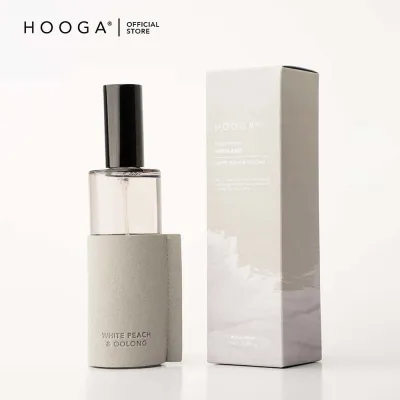
Prices are valid at publication and may change. Please refer to the product page for the latest price.
Beyond the purpose of the room, physical spatial dynamics play a critical role in how a room spray performs. In homes with high ceilings or large open-plan layouts, lighter scents can dissipate too quickly, meaning you may need a more robust woody or amber-based spray to maintain a noticeable presence. Conversely, in compact rooms or enclosed spaces, highly concentrated or heavy scents can quickly become overwhelming, making delicate fresh or citrus sprays a much more comfortable choice.
Natural ventilation and climate control also dictate scent longevity and dispersion. In tropical climates like Singapore, where homes often alternate between open windows with high humidity and closed, air-conditioned rooms, the behavior of a room spray changes significantly. High humidity can cause heavier scent molecules to linger damply in the air, while the dry, circulating air of an air conditioner can dry out the mist rapidly, requiring a slightly more frequent application or a strategic spray near soft furnishings that can hold the fragrance.
Identifying Your Personal Fragrance Preferences and Sensitivities
Before committing to a specific room spray variant, it is essential to evaluate your personal fragrance tolerances and any potential sensitivities within your household. Many home fragrances utilize a blend of synthetic aroma compounds and natural essential oils to achieve their complex profiles. While these ingredients are formulated for home use, individuals with respiratory conditions, asthma, or specific allergies may react to certain scent families or aerosolized mists. If you or anyone in your home is prone to headaches or respiratory irritation from strong perfumes, opting for lighter, simpler scent profiles—such as mild green tea or soft aquatic notes—is a safer starting point than dense, musky, or heavily spiced options.

The composition of your household should also guide your selection, particularly if you share your living space with children, elderly family members, or pets. Dogs and cats have incredibly sensitive olfactory systems, and certain essential oils commonly found in home fragrances can be toxic to them if inhaled in high concentrations or ingested. For example, tea tree, eucalyptus, citrus, and pine oils are known irritants for pets. When using room sprays in a pet-friendly home, it is best to choose mild formulations, spray them sparingly in well-ventilated areas, and ensure your pets have the freedom to leave the room if they find the scent displeasing.
If you are unsure of your preferences, you can systematically identify your favorite notes by examining other scented products you already enjoy, such as personal perfumes, body washes, or scented candles. Note whether you gravitate toward sweet, clean, earthy, or sharp aromas. Another highly effective method is to visit physical retail outlets or department stores where the brand is stocked. Sampling the testers in person allows you to experience the immediate top notes as well as the lingering base notes, giving you a realistic preview of how the fragrance will settle in your home environment before you make a purchase.
Verifying Ingredients, Specifications, and Usage Instructions
To get the most out of your room spray while ensuring safety, always take the time to read the product packaging, ingredient lists, and manufacturer specifications. Room sprays generally fall into two categories: alcohol-based and water-based formulations. Alcohol-based sprays evaporate quickly, offering an immediate burst of intense fragrance that disperses rapidly through the air, making them excellent for quick odor elimination. Water-based sprays, on the other hand, tend to linger longer in the air as fine droplets and can sometimes be gentler on sensitive noses, though they may take slightly longer to dry when they settle on surfaces.
Understanding the concentration of fragrance oils in the spray can help you manage your usage expectations. High-concentration sprays require only one or two pumps to fill a standard-sized room, making them highly economical over time. Lower-concentration formulas offer a more subtle, buildable scent experience, allowing you to control the intensity by adjusting the number of sprays. Always check the bottle for specific safety certifications or ingredient disclosures, especially if you prefer formulations free from phthalates, parabens, or specific synthetic propellants.
Proper application technique is key to maximizing safety and scent longevity. Most manufacturers recommend holding the spray bottle upright and spraying toward the center of the room, away from your face and eyes. A safe distance of at least 20 to 30 centimeters should be maintained from any walls, furniture, or household items. This prevents the concentrated mist from pooling on surfaces, which can lead to moisture damage or unsightly residue.
Surface safety is a critical consideration, particularly when spraying around delicate materials. While it can be tempting to mist curtains, rugs, or cushions to make the scent last longer, the oils and solvents in room sprays can cause staining, discoloration, or fabric degradation. Materials like silk, leather, polished wood, and delicate synthetic blends are highly susceptible to damage from direct contact with fragrance oils. Always check the product label for explicit warnings regarding surface application, and treat the spray primarily as an atmospheric mist rather than a fabric refresher unless the packaging explicitly states otherwise.
Navigating Purchasing Channels and Authenticity Checks
When you are ready to purchase your room spray, sourcing it through authorized channels is the best way to guarantee product quality and safety. Purchasing directly from official brand boutiques, established department stores, or authorized home decor retailers ensures that you are receiving genuine products that have been stored in temperature-controlled environments. If you prefer the convenience of online shopping, look for official flagship stores on major ecommerce platforms or verified local home living websites to avoid counterfeit goods.
Verifying the authenticity of your room spray involves a few simple physical checks. Genuine products typically feature high-quality packaging with clean, crisp printing, straight labels, and secure, leak-proof spray nozzles. Inspect the bottle for a batch code, which is usually printed or stamped on the bottom or back of the packaging. Counterfeit or poorly handled products may have smudged text, loose caps, or a distinct chemical smell that differs significantly from the intended fragrance profile. If a deal on an online marketplace seems unusually cheap compared to standard retail prices—which typically range around S$10 to S$20 depending on the bottle size—it is wise to exercise caution.
Additionally, pay close attention to the return policies and customer service options provided by the seller. Reputable retailers and official online stores usually offer clear guidelines for returns or exchanges if a product arrives damaged, leaks during transit, or fails to spray properly. Checking customer reviews on the specific seller’s profile can provide valuable insights into their packaging standards, shipping speed, and responsiveness to customer inquiries, helping you secure a hassle-free purchasing experience.
Frequently Asked Questions (FAQ)
Can I spray room fragrance directly on fabrics and furniture?
You should only spray room fragrance directly on fabrics and furniture if the manufacturer’s label explicitly states that the product is fabric-safe. Many standard room sprays contain alcohol, water, and concentrated fragrance oils that can leave oily spots, cause water staining, or discolor delicate textiles. If the label permits fabric application, always perform a spot test first. Spray a tiny amount on an inconspicuous area, such as the underside of a cushion or the inner hem of a curtain, and wait for it to dry completely to ensure there is no staining, color bleeding, or fabric damage before applying it more widely.
How should I store my room spray to maintain its scent?
To preserve the integrity and longevity of your room spray, store the bottle in a cool, dry place away from direct sunlight, fluctuating temperatures, and heat sources. Exposure to UV rays and heat can break down the chemical bonds of both natural essential oils and synthetic fragrance compounds, causing the scent to weaken, alter, or spoil over time. Additionally, always keep the spray nozzle cap tightly closed when the product is not in use. This simple step prevents the liquid from evaporating and minimizes exposure to oxygen, which can oxidize the fragrance oils and diminish their aromatic quality.
Community discussion
Share your experience or ask a question. Comments are reviewed before publication.