
Selecting the ideal home fragrance involves balancing personal sensory preferences with the physical characteristics of your living space. In Singapore, where high humidity and compact apartment layouts are common, choosing the right scent delivery method is crucial for maintaining a pleasant, non-overwhelming atmosphere. Hooga offers a diverse range of home fragrance products, including traditional reed diffusers, room sprays, and a dedicated selection of incense and burners designed to elevate your interior decor. Finding the perfect match requires understanding how different scent formats behave in your home, how to decode fragrance profiles, and how to safely integrate open-flame elements like incense into your daily routine. By focusing on material compatibility, room ventilation, and safety checks, you can curate a sensory experience that feels both welcoming and tailored to your lifestyle.
Exploring Hooga's Incense and Home Scent Categories
To build a cohesive home fragrance profile, it helps to understand the distinct characteristics of each scent format. Incense products generally fall into two primary categories: sticks and cones. Incense sticks consist of a fragrant paste rolled around a bamboo core or extruded as solid incense. They offer a slow, linear burn, releasing a steady, consistent stream of fragrance over a longer period. This makes them highly suitable for larger living areas where you want a gradual, lingering scent distribution.
Incense cones, on the other hand, are compressed blocks of fragrant materials shaped into small pyramids. Because of their wider base, cones burn more rapidly than sticks, releasing a denser concentration of smoke and scent in a shorter timeframe. This rapid release makes cones ideal for quickly refreshing a room or neutralizing strong odors, though the scent may not linger as long as that of a slow-burning stick. Understanding these physical differences allows you to choose the format that best aligns with your daily routine and scenting goals.
Products mentioned in this guide
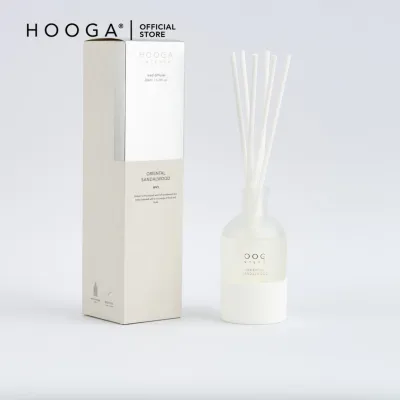
![[6 NEW SCENTS] Hooga Black Series Room Spray 100ml](https://img.lazcdn.com/g/p/2ee611ba4000755bad38f2d1d139d43b.jpg_400x400q80.jpg_.webp)

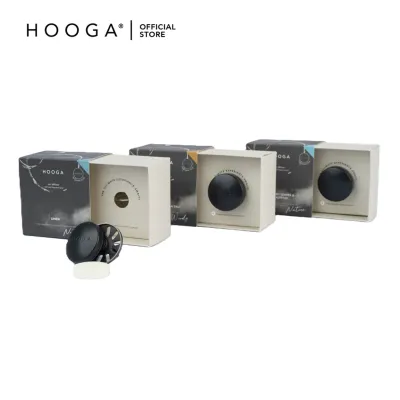
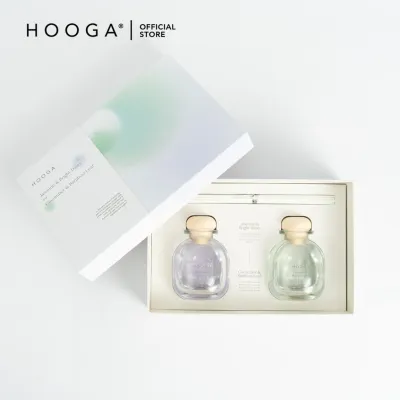
![[6 NEW SCENTS] Hooga Black Series Reed Diffuser 200ml](https://img.lazcdn.com/g/p/1ffd8c3f6be39df0f302c26adff3be23.jpg_400x400q80.jpg_.webp)
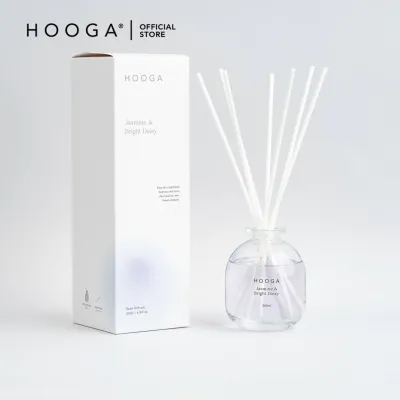
Prices are valid at publication and may change. Please refer to the product page for the latest price.
Beyond the incense itself, the accessories you choose play a vital role in both safety and aesthetics. A complete setup requires a dedicated incense burner, holder, or ash catcher. These accessories are designed to hold the burning incense securely in place while collecting the falling ash, preventing damage to your furniture. Because product collections, seasonal releases, and stock availability can vary throughout the year, it is always best to verify current offerings directly on the brand’s official channels or through authorized local retailers before planning a purchase.
Matching Fragrance Profiles to Your Personal Preferences
Selecting a fragrance is a highly personal decision, but understanding how to read product packaging can simplify the process. Fragrance profiles are typically described using top, middle, and base notes. Top notes are the initial, fleeting scents you perceive immediately upon lighting or opening a product. Middle notes, often referred to as the heart of the fragrance, emerge as the top notes fade and define the core character of the scent. Base notes are the heaviest molecules that linger the longest, providing the lasting foundation of the fragrance in your home.

When browsing scent products, pay close attention to the ingredient lists and scent descriptions printed on the packaging. Standard aromatherapy principles can help you categorize these scents by the mood they are designed to evoke. For instance, if you are looking to create a relaxing sanctuary to unwind after a long day, look for profiles featuring lavender, chamomile, or soft sandalwood. These ingredients are widely recognized for their calming properties and are excellent for evening use.
If your goal is to create an energizing and focused environment, look for bright, uplifting notes such as citrus, eucalyptus, or peppermint. These crisp scents are ideal for home offices or morning routines, helping to clear the mind and boost alertness. For a grounding, cozy atmosphere, earthy and woody tones like cedarwood, patchouli, and amber provide a warm, comforting backdrop that feels sophisticated and inviting.
Because scent perception is highly subjective and can be influenced by your home’s unique environment, it is wise to start small. Before committing to bulk purchases or large multipacks, consider testing single units or smaller sizes. This allows you to experience how the fragrance develops in your specific space and ensures you genuinely enjoy the scent profile before making a larger investment.
Choosing the Right Incense Burner for Your Space
An incense burner is both a functional safety device and a decorative accent. When selecting a burner, material composition is the first factor to consider. Ceramic burners are highly popular due to their excellent heat retention and ease of cleaning; they can easily withstand the heat of burning incense and are simple to wipe down. Metal burners, such as those made of brass or iron, offer exceptional durability but can become very hot to the touch during use, requiring careful handling. Wooden burners provide a rustic, natural aesthetic but must feature a metal or ceramic protective insert to prevent the wood from scorching or catching fire.
In addition to material, you must evaluate the physical dimensions and stability of the burner. The ash catcher must be wide and long enough to accommodate the entire length of the incense sticks you plan to burn. If the catcher is too short or narrow, hot ash will spill onto your furniture, posing a fire hazard and potentially damaging delicate surfaces. The burner should also have a heavy, stable base that resists tipping over, especially if placed in areas with occasional foot traffic or gentle drafts.
Safety clearances and surface protection are critical when using any open-flame scent product. Always place your incense burner on a flat, stable, and heat-resistant surface. If you are placing the burner on delicate wooden tables, lacquered surfaces, or veneered furniture, use a heat-resistant coaster or trivet underneath to protect the finish from heat transfer. Ensure there is ample vertical and horizontal clearance around the burner, keeping it far away from flammable materials such as curtains, books, loose papers, and hanging decorations.
Planning a Room-by-Room Scenting Strategy
To maximize the impact of your home fragrances, it is beneficial to tailor your scent choices to the specific functions and layouts of different rooms. In Singapore’s typical residential layouts, such as HDB flats or condominiums, spaces can range from compact, enclosed bathrooms to open-plan living and dining areas. Adjusting the scent intensity and format to match these spaces ensures a balanced olfactory experience throughout your home.
For small, enclosed spaces like bathrooms or study rooms, subtle and low-intensity scent formats are highly recommended. A heavy incense stick can quickly overwhelm a small room, leading to an uncomfortably dense atmosphere. Instead, consider using a mild reed diffuser or a light room spray that offers a gentle, continuous release of fragrance. If you do choose to burn incense in a smaller room, opt for shorter sticks or burn only a portion of a stick to keep the scent level comfortable.
In contrast, large, open-plan living areas can easily accommodate more robust and complex fragrance profiles. This is where burning a full-length incense stick or a fragrant cone can create a beautiful, welcoming ambiance that disperses naturally across the space. However, regardless of the room size, proper ventilation is an absolute necessity when burning incense indoors. Always ensure there is active airflow by cracking a window or keeping interior doors open. If you run an air conditioner, be mindful that closed rooms trap smoke; ensure you ventilate the space thoroughly after burning incense to maintain healthy indoor air quality.
Essential Checks Before Purchasing Scent Products
Before finalizing your purchase of any home scent products, performing a few quick quality and safety checks will ensure a satisfying experience. Always verify the estimated burn time, ingredient transparency, and safety warnings printed on the product label. Reputable brands provide clear instructions on how to use their products safely, including guidance on proper lighting techniques and extinguishing methods.
Household safety should always be a primary consideration, particularly if you share your home with pets, young children, or individuals with respiratory sensitivities. Certain essential oils and dense smoke can be highly irritating or even toxic to domestic pets, especially cats and dogs. If anyone in your household has asthma or allergies, opt for lighter, flame-free scent alternatives like reed diffusers, and always ensure the room is well-ventilated during use.
Finally, review the manufacturer’s care and maintenance instructions for your reusable burners and accessories. Over time, incense ash and resin residue can build up on the surface of your burner. If left uncleaned, this residue can absorb moisture from the air, potentially corroding metal burners or staining ceramic and wooden holders. Regular cleaning with a damp cloth or mild soapy water, as recommended by the manufacturer, will keep your accessories looking beautiful and functioning safely for years to come.
Frequently Asked Questions (FAQ)
How Long Does a Standard Incense Stick Burn?
To find the most accurate burn time for your specific product, always refer to the manufacturer’s estimates printed on the packaging. Generally, a standard incense stick burns for approximately 30 to 45 minutes, but this duration can vary significantly based on several environmental factors. High indoor airflow, such as drafts from open windows, ceiling fans, or air conditioning units, can cause the stick to burn down much faster. Additionally, the thickness of the incense paste and the ambient humidity levels in your home will influence the overall burn rate.
Are Hooga Incense Burners Compatible With Other Brands?
Yes, most incense burners are designed with standard dimensions in mind, but physical compatibility should always be verified before use. When pairing a burner with third-party incense sticks, check the diameter of the insertion hole on the holder to ensure it can securely grip the stick without letting it wobble or lean excessively. Furthermore, measure the length of the third-party sticks against the burner’s ash catcher; the catcher must be long enough to capture all falling debris to prevent scorch marks or ash spills on your household surfaces.

Community discussion
Share your experience or ask a question. Comments are reviewed before publication.