
Choosing the right incense burner is essential for ensuring that your aromatherapy sessions are both safe and effective. Different incense formats—such as sticks, cones, coils, and raw resins—burn at varying temperatures, produce distinct ash patterns, and require specific airflow conditions to stay lit. Matching your burner to your chosen incense format prevents messy ash spills, protects your furniture from heat damage, and ensures a clean, continuous burn.
Understand Your Incense Type and Burner Requirements
To select the ideal vessel, you must first analyze how your preferred incense behaves while burning. The physical structure of the incense directly dictates the size, shape, and material of the burner you need.
Ash production is one of the most visible differences among incense types. Long incense sticks, for instance, release ash along their entire length as they burn down, creating a wide drop pattern that requires a long, narrow trough or a wide plate to catch the debris. In contrast, cones and coils produce a highly concentrated pile of ash directly beneath their burning bases, requiring a stable, heat-resistant surface rather than a long catchment area.
Products mentioned in this guide
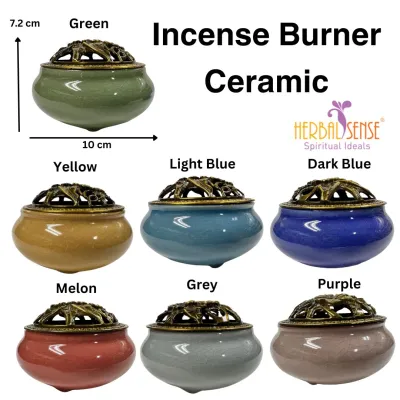
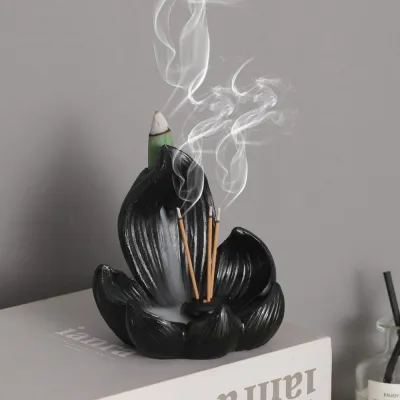
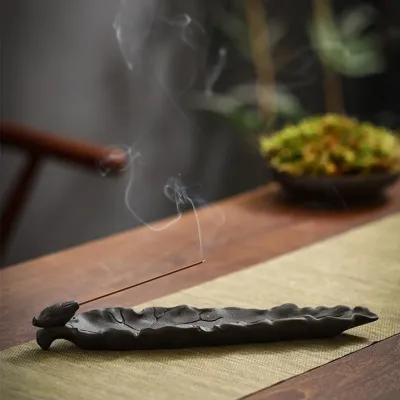
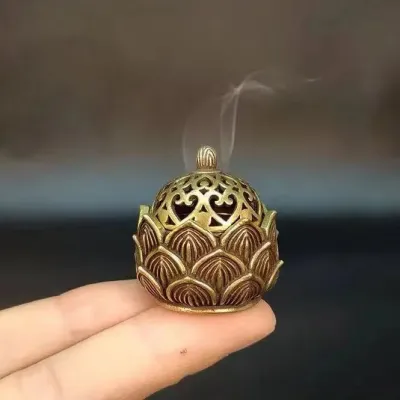
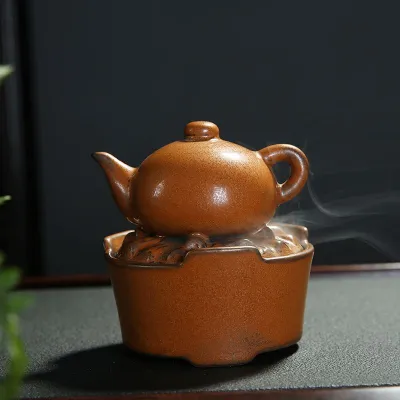
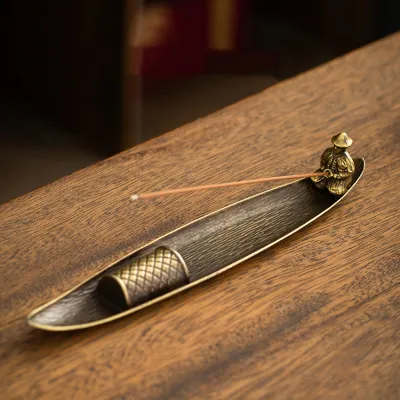
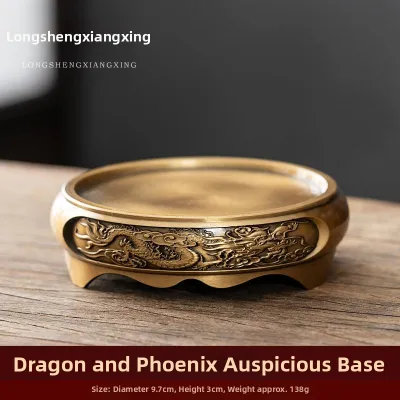
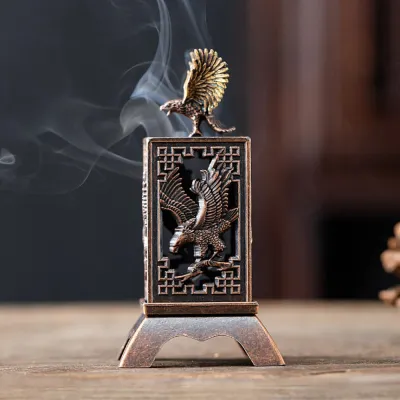
Prices are valid at publication and may change. Please refer to the product page for the latest price.
Heat intensity is another critical factor that varies significantly across formats. While a standard bamboo-core stick burns at a relatively low temperature and transfers minimal heat to its holder, raw resin burned on a self-lighting charcoal disc generates extreme heat. This intense thermal energy can easily crack thin glass, scorch delicate wood, or damage polished tabletops if the burner lacks adequate thermal insulation or a protective base.
Airflow is the final piece of the puzzle. Some incense formats, like coils or backflow cones, rely on specific air currents to burn completely or to create their signature downward smoke effects. If a burner restricts airflow or exposes the incense to strong drafts from open windows or ceiling fans, the ember may extinguish prematurely, or the smoke may disperse unevenly throughout your living space.
Match the Burner Design to Your Incense Format
Selecting a burner is not a one-size-fits-all decision; the physical design of the vessel must align with the geometry of your incense. Matching the burner’s shape—whether it is a long trough, a flat plate, or a deep bowl—to the specific format of your incense ensures that the burning element remains stable and the ash is fully contained. Before making a purchase, always verify the manufacturer’s specifications and product labels to confirm that the burner is rated for your intended incense format.

Stick Incense Burners
Stick incense is highly popular but requires precise physical support to burn safely. Standard sticks with a wooden or bamboo core need a holder with a pre-drilled hole set at a specific angle. This angle must hold the stick securely over the catchment tray so that the falling ash lands entirely within the boundaries of the burner. If the hole is too wide, the stick will sag, causing ash to spill onto your furniture; if it is too narrow, the stick may not fit at all.
Coreless sticks, such as solid Tibetan or Japanese incense, present a different challenge because they burn completely down to the very bottom. These require a burner with a secure metal clip, a spring holder, or a bed of non-combustible ash or stone to support the stick without extinguishing the flame or scorching the holder. The trough or plate must be long enough to accommodate the entire length of the stick, and you should always check the manufacturer’s maximum length limits to prevent the stick from overhanging the edges.
Cone and Coil Incense Burners
Cone and coil incense formats require flat, highly heat-resistant surfaces to ensure stable placement during use. Because these formats burn close to their resting surface, they transfer a significant amount of heat downward. A shallow ceramic dish, a stone plate, or a metal tray provides the necessary stability and heat resistance to prevent the burning base from tipping over or damaging the surface underneath.
The ash catchment area for cones and coils must be wide enough to contain the concentrated pile of ash that remains after combustion. For coils, which burn in a spiral pattern from the outside inward, the burner must support the entire diameter of the coil, often using a specialized metal stand or a non-combustible felt pad. If you use backflow cones, you will need a specialized backflow burner featuring a central hole and a tiered design that allows the heavy, cool smoke to flow downward like a waterfall.
Resin and Charcoal Burners
Burning raw resins, such as frankincense or myrrh, requires a completely different approach because the resin must be placed on a burning charcoal disc. This process generates exceptionally high temperatures that standard stick or cone holders cannot withstand. You must use a deep, heavy-duty bowl made of thick ceramic, brass, copper, or stone that can safely contain the intense heat of the charcoal.
To protect the burner and your furniture, a thermal barrier is absolutely mandatory. Filling the bottom of your resin burner with clean sand, natural ash, or placing a mica plate beneath the charcoal helps disperse the heat and prevents the vessel from cracking or scorching. Additionally, always use specialized metal tongs to handle the hot charcoal, and ensure the room is well-ventilated to accommodate the dense smoke produced by raw resins.
Evaluate Material, Safety, and Placement Conditions
When choosing an incense burner, the material of the vessel and where you place it in your home are just as important as the incense format itself. Different materials offer distinct advantages and limitations regarding heat resistance, durability, and weight. Ceramic and stone burners are highly heat-resistant and heavy enough to prevent accidental tipping, but they can be fragile if dropped. Metal burners, such as brass or copper, are virtually indestructible and handle high heat exceptionally well, though they can become very hot to the touch during use. Wood burners offer a warm, natural aesthetic but require careful monitoring and often need metal inserts to prevent scorching.
The placement of your burner within your living space requires careful planning to ensure safety. Always establish a dedicated, flat, and stable burning zone that is completely free from drafts, open windows, air conditioning vents, or ceiling fans. Moving air can cause incense to burn too quickly, scatter ash across the room, or even carry sparks toward flammable materials like curtains, books, or paper. Keep the burner well out of reach of children and pets who might accidentally knock it over or touch the hot surfaces.
If you live in a compact apartment or a home with limited ventilation, you must also consider the volume of smoke your incense produces. Households with residents who have respiratory sensitivities, allergies, or asthma should opt for low-smoke incense varieties and burn them in larger, well-ventilated rooms. Choosing a burner that allows you to easily control or extinguish the burn, such as one with a removable lid or an adjustable damper, can help you manage the smoke levels in your home more effectively.
Clean and Maintain Your Incense Burner
Regular maintenance of your incense burner is essential for preserving its appearance, ensuring clean aromas, and maintaining fire safety. Over time, ash, unburnt incense bases, and sticky resin residues will accumulate inside the vessel. For routine cleaning of dry ash, simply empty the tray or bowl into a waste bin after the ash has cooled completely. A soft brush or a dry cloth can help sweep away any remaining fine dust without scratching the surface of the burner.
Sticky resin buildup from cones, backflow incense, or raw resins requires a more thorough cleaning approach. This residue can become gummy and trap dust, which may create unpleasant odors or smoke during subsequent uses. Before cleaning, always consult the manufacturer’s care instructions, as some materials like unglazed ceramic, soft stone, or polished wood can be damaged by water or harsh solvents. For water-safe materials, a gentle wash with warm, soapy water and a non-abrasive sponge is usually sufficient to dissolve the buildup.
Finally, perform regular safety inspections on your burners to identify when a vessel has reached the end of its usable life. Inspect ceramic and stone burners for hairline cracks, which can expand under heat and cause the burner to split open during use. Check metal burners for warping, corrosion, or loose joints that could compromise their stability. If you detect any structural damage, stop using the burner immediately and replace it to prevent potential fire hazards in your home.
Frequently Asked Questions (FAQ)
Can I use a stick incense burner for cone incense?
Using a standard stick incense burner for cone incense is generally not recommended due to safety and functional risks. Stick burners, especially narrow wooden boats or small ceramic holders with single holes, do not provide a wide or stable enough flat surface to support a burning cone. The cone can easily tip over, creating a severe fire hazard, and the concentrated heat from the cone’s base can scorch or crack a holder that is not designed for direct thermal contact. Additionally, the narrow ash catchment area of a stick holder will likely fail to contain the wider pile of ash left behind by a burning cone.
How do I prevent my wooden incense burner from scorching?
To protect a wooden incense burner from heat damage and scorching, you should always use a protective barrier between the burning incense and the wood. Many wooden burners come equipped with built-in metal or ceramic inserts designed to hold the incense; always ensure the burning ember rests entirely within these heat-resistant zones. If your burner lacks an insert, you can place a thin layer of natural ash, clean sand, or a small mica plate on the wooden surface to act as a thermal shield. Never place burning charcoal or high-heat cones directly onto bare wood, and always check the manufacturer’s guidelines regarding the maximum heat tolerance of your specific burner.
Community discussion
Share your experience or ask a question. Comments are reviewed before publication.