
Choosing the right incense burner depends entirely on the physical format of your incense—whether it is a stick, cone, or coil—and how you manage its heat and ash. A mismatched burner can lead to messy ash spills, scorched furniture, or incense that refuses to stay lit. By matching the structural design of your holder to the specific burning characteristics of your chosen format, you ensure a clean, safe, and visually pleasing aromatic experience in your home.
Different incense formats release heat and drop ash in distinct patterns. For instance, a long, thin incense stick requires a wide, elongated tray to catch falling debris along its entire length, whereas a dense cone concentrates intense heat directly at its base. Coils, which burn for hours, require specialized suspension systems to prevent the glowing ember from touching any surface. Understanding these physical requirements is the first step toward selecting a functional and safe burner that complements your living space.
Identify Your Incense Format and Burning Requirements
Before purchasing a burner, you must identify the exact dimensions and physical characteristics of the incense you plan to burn. Incense generally falls into three main categories: sticks (either with a bamboo core or solid dhoop sticks), compressed cones, and spiral coils. Each format has a unique burning profile, duration, and ash footprint that dictates the size, material, and shape of the holder you need.
Products mentioned in this guide
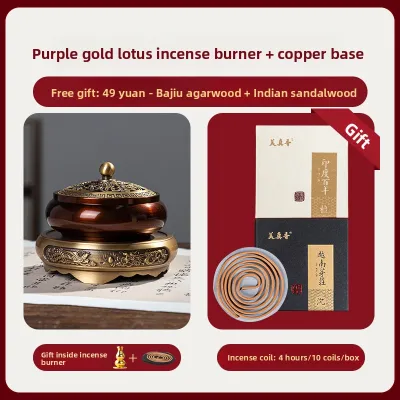
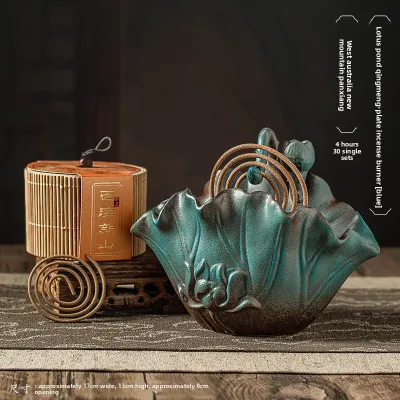
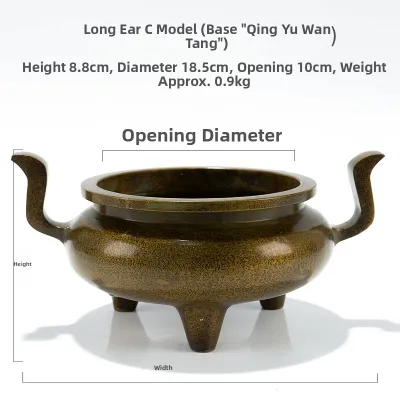
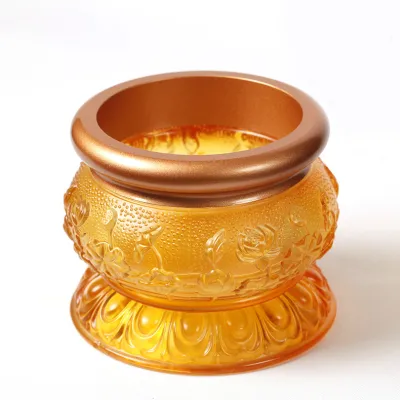
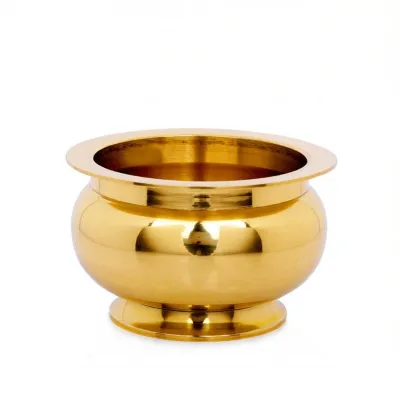
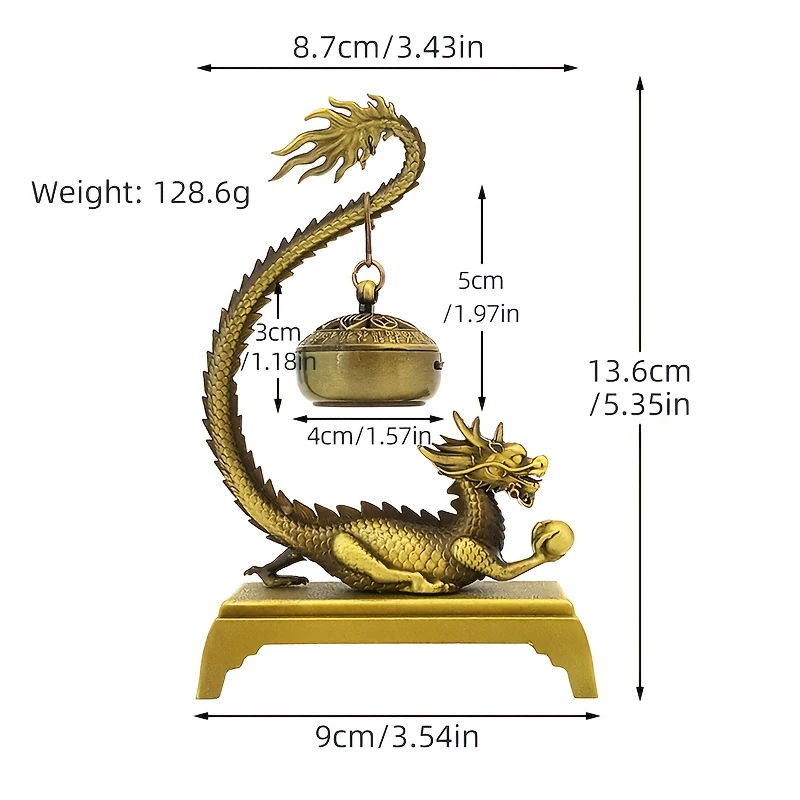
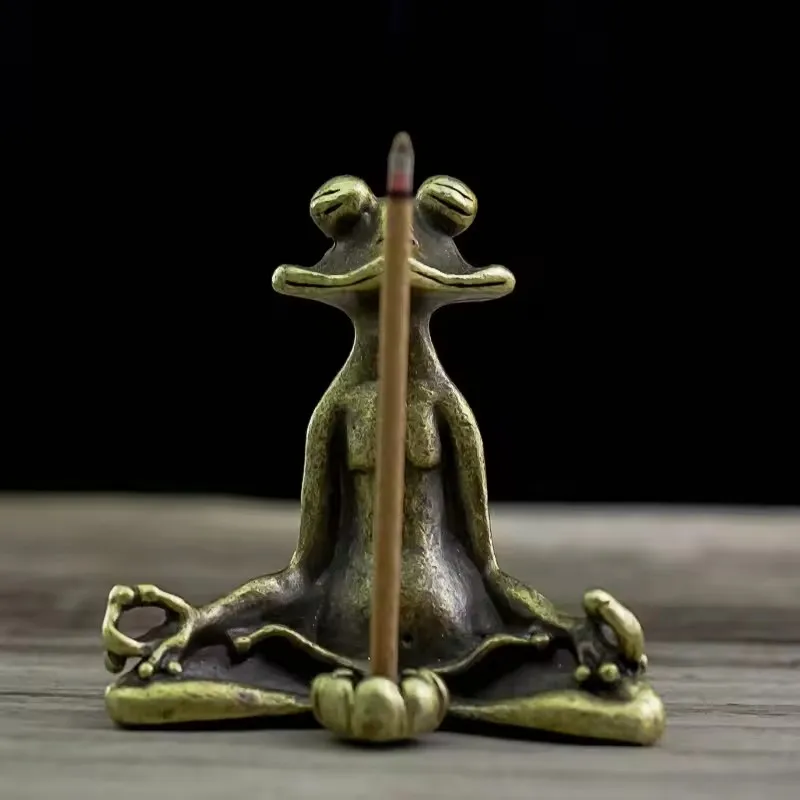
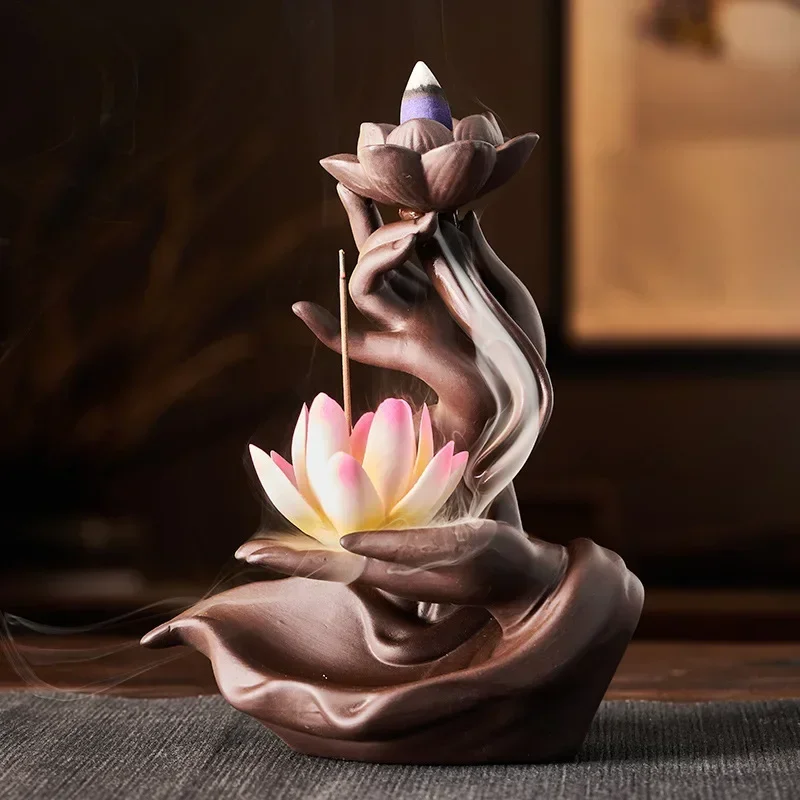
Prices are valid at publication and may change. Please refer to the product page for the latest price.
The burning duration of your incense directly influences the volume of ash produced. A standard incense stick might burn for 40 minutes, leaving a neat line of light ash. In contrast, a large coil can burn for several hours, generating a substantial pile of debris that can easily overflow a shallow holder. Consequently, you must evaluate the ash-catching capacity of any potential burner to ensure it contains the entire volume of waste.
Additionally, physical measurements are critical. For stick incense, measure both the overall length and the diameter of the core. Many traditional holders feature pre-drilled holes that may be too narrow for thick, hand-rolled sticks or too loose for thin varieties. For cones and coils, check the base diameter to ensure they sit flat and stable on the burner’s surface or suspension hook.
Selecting the Right Burner for Stick Incense
Stick incense is popular but presents a unique challenge: as the stick burns down at an angle, gravity pulls the ash outward along the length of the stick. To address this, you must choose between horizontal ash catchers, such as long trays and coffin boxes, and vertical holders, such as bowls or bottles.

Horizontal trays, often made of wood, ceramic, or metal, are effective because they mirror the shape of the falling ash. When selecting a tray, ensure its length exceeds the length of the incense stick by at least two to three centimeters on each side. If the tray is too short, the angled stick will drop ash over the edge. Coffin boxes offer an enclosed alternative, keeping the ash completely contained and shielded from drafts.
Vertical holders, such as small ceramic bowls filled with ash or sand, hold the stick upright. While these take up less surface space, they require a wider base diameter to catch the ash as it drifts downward. Furthermore, evaluate the hole diameter of any insert. A hole that is too small can pinch and break the core, while a hole that is too large will cause the stick to lean excessively, directing ash outside the holder.
Matching Burners to Cone and Backflow Incense
Cone incense burns from the top down, with the burning ember growing wider as it approaches the base. This design concentrates intense heat directly onto the bottom of the cone, requiring a flat, highly heat-resistant surface. Standard wooden trays designed for sticks are unsuitable for cones, as the heat can scorch or ignite the wood.
For standard cones, small ceramic dishes, stone trays, or metal plates are ideal. These materials withstand high temperatures without cracking or transferring heat to the furniture below. Because a burning cone leaves a concentrated, dense pile of hot ash, the burner must have a stable, flat base that prevents the cone from shifting during use.
Backflow incense is a specialized variation of cone incense featuring a hollow center that allows cool, dense smoke to flow downward. To achieve this waterfall effect, you must use a dedicated backflow burner. These burners feature a raised platform with a built-in channel that aligns with the hole in the bottom of the backflow cone. Without this alignment, the smoke will simply rise into the air, defeating the design.
Choosing a Holder for Coil Incense
Coil incense is designed for extended burning times, often lasting several hours. Because the spiral shape burns continuously from the outer edge inward, the entire coil must remain suspended in the air. If any part of the glowing coil touches a solid surface, the heat will dissipate, causing the ember to extinguish.
To keep the coil suspended, specialized burners utilize hanging clips, central wire stands, or wide non-flammable mesh grates. A central stand holds the coil from its innermost loop, allowing the outer rings to hang freely. Alternatively, some modern coil burners feature a fireproof mesh pad inside a closed ceramic dish, allowing the coil to rest flat while receiving enough oxygen to burn completely.
When selecting a coil burner, verify that there is adequate clearance below and around the coil. The base of the burner must be deep enough to prevent heat from damaging the underlying furniture, and the sides must be wide enough to contain the large volume of ash. Enclosed coil boxes with carved wooden or metal lids are useful, as they protect the coil from drafts while allowing the aroma to disperse gently.
Multi-Purpose Burners and Essential Safety Checks
If you enjoy switching between different incense formats, a multi-purpose burner offers excellent versatility. These designs typically feature a deep, wide ceramic or metal bowl equipped with interchangeable inserts, such as a multi-hole brass gourd for sticks, a flat metal plate for cones, and a removable wire stand for coils. This modular approach allows you to adapt a single decorative piece to any session.
Regardless of the burner style you choose, safety must remain your primary consideration. Always verify that the burner is constructed from genuine heat-resistant materials, such as thick ceramic, stone, brass, or cast iron. The base of the burner should be heavy and stable, with a low center of gravity to prevent tipping. If you are using a metal burner that conducts heat rapidly, place a heat-resistant coaster or trivet beneath it to protect delicate surfaces.
Finally, establish safe placement habits within your home. Position your incense burner on a flat, level surface well away from flammable materials such as curtains, books, and loose papers. In Singapore’s typical high-rise apartments, where gentle breezes can flow through open windows, managing drafts is especially important to prevent ash from scattering. Avoid placing burners in high-traffic areas where they might be bumped, or directly beneath air conditioning vents, as drafts can cause the incense to burn unevenly or blow hot ash. Never leave a burning incense stick, cone, or coil unattended, and ensure the ember is completely extinguished before leaving.
Frequently Asked Questions (FAQ)
How do I clean stubborn ash and resin buildup from my incense burner?
For routine maintenance, use a soft-bristled brush or a dry microfiber cloth to sweep away loose ash after each use. Over time, incense smoke leaves a sticky, oily resin residue that can discolor the burner and affect the aroma of future sessions. For non-porous materials like glazed ceramic, glass, or brass, you can gently wipe the surface with a damp cloth and mild dish soap, drying the burner thoroughly afterward. Always check the manufacturer’s care instructions before applying water or cleaning agents to porous materials like unglazed clay, soapstone, or natural wood, as moisture can cause warping or staining. If you encounter stubborn buildup in delicate backflow channels or intricate carvings, avoid using sharp metal tools that could scratch the finish; instead, use a soft cotton swab or consult the manufacturer.
Can I use a stick incense burner for cone incense if I remove the insert?
Whether you can adapt a stick burner for cone use depends entirely on the burner’s material and dimensions. You must evaluate whether the base material can safely withstand the concentrated, high-temperature heat output of a burning cone, which is significantly hotter than the ash dropped by a stick. While a solid ceramic or heavy metal tray can handle this heat, thin wooden, plastic, or resin stick holders will scorch, melt, or even catch fire. Additionally, check if the ash-catching area is wide enough to contain the broader, denser ash footprint of a cone. If you wish to proceed with a compatible ceramic or metal tray, always place a dedicated heat-resistant pad, a small metal disc, or a layer of clean sand beneath the cone to act as a thermal barrier to protect the burner’s surface from heat damage.

Community discussion
Share your experience or ask a question. Comments are reviewed before publication.