
Choosing the right incense burner is more than a matter of aesthetic preference; it is a fundamental requirement for safety, clean burning, and optimal fragrance release. Each style of incense—whether it is a delicate bamboo-cored stick, a dense cone, a long-burning coil, or raw resin tears—burns at a different temperature, produces a unique ash pattern, and requires specific airflow to stay lit. Using an incompatible holder can lead to extinguished embers, scorched tabletops, or scattered ash that ruins your home decor.
By understanding the physical characteristics of your preferred incense and matching them to the correct vessel design, you can create a safe, clean, and highly enjoyable aromatherapy experience. Whether you are spending S$5 on a simple wooden boat holder or investing in a premium hand-carved stone censer, selecting the right tool ensures your incense burns completely and safely.
Identify Your Incense Type and Burning Needs
Before selecting a burner, you must identify the exact physical format of the incense you plan to use. Stick incense is highly popular and comes in two main varieties: cored sticks (usually with a bamboo core) and solid dhoop sticks. Bamboo-cored sticks burn from one end to the other, leaving behind a thin trail of ash and a small unburnt wooden stub. Solid incense sticks burn completely down to the base, meaning the entire stick turns to ash and requires a holder that can support the burning end without extinguishing it.
Products mentioned in this guide
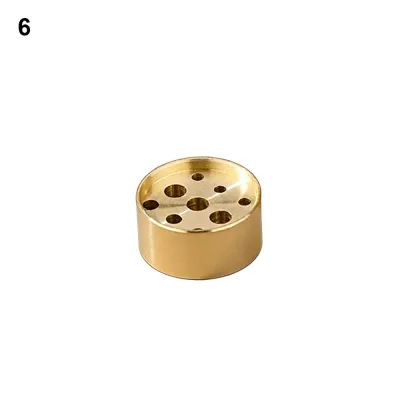
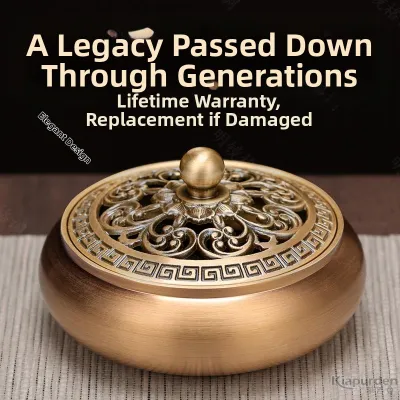
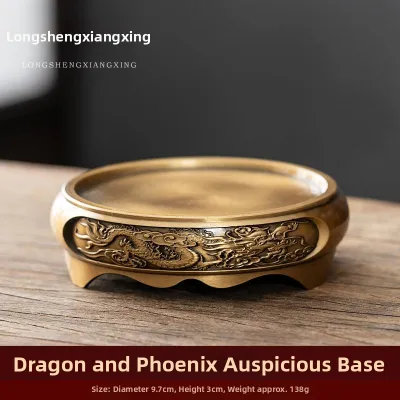
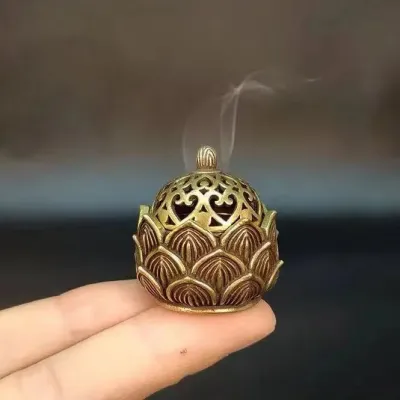
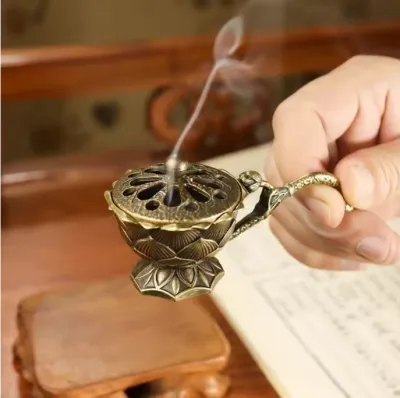
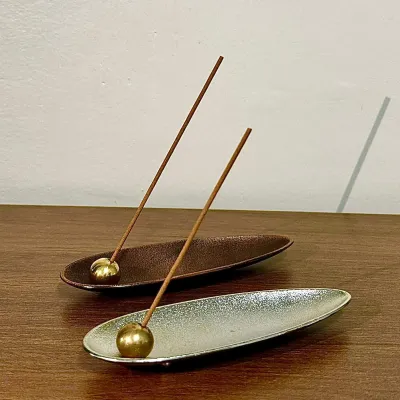
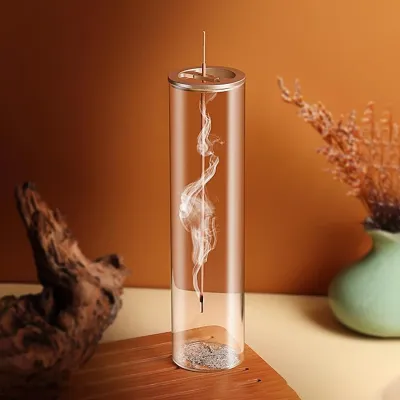
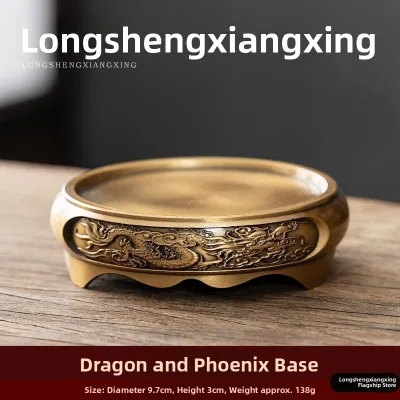
Prices are valid at publication and may change. Please refer to the product page for the latest price.
Cone incense is compact and burns from the pointed top down to the wide base. Because the burning surface area increases as it burns down, cones generate a high concentration of heat at the bottom, requiring a highly heat-resistant, flat surface. Backflow cones are a specialized variation with a hollow center that allows cooled, dense smoke to flow downward rather than rising, requiring a custom burner with a matching intake hole.
Coil incense is designed for extended burning times, often lasting several hours. Because the coil burns in a continuous spiral, any contact with a cold or non-breathable surface will immediately extinguish the ember. It must be suspended in the air or placed on a specialized non-flammable mesh to maintain a continuous burn.
Resin incense, such as frankincense or myrrh, consists of raw botanical sap that does not burn on its own. It requires an external heat source, typically a self-lighting charcoal disc. This process generates intense, direct heat that can easily crack standard glass or thin ceramic vessels, requiring heavy-duty, insulated burners.
Your physical environment also dictates your burner choice. In compact apartments or air-conditioned rooms, air circulation is often controlled, meaning smoke can accumulate quickly. Drafts from open windows or ceiling fans can easily blow lightweight ash out of shallow trays. If you share your home with curious pets or young children, open burners pose a significant risk of accidental contact, making enclosed or lidded burners a much safer choice.
Match Burner Designs to Specific Incense Formats
For stick incense, the primary goal is ash containment. Horizontal holders, often called “boat” or “ski” holders, feature a long, curved channel made of wood, ceramic, or metal with a small hole at one end to hold the stick at an angle. These are excellent for standard bamboo sticks, but you must ensure the channel is long and wide enough to catch the drifting ash. Alternatively, vertical burners—such as deep bowls or jars filled with clean sand, ash, or rice—allow you to stand multiple sticks upright. The ash falls directly into the bowl, and you can easily sift out the unburnt stubs periodically.

Standard cones require a simple, flat, heat-resistant plate. Many ceramic or stone burners feature a small metal disc or a raised platform to keep the hot cone base slightly elevated above the main vessel. For backflow cones, you must use a dedicated backflow burner. These burners are designed with a precise path or “waterfall” channel. The hole in the bottom of the backflow cone must align perfectly with the hole on the burner platform to create the vacuum effect that draws the smoke downward.
Coil burners must support the coil without pinching or breaking it. Traditional coil holders use a central metal pin or a small clip that holds the center of the coil, allowing the rest of the spiral to hang freely. Modern alternatives include round, enclosed boxes lined with a black, fireproof fiberglass felt pad. You can lay the coil directly onto this pad; the material allows air to circulate underneath the ember so the coil burns completely without extinguishing, while the lid keeps the ash safely contained.
Burning resin requires a robust, heavy-duty censer. These are typically chalice-shaped vessels made of thick brass, cast iron, or carved soapstone. Because charcoal discs reach temperatures hot enough to scorch wood or melt plastic, the censer must be filled with at least two to three centimeters of clean sand or white ash. This layer acts as an insulator, absorbing the heat and preventing the bottom of the burner from damaging your furniture. Some resin burners feature a suspended metal screen where the charcoal sits, allowing ash to fall into a chamber below.
Evaluate Material, Safety, and Maintenance Features
Ceramic is highly versatile and comes in beautiful glazed finishes, making it easy to clean, but it can crack under the extreme heat of charcoal. Brass and copper are incredibly durable and classic, but they conduct heat rapidly; a metal burner will become too hot to touch within minutes of lighting. Wood is lightweight and rustic but should only be used for low-heat stick incense, and it must feature a metal or ceramic protective strip where the hot ash or ember might land. Stone, such as soapstone or marble, offers excellent weight and stability, making it highly resistant to tipping, though it can be porous and absorb oils.
If you choose an electric incense burner, verify its voltage compatibility, wattage limits, and local electrical safety certifications before plugging it in. Electric models offer precise temperature control for resins and wood chips without the use of charcoal, but they must be kept away from damp areas and placed on stable surfaces where the power cord cannot be accidentally snagged.
A stable burner is a safe burner. Look for designs with a wide, heavy base and a low center of gravity. Avoid top-heavy, elaborate structures that can easily tip over if bumped or exposed to a sudden draft. If you plan to place the burner on a delicate surface like polished wood, glass, or lacquer, ensure the burner has raised legs, silicone pads, or a felt bottom to prevent scratches and direct heat transfer.
Over time, incense leaves behind a combination of fine ash and oily residue. Glazed ceramic and polished metal are the easiest to clean, as they can be wiped down with a damp cloth. Unglazed ceramic, rough stone, and natural wood can absorb oils and become permanently stained. If you burn resin, the melting sap will inevitably drip onto the burner and harden into a sticky, stubborn glaze. Choosing a burner with a removable inner cup or tray makes cleaning significantly easier, allowing you to wash the heat-exposed parts without damaging the decorative exterior.
Placement and Safe Usage Guidelines
Always place your incense burner on a flat, stable, and heat-resistant surface. Keep it far away from flammable items such as curtains, books, loose papers, and hanging fabrics. Ensure the burner is positioned out of the direct path of drafts, air conditioners, and fans, which can cause the incense to burn unevenly, scatter hot ash, or even blow a lightweight burner over. Maintain a clear zone of at least 30 to 50 centimeters around the burner.
Even if your burner is designed to stay cool, it is wise to use a secondary protective barrier. Placing a ceramic tile, a stone coaster, or a heat-resistant silicone mat underneath your burner provides an extra layer of security against accidental heat damage, scorch marks, or stray embers that might escape the ash catcher.
Inspect your incense burner before every use. If you notice any structural damage, such as hairline cracks in a ceramic bowl, deep scorch marks on a wooden holder, or a loose, wobbling base, stop using the burner immediately. If a metal burner becomes so hot that it begins to discolor or transfer intense heat to the surface beneath it, extinguish the incense and allow the vessel to cool completely before replacing it with a more insulated setup.
Frequently Asked Questions (FAQ)
Can I use a stick incense holder for cone incense?
Generally, standard stick holders are not suitable for cone incense. Stick holders typically feature a small, angled hole designed to grip a thin wooden core, and they lack the flat, highly heat-resistant surface area required to support a burning cone. Placing a cone directly onto a wooden or thin plastic stick holder can scorch the material or cause a fire. Furthermore, because cones burn down to a flat, intensely hot base, they require a burner with adequate airflow around the bottom; placing them on an incompatible holder can suffocate the ember, causing the cone to go out prematurely.
How do I clean resin residue from a censer?
Resin residue can be incredibly sticky and hardens as it cools. To clean a metal or glazed ceramic censer, you can place the removable tray or the entire vessel into the freezer for about 30 minutes; the cold temperature causes the resin to shrink and become brittle, allowing you to gently pop it off with a wooden scraper. Alternatively, you can warm the burner slightly to soften the resin, then wipe it away with a paper towel dipped in rubbing alcohol. Avoid using metal scourers, wire brushes, or harsh chemical solvents, as these can scratch the glaze, strip protective coatings, or ruin the natural patina of brass and stone.
Is it safe to leave an incense burner unattended?
No, you should never leave an active incense burner unattended. Whether you are burning a stick, a cone, a coil, or resin on charcoal, you are dealing with an open, active ember that can reach high temperatures. A sudden draft, a passing pet, or an unexpected structural failure of the incense itself can cause hot embers to fall onto flammable surfaces. If you must leave the room or go to sleep before the incense has finished burning, extinguish it safely. You can dip the burning tip of a stick in water, snuff a cone by placing a metal cup over it, or cover a burning charcoal disc with a layer of sand to cut off the oxygen supply.
Community discussion
Share your experience or ask a question. Comments are reviewed before publication.