
Choosing the right incense burner involves balancing safety, aesthetic preferences, and the specific type of incense you plan to burn. The ideal material depends heavily on your preferred incense format, your household environment, and how much effort you want to put into cleaning and maintenance. Ceramic, brass, and wood each offer distinct advantages and limitations. Ceramic provides excellent heat resistance and a wide variety of glazed finishes, making it highly versatile but fragile. Brass offers unmatched durability, weight, and a classic aesthetic, though it conducts heat rapidly and requires regular polishing if you want to maintain its original shine. Wood brings a warm, organic feel to a space, but it demands strict safety precautions, such as fireproof inserts, to prevent scorching or fire hazards. By understanding how these materials interact with heat, ash, and environmental factors, you can select a burner that safely enhances your home decor.
Matching Your Incense Format to the Right Material
Different incense formats produce varying levels of heat and require specific physical support structures to burn safely. Before selecting a burner incense holder, you must identify whether you primarily burn sticks, coils, cones, or backflow cones, as each format places unique demands on the burner’s material.
Stick incense is highly versatile and generally compatible with ceramic, brass, and wood. Because the burning ember remains suspended in the air, the primary job of the burner is to catch falling ash. Any of the three materials will work safely, provided the burner is designed with adequate length and width to capture the entire trajectory of the falling ash.
Products mentioned in this guide
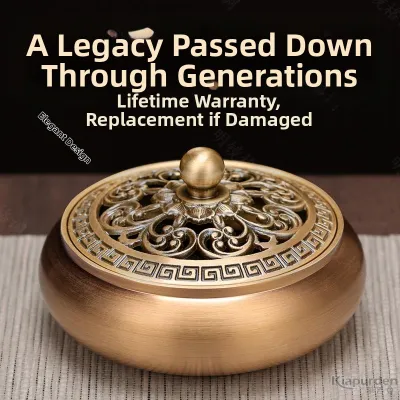
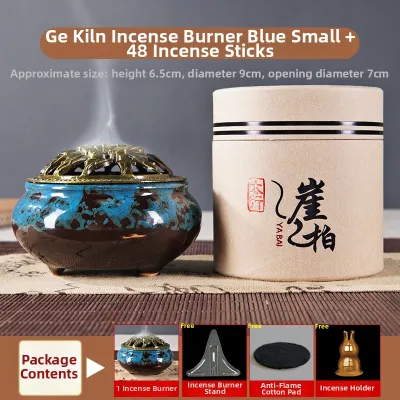
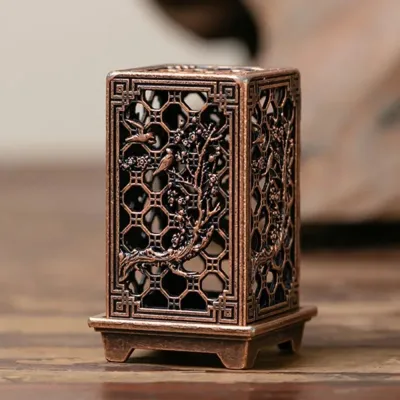
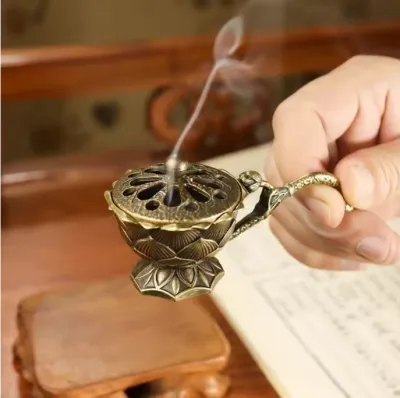
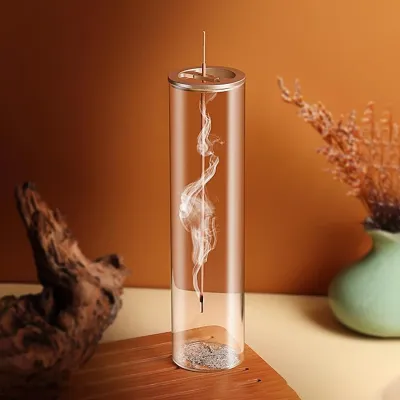
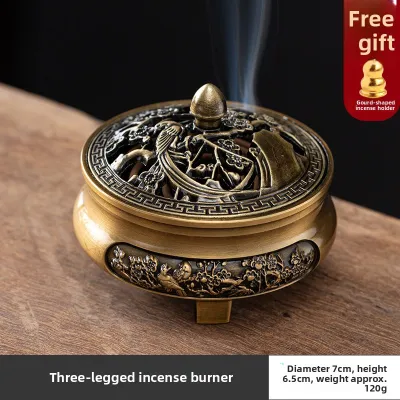
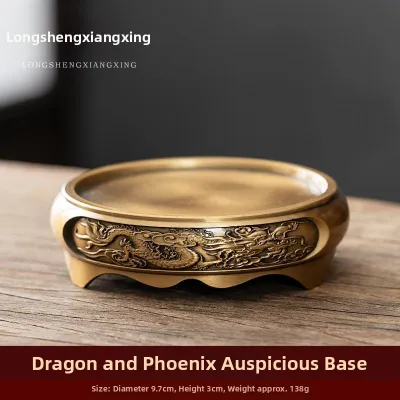
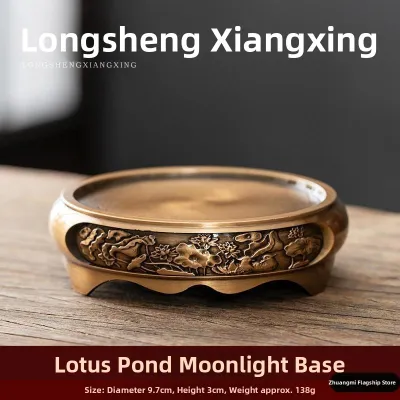
Prices are valid at publication and may change. Please refer to the product page for the latest price.
Coil incense, by contrast, burns slowly over a longer period, generating prolonged, concentrated heat close to the burner’s surface. This format requires a wide, flat base and often relies on a fireproof mat or a specialized support stand. Ceramic and brass are highly preferred for coil incense because they can withstand sustained thermal exposure without degrading. Wood is generally unsuitable for coils unless it is specifically designed with a raised, non-combustible support that keeps the hot coil completely isolated from the wooden surface.
Cone and backflow incense demand the highest level of heat resistance. Backflow cones direct hot smoke downward through a central channel, concentrating heat directly onto the burner’s surface. This process requires robust thermal management and precise airflow channels. Ceramic and brass are the industry standards for these formats. If you prefer a wooden burner for cones, you must verify that it features a certified, secure internal metal lining or ceramic insert to isolate the heat from the wooden frame.
Ceramic Burners: Heat Resistance and Easy Maintenance
Ceramic burners are highly popular due to their exceptional thermal properties and diverse design options. Clay fired at high temperatures naturally resists heat, making ceramic an excellent choice for holding burning embers. However, the thickness of the ceramic base is a critical factor to verify. While the material itself will not melt or burn, a thin ceramic base can still transfer significant heat to the surface beneath it. Always check the thickness of the bottom and consider using a protective coaster if the burner feels hot to the touch during use.

Maintenance is another area where ceramic excels, particularly when glazed. A smooth, glazed ceramic surface prevents ash and oils from penetrating the material. You can easily wipe away loose ash with a damp cloth or wash the burner with mild soap and water. Unglazed or porous ceramic finishes, such as terracotta or raw stoneware, require more careful handling. These surfaces can absorb essential oils, moisture, and soot over time, which may lead to permanent discoloration or retained odors.
The primary limitation of ceramic is its physical fragility. Ceramic burners are highly susceptible to chipping, cracking, or shattering if dropped onto hard surfaces. Even minor impacts can cause hairline fractures that compromise the structural integrity of the burner. It is essential to inspect your ceramic burner regularly for any visible cracks before lighting incense, as thermal expansion during use can cause existing cracks to widen, potentially leading to sudden breakage.
Brass Burners: Durability, Weight, and Patina Care
Brass burners are favored for their exceptional durability, structural stability, and classic, substantial feel. Because brass is a heavy metal alloy, these burners offer a low center of gravity that makes them highly resistant to tipping over. This weight provides an added layer of safety in active households where a light breeze or an accidental bump could otherwise knock over a burning incense stick.
However, brass is an excellent conductor of heat. Unlike ceramic, which insulates, brass absorbs and distributes heat rapidly. During a long burning session, the entire body of a brass burner can become extremely hot. To prevent heat damage to your wooden tables, shelves, or delicate finishes, you must always place a brass burner on a heat-resistant pad, stone coaster, or trivet.
The aesthetic of brass changes over time due to natural oxidation. When exposed to air and moisture, brass gradually develops a dark, muted patina. Some users appreciate this aged, antique look, while others prefer the bright, polished gold appearance. Maintaining the original shine requires regular polishing with a specialized brass cleaner, whereas embracing the patina requires only basic dusting.
When purchasing a brass burner, particularly enclosed box styles or those with intricate lids, perform a thorough structural check. Inspect the hinges, joints, and latches to ensure they fit securely. Verify that the ventilation holes in the lid are clean and unobstructed, as proper airflow is necessary to keep the incense burning consistently without extinguishing.
Wood Burners: Natural Aesthetics and Strict Safety Limits
Wooden burners, often crafted from bamboo, rosewood, or mango wood, offer a warm, organic aesthetic that blends seamlessly with minimalist or rustic decor. Despite their visual appeal, wood is a combustible material, which means wooden burners require strict safety boundaries and careful operation to prevent fire hazards.
The most critical safety rule for wooden burners is that burning incense must never come into direct contact with bare wood. A safe wooden burner must feature a verified, non-combustible insert—such as a brass tray, a ceramic dish, or a fireproof felt lining—where the hot ember or ash actually rests. Before using any wooden burner, inspect the insert to ensure it is securely fitted, completely intact, and free of gaps that could allow hot ash to touch the wood underneath.
Because of these safety limits, wooden burners are best suited for stick incense, where the burning tip remains suspended high above a long, wide wooden ash catcher. They are generally unsuitable for high-heat applications like loose coils or heavy cones unless the manufacturer has explicitly rated the product for that use and provided a robust, integrated metal lining.
Environmental factors also play a significant role in the lifespan of a wooden burner. Wood is highly sensitive to changes in humidity and temperature. In humid environments, or when exposed to direct sunlight near a window, wood can warp, split, or develop cracks. To maintain its shape and finish, keep your wooden burner in a dry, temperature-controlled indoor area and dust it regularly with a dry microfiber cloth.
Decision Checklist: Matching Material to Your Household
To finalize your choice, evaluate how each material aligns with your daily routine, household safety needs, and local environment.
If your home includes active pets or young children, prioritize safety by choosing a heavy brass burner or a wide-based, stable ceramic design that cannot be easily knocked over. Avoid lightweight wooden trays or tall, top-heavy ceramic holders that pose a tipping risk.
Consider the placement context within your living space. For covered outdoor areas, balconies, or patios in Singapore, where humidity levels are consistently high, weather-resistant brass is the most durable option. Delicate ceramics and natural wood burners are better reserved for controlled indoor environments where they are protected from moisture and direct sunlight.
Finally, match the burner to your cleaning commitment. If you prefer a low-maintenance routine, a glazed ceramic burner is the easiest to wipe clean. If you enjoy the process of maintaining your decor and appreciate a changing aesthetic, brass offers a rewarding hands-on experience. For those who prioritize a natural look and burn only traditional stick incense, a well-lined wooden holder provides the perfect balance, provided you commit to regular dry dusting and careful safety checks.
Frequently Asked Questions (FAQ)
Is it safe to place a brass burner directly on a wooden table?
No, it is not safe to place a brass burner directly on a wooden table or any heat-sensitive surface. Brass conducts heat very efficiently, meaning the base of the burner can reach high temperatures during a burning session. This intense heat can scorch wood finishes, leave permanent rings, or damage delicate veneers. Always place a dedicated heat-resistant coaster, ceramic tile, or silicone mat underneath your brass burner to isolate the heat. Additionally, check the manufacturer’s instructions for any maximum burn time recommendations to prevent excessive heat buildup.
How do I clean ash from an unglazed ceramic burner?
Unglazed ceramic is porous and can easily absorb oils, soot, and moisture, so cleaning requires a gentle, dry approach. Start by using a soft-bristled dry brush, a clean makeup brush, or a can of compressed air to sweep away loose ash from the surface. Avoid using wet cloths or washing the unglazed areas with soapy water, as the porous clay can trap moisture and cause staining. Never use abrasive scrubbers, steel wool, or harsh chemical cleaners, as these can permanently scratch or discolor the ceramic. Always consult the manufacturer’s care guidelines before applying any liquid spot treatments.

Community discussion
Share your experience or ask a question. Comments are reviewed before publication.