
Selecting the right incense holder is not just a matter of matching your home decor; it is a functional decision that directly affects safety, cleanliness, and how evenly your incense burns. The ideal holder must accommodate the specific physical shape, burning pattern, and ash trajectory of your chosen incense format. Whether you prefer traditional bamboo-core sticks, solid coreless sticks, compact cones, or long-burning coils, each type requires a distinct support mechanism to prevent surface damage and contain falling debris.
A mismatched setup often results in ash spilling onto polished wooden sideboards, scorched tabletops, or incense that extinguishes itself prematurely. By understanding the structural demands of each incense format, you can select a holder that keeps the hot ember safely isolated while making cleanup effortless. This guide breaks down the essential design features, material considerations, and safety checks to help you find the perfect match for your aromatherapy routine.
Understanding Incense Formats and Required Holder Designs
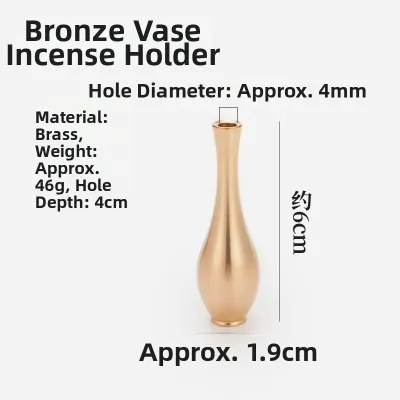
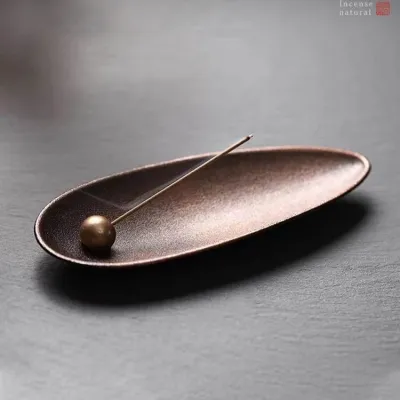
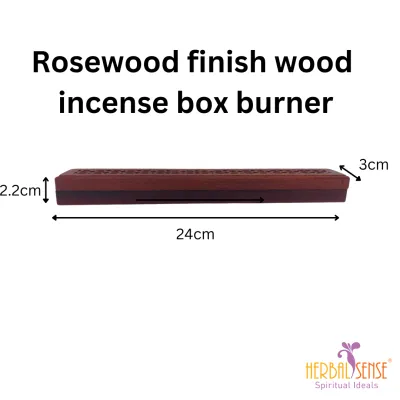
To choose the right holder, you must first understand how different incense formats burn and where their ash falls. Stick incense is the most common format, consisting of either a wooden core coated in aromatic paste or a solid, coreless extruded stick. Because sticks burn along their entire length, they require a holder that can catch ash over a long, linear path. This is typically achieved using a long, narrow tray—often called a boat or coffin burner—or a wide bowl with a central, angled insertion hole that projects the stick over a broad catchment area.
Products mentioned in this guide
Prices are valid at publication and may change. Please refer to the product page for the latest price.
Cone incense presents a different set of physical requirements. Cones are compressed blocks of aromatic powder that burn from the narrow tip down to a wide, flat base. As the burn progresses, the heat becomes highly concentrated at the bottom of the cone, transferring directly to the surface beneath it. Consequently, cone holders must feature a flat, highly heat-resistant platform, such as a thick ceramic plate, a stone dish, or a brass cup. The holder does not need to be long, but it must have a raised rim or a shallow bowl shape to contain the dense, powdery ash pile that remains after the cone completely consumes itself.
Coil incense, shaped in a continuous spiral, is designed for extended burn times and requires a specialized suspension system. Because the entire spiral glows as it burns, no part of the active coil can touch a flat, combustible surface without extinguishing the ember or causing a safety hazard. Coil holders solve this by suspending the incense in the air using a central metal pin, a hanging hook, or a specialized non-combustible fiberglass mesh pad. The base of a coil holder must be wide enough to catch ash falling from the outermost rings of the spiral, which often requires a circular dish design with a diameter larger than the coil itself.
Essential Safety and Material Checks for Incense Burners
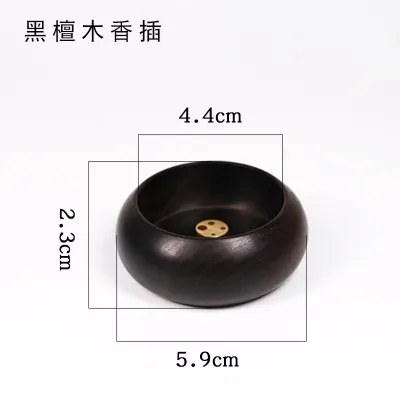
When evaluating any incense burner, material selection is your first line of defense against heat damage and fire hazards. Ceramic, stone, brass, and heavy cast iron are excellent choices because they withstand high temperatures without cracking, melting, or transferring dangerous levels of heat to your furniture. Wooden and bamboo holders are popular for their rustic aesthetic, but they must feature a protective metal or ceramic lining where the hot ember or ash actually makes contact. Unlined wood can scorch over time, creating a subtle but persistent fire risk in your living space.

Structural stability is another critical factor, especially in households with active pets, young children, or frequent drafts from open windows or ceiling fans. A top-heavy holder or one with a narrow, unstable base can easily tip over if bumped, scattering hot ash and lit embers onto carpets or upholstery. Look for holders with a low center of gravity, a wide footprint, and a reassuring weight. If you plan to place the burner on a slick surface like glass or polished marble, check for non-slip silicone or felt pads on the underside, or add them yourself to prevent accidental sliding.
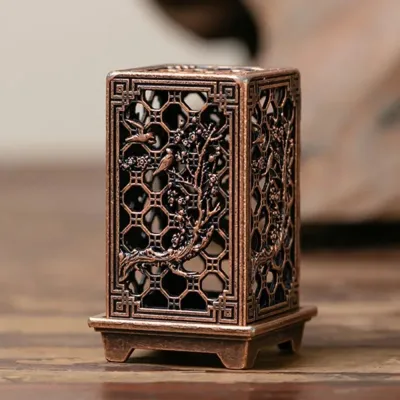
Ash capacity and cleanup convenience should dictate the size and depth of your burner. If you burn incense daily, a shallow holder will require constant emptying to prevent drafts from blowing loose ash across your room. Deep bowls, lidded boxes with carved ventilation holes, or trays with high rims are much easier to manage because they shield the accumulated ash from air currents. Additionally, consider how easy the material is to wash; non-porous glazed ceramics and polished metals can be wiped clean with a damp cloth, whereas unglazed terracotta or porous stone may absorb oils and become permanently stained.
How to Match Holder Designs to Sticks, Cones, and Coils
Matching a holder to stick incense requires looking closely at whether your sticks have a bamboo core or are coreless. Bamboo-core sticks have a bare wooden end that fits easily into small, angled holes drilled into wood, ceramic, or metal bases. However, coreless sticks—such as traditional Tibetan, Japanese, or organic herbal sticks—burn all the way to the very bottom. If you insert a coreless stick into a tight, unlined hole, the burning end will eventually reach the holder, potentially scorching it or leaving a stubborn, unburnt stub trapped inside. For coreless sticks, look for holders with adjustable brass clips, spring clamps, or wide-mouthed vertical holders filled with clean sand or ash to support the stick without blocking the burn.
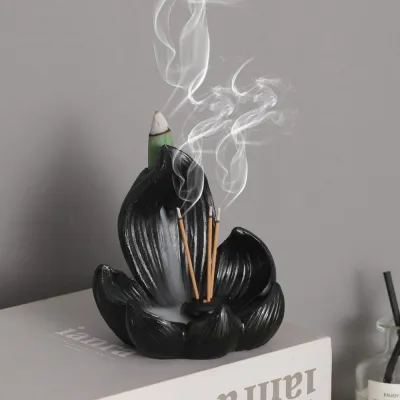
For cone incense, the choice of holder depends on whether you are burning standard cones or specialized backflow cones. Standard cones release smoke upward and can sit on any flat, heatproof dish. Backflow cones, however, are molded with a hollow central channel down the middle, which coaxes the cooled smoke to flow downward like a liquid waterfall. To achieve this visual effect, you must use a dedicated backflow burner that features a raised platform with a matching hole in the center. Placing a backflow cone on a solid, flat surface blocks the downward airway, preventing the waterfall effect and causing heavy, oily resin to pool directly under the cone, which can ruin standard holders.
Coil incense holders generally fall into two categories: suspended hangers and flat-bed burners. Suspended holders use a small brass fork or hook to lift the coil by its center, allowing it to hang freely in the air. This design is highly efficient but requires careful balancing to ensure the outer rings do not lean against the sides of the burner. Alternatively, flat-bed coil burners utilize a circular tin lined with a black, fireproof fiberglass mesh pad. You simply lay the coil flat on top of the mesh; the specialized material supports the coil while allowing air to circulate underneath, ensuring a continuous burn without the risk of tipping.
Evaluating Multi-Format and Versatile Holder Options
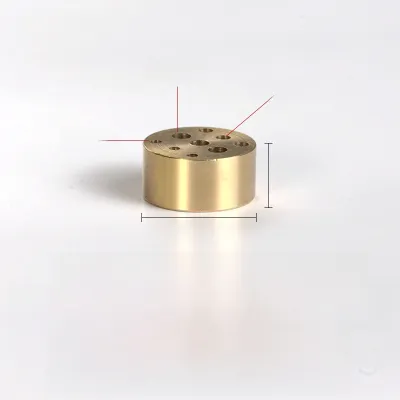
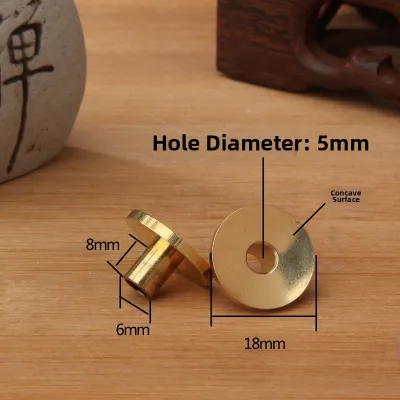
For those who enjoy switching between different aromatherapy styles, multi-format or universal incense holders seem like an ideal, space-saving solution. These designs often feature a central brass insert with multiple holes of varying diameters to accommodate different stick thicknesses, surrounded by a flat ceramic or stone tray intended for cones and coils. While highly convenient, these combination holders often involve design compromises that can affect performance and cleanliness.
One common issue with multi-format holders is that the placement of the stick holes can interfere with the flat surface area needed for cones or coils. If a stick is burning at an angle, its ash may fall directly onto the spot where you intend to place a cone, requiring a thorough cleaning between uses. Furthermore, a tray designed to catch ash from a short stick might not be wide enough to contain the fallout from a large coil, or it may lack the deep well necessary to handle the heavy resin buildup associated with backflow cones.
Before purchasing a multi-use holder, check the manufacturer’s specifications to confirm the maximum dimensions and material limits for each format. If you burn incense frequently, you may find that using dedicated, single-format holders provides a much cleaner and safer experience. A dedicated holder is optimized for the exact physics of its matching incense, ensuring that ash is perfectly contained and the burning process remains completely undisturbed.
Final Pre-Purchase Checklist and Safe Burning Practices
Before finalizing your purchase of an incense holder, take a moment to verify its physical dimensions against the specific brands of incense you plan to use. Measure the length of your favorite sticks to ensure the holder’s tray is long enough to catch ash falling from the very tip. If you prefer thick, hand-rolled dhoop sticks or imported Japanese incense, measure the diameter of the sticks to confirm they will fit into the holder’s pre-drilled holes without forcing or shaving down the ends.
Next, assess the environment where you plan to burn your incense. In Singapore’s warm climate, homes often rely on ceiling fans, air conditioning units, or open windows to maintain airflow. These drafts can easily carry lightweight ash out of shallow trays or cause incense sticks to burn down much faster than expected. If your room has significant air movement, prioritize deep-dish burners, lidded incense boxes, or heavy ceramic bowls that shield the burning ember and contain the ash safely within their walls.
Finally, establish a safe burning routine to protect your home and maintain your holder. Always place your burner on a stable, heat-resistant surface away from curtains, books, paper, or hanging decorations. Never leave burning incense unattended, and ensure the ember is completely extinguished before discarding the ash. Regularly empty the accumulated ash into a non-combustible bin, and wipe down the holder to prevent oily resin buildup from hardening and staining the finish.
Frequently Asked Questions (FAQ)
Can I use a stick holder for cone incense?
No, standard stick holders are generally not suitable or safe for burning cone incense. Stick holders often feature narrow, angled channels or small pre-drilled holes designed solely to support a thin wooden peg, lacking the flat, insulated surface area required to hold a cone. Placing a burning cone on a narrow stick tray can cause the cone to tip over, spilling hot embers onto your furniture. Additionally, because cones transfer intense heat directly downward through their flat bases, burning them on a thin wooden or plastic stick holder can scorch, crack, or melt the material, creating a serious fire hazard.
How do I clean resin or ash buildup from my holder?
To clean resin or ash buildup, start by gently scraping away loose debris using a soft wooden spatula or a plastic scraper to avoid scratching the surface. For stubborn, oily resin left behind by cones or coils, soak the holder in warm, soapy water if the material permits, such as glazed ceramic, glass, or solid brass. Avoid using harsh chemical solvents, steel wool, or highly abrasive scouring pads, as these can strip away protective glazes, tarnish metal finishes, or scratch polished stone. For porous materials like unglazed terracotta or wood, wipe the surface gently with a damp microfiber cloth and allow it to air dry completely before the next use.
Are backflow cones compatible with standard cone holders?
No, backflow cones are not compatible with standard cone holders if you want to achieve the signature downward smoke effect. Backflow cones are specifically engineered with a hollow center that directs smoke downward through the base of the cone. To work correctly, they must be placed on a specialized backflow burner that has a matching hole or channel directly beneath the cone’s placement point. If you place a backflow cone on a solid, flat standard holder, the downward exit path is completely blocked, forcing the smoke to rise upward like a standard cone and causing heavy, sticky resin to pool directly on the flat surface of your holder.

Community discussion
Share your experience or ask a question. Comments are reviewed before publication.