
Selecting the perfect Ingu sculpture or figurine for your home is an exercise in balancing form, scale, and texture to elevate your existing interior design. These contemporary art pieces, known for their organic minimalism, expressive human postures, and tactile surfaces, can instantly transform a room from a simple functional space into a curated gallery. To make the right choice, you must evaluate how a sculpture’s visual weight interacts with your furniture, how its material behaves under local environmental conditions, and how its design language aligns with your personal aesthetic.
By understanding the physical and artistic characteristics of these decor elements, you can confidently choose a piece that serves either as a dramatic focal point or a subtle, harmonious accent. This guide breaks down the essential design principles, material considerations, and placement strategies to help you find the ideal Ingu piece for your living space.
Understanding the Design Language of Ingu Sculptures
Ingu sculptures are defined by a distinct visual language that prioritizes fluid silhouettes, abstract human forms, and rich, tactile finishes. Rather than focusing on hyper-realistic details, these pieces capture the essence of emotion and movement through sweeping lines, hollowed-out contours, and negative space. The interplay between solid mass and empty voids is a hallmark of the brand’s artistic direction, allowing light to pass through the sculptures and integrate them naturally into their surroundings.
Products mentioned in this guide
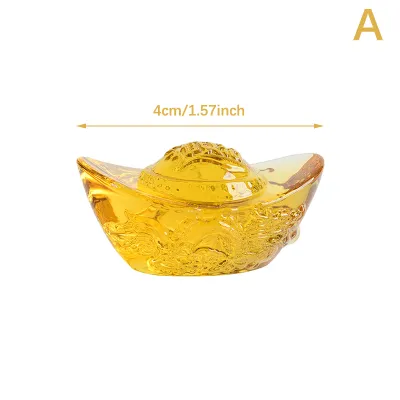
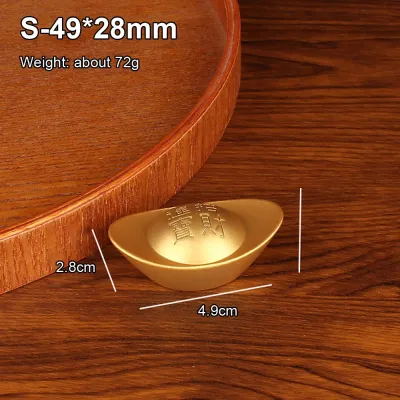


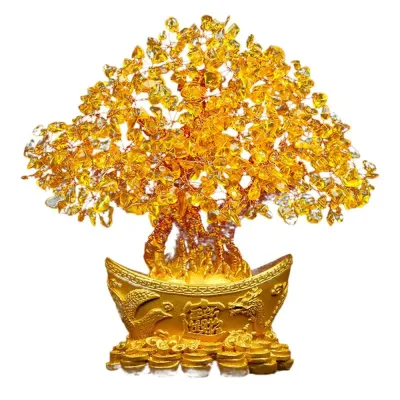
Prices are valid at publication and may change. Please refer to the product page for the latest price.
The surface textures of these figurines range from ultra-smooth, matte coatings to rough, stone-like finishes that mimic natural sandstone or volcanic rock. Color palettes remain intentionally restrained, leaning heavily on monochromatic tones such as charcoal black, chalk white, warm beige, and muted terracotta, occasionally accented with subtle metallic highlights. This minimalist approach ensures that the focus remains on the structural form and the way shadows fall across the curved surfaces throughout the day.
Understanding these baseline traits is crucial because they dictate how a sculpture functions within a room. A large, high-contrast piece with a dynamic, sweeping pose naturally commands attention, making it an ideal statement focal point for an entryway or mantelpiece. Conversely, smaller, more compact figurines with soft, rounded contours and neutral earthy tones act as subtle accents, designed to complement rather than compete with your existing furniture and wall decor.
Matching Ingu Pieces to Your Interior Aesthetic
To achieve visual cohesion, your chosen Ingu sculpture should complement the dominant design style of your home. While these pieces are highly versatile, different forms and finishes align more naturally with specific interior aesthetics. By matching the sculpture’s core design elements with the design principles of your space, you can create a balanced and intentional look.

Minimalist and Modern Interiors
If your home features clean lines, a restricted color palette, and a focus on functionality, look for Ingu pieces that emphasize extreme simplicity and negative space. Monochromatic figurines in matte black or stark white work exceptionally well in these environments. Choose designs with singular, continuous curves or hollowed-out centers that allow the background wall color to peek through. Placing a single, striking black abstract figure on a white floating shelf creates a sophisticated, high-contrast focal point without introducing visual clutter.
Japandi and Wabi-Sabi Spaces
Japandi design blends Japanese minimalism with Scandinavian warmth, prioritizing natural materials, organic shapes, and a sense of calm. For this aesthetic, select Ingu sculptures with rough, sandstone-textured finishes and warm, earthy color palettes, such as beige, cream, or soft terracotta. Look for asymmetrical forms that celebrate imperfection and natural beauty. These pieces harmonize beautifully with light oak furniture, linen textiles, and indoor greenery, adding a tactile, grounded element to the room.
Contemporary and Eclectic Styles
Contemporary and eclectic spaces allow for more playful experimentation with color, form, and contrast. If your home embraces this design philosophy, consider Ingu sculptures that feature mixed materials or subtle metallic accents, such as gold-leaf detailing or bronze-brushed edges. You can use highly expressive, dynamic poses to inject energy into the space. In an eclectic room, try placing a textured, dark-toned figurine next to vibrant artwork or colorful glass vases to create an engaging visual dialogue.
Industrial and Loft Aesthetics
Industrial design relies on raw materials, exposed structural elements, and a moody, utilitarian vibe. To complement this style, opt for Ingu figurines with dark, metallic, or concrete-like finishes. Sculptures with structured, geometric undertones or sharp, angular lines fit seamlessly alongside exposed brick walls, matte black metal framing, and reclaimed wood surfaces. A charcoal-colored, heavy-set abstract sculpture placed on a concrete console table reinforces the bold, architectural feel of the space.
Sizing, Placement, and Spatial Harmony
Achieving spatial harmony with your Ingu sculpture requires careful consideration of proportion, scale, and visual weight. A piece that is too small will easily get lost among your furniture, while a piece that is too large can overwhelm the room and make the layout feel cramped. Understanding where and how to display your sculpture ensures it feels like an integrated part of your home.
Coffee Tables and Side Tables
When placing a figurine on a coffee table, choose a low-profile piece with a wide, stable base. The sculpture should not block sightlines across the seating area, allowing for comfortable conversation. A good rule of thumb is to group the sculpture with two other items of varying heights, such as a stack of design books and a small scented candle, creating a visually pleasing triangular composition. On smaller side tables, stick to a single, compact figurine to avoid overcrowding the surface.
Console Tables and Entryways
An entryway console table is the perfect location for a taller, more vertical Ingu sculpture. This placement draws the eye upward and sets the design tone for the rest of your home. Because console tables are typically narrow, ensure the sculpture’s depth does not exceed the table’s surface, leaving a safe buffer zone around the edges. Pair a tall, elegant silhouette sculpture with a minimalist wall mirror or a simple ceramic vase to balance the visual weight across the tabletop.
Open Shelving and Bookshelves
Displaying sculptures on bookshelves requires a careful balance of positive and negative space. Avoid cramming figurines into tight corners or placing them directly in front of dense rows of books. Instead, dedicate a specific shelf or section to a single Ingu piece, leaving ample empty space around it. This “breathing room” allows the sculpture’s silhouette to stand out clearly against the back of the shelf, turning a functional storage unit into an artistic display.
Structural Safety and Stability
To protect both your sculpture and your household, always prioritize stability during placement. Avoid placing top-heavy or highly fragile pieces on high-traffic edges, unstable side tables, or surfaces prone to vibration. If you have young children or active pets, display delicate figurines on higher shelves or inside glass-fronted cabinets. For added security, you can apply a small amount of non-damaging museum wax or clear non-slip silicone pads to the base of the sculpture, securing it firmly to glass, wood, or stone surfaces.
If you are displaying a heavy, wall-mounted Ingu relief or suspended sculpture, structural safety is paramount. Before installation, verify the weight limit of your wall anchors and ensure you are mounting directly into wall studs or solid masonry. If you are unsure about the load-bearing capacity of your walls or if the installation requires complex hardware, always consult a qualified professional installer to prevent damage or injury.
Material Durability and Care in Singapore's Climate
Singapore’s tropical climate presents unique environmental challenges for home decor, characterized by high relative humidity, elevated indoor temperatures, and intense UV exposure near windows. Understanding how different sculpture materials respond to these conditions will help you choose the right piece and maintain its pristine appearance over time.
Resin and Composite Materials
Many contemporary Ingu sculptures are crafted from high-quality resin or stone composites. These materials are exceptionally durable and highly resistant to moisture, making them ideal for humid environments. They do not warp, crack, or swell when exposed to humidity fluctuations. However, prolonged exposure to direct, intense sunlight through glass windows can cause certain resins or surface pigments to fade or yellow over time. To prevent this photodegradation, place resin pieces in areas that receive indirect, filtered natural light.
Ceramic and Sandstone Finishes
Ceramic and sandstone-textured figurines offer a beautiful, organic look but require careful handling. While glazed ceramics are highly moisture-resistant, unglazed, porous sandstone finishes can absorb moisture from the air if placed in poorly ventilated spaces. Over time, this trapped moisture can attract dust and lead to surface discoloration. Ensure these pieces are kept in well-ventilated, air-conditioned, or naturally breezy rooms to maintain their dry, matte texture.
General Maintenance and Cleaning Steps
To keep your Ingu sculpture looking its best, establish a routine of gentle, low-risk cleaning. Always consult the manufacturer’s care label or instructions for material-specific restrictions before applying any cleaning agents. For routine maintenance, follow these simple steps:
- Dusting: Use a clean, dry, ultra-soft microfiber cloth to gently wipe away surface dust once a week.
- Crevices and Details: For sculptures with intricate folds, hollowed-out sections, or textured surfaces, use a soft-bristled brush (such as a clean makeup brush or a soft paintbrush) to gently sweep away dust from hard-to-reach areas.
- Avoiding Moisture: Do not use wet cloths, damp sponges, or running water to clean porous or textured finishes, as moisture can become trapped in the surface pores and alter the appearance of the finish.
- Chemical Precautions: Never use harsh household chemical cleaners, bleach, alcohol-based solvents, or abrasive scrubbing pads, as these can permanently strip away protective coatings, dull matte finishes, or scratch polished surfaces.
Recommended Ingu Sculptures for Key Decor Styles
To help you select the ideal piece for your home, the table below outlines the primary design characteristics, material compositions, and recommended placements for key styles of Ingu-inspired sculptures. Use this comparison to identify which category best matches your spatial requirements and aesthetic goals.
| Sculpture Style | Primary Material | Key Aesthetic | Ideal Placement | Best Match For |
|---|---|---|---|---|
| Abstract Silhouette Series | Matte Resin | Fluid, hollow-out human forms, minimalist curves | Floating shelves, coffee table stacks | Minimalist & Modern Living Rooms |
| Organic Earth Series | Sandstone Composite | Textured, rough-hewn surfaces, warm beige/terracotta tones | Console tables, wooden sideboards | Japandi & Wabi-Sabi Spaces |
| Dynamic Gesture Series | Polished Resin with Metallic Accents | Expressive postures, high-contrast finishes, gold/bronze details | Mantelpieces, bedroom vanity tables | Contemporary & Eclectic Bedrooms |
| Geometric Column Series | Dark Composite / Charcoal Stone | Structured lines, heavy block bases, architectural shapes | Entryway consoles, study bookshelves | Industrial & Loft Aesthetics |
When selecting a specific piece from these categories, always verify the exact physical dimensions and weight listed by the manufacturer. Ensure the sculpture’s footprint fits comfortably within your designated display area with at least five to ten centimeters of clearance on all sides. This breathing room prevents the display from looking cramped and highlights the unique silhouette of the artwork.
Frequently Asked Questions (FAQ)
How should I clean and dust my Ingu sculpture?
To clean your Ingu sculpture safely, use a dry, lint-free microfiber cloth to gently wipe down the surface. For textured finishes or hard-to-reach crevices, a soft-bristled brush, such as a clean cosmetics brush or a soft paintbrush, is highly effective at lifting dust without scratching the material. Avoid using wet cloths, water, or liquid cleaners on porous, unglazed, or sandstone-textured pieces, as moisture can seep into the material and cause staining. Never use harsh household chemicals, solvents, or abrasive pads, which can permanently damage or discolor the sculpture’s protective outer finish.
Are Ingu figurines suitable for high-humidity areas like bathrooms?
Generally, decorative figurines and sculptures are not recommended for high-humidity, poorly ventilated environments like bathrooms. Persistent moisture and steam can settle on the surface, potentially leading to mold growth, finish degradation, or moisture trapping in porous materials. If you wish to place an Ingu piece in a bathroom, first check the manufacturer’s specific material guidelines to ensure it is rated for damp environments. Avoid placing unglazed ceramics, porous stone composites, or pieces with delicate metallic leaf finishes in wet areas, and ensure the bathroom has an active exhaust fan or open window to keep humidity levels low.
Community discussion
Share your experience or ask a question. Comments are reviewed before publication.