
Choosing the right joss stick for daily home worship in a compact HDB flat requires balancing traditional aromatic preferences with practical living constraints like ventilation, smoke accumulation, and neighbor relations. For most daily home altars, the choice comes down to classic sandalwood, premium agarwood, or specialized low-smoke formulations.
Quick Guide: Matching Joss Sticks to Your Daily Routine
To find the perfect match, consider your daily worship frequency and the physical layout of your home. If you pray multiple times a day in an enclosed living area, a low-smoke option is highly practical to prevent haze buildup. For those with excellent cross-ventilation who prefer a rich, traditional atmosphere, classic sandalwood provides a warm, welcoming presence. Meanwhile, agarwood offers a subtle, grounding aroma suited for quiet evening devotion.
Balancing these options involves weighing the strength of the scent against the volume of smoke produced, ensuring your daily rituals remain peaceful and respectful of both your family and your neighbors. If anyone in your household has mild respiratory sensitivities, prioritizing low-smoke or micro-smoke formulations is generally the most comfortable choice for daily use.
Products mentioned in this guide
![[SG] 500 Joss Stick Sandalwood Non Smoke Chinese Praying Incense Indoor Buddha Stick Candle](https://img.lazcdn.com/g/p/cdfcacb91f591d0d07c89097fbd32992.jpg_400x400q80.jpg_.webp)
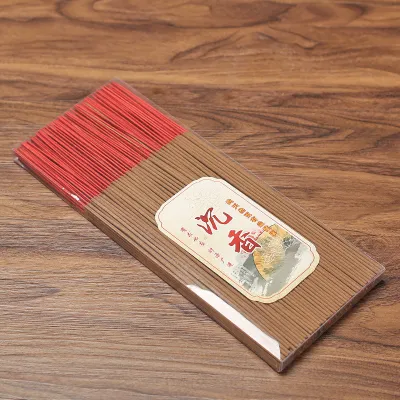
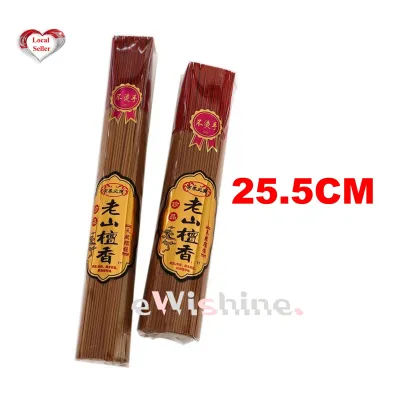
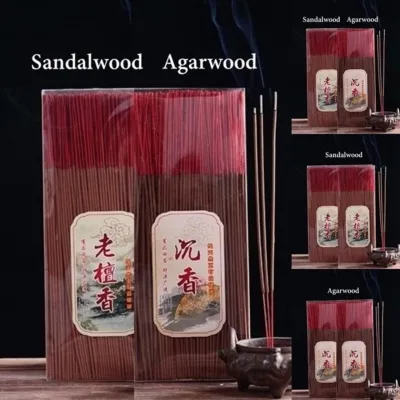
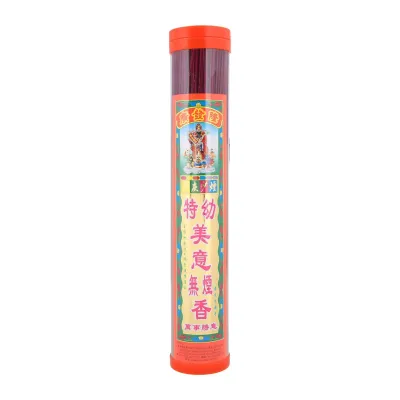
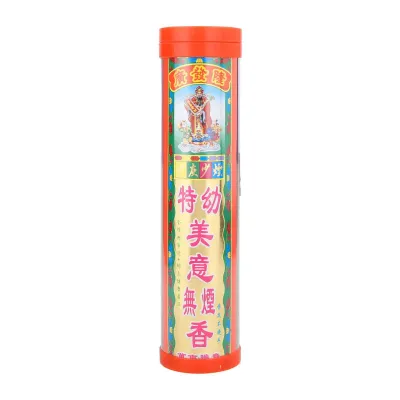
Prices are valid at publication and may change. Please refer to the product page for the latest price.
Material Breakdown: Sandalwood, Agarwood, and Low-Smoke Options
Understanding the raw materials used in joss sticks is essential for selecting a product that aligns with your sensory preferences and home environment. The two most prominent natural aromatic woods used in traditional worship are sandalwood and agarwood, each offering distinct characteristics.

Sandalwood, derived from the Santalum tree, is celebrated for its bright, creamy, and distinctly sweet woody notes. It has a robust scent throw that can quickly fill a living room and linger for several hours after the burn is complete. This makes it a popular choice for morning prayers, as the uplifting aroma helps set a positive tone for the household. However, because traditional sandalwood sticks contain a high volume of natural wood powder, they tend to produce a steady stream of visible smoke.
Agarwood, also known as aloeswood or gaharu, offers a completely different sensory experience. It yields a complex, earthy, resinous, and deeply grounding aroma that is less sweet than sandalwood. Agarwood is highly valued for its calming properties, making it ideal for evening prayers or meditation sessions. Because high-quality agarwood is rare, these sticks are often reserved for specific rituals or quiet moments of reflection rather than continuous daily burning.
For modern high-rise living, low-smoke or environmental joss sticks have become increasingly popular. Unlike traditional sticks that use a thick layer of aromatic wood paste wrapped around a bamboo core, low-smoke varieties often utilize a compressed charcoal base or a coreless design. By reducing the organic binder content and replacing smoky wood bases with clean-burning charcoal, these sticks minimize visible emissions.
The density of the materials and the type of binder used also dictate how the stick behaves during burning. Natural binders, such as Machilus thunbergii powder (a natural plant mucilage), ensure a slow, even burn and produce a stable, cohesive ash. Cheaper, mass-produced sticks may use synthetic glues that burn quickly, creating flaky, hot ash that easily drifts onto your altar surfaces.
Managing Smoke and Safety in Compact HDB Flats
Living in a compact HDB flat means that indoor air quality and fire safety must be carefully managed during daily worship. Proper ventilation is the most effective way to prevent smoke from accumulating in your living spaces or drifting into common corridors.
Position your altar in an area with steady, indirect airflow, preferably near an open window or balcony door. This allows the smoke to disperse naturally rather than pooling near the ceiling. Avoid placing your incense burner directly under a ceiling fan or air conditioning unit; high wind speeds can cause the stick to burn too quickly, scatter hot ash across the room, or even blow lightweight combustible items toward the open flame.
In high-density housing, being mindful of your neighbors is a key aspect of daily worship. Heavy smoke drifting into shared corridors can cause discomfort, especially to those with respiratory sensitivities, and can occasionally trigger communal corridor smoke detectors. Opting for shorter, thinner joss sticks for your daily routine is an easy way to keep smoke volumes respectful and manageable.
When selecting joss sticks for a compact indoor altar, pay close attention to their physical dimensions. Standard daily sticks should ideally be between 28cm and 32cm in length, with a diameter of 1.5mm or less. These smaller dimensions typically provide a burn time of 20 to 30 minutes, which is more than sufficient for daily prayers while preventing the air from becoming overly saturated with smoke.
Fire safety requires establishing clear boundaries and maintaining a safe setup. Ensure there is at least one meter of clear space around and above the incense burner, free from curtains, paper offerings, hanging decorations, or wooden shelving. Never leave burning joss sticks completely unattended. If you must leave your home before the stick has finished burning, safely extinguish it by dipping the lit tip in water or burying it in the burner’s ash.
How to Verify Quality and Avoid Synthetic Fragrances
With many options available on the market, verifying the quality of your joss sticks is crucial to ensure they are safe for daily indoor use. Many mass-market products rely on synthetic fragrances and chemical binders to cut costs, which can release harsh, irritating smoke.
Start by reading the ingredient labels carefully. Reputable manufacturers will clearly list natural raw materials, such as pure sandalwood powder, agarwood powder, and natural plant-based binders like tabu-noki. Be cautious of products that use vague terms like “perfume,” “fragrance,” or “chemical additives” without specifying their origin, as these often indicate synthetic formulations.
You can also perform simple visual and tactile checks before purchasing. Natural joss sticks typically feature muted, earthy colors ranging from light tan to deep brown, and they have a slightly rough, organic texture. Avoid sticks that are dyed in vivid, artificial colors like bright pink, green, or yellow, as these dyes can release toxic fumes when burned. Additionally, natural sticks should have a subtle, woody scent when unlit, rather than an overwhelming, perfume-like aroma.
Observing the ash behavior during a burn is another excellent way to verify quality. Natural wood powders bound with plant-based materials produce a clean, light grey or white ash that holds its shape briefly before crumbling gently. If the ash turns pitch black, feels greasy to the touch, or leaves a sticky, dark residue on your burner, it is highly likely the product contains synthetic oils or petroleum-based binders.
Rather than relying on vague marketing claims like “100% pure” or “all-natural,” look for manufacturer specifications and safety certifications. Many high-quality brands provide laboratory test reports verifying that their products are free from heavy metals, formaldehyde, and harmful volatile organic compounds (VOCs). Choosing certified products ensures a safer environment for your household.
Selecting Burners and Maintaining Your Worship Space
Choosing the right incense burner is just as important as selecting the joss sticks themselves. A compatible burner not only enhances the aesthetic of your altar but also plays a critical role in containing ash and maintaining safety.
For daily home worship, sturdy materials like ceramic, brass, or natural stone are highly recommended due to their excellent heat resistance and stability. Ensure the burner has a wide, heavy base that prevents it from tipping over easily if accidentally bumped. If your altar is situated on a polished wooden surface, place a heat-resistant tile or a dedicated metal tray beneath the burner to protect the wood from heat transfer.
The style of the burner should match the type of joss sticks you use. Traditional vertical burners filled with clean incense ash are excellent for holding standard sticks securely upright. However, if you use thin, coreless incense or prefer a cleaner setup, consider using a horizontal incense box (also known as a lying burner). These enclosed boxes feature a fireproof felt lining that allows the stick to burn completely while lying flat, keeping all ash entirely contained and shielded from drafts.
Maintaining your worship space requires a simple, regular cleaning routine. Empty accumulated ash periodically to prevent it from overflowing or becoming damp in humid weather. Use a damp cloth to wipe down the burner and surrounding altar surfaces weekly to remove any fine, oily residue left behind by natural wood resins, ensuring your sacred space remains clean, safe, and inviting.
Frequently Asked Questions (FAQ)
Can I use standard joss sticks if my HDB flat has a smoke detector?
Yes, you can use standard joss sticks, but you must take extra precautions to avoid triggering your home fire alarm system. Position your altar in a well-ventilated area near an open window, ensuring that smoke can escape directly outside rather than rising toward an indoor detector. If your smoke detector is located close to the altar area, or if your flat has limited cross-ventilation, it is highly recommended to switch to low-smoke or micro-smoke joss sticks to ensure safety and peace of mind.
How do I properly store joss sticks to preserve their scent in a humid climate?
To protect your joss sticks from Singapore’s high humidity, store them in a cool, dry place away from direct sunlight and moisture. Keep them in airtight plastic containers, heavy-duty resealable bags, or dedicated wooden incense boxes. Adding a food-safe silica gel packet inside the storage container is an excellent, low-cost way to absorb excess moisture, preventing the sticks from becoming damp, molding, or losing their natural aromatic oils over time.

Community discussion
Share your experience or ask a question. Comments are reviewed before publication.