
Setting up a home altar is a deeply personal and spiritually significant process, where every element serves both a symbolic and practical purpose. Among these elements, the joss stick holder—often referred to as an “incense burner” or “censer”—plays a central role in holding sacred offerings and managing the physical remnants of daily prayers. Choosing the right holder requires balancing traditional requirements with modern home safety, especially in compact living environments like Singapore apartments. A well-chosen holder not only complements the aesthetic of your sacred space but also ensures that ash is safely contained, surfaces are protected from heat, and the risk of accidental fire is minimized. To make an informed decision, you must evaluate material durability, ash containment capabilities, spatial constraints, and ease of maintenance.
Key Features to Evaluate Before Buying
The primary consideration for any incense burner is its ability to withstand high temperatures over prolonged periods. Ceramics, metals such as brass or bronze, and natural stone are the most reliable materials due to their excellent thermal resistance. Glazed ceramics offer a smooth, non-porous surface that resists staining from oils and resin, while solid brass provides a heavy, durable base that ages beautifully with a natural patina. Conversely, untreated combustible materials like raw wood, bamboo, or certain synthetic resins should be avoided as primary holders. If you prefer the look of wood, it must feature a robust, non-combustible inner lining—such as a metal tray or ceramic insert—to prevent the outer structure from scorching or catching fire from falling embers.
Managing falling ash is one of the most common daily challenges of maintaining a home altar. A poorly designed holder allows ash to spill onto the altar table, creating a messy cleanup and posing a minor burn hazard to wooden surfaces. Look for designs with deep grooves, wide catch basins, or enclosed chambers that capture ash effectively regardless of the angle at which the joss stick burns. For long, thin incense sticks that tend to bow or drop ash over a wider radius, a holder with an extended horizontal tray or a wide-rimmed bowl is essential. Covered burners with carved ventilation holes are also excellent for containing ash, though they require regular internal cleaning to prevent resin buildup from clogging the air vents.
Products mentioned in this guide
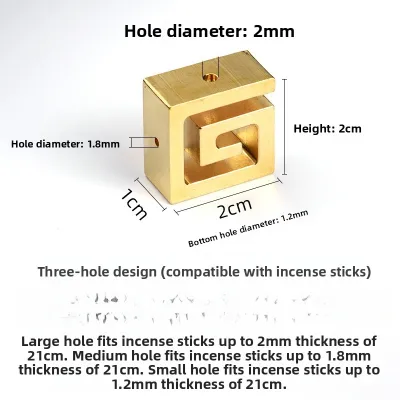
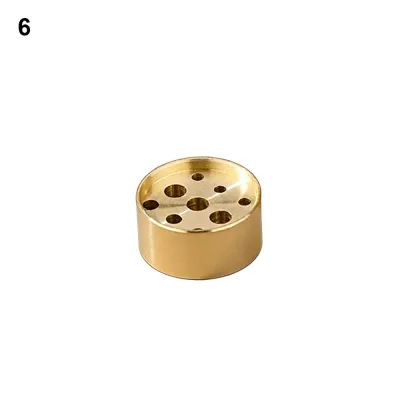
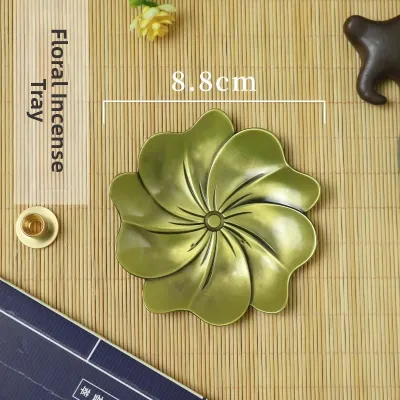
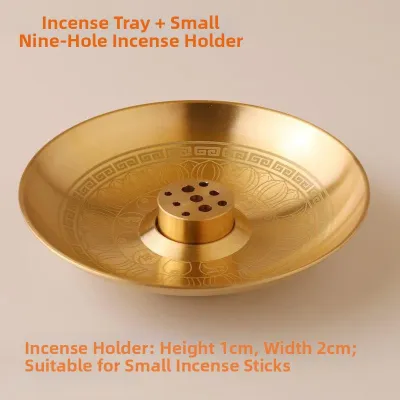
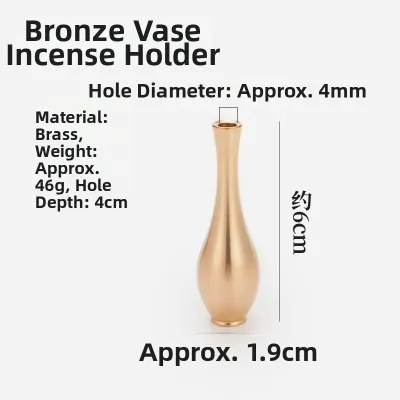
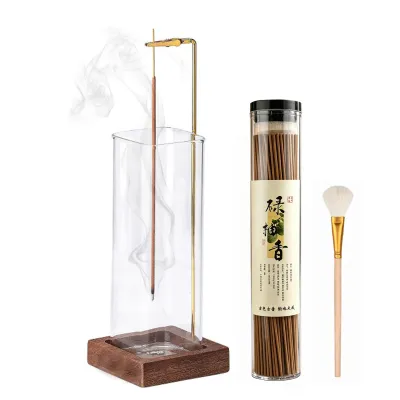
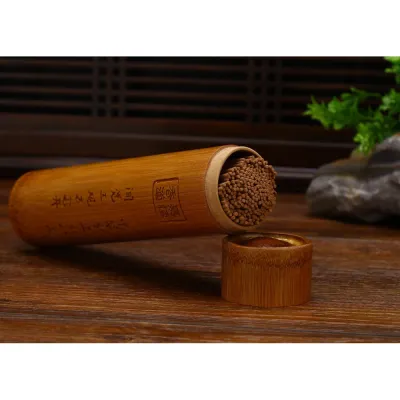
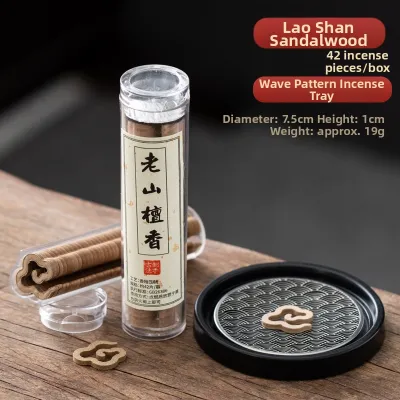
Prices are valid at publication and may change. Please refer to the product page for the latest price.
Joss sticks come in various lengths, diameters, and core types, ranging from thin Japanese-style incense to thick, coreless Tibetan sticks and traditional Chinese joss sticks with bamboo cores. Before purchasing, verify that the holder’s apertures or clamping mechanisms match the specific dimensions of the incense you burn. If you burn multiple sticks simultaneously—such as the traditional three sticks for daily prayers—ensure the holder has multiple holes of appropriate diameters or a spacious sand-filled basin that can securely hold several sticks upright without them leaning into one another. A holder with holes that are too large will cause the sticks to tilt dangerously, leading to uneven burning and ash falling outside the collection area.
Safety and Placement Considerations for Home Altars
Even heat-resistant holders can transfer significant thermal energy to the surface beneath them during extended burning sessions. To protect delicate wooden altar tables or lacquered finishes from heat discoloration and cracking, always place a secondary barrier beneath the holder. Heat-resistant silicone mats, ceramic tiles, or decorative metal trays serve as excellent secondary shields. These barriers not only absorb residual heat but also act as a safety net for any stray embers or ash that might escape the primary holder during a sudden draft.

Proper spatial planning is critical to preventing household fires. Position your joss stick holder away from flammable household items, including window curtains, paper offerings, decorative fabric runners, and hanging scrolls. If your altar is housed within a traditional wooden shrine or cabinet, ensure there is ample vertical and lateral clearance. Smoke and heat rise rapidly, so a low ceiling within a wooden niche can easily scorch or ignite if the burning tip of the joss stick is positioned too close to the top panel. Maintain a clear, unobstructed zone of at least 30 to 50 centimeters above the burning incense, depending on the height of the sticks.
A stable base is non-negotiable, particularly in active households with young children, elderly family members, or pets. Lightweight, top-heavy, or narrow-based holders are highly susceptible to tipping over if the altar table is accidentally bumped. Prioritize holders with a low center of gravity, a wide and flat base, and substantial physical weight. Solid stone, heavy cast iron, or thick-walled ceramic bowls filled with clean incense ash or fine sand provide excellent stability, ensuring the burner remains firmly anchored even when holding longer, heavier joss sticks.
Matching the Holder to Your Worship Space and Style
The scale of your joss stick holder should match the physical dimensions of your altar and the room it occupies. In compact Singapore apartments where space is at a premium, large, elaborate bronze censers can overwhelm a small wall-mounted altar or a modern console table. For these smaller setups, sleek, vertical burners or compact horizontal boat-style holders are highly efficient, as they capture ash within a minimal footprint. Conversely, if you have a dedicated prayer room with a large, multi-tier ancestral altar, a grander, more substantial bowl-style burner is appropriate to maintain visual balance and accommodate larger ceremonial offerings.
Your home altar is a space of reflection and reverence, and its visual elements should feel harmonious. Traditional altars featuring intricate wood carvings and gold leaf pair naturally with classic brass censers, polished stone bowls, or ceramic holders adorned with traditional motifs like lotus flowers, dragons, or auspicious calligraphy. For modern, minimalist homes, you might prefer contemporary designs featuring clean lines, matte finishes, and neutral color palettes. These modern holders blend seamlessly into contemporary interior decor while still respecting the functional requirements of daily worship.
Over time, burning incense leaves behind a sticky, yellowish resin residue alongside loose ash. To keep your altar looking pristine, choose a holder that is easy to clean. Smooth, glazed ceramic surfaces and polished metals are much easier to wipe down than rough, unglazed stone or intricate, deeply carved metalwork that traps residue in hard-to-reach crevices. Detachable designs—where the stick holder can be separated from the ash-catching tray—are particularly convenient, allowing you to empty and wash the components individually without risking damage to the rest of the altar setup.
What to Check When Shopping Online or In-Store
When browsing options, do not rely solely on product photos, which can often be misleading regarding scale. Carefully read the manufacturer’s specifications for exact dimensions, weight, and material composition. Check if the product description explicitly states that the material is heat-resistant and suitable for burning incense. Be cautious of cheap synthetic resin holders that mimic the look of stone or carved wood; unless they are specifically rated for high-temperature use and include a metal insert, they can melt or release toxic fumes when exposed to hot ash.
If you are buying from an online marketplace or e-commerce platform, look for product listings that display the holder alongside common reference objects, such as a hand or a standard mug, to help you visualize its true size. Read customer reviews to check for feedback on the holder’s stability, the actual size of the stick-holding holes, and how well the item is packaged for shipping. Because ceramics and stone are fragile, verify the seller’s return and refund policies regarding items damaged during transit before finalizing your purchase.
Shopping in person at a local temple shop or home decor boutique allows you to physically inspect the quality of the holder. Pick up the item to assess its weight; a quality holder should feel reassuringly heavy and balanced in your hand. Place it on a flat surface and gently tap the sides to ensure it does not wobble or tilt. Run your fingers along the edges and the interior of the stick holes to check for smooth finishing, as rough edges or misaligned holes can make it difficult to insert joss sticks securely or clean the holder safely.
Frequently Asked Questions (FAQ)
Can I use a wooden joss stick holder safely?
Yes, but only under strict safety conditions. A wooden holder must never come into direct contact with burning incense or hot embers. If you choose a wooden design, ensure it features a robust, non-combustible inner lining, such as a thick brass, stainless steel, or ceramic tray that completely covers the areas where ash falls. The wooden base itself should be treated with a fire-retardant finish. Always monitor the burner during use, and discard any wooden holder that shows signs of scorching, cracking, or heat discoloration.
How do I clean ash residue without damaging the holder?
Always allow the holder to cool completely before handling or cleaning to avoid thermal shock or accidental burns. For glazed ceramic or glass holders, wash gently with warm water and a mild dish soap using a soft sponge; avoid abrasive scrubbing pads that can scratch the glaze. For brass or bronze holders, use a specialized metal polish or a soft microfiber cloth dampened with warm water to remove oily resin buildup. If you use a sand-filled burner, periodically sift the sand with a fine mesh strainer to remove buried stub ends and clumped ash.
What is the best way to prevent ash from blowing around the room?
To manage airborne ash in well-ventilated indoor environments, select a holder with a deep, high-walled basin or an enclosed, covered design with carved ventilation slots that allow smoke to escape while keeping the ash contained. Additionally, optimize the placement of your altar. Position it away from direct drafts caused by air conditioning units, standing fans, ceiling fans, or frequently opened windows. If drafts are unavoidable, placing a high-sided decorative tray around the burner can help block low-level air currents from scattering the ash.

Community discussion
Share your experience or ask a question. Comments are reviewed before publication.