
To choose the right Kodak photo frame for wall display in a Singapore home, you must balance the frame’s physical dimensions, mounting compatibility, and material durability against your specific wall type and room layout. Whether you are selecting a classic wooden frame for printed memories or a modern digital display that cycles through hundreds of travel photos, understanding how the frame interacts with Singapore’s typical concrete walls and humid climate is essential. By evaluating the weight, power requirements, and hanging mechanisms beforehand, you can create a secure and visually striking gallery that enhances your living space.
Selecting the ideal frame involves more than just matching the size of your photograph. It requires a thoughtful approach to spatial planning, interior design harmony, and structural safety. Because Singaporean homes often feature a mix of solid concrete structural walls and hollow partition walls, the physical weight of your chosen Kodak frame dictates the tools and hardware required for a secure installation. Taking the time to assess these factors before making a purchase ensures that your cherished memories remain safely displayed for years to come.
Assessing Your Wall Space and Layout Needs
Before browsing through different Kodak frame models, it is crucial to measure your available wall space and plan the overall layout. Singapore apartments, such as HDB flats and condominiums, often have compact wall areas where a poorly sized frame can easily overwhelm the room. Start by using a metal measuring tape to record the height and width of the wall section you wish to decorate. Keep in mind the viewing distance; a large frame or a dense gallery wall requires sufficient open space in front of it so that viewers can appreciate the images comfortably without feeling crowded.
Products mentioned in this guide

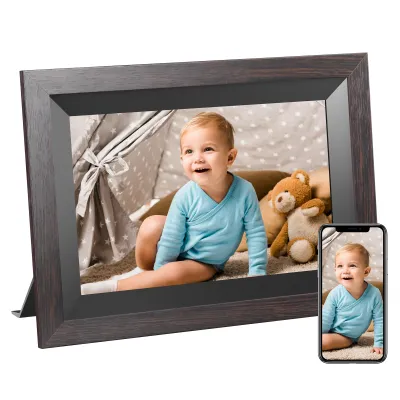




Prices are valid at publication and may change. Please refer to the product page for the latest price.
When planning your layout, decide whether you want a single, large focal point or a multi-frame gallery wall. A single focal point works exceptionally well in dining areas or living rooms, where a prominent Kodak frame can anchor the space. For this setup, a larger frame size, such as an A3 or a 12×16-inch model, is highly effective. If you prefer a more dynamic and personalized display, a gallery wall allows you to combine multiple smaller Kodak frames of varying sizes. You can arrange them in a symmetrical grid for a clean, formal look, or an asymmetrical cluster for a more relaxed, modern feel.
Another critical factor is the relationship between the frames and your existing furniture. If you are hanging frames above a sofa, sideboard, or bed headboard, the display should feel visually balanced with the furniture below it. As a general rule, the total width of your frame arrangement should span approximately two-thirds to three-quarters of the width of the furniture piece. Additionally, position the bottom edge of the frames about 15 to 20 centimeters above the furniture to prevent accidental contact when people are sitting or moving around. If the wall is completely bare, aim to position the center of the frames at a standard eye level of 145 to 150 centimeters from the floor.
Key Selection Criteria for Kodak Wall Frames
When evaluating Kodak photo frames, understanding standard sizes and aspect ratios is the first step toward a seamless display. Kodak frames are available in common photo print dimensions, including 4×6 inches, 5×7 inches, 8×10 inches, and larger document sizes like A4. If you plan to use a mat board—the cardboard border that surrounds the photo inside the frame—you must account for both the inner window size and the outer frame size. For instance, an 8×10-inch frame with a mat board typically holds a 5×7-inch photo. Verifying these dimensions ensures your prints fit perfectly without needing awkward trimming.

The material of the frame plays a significant role in both its aesthetic appeal and its physical weight. Kodak frames are commonly crafted from wood, metal, or lightweight acrylic and plastic composites. Solid wood frames offer a classic, premium feel but are inherently heavier, which demands more robust wall mounting solutions. Metal frames, often made of aluminum, provide a sleek, narrow profile that is exceptionally strong yet lightweight, making them ideal for larger displays. Acrylic and plastic composite frames are highly practical, offering a lightweight alternative that reduces the load on your walls while remaining highly resistant to accidental drops.
Mounting hardware compatibility is another essential criterion to check before purchasing. Examine the back of the Kodak frame to identify the pre-installed hanging mechanisms. Look for sturdy sawtooth hangers or D-rings securely fastened to the backing board. Ideally, the frame should feature mounting points for both portrait (vertical) and landscape (horizontal) orientations, giving you the flexibility to rearrange your display in the future. Avoid frames that rely solely on a fold-out tabletop easel stand if you want a completely flush wall mount, as the stand arm can prevent the frame from sitting flat against the wall surface.
If you are considering a Kodak digital photo frame for your wall, you must also evaluate electrical and power requirements. Unlike traditional frames, digital models require a continuous power supply to display your slideshows. This means you must plan the installation near an electrical outlet. Running a black power cable down a white wall can disrupt the clean look of your decor, so consider using paintable cable trunking to conceal the wire. Furthermore, ensure the digital frame’s power adapter is compatible with Singapore’s 230V 50Hz electrical system and carries recognized safety certifications to prevent electrical hazards.
Matching Frame Aesthetics to Your Room Decor
The visual style of your Kodak frame should complement the existing interior design of your Singapore home. For modern, minimalist, or Scandinavian-inspired interiors, thin-profile frames are highly recommended. Selecting frames in matte black, satin white, or brushed metallic finishes helps maintain a clean, uncluttered aesthetic. These minimalist designs keep the focus entirely on the artwork or photograph, allowing the frame to blend seamlessly into the background of a brightly lit, airy room.
If your home leans toward a traditional, rustic, or mid-century modern style, warm wood grains are an excellent choice. Kodak frames featuring natural oak, walnut, or dark mahogany finishes add a sense of warmth and texture to the space. Thicker frame borders can also be used to create a sense of depth, making the framed photo feel like a substantial piece of art. These warmer tones pair beautifully with cozy lighting, indoor plants, and soft fabric furnishings, enhancing the comfortable atmosphere of living rooms or bedrooms.
When deciding on frame colors, apply the principles of contrast and blending to achieve the desired visual effect. If you want your photos to stand out dramatically, choose a frame color that contrasts sharply with your wall paint—such as a matte black frame on a light beige or off-white wall. If you prefer a subtle, integrated look, match the frame color closely to the wall paint, which creates a sophisticated “floating” effect for the image. Additionally, consider the colors within the photograph itself; a frame that echoes a subtle accent color in the photo can tie the entire presentation together beautifully.
Installation and Safety Checks for Wall Mounting
Hanging photo frames securely in Singapore homes requires a clear understanding of your wall construction. The vast majority of HDB flats and concrete condominiums feature solid concrete or brick walls. Mounting any frame on these surfaces requires a masonry drill, plastic wall plugs (anchors), and matching screws. Attempting to hammer a standard nail into a concrete wall will only damage the plaster and fail to support the frame. For partition walls, which are typically made of gypsum board or drywall and found in some condo interiors or study rooms, you must use specialized hollow-wall anchors or toggle bolts to distribute the weight safely.
Safety must be your top priority during the installation process. Before drilling any holes into your walls, use a reliable digital stud finder equipped with live-wire and metal detection. This step is crucial to avoid accidentally drilling into hidden electrical conduits, water pipes, or structural steel rebars. If you encounter resistance while drilling, or if you are unsure of the utility paths behind the wall, stop immediately. In such cases, it is always best to consult or hire a qualified professional handyman who has the experience and specialized equipment to complete the installation safely.
For high placements—such as above staircases, high shelving, or in children’s bedrooms—extra precautions are necessary to prevent falling hazards. Avoid using temporary adhesive hooks or strips for heavy Kodak frames, especially in Singapore’s tropical climate. The high relative humidity can weaken the adhesive backing over time, causing the frame to fall unexpectedly, which poses a risk of injury and damage to your flooring. For any frame weighing more than 1 kilogram, always rely on mechanical fasteners like screws and wall plugs to ensure a permanent, secure hold.
Building Your Shortlist: What to Verify Before Buying
Before finalizing your purchase on any online marketplace or at a local retail store, there are several critical product details you must verify. First, double-check the exact inner and outer dimensions listed on the product specification sheet. Do not rely solely on generic terms like “medium” or “large.” Confirming the precise measurements in centimeters or inches ensures that your printed photos will fit perfectly inside the matting and that the overall frame will fit within your pre-measured wall layout.
Next, inspect the product description to see if the necessary mounting hardware is included in the package. While many Kodak frames come with pre-installed hooks on the back, they rarely include the wall-side screws, wall plugs, or specialized hangers. Knowing what is included allows you to purchase the correct mounting accessories beforehand, saving you an extra trip to the hardware store. If you are buying a digital frame, verify that the package includes a sufficiently long power cable for your planned wall location.
The glazing material is another vital component to review. Traditional frames often use real glass, which provides excellent clarity and scratch resistance but adds significant weight and can shatter if dropped. Shatterproof acrylic or plexiglass is a safer, lighter alternative, making it highly suitable for large wall displays or homes with active children. However, acrylic can scratch more easily, so look for high-quality, UV-resistant, or anti-glare acrylic options if your wall receives a lot of natural light.
Finally, always review the retailer’s return and exchange policies before checking out. Because photo frames contain fragile components like glass or delicate plastic corners, they are susceptible to damage during transit. Ensure that the seller offers a robust return policy that covers items damaged on arrival. Checking customer reviews specifically for packaging quality can also give you a good indication of whether the frame will arrive in pristine condition.
Frequently Asked Questions (FAQ)
Can I use a Kodak tabletop frame for wall mounting?
Yes, many Kodak tabletop frames can be adapted for wall mounting, but you must verify the backing design first. Check the back of the frame for pre-installed sawtooth hangers or D-rings. If these hooks are present, you can safely hang the frame on a wall. However, if the frame only features a fold-out easel stand without any hanging hardware, avoid using makeshift wire or string to hang it. The easel stand will prevent the frame from sitting flush against the wall, causing it to tilt forward precariously and potentially fall.
How do I prevent my photo frames from fading in Singapore's climate?
To protect your framed photos from Singapore’s high humidity and intense UV exposure, place them away from direct sunlight and damp areas. Avoid hanging frames directly opposite large windows or in high-humidity zones like bathrooms and kitchens. If possible, select Kodak frames that feature UV-protective acrylic glazing to shield the prints from sun damage. Additionally, use acid-free mat boards and backing papers, as standard cardboard can release harmful acids over time under humid conditions, leading to yellowing and deterioration of your photographs.
Community discussion
Share your experience or ask a question. Comments are reviewed before publication.